


Paradise Valley is where privacy, views, and quiet luxury define daily life.
The Paradise Valley Lifestyle Hub is a comprehensive, real-world resource designed to help residents, buyers, and long-term planners understand how life in Paradise Valley actually works — across micro-areas, daily routines, amenities, culture, and movement patterns.
This hub focuses on how people live, not how they relocate.
Paradise Valley is often described in broad strokes — “exclusive,” “estate living,” “resort adjacent,” “Camelback views” — but those labels hide the real truth: lifestyle here is defined by property positioning, privacy, and proximity patterns more than it is by city limits. Two homes that appear similar on paper can deliver completely different daily experiences depending on street presence, slope, view corridor, and how quickly you can access Scottsdale, Biltmore, and the airport without feeling exposed or congested.
This hub exists to replace assumptions with clarity.
Lifestyle Alignment – Daily Functionality – Long-Term Fit
Rather than broad city overviews, promotional narratives, or generic rankings, this hub examines the lived experience of Paradise Valley — how the enclave functions Monday through Friday, how weekends are actually spent, how seasonality affects routines, and how lifestyle choices intersect with housing design, travel patterns, resort access, wellness, recreation, and social life.
This is not a surface-level look at Paradise Valley.
It is a functional, on-the-ground view of how the enclave truly operates.
Last updated: February 2026
How Paradise Valley Lifestyle Actually Varies by Area
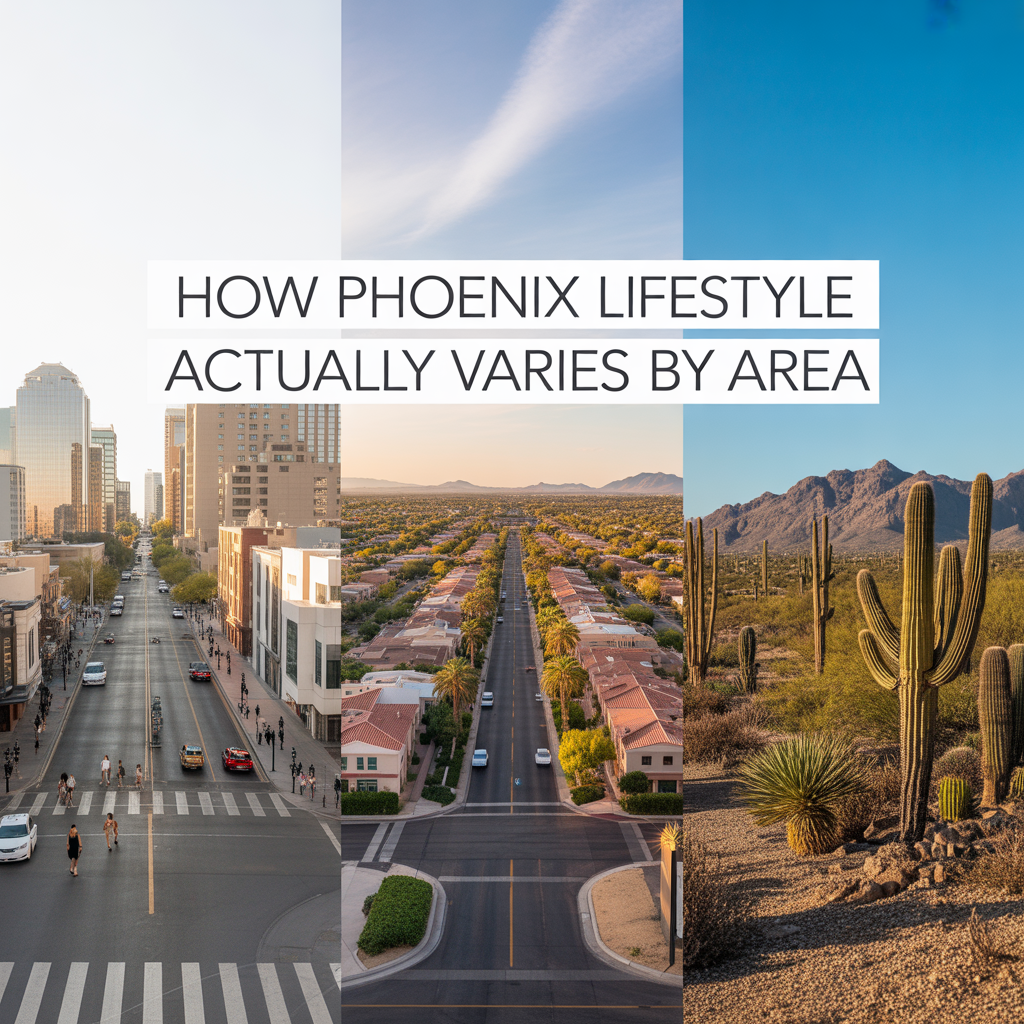
Paradise Valley is not a single lifestyle market — even within a small geographic footprint. Daily life changes noticeably based on mountain adjacency, slope and view corridors, access routes, and whether your property feels truly private or subtly exposed. In PV, micro-location is lifestyle.
Two homes can be minutes apart and still feel like different worlds: one might live behind gates and mature landscaping with quiet streets and minimal pass-through traffic; another might sit closer to key corridors where convenience increases but discretion decreases. Lifestyle variation here is driven less by “what’s nearby” and more by how the property sits within the enclave and how you move in and out of it.
Key drivers include:
- Privacy and Street Exposure in Paradise Valley
- View Corridors and Mountain Proximity
- Resort and Dining Access Without Crowd Spillover
- Route Quality to Scottsdale, Biltmore, and Downtown Phoenix
- Property Scale, Landscaping, and Service Lifestyle
- Quiet Street Patterns vs Cut-Through Corridors
- Seasonal Residents and Winter Energy Shifts
This hub is designed to surface those realities clearly and responsibly so you can match your lifestyle to the parts of Paradise Valley that fit it best.
Schools & Education Lifestyles

In Paradise Valley, education choices shape lifestyle less through “one dominant district” and more through intentional selection: households often prioritize specific programs, private options, specialty campuses, and commute patterns rather than relying on a single neighborhood school identity.
That means daily routines can be highly customized — and sometimes surprisingly drive-heavy. Morning and afternoon rhythms often include structured drop-offs, after-school activities, and cross-area movement into Scottsdale, Biltmore, or nearby corridors. Even for households without children, school calendars and activity traffic can affect certain roads at predictable times.
This section explores how education shapes lifestyle through:
- School-Run Routing and Predictability
- Private and Specialty School Movement Patterns
- After-School Sports and Activity Logistics
- Family Morning and Evening Routines
- Parent Networks and Community Rhythm
- Weekend Events and School-Centered Schedules
- How Education Choices Affect Where Families Actually Spend Time
The focus is not simply “best schools,” but how education choice translates into real weekly life in Paradise Valley.
Restaurants, Dining & Local Culture

Paradise Valley’s social and dining culture is shaped by proximity — not density. PV itself is intentionally quiet and residential, so lifestyle often centers on quick, high-quality access to nearby dining, resorts, and cultural corridors without living inside the noise.
The lived experience here is often “destination light”: you can keep your home life calm and private, then step into world-class hospitality, restaurants, and shopping within a short drive. That balance — calm at home, elevated access nearby — is one of the defining reasons people choose Paradise Valley over adjacent luxury areas.
This section looks at how dining and culture shape lifestyle through:
- Quiet-Home, High-Access Living in Paradise Valley
- Resort Dining as a Lifestyle Pattern
- “Go Out” Nights vs Hosting at Home
- Local Culture Without Tourist Saturation
- How Drive Time Changes Spontaneity
- Weeknight vs Weekend Energy Shifts
- What “Walkability” Means in an Estate Enclave
The goal is to understand what evenings and weekends actually look like when you live in Paradise Valley — not just where to eat.
Parks, Trails & Outdoor Access
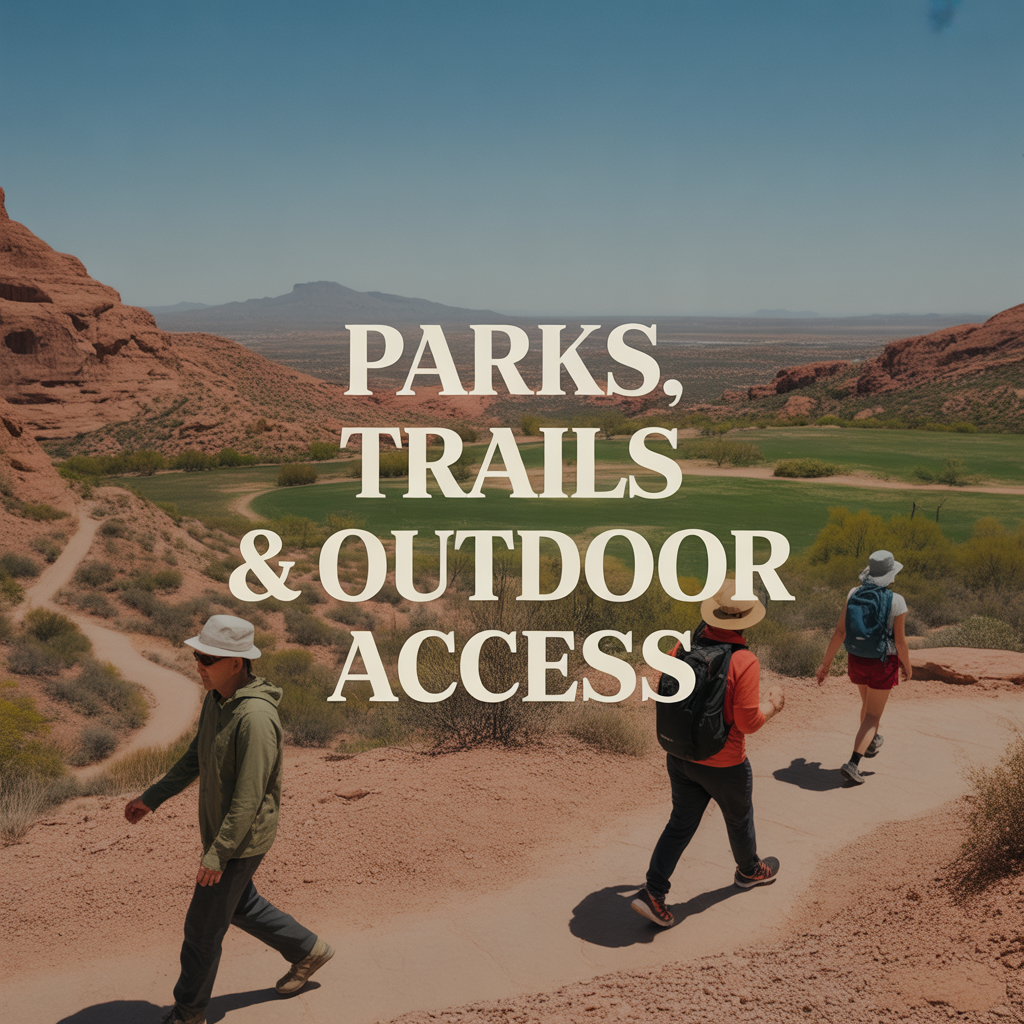
Outdoor access in Paradise Valley is less about “a park down the street” and more about proximity to iconic desert terrain, mountain edges, and high-quality outdoor routines. But usability still depends on heat windows, shade, and how quickly you can get from your driveway to a trailhead without turning the outing into a production.
Many PV residents build outdoor life into mornings and evenings, especially in warmer months. Others lean on resort wellness amenities, private outdoor space, and pool-centered routines during summer — then shift hard into hiking, patios, and outdoor events during the cooler seasons.
This section distinguishes between:
- Daily Outdoor Routines vs “Weekend Only” Outdoor Life
- Heat-Window Living and Realistic Trail Timing
- Private Outdoor Space as a Lifestyle Multiplier
- Mountain Adjacency and Its Everyday Impact
- Resort Wellness, Spas, and Fitness Ecosystems
- Dog and Kid Outdoor Practicality
- Seasonal Shifts in Outdoor Time in Paradise Valley
In Paradise Valley, “outdoor lifestyle” is real — but it’s also engineered through timing, design, and access patterns, not just proximity.
Commutes, Traffic & Daily Movement
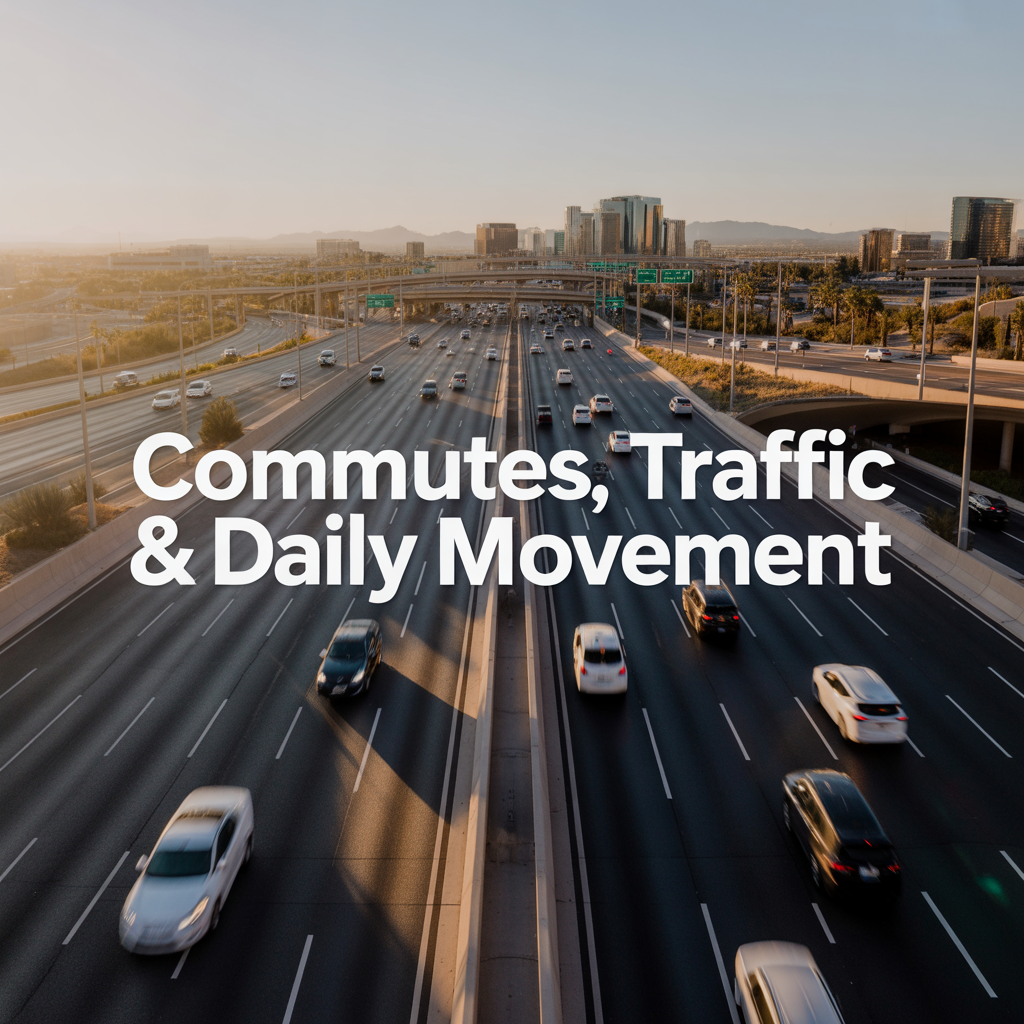
Commute and movement patterns in Paradise Valley are defined by one core idea: you’re centrally positioned, but routes matter. A PV address can be “close” to Scottsdale, Biltmore, Downtown Phoenix, and the airport — yet your real-world experience depends on how cleanly you can connect to the corridors you use most.
Many PV residents don’t measure lifestyle by commute time alone — they measure it by friction: number of lights, predictable flow, event congestion, construction patterns, and how often a simple dinner or school run turns into a long loop. For hybrid and remote workers, movement becomes less about daily commuting and more about the quality and convenience of the trips you make multiple times per week.
This section analyzes:
- Low-Friction Routes vs High-Friction Corridors
- Scottsdale, Biltmore, and Downtown Access Patterns
- Peak Traffic Times That Affect PV Movement
- How Events Shift Drive Times and Routines
- Errand Routing and “Daily Loop” Efficiency
- Remote-Work Friendly Lifestyle Design
- How Congestion Shapes Paradise Valley Life
The goal is to translate “central location” into what your week actually feels like in Paradise Valley — not just what the map suggests.
Airport, Freeways & Transit Access
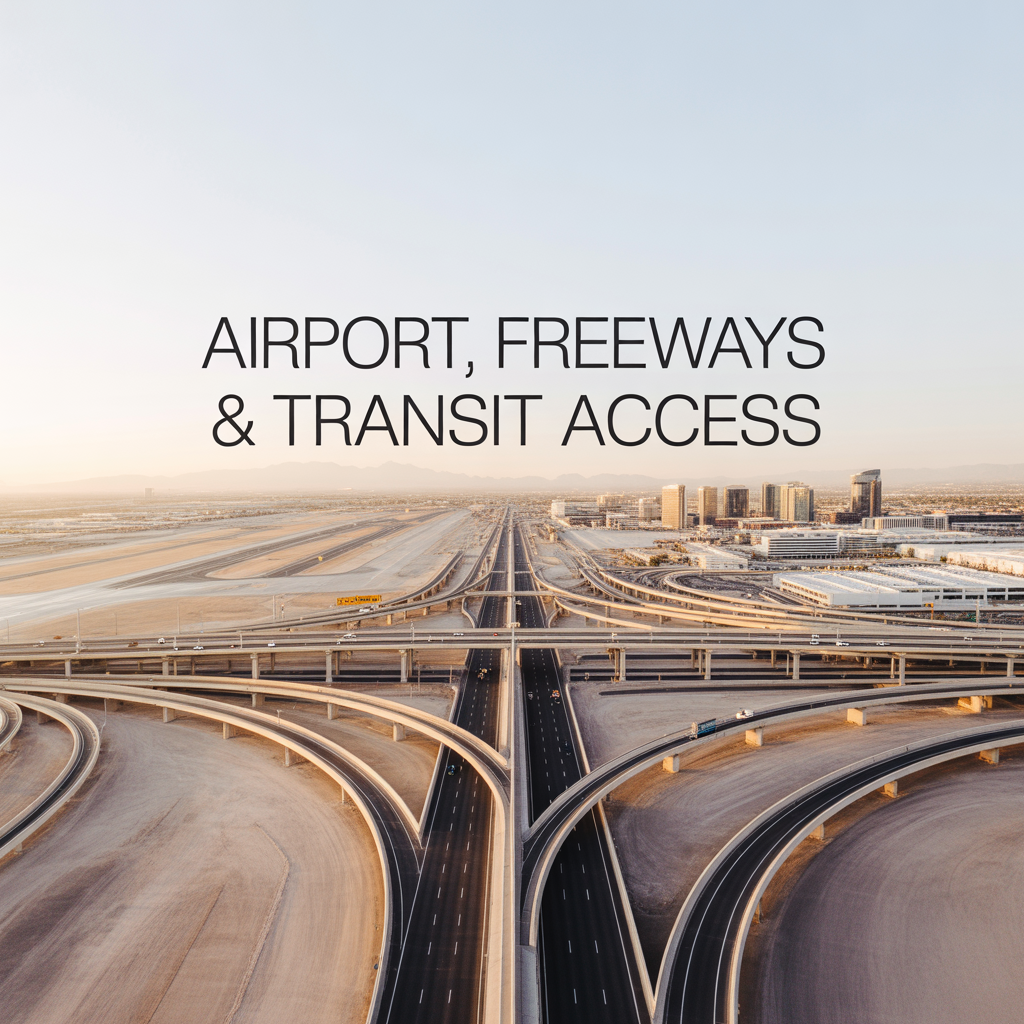
For Paradise Valley residents, airport access and freeway connectivity are lifestyle multipliers — especially for frequent travelers, second-home owners, and business schedules that require quick departures. PV is well-positioned, but the experience depends on which routes you rely on and how often your travel times overlap with peak congestion or major event cycles.
Transit exists in the region, but Paradise Valley lifestyle is fundamentally car-driven. The practical question is not “can I use transit,” but “how quickly can I access the places I actually go” — restaurants, resorts, shopping, schools, healthcare, and the airport — while preserving calm and privacy at home.
This section focuses on:
- Real-World Drive Times to Sky Harbor
- Airport Convenience by PV Micro-Area
- Key Freeway Connections and Bottlenecks
- Cross-Valley Trips That Feel Heavy
- Event Weekends and Travel Timing
- Rideshare and Chauffeur Practicality
- How Travel Frequency Changes “Ideal Location”
Function matters more than lines on a map. The aim here is to understand how travel and connectivity will feel in your weekly Paradise Valley life.
Sports, Entertainment & Nightlife

Paradise Valley’s entertainment advantage is proximity without saturation. You’re close to major sports, concerts, galleries, and event districts — but daily life in PV remains intentionally quieter. That’s the trade: easy access to high energy, with a home base that stays calm.
For some residents, the ideal lifestyle is being able to choose when you step into the action. For others, frequent event traffic, seasonal tourism patterns, and major weekends become important variables — especially if your preferred routes overlap with high-activity corridors.
This section explores:
- Event Weekends That Change Valley Traffic
- High-Energy Nights vs Quiet-Home Living
- Resort Lounges and Elevated Social Scenes
- Arts, Galleries, and Cultural Access Nearby
- Rideshare, Parking, and Return-Home Friction
- Family Entertainment Access Without Living in It
- Areas That Feel “Always On” Nearby vs PV Calm
Some people want to live in the energy. Paradise Valley is for people who want to access it — then leave it behind.
Seasonal Living in Paradise Valley
Paradise Valley is a seasonal lifestyle market, even without snow. Summer heat shapes daily timing, while winter brings an influx of part-time residents, elevated tourism, and busier resort corridors. The seasonal swing is real — but in PV it often feels curated rather than chaotic.
In summer, life becomes more home-centric: pool routines, early and late outdoor windows, and wellness-driven schedules. In fall through spring, patios, hiking, golf, events, and entertaining expand dramatically — and Paradise Valley’s “best version” is often experienced in those months. Where your home sits — shade, exposure, elevation, and design — determines whether the summer feels manageable or punishing.
This section covers:
- Summer Livability Differences by PV Micro-Area
- Shade, Exposure, and Heat-Window Living
- Winter Energy: Tourism, Resorts, and Seasonal Residents
- Outdoor Time Shifts Across the Year
- Patio, Golf, and Event Seasons Nearby
- How Estate Homes Live by Season
- Pets, Kids, and Summer Routine Planning
Seasonality shapes routines more than most people expect — especially for relocating buyers who haven’t lived through a full Valley summer in an estate-style home.
Experience, Authority & How This Hub Is Built
This Paradise Valley Lifestyle Hub is written, maintained, and updated by a Phoenix-area real estate professional who works across the region daily — not by scraping data or stitching together generic summaries. The intent is to reflect how people actually live here, not how the enclave is marketed.
Every section is informed by real conversations and on-the-ground patterns: privacy expectations, travel routines, seasonal rhythms, and the lifestyle decisions that cause people to choose PV over adjacent luxury corridors. As infrastructure, event cycles, and lifestyle patterns evolve, this hub is updated to reflect current reality.
This resource is built with:
- On-the-Ground Paradise Valley Micro-Area Insight
- Client Experience Across Luxury Lifestyle Profiles
- Continuous Pattern-Tracking Over Time
- Regular Review and Refinement in Paradise Valley
It is a living reference, not a one-and-done snapshot.
Who This Hub Is For
This hub is built for people who want to understand how Paradise Valley actually feels to live in, beyond simple “pros and cons” lists. It’s meant to help you connect daily routines — travel, privacy needs, entertaining, wellness, recreation, and social life — to specific micro-areas and access patterns across the Paradise Valley ecosystem.
Whether you’re already here and rethinking fit, moving from another part of the Valley, or relocating from out of state, this hub aims to cut through noise so you can prioritize what matters most in your Paradise Valley life.
This hub is especially useful for:
- Luxury Buyers Prioritizing Privacy and Long-Term Fit
- Paradise Valley Residents Reassessing Lifestyle Needs
- Families Aligning Education Choices With Daily Logistics
- Frequent Travelers Balancing Airport Access and Calm Living
- Anyone Seeking Clarity in an Elite, Micro-Driven Market
This is not a relocation pitch.
It is a Paradise Valley lifestyle intelligence hub.
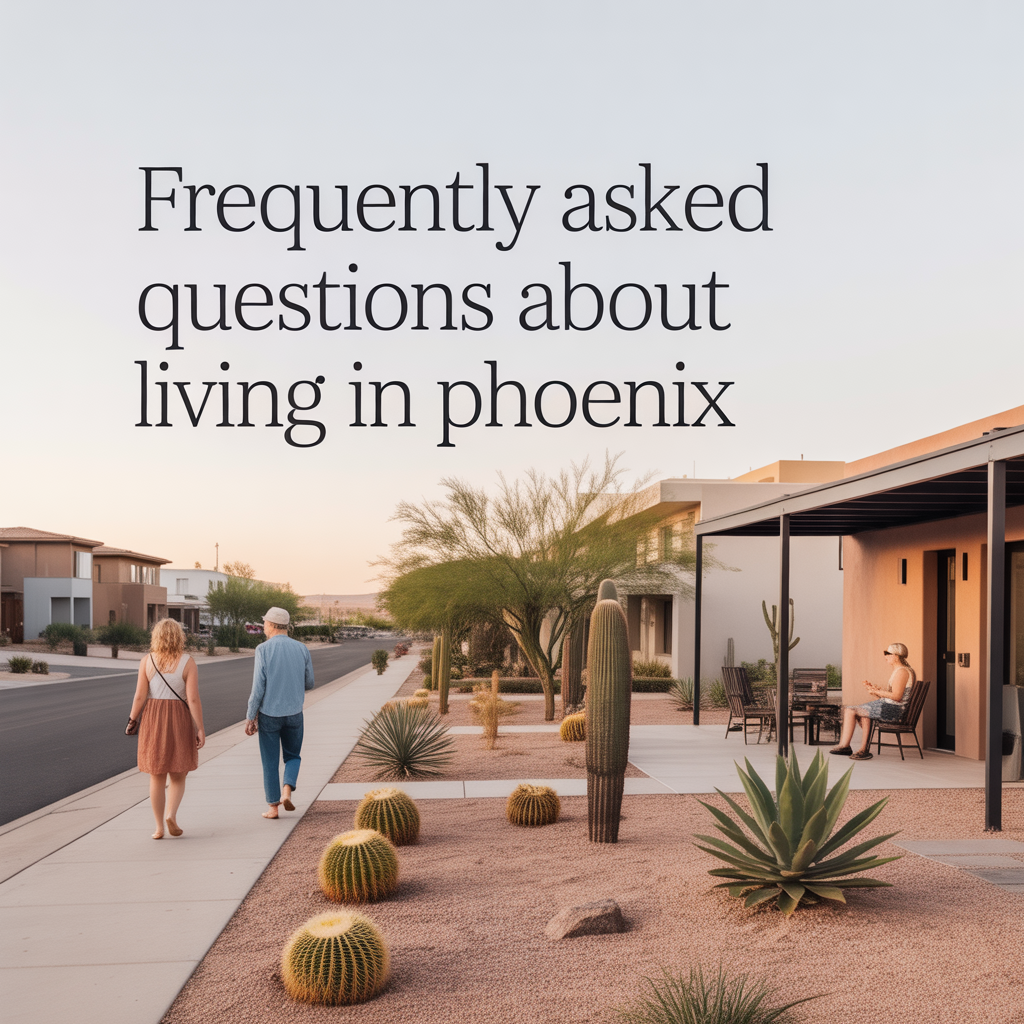
Frequently Asked Questions About Living in Paradise Valley
Is Paradise Valley more urban or suburban in daily life?
Paradise Valley functions as a private residential enclave. It feels suburban in quiet and spacing, but it is centrally located near major luxury and business corridors. The lifestyle is less about “city living” and more about privacy with immediate access.
What makes daily life in Paradise Valley feel different from Scottsdale?
Privacy and residential calm. Scottsdale has more visible density, commercial corridors, and high-energy pockets. Paradise Valley is intentionally quieter and more discrete, while still being close to Scottsdale dining, resorts, and shopping.
Is Paradise Valley truly an “outdoor lifestyle” area?
Yes, but it’s timing-driven. Many residents build routines around early mornings and evenings in warmer months, and lean into hiking, patios, golf, and outdoor entertaining heavily during the cooler seasons. Private outdoor space often plays a bigger role than public parks.
How important is micro-location in Paradise Valley?
Extremely. Street exposure, view corridors, slope, access routes, and nearby event traffic can change daily experience dramatically. In PV, two homes can be “close” but deliver completely different lifestyles.
Does the seasonal population affect Paradise Valley life?
In certain pockets, yes. Winter can bring more activity around resorts, dining, and key corridors, while summer is calmer and more home-centered. Many residents experience PV as “curated seasonality” rather than disruptive crowding.
Who should use this hub?
Anyone making a decision that affects where and how they live in the Paradise Valley ecosystem — whether you’re buying, staying put, or reevaluating priorities. The goal is to help you see how real life lines up with the map before you commit.
Talk With the Paradise Valley Lifestyle Expert

If you’re evaluating micro-areas, weighing privacy versus access, or trying to align lifestyle priorities with long-term housing decisions, a direct conversation often brings clarity faster than more reading.
You can contact me directly to discuss how Paradise Valley functions day to day — without pressure, scripts, or generic recommendations.
👉 Contact Renee Directly