


Arvada Lifestyle Guide — How Life in Arvada Actually Works
The Arvada Lifestyle Guide is a practical, real-world resource designed to help residents, buyers, and long-term planners understand what daily life in Arvada, Colorado actually looks like — across neighborhoods, routines, schools, amenities, movement patterns, and long-term livability.
This hub focuses on how people live in Arvada, not how they relocate to it.
Arvada is often described with simple labels — “close to the foothills,” “Olde Town charm,” “family-friendly,” or “convenient to Denver” — but those descriptions flatten a city that functions very differently depending on where you live, how you commute, and how much of life stays local.
Two households less than ten minutes apart can experience completely different versions of Arvada — shaped by school boundaries, elevation changes, trail access, commute direction, and whether daily life orbits Olde Town, the foothills, or Denver proper.
This hub exists to replace assumptions with clarity.
Compare Arvada to Other Denver-Metro Real Estate Guides
If you’re researching the Arvada housing market, it can help to compare how other Denver-area real estate markets behave. These guides break down pricing trends, neighborhood differences, inventory patterns, and long-term value dynamics across the Denver metro.
Daily Rhythm • Functional Living • Long-Term Fit
Rather than promotional narratives or surface-level overviews, this hub examines the lived experience of Arvada — how neighborhoods function Monday through Friday, how weekends are actually spent, how seasons shape routines, and how lifestyle choices intersect with housing, schools, commuting, recreation, and social life.
This is not a tourism guide.
It is an on-the-ground look at how Arvada actually operates day to day.
Explore This Guide
Last updated: January 2026
Why Life in Arvada Feels Different by Neighborhood
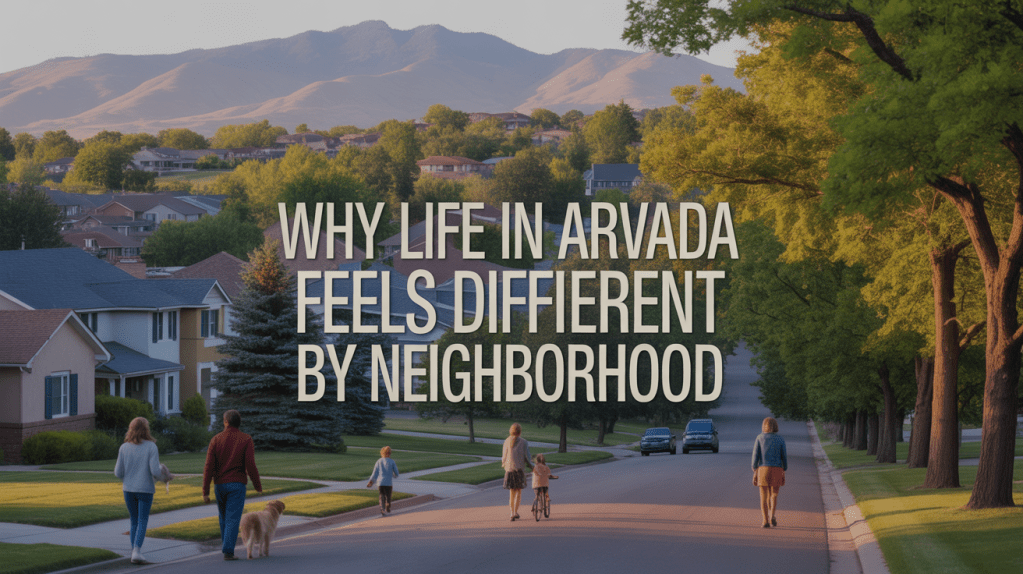
Arvada is not a single lifestyle environment — and treating it as one often leads to mismatched expectations.
Lifestyle variation in Arvada is driven by:
- Elevation changes moving west toward the foothills
- School district boundaries (Jeffco, charter, and choice patterns)
- Proximity to Olde Town versus newer west-side developments
- Trail and open-space integration into daily routines
- Commute direction toward Downtown Denver, Boulder, or Golden
- G-Line light rail access versus car-first living
- Street layouts, lot sizes, and post-war versus newer construction
- Event traffic and weekend activity near Olde Town Arvada
In Arvada, price and finishes reveal very little about how daily life will feel. Lifestyle differences show up in subtler ways — school-hour congestion, snow exposure, evening quiet, weekend foot traffic, and how often residents leave Arvada at all.
This hub is built to surface those realities clearly.
School Districts & Family-Driven Lifestyles in Arvada

In Arvada, schools influence daily life far beyond academics.
School structure affects:
- Morning and afternoon traffic flow
- Bus routes and drop-off congestion
- After-school sports logistics
- Weekend calendars and social overlap
- Long-term neighborhood stability
Deep Dives:
- Jeffco Schools Serving Arvada Neighborhoods
- Charter & Choice Enrollment Patterns in Arvada
- How School Boundaries Influence Home Search Behavior in Arvada
- How School Calendars Shape Daily Routines in Arvada
- Public vs Private School Considerations in Arvada
This section focuses less on rankings and more on how school systems affect lifestyle — predictability, commute time, family scheduling, and community involvement.
Even households without children often feel the ripple effects of school-driven activity patterns in Arvada.
Olde Town, Local Dining & Community Culture
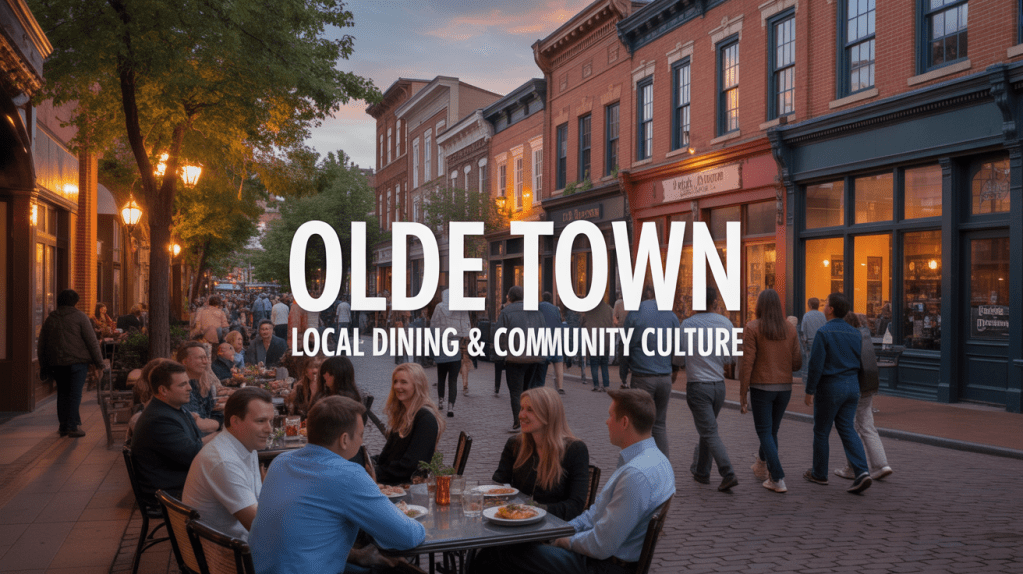
Arvada’s social life is concentrated rather than dispersed, with Olde Town acting as the city’s cultural anchor rather than one option among many. Unlike larger cities where dining and entertainment are spread across multiple districts, much of Arvada’s shared social energy flows through a relatively tight geographic core. This has a meaningful impact on how residents experience evenings, weekends, and casual social interaction.
Where you live in relation to Olde Town strongly shapes daily habits. Residents within walking or short-bike distance tend to treat dining and coffee as extensions of neighborhood life, with spontaneous plans and familiar faces becoming part of routine. Those farther out — particularly in west-side or lower-density residential pockets — often approach dining as a destination experience, planning meals intentionally rather than casually dropping in. As a result, evenings in Arvada generally wind down earlier than in Denver, with social activity peaking around dinner rather than late night.
Community culture in Arvada prioritizes familiarity over volume. Restaurants and breweries function less as trend-driven destinations and more as repeat gathering places, reinforcing a small-town feel within a growing metro area. Olde Town events, farmers markets, and seasonal gatherings don’t just provide entertainment — they set the rhythm for social life, subtly influencing when people go out, how often they stay local, and how connected neighborhoods feel over time.
Deep Dives:
- Best Restaurants in Olde Town Arvada
- Casual Local Favorites Arvada Residents Actually Frequent
- Date-Night Spots in Arvada
- Coffee Shops & Morning Routine Culture
- Breweries, Taprooms & Low-Key Evening Hangouts in Arvada
Arvada’s culture prioritizes familiarity over volume — fewer choices than Denver, but stronger local identity and repeat encounters.
Parks, Trails & Foothills-Oriented Living
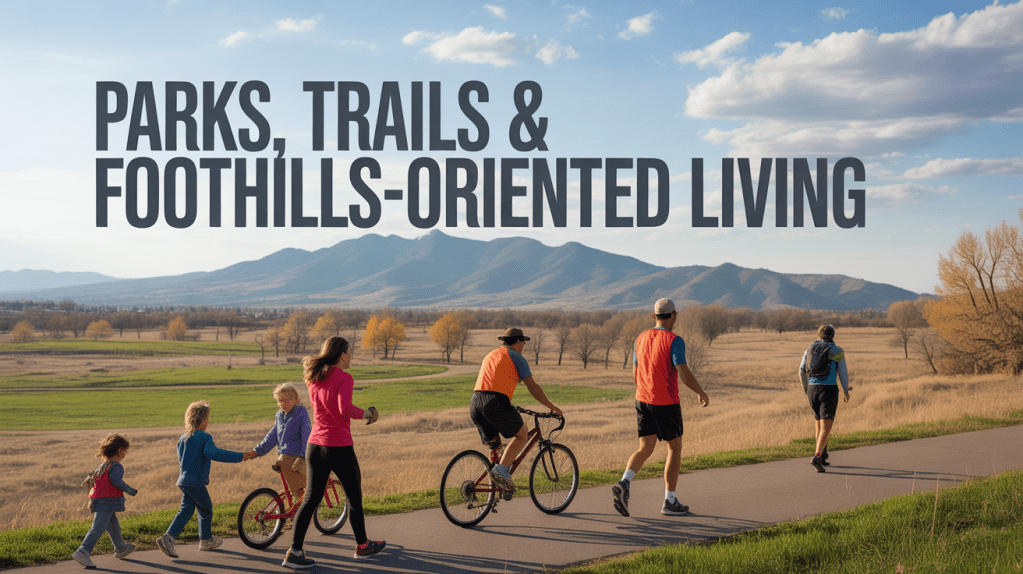
Outdoor access in Arvada is not something residents “plan for” on weekends — it’s woven directly into daily routines. The city’s proximity to the foothills, combined with an extensive network of trails and neighborhood parks, means that outdoor time often happens in short, repeatable moments rather than long, destination-driven outings. Walks after dinner, quick bike rides between errands, and informal meetups at nearby parks are common parts of everyday life.
Arvada’s trail system creates a meaningful distinction between recreational access and functional access. Some trails are used occasionally for longer outings, while others become part of weekly — or even daily — patterns for walking, biking, or commuting locally. Areas near corridors like Ralston Creek or west-side open spaces tend to integrate outdoor movement naturally into routines, while flatter east-side neighborhoods often rely more on structured park visits rather than spontaneous trail use.
Foothills-adjacent living introduces another layer of lifestyle difference. West-side neighborhoods experience more elevation change, greater exposure to open space, and quicker access to hiking and mountain recreation, but also more variability in weather, snow accumulation, and sun exposure. East-side areas trade immediate foothills access for flatter terrain, more consistent street grids, and easier navigation for strollers, biking, and daily errands. Neither pattern is better — but each produces a different rhythm of outdoor life.
In Arvada, proximity alone doesn’t define outdoor lifestyle. Usability, frequency, and convenience matter more than scenic value. The neighborhoods that feel most outdoor-oriented are often the ones where residents step outside more often, not necessarily the ones with the most dramatic views.
Deep Dives:
- Ralston Creek Trail & Daily Use
- Apex, Van Bibber & West-Side Open Space Living
- Neighborhood Parks vs Regional Open Space in Arvada
- How Foothills Proximity Changes Daily Lifestyle in Arvada
In Arvada, usability matters more than proximity. A trail two minutes away that fits your routine matters more than a famous trail fifteen minutes away.
Commutes, Traffic & West-Metro Movement Patterns

In Arvada, the commute experience is shaped by a mix of strong local access and a few unavoidable regional bottlenecks. Most residents live within a short drive of I‑70, U.S. 36, and C‑470, but that corridor traffic still defines the daily rhythm, especially in the core employment zones of downtown Denver, Colorado’s tech and healthcare corridors, and Boulder. Across the city, the average one‑way commute is around 27 minutes, which is slightly above the national average, and that time is fairly predictable, not wildly unpredictable like in some distant suburbs. The main spikes are morning rush on Wadsworth, Sheridan, and U.S. 36, and evening rush coming back west on I‑70 and the 36 freeway, where everyone’s fighting for a lane at the same time. For families, that means school drop‑off and work schedules are often timed around those windows, and a home that’s just a few blocks from a major arterial or a light rail stop can feel like a game‑changer compared to a similar house that’s a ten‑minute drive away from the main roads.
Movement patterns across the west metro feel like a network of spokes, with Arvada sitting in that sweet spot between the city and the foothills that makes it both convenient and complicated. Many residents work inside Denver, but a growing number also work in west‑side hubs like Westminster, Boulder, Broomfield, or the Golden‑Idaho Springs corridor, and that creates a more diffuse, bidirectional flow than in the east metro. The W Line light rail, running from Olde Town through Golden, helps ease the burden for downtown commuters and those heading to the Red Rocks and Golden area, but outside of rail, driving is still the default for nearly all families. Weekends are another layer: I‑70 east to downtown and the airport can be a slog on Friday afternoons and Sunday evenings, especially when the Broncos, Nuggets, or Avalanche are playing, and I‑70 west to the ski country and mountain towns is a known weekend gridlock route, especially in the fall and winter. For anyone thinking about moving to Arvada, it’s worth mapping out not just the weekday commute, but the family’s typical weekend patterns — school sports, ski trips, visits to the city or the mountains — because it’s that mix of daily and occasional trips that really shows where a home lands in the west‑metro flow.
This deep dives:
- Downtown Denver-bound versus Boulder-bound commutes
- I-70 versus surface-street realities
- School-hour congestion patterns in Arvada
- Remote-work compatibility by neighborhood in Arvada
- Why some “short” commutes feel long — and vice versa in Arvada
Arvada rewards strategic positioning. Two similar homes can produce very different stress levels depending on route, timing, and elevation.
G-Line Light Rail, I-70 & Regional Access

Access in Arvada is best understood as regional flexibility, not urban car‑free living, and the G Line, I‑70, and the web of major arterials shape that reality clearly. The G Line (Gold Line) commuter rail, with stations at Olde Town Arvada, Arvada Ridge, and 60th & Sheridan (Arvada Gold Strike), gives a solid off‑ramp alternative for workdays toward downtown Denver, but it doesn’t eliminate the car; it supplements it. Most households still rely heavily on personal vehicles for school drop‑off, groceries, and off‑peak trips, and that’s by design in a city like Arvada, where the rhythm is suburban but connectivity to the wider metro is strong. The real advantage isn’t in going completely car‑free, but in having choices: a rail option for downtown or Union Station when it makes sense, and a well‑mapped, multi‑route highway and arterial system (I‑70, U.S. 36, Wadsworth, Sheridan, Federal, Ralston) that keeps the vast majority of jobs, hospitals, and activity centers within a manageable, predictable drive. For families, this means Arvada feels like a true west‑metro base — close enough to the city to be convenient, far enough out to avoid the most intense urban congestion, and built around the kind of regional access that supports a stable, multi‑car household over the long term.
This section focuses on:
- When the G-Line actually works for daily life
- Park-and-ride versus walkable station lifestyles
- Airport access realities from Arvada
- Golden, Boulder, and mountain access patterns
Function matters more than proximity on a map.
Community Events, Entertainment & Nightlife

Entertainment in Arvada is built around community, not nightlife, and that distinction shapes how families actually spend their evenings and weekends once the kids are in bed. It’s not about clubs, late bars, or a packed downtown scene; it’s about the Arvada Center for the Arts and Humanities, Olde Town events, neighborhood festivals, and the kind of low‑key, social hangouts that feel like an extension of home, not a separate trip to a city. Residents here tend to dress up for a musical or a show at the Arvada Center, meet friends for a brewery flight at Denver Beer Co. or Resolute, or walk the block for a Friday night concert during Movies Around Town or a seasonal event like the Arvada Kite Festival. That community‑centered rhythm means that “a night out” is more likely to be dinner and a performance, a trivia night at a taproom, or a family festival at a local park, rather than a late bar crawl or a high‑energy downtown district. For families who value a settle‑down, safety‑first lifestyle, that’s a feature, not a flaw: it keeps the evening vibe calmer, more predictable, and more connected to the neighborhood, not just a quick escape from it.
This section covers:
- Olde Town festivals and seasonal events
- Farmers markets and local gatherings
- Live music and outdoor performances
- Family-friendly evening options in Arvada
- Why Arvada feels active without feeling overwhelming
Arvada offers energy in measured doses — if you choose your location carefully.
Seasonal Living in Arvada
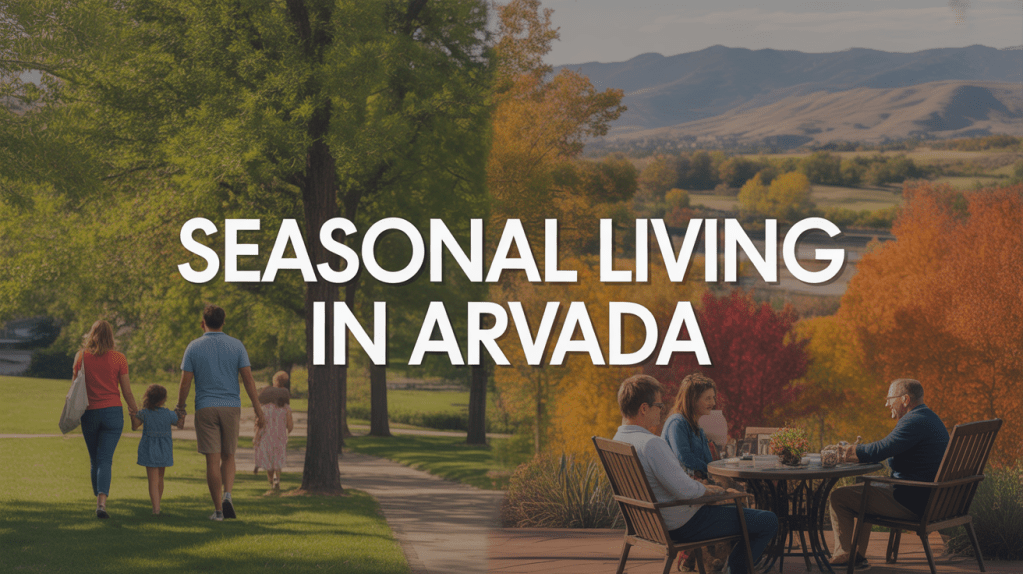
Seasonal living in Arvada is a big part of what makes the city feel grounded and familiar over the long run, because the rhythm of the year really shapes how families actually live day to day. Winter brings snow, ice, and shorter days, which slows down the pace, keeps more activity indoors, and makes the Apex Center, home office, and rec programs the main anchors, while spring and summer open up the parks, trails, Ralston Creek, and the full calendar of Olde Town events, turning the city into a much more outdoor-oriented, bike-and-walk-friendly place where families spend evenings on patios, in the park, and at the Arvada Center, and that predictable shift — from an indoor, home-focused winter to an active, socially connected warm season — is a big reason why long-time residents feel so settled and comfortable in the city.
This section examines:
- Snow exposure differences by elevation in Arvada
- Winter sun patterns and street orientation in Arvada
- Spring and summer event density in Arvada
- Trail usage throughout the year in Arvada
- How seasonality affects routines, not just weather in Arvada
In Arvada, seasonal rhythm plays a bigger role in livability than most people expect.
Experience, Authority & How This Hub Is Built
This Arvada Lifestyle Hub is written and maintained by a Colorado-based real estate professional who works in and around Arvada regularly — not by scraping data or producing generic summaries.
Every section reflects:
- First-hand local experience
- Direct feedback from residents and buyers
- Ongoing observation of neighborhood patterns
- Continuous updates as infrastructure, schools, and community dynamics evolve
This is a living resource — built with accountability.
Who This Hub Is For
This hub is built for people who want to understand how Arvada actually feels to live in, including:
- Long-time residents reassessing priorities
- Buyers focused on daily function over finishes
- Families balancing schools, schedules, and space
- Professionals managing commute and lifestyle alignment
- Anyone evaluating Arvada for long-term fit
This is not a relocation pitch.
It is Arvada lifestyle intelligence.
Frequently Asked Questions About Living in Arvada
Is Arvada more suburban or foothills‑oriented in daily life?
Arvada blends both suburban and foothills‑adjacent living, and the feel of daily life depends heavily on which part of the city a home is in. In the west‑side neighborhoods near Van Bibber, Ralston Valley, and Blunn Reservoir, life feels more foothills‑oriented, with more open space, uphill commutes, and a stronger connection to trails and foothill views. In the east‑side and older central areas, the rhythm is more classic suburban, with a denser network of neighborhood parks, schools, and a more centralized, walkable core near Olde Town and the Arvada Center.
How much do school boundaries matter in Arvada?
In Arvada, school boundaries are a major factor in both home choice and long‑term neighborhood experience, not just a detail on a district map. They shape traffic patterns, school start and dismissal times, and how families schedule their days, especially around drop‑off, pickup, and after‑school activities. Over time, boundaries also influence neighborhood character, as families with similar values and priorities cluster together, and those seams can quietly affect everything from block events to home values and long‑term stability in a neighborhood.
Does the G‑Line meaningfully reduce car dependence?
For a small but growing group of Arvada households, the G‑Line does meaningfully reduce car dependence, especially when one adult works a steady downtown Denver schedule. Those families treat the train as their main workday commute, combining it with walking, biking, or a short drive to the station, and they can keep just one car or greatly reduce driving wear and tear. But for most Arvada families, especially those juggling school, kids’ sports, and scattered errands, the G‑Line remains a helpful supplement, not a full replacement, because the car is still the default tool for the fragmented, unpredictable rhythm of most households.
Is Olde Town activity disruptive nearby?
In some pockets near Olde Town, especially close to the Arvada Center, bars, and event streets, activity can feel slightly disruptive during evenings, shows, and big festivals, with more noise, traffic, and limited parking. In other nearby areas, just a few blocks removed from the main corridors, those same events feel more like added vibrancy — a livelier main street, good restaurants, and a walkable downtown vibe — without the downsides of constant noise or congestion. Families choosing homes there usually trade a bit of occasional event noise for a strong sense of place, a walkable lifestyle, and a neighborhood that feels like a true “downtown Arvada,” not just a quiet subdivision.
How different does Arvada feel across seasons?
Arvada feels very different across the year, and that seasonal shift materially shapes how families live day to day, not just on the weekend. Winter brings snow, ice, shorter daylight, and a more indoor‑focused rhythm, with heavier reliance on the car, school delays, and a focus on the Apex Center, home office, and indoor rec programs. Spring, summer, and early fall, in contrast, activate the parks, trails, Ralston Creek, and outdoor events, turning the city into a more outdoor‑oriented, bike‑and‑walk‑friendly place where families spend evenings on patios, in the park, and at Olde Town events, and that seasonal rhythm is a big part of why longtime residents feel so grounded and settled in the city.
Talk With an Arvada Lifestyle Expert
If you’re evaluating neighborhoods, reassessing how your current area fits your life, or aligning long-term priorities with daily living realities, a direct conversation often brings clarity faster than more reading.
You can contact me directly to talk through how Arvada neighborhoods actually function day to day — without pressure, scripts, or generic advice.
If you are truly thinking of making Arvada your home, please reach out to me directly and I’d love to discuss your goals and the incredible things Arvada has to offer!