


Here’s a full rewrite of your Centennial Lifestyle Guide converted into a Highlands Ranch Lifestyle Guide, keeping your “deep dive” structure, tone, and length intact while tailoring every section, bullet point, and reference to Highlands Ranch’s unique layout, daily rhythm, and community structure.
Highlands Ranch Lifestyle Guide — How Life in Highlands Ranch Actually Works
The Highlands Ranch Lifestyle Guide is a practical, real‑world resource designed to help residents, buyers, and planners understand what daily life in Highlands Ranch, Colorado actually looks like — across neighborhoods, schools, amenities, traffic patterns, and long‑term livability. This hub focuses on how people live in Highlands Ranch, not how they relocate to it.
Highlands Ranch is often reduced to phrases like “great schools,” “planned community,” or “near C‑470,” but those generalities flatten an area that functions very differently based on where you live, which rec centers you use, and how much life happens within the Ranch versus outside it. Two households ten minutes apart can live completely different versions of Highlands Ranch — shaped by school feeder zones, commute routes along C‑470 or Santa Fe, proximity to parks and trailheads, and whether your work and family routines orbit DTC, Littleton, Lone Tree, or downtown Denver.
This hub exists to replace assumptions with clarity.
Compare Highlands Ranch to Other Denver-Metro Lifestyle Guides
If you’re exploring Highlands Ranch, it often helps to compare how other Denver-area communities function day to day. These lifestyle guides break down differences across the metro — including commute patterns, neighborhood character, recreation access, schools, and long-term livability.
Daily Rhythm – Functional Living – Long‑Term Fit
Rather than promotional narratives or surface‑level overviews, this guide examines lived experience — weekday logistics, weekend routines, neighborhood variation, and how annual cycles shape daily life in one of metro Denver’s most intentionally designed suburbs. This is not a tourism piece.
It’s an on‑the‑ground look at how Highlands Ranch operates day to day.
Last updated: January 2026
Why Life in Highlands Ranch Feels Different by Neighborhood
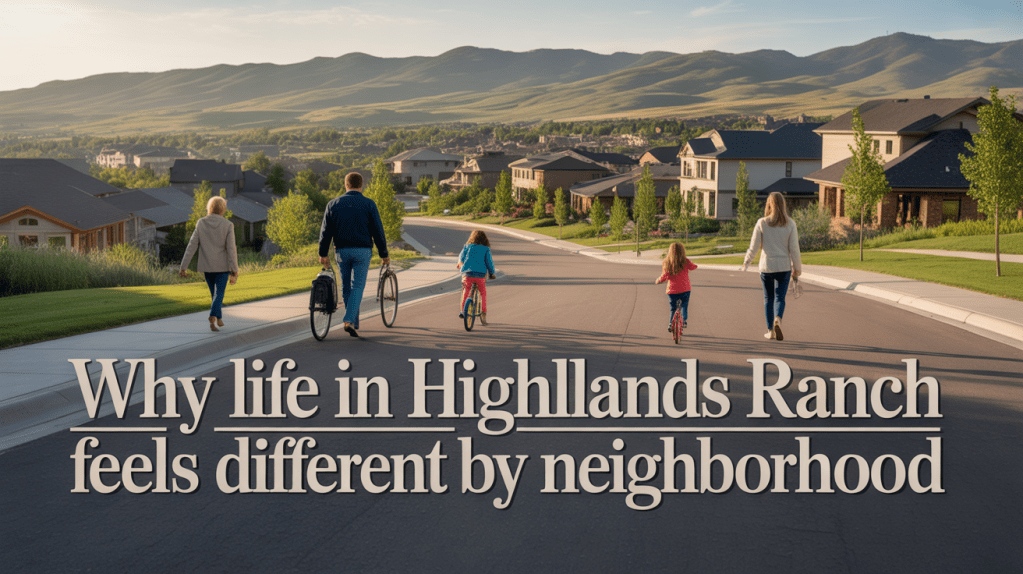
Highlands Ranch is not a single lifestyle environment — and oversimplifying it often leads to mismatched expectations.
Lifestyle variation here comes from:
- Different Douglas County school feeder patterns and open enrollment options.
- Which rec center (Eastridge, Northridge, Westridge, Southridge) anchors your week.
- Proximity to major corridors like C‑470, Santa Fe, and University versus more interior pockets.
- Access to the Highlands Ranch trail network and greenbelts.
- Commute direction — DTC, downtown Denver, Littleton, or Castle Rock.
- Walkability to town centers versus full car‑based living.
- Street design, lot size, and age of subdivision — from 1980s Northridge to newer BackCountry and Firelight builds.
In Highlands Ranch, homes at the same price point can produce totally different lifestyles. One may back to quiet open space with trail access out the door; another may back to busy collector streets near schools and parks. The difference shows up in noise, commute stress, and weekend rhythm — not just finishes.
This section surfaces those realities clearly.
Schools & Family‑Driven Routines in Highlands Ranch
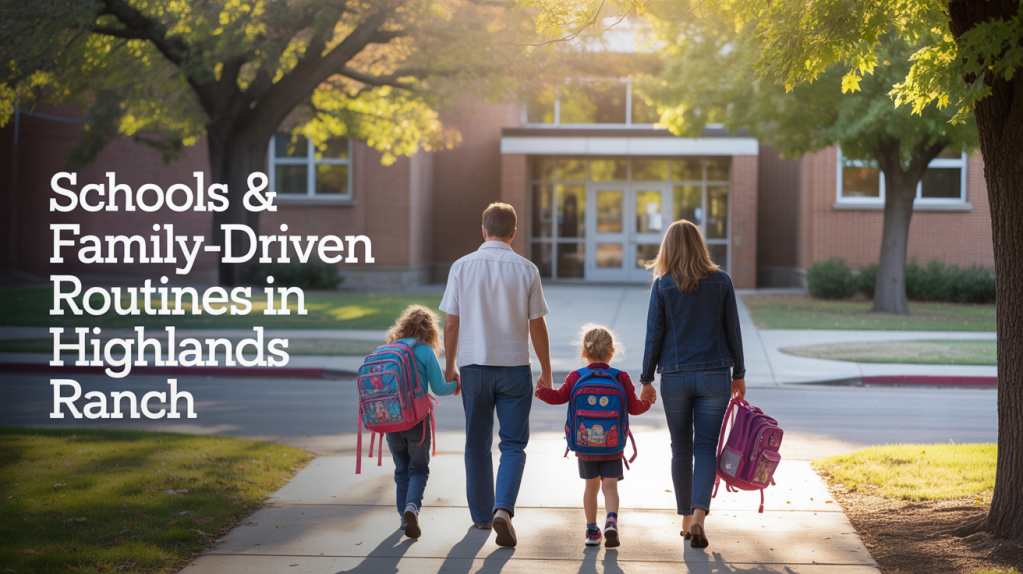
Schools quietly organize the entire cadence of life in Highlands Ranch.
Everyday realities shaped by school structure include:
- Peak morning congestion on major feeders like Wildcat Reserve, University, and Broadway.
- Bus routes and parent‑drop queues defining neighborhood traffic flow.
- After‑school sports and arts — from Shea Stadium games to DCSD tournaments.
- Weekend tournaments and rec‑center scheduling that dominate calendars.
- Stable feeder systems (Rock Canyon, Mountain Vista, ThunderRidge, Highlands Ranch) anchoring long‑term neighborhood continuity.
Deep Dives:
- Douglas County Feeder Patterns & Academic Micro‑Areas in Highlands Ranch
- Charter, Choice & Open Enrollment in Highlands Ranch
- How School Calendars Shape Family Logistics in Highlands Ranch
- Public vs Private Options & Lifestyle Fit in Highlands Ranch
This section focuses not on rankings but on the ripple effects — from morning commutes to evening routines — that schools embed into everyday life.
Dining, Shopping & Local Social Life

Highlands Ranch doesn’t have a traditional downtown — instead, its social life clusters around four primary town centers and nearby Lone Tree or Littleton. The experience depends on where you live and which hubs anchor your week.
Residents near Town Center North & South blend errands, dining, and gym visits into one loop. Those near Westridge or Highlands Walk frequent neighborhood restaurants, breweries, and parks. Eastern residents lean toward Central Park or Lone Tree’s RidgeGate, mixing local and regional options.
Social culture here values consistency over novelty — neighborhood breweries, brunch spots, and patios host regular meet‑ups, not one‑off events. Chain restaurants mix with strong local favorites, and “dining out” often slots between school events and youth sports rather than replacing them.
Deep Dives:
- Everyday Restaurants & Cafés Highlands Ranch Residents Actually Use
- Neighborhood vs RidgeGate Dining Culture
- Date‑Night & Weekend Options Near Highlands Ranch
- Coffee & Morning Routine Patterns in Highlands Ranch
- Breweries & Low‑Key Hangouts in Highlands Ranch
Parks, Trails & Recreational Living
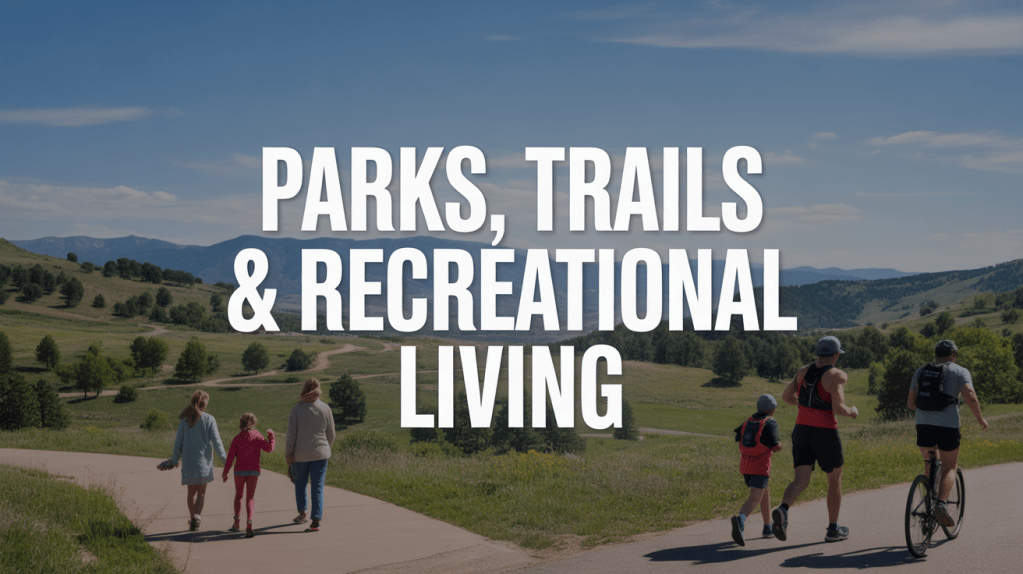
Outdoor life is deeply woven into Highlands Ranch routines — not reserved just for weekends. Over 2,700 acres of open space and 70+ miles of trails make walking, biking, and quick resets easy without leaving your neighborhood.
The area’s master‑planned open spaces create different patterns:
- Interior neighborhoods (Eastridge, Northridge) rely on nearby parks and short trail loops.
- Western neighborhoods (Westridge, BackCountry) connect directly to open space and mountain views.
- Eastern areas (Firelight, Southridge) combine rec‑center access with structured community parks.
The practical difference? Some residents see the trails daily; others plan outings around kids’ sports or free weekends.
Deep Dives:
- Connected Trail Systems & Daily Use in Highlands Ranch
- BackCountry & Western Ridge Lifestyle Patterns
- Neighborhood Parks vs Regional Access in Highlands Ranch
- How Open Space Access Shapes Well‑Being
Commutes, Traffic & South‑Metro Movement Patterns
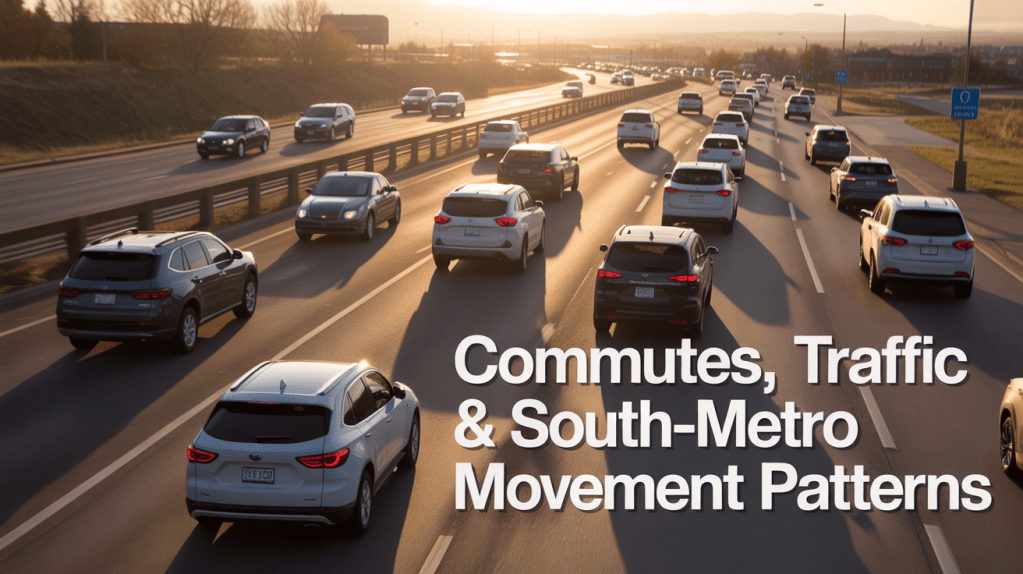
Even though Highlands Ranch is designed for suburban function, commute patterns shape daily stress levels.
Most residents rely on C‑470, Santa Fe, or University to reach DTC, Littleton, or Denver. Morning crush points include:
- Broadway and University near school zones.
- Santa Fe near Mineral and C‑470.
- Quebec heading toward I‑25.
Many households build schedules around traffic—early work starts, flex hours, or remote days timed to avoid bottlenecks.
Weekend traffic often shifts toward ski trips, shopping near Park Meadows, and airport runs. For many, the commute experience defines which neighborhoods “fit” long‑term.
Deep Dives:
- C‑470 vs Santa Fe Commute Strategies
- School‑Hour Congestion Patterns in Highlands Ranch
- Remote Work Compatibility by Neighborhood
- Weekend Traffic & Travel Patterns from Highlands Ranch
C‑470, Santa Fe & Regional Access
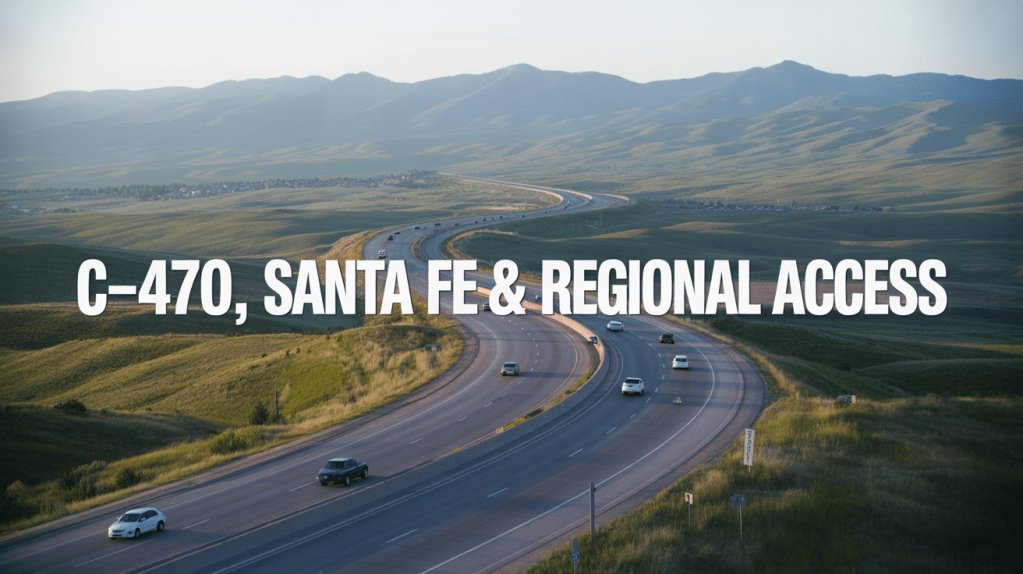
Highlands Ranch offers powerful regional connectivity, even though most daily life stays local.
C‑470 and Santa Fe anchor north‑south and east‑west access, while University, Broadway, and Lucent handle local flow. For DIA or mountain trips, the combination of C‑470 and E‑470 makes regional travel practical but toll‑dependent.
Residents value functional flexibility more than car‑free mobility:
- Easy access to DTC, Denver, and Littleton.
- Predictable airport routes.
- Quick access to I‑25 or US‑285 for mountain weekends.
Deep Dives:
- When C‑470 Access Actually Matters for Daily Life
- Airport & Regional Travel Realities
- Mountain Access from Highlands Ranch Neighborhoods
Events, Entertainment & Community Culture

Entertainment in Highlands Ranch revolves around community life — not nightlife.
Residents are more likely to:
- Attend outdoor concerts at Civic Green Park or Highlands Heritage Park.
- Join HOA‑sponsored events, summer festivals, or farmers markets.
- Meet friends at breweries, sports bars, or patios near Westridge or Highlands Walk.
Most “nights out” combine convenience and predictability — dinner locally, a short event, then home before midnight. The energy here is low‑key but active, emphasizing connection over crowds.
Deep Dives:
- Community Events Highlands Ranch Residents Actually Attend
- Farmers Markets & Family Festivals
- Live Music & Outdoor Evenings Around HR
- Family‑Friendly Evenings & Local Social Spots
Seasonal Living in Highlands Ranch
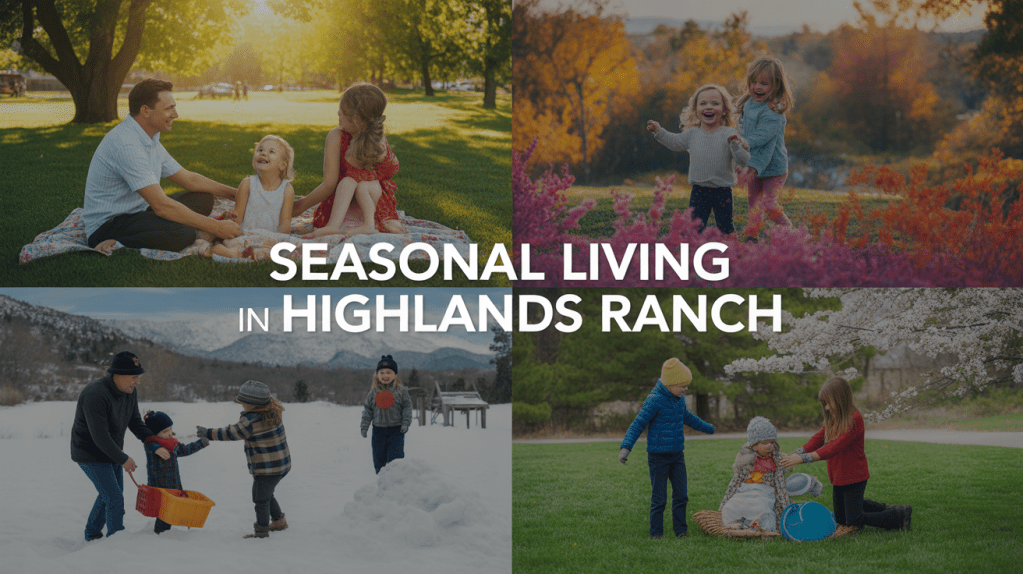
Seasons strongly shape how life feels in Highlands Ranch.
- Winter: Colder temps and shorter days shift focus indoors — school gyms, the rec centers, and home projects dominate. Snow events briefly reshape traffic and jog routines.
- Spring/Summer: The outdoor network comes alive — bike rides on the trails, splash pads, backyard barbecues, open‑air concerts, and sports tournaments fill calendars.
- Fall: Calm, balanced months with full school schedules, steady weather, and the year’s most comfortable days for outdoor routines.
This regular rhythm makes Highlands Ranch highly livable — routines flex seasonally, but rarely break.
Deep Dives:
- Winter Mobility & Snow Management Across the Ranch
- Seasonal Event Density & Outdoor Life
- Trail & Park Usage Over the Year
- Climate Comfort & Lifestyle Adaptation in Highlands Ranch
Experience, Authority & How This Hub Is Built
This Highlands Ranch Lifestyle Hub is written and updated by a Colorado real estate professional with ongoing, direct experience in Douglas County — not aggregated data.
Its insights come from:
- First‑hand local market work.
- Resident interviews and client case studies.
- Continuous observation of school, commute, and neighborhood patterns.
- Regular updates as infrastructure and community culture evolve.
This is not a static article — it’s a living reference built for real‑world use.
Who This Hub Is For
This guide is for people who want to understand how Highlands Ranch actually functions:
- Long‑time residents reassessing lifestyle fit.
- Families balancing space, school, and schedule.
- Buyers comparing east‑ vs west‑side trade‑offs.
- Professionals aligning commute, recreation, and home base.
It’s not a relocation pitch — it’s Highlands Ranch lifestyle intelligence.
Frequently Asked Questions About Life in Highlands Ranch

Is Highlands Ranch suburban or urban in daily life?
Firmly suburban — but deeply connected. Routines center on local schools, trails, and shopping, with quick access to Denver or DTC when needed.
How much do school boundaries matter?
A lot. Feeder patterns influence traffic, community, and how long families stay put.
What’s the local dining and nightlife scene like?
Convenient, family‑friendly, and low‑key. You’ll find strong local favorites and breweries, but not a dense downtown nightlife.
How bad is traffic?
Manageable but structured. Key corridors back up at rush and school times — timing matters as much as distance.
How different do seasons feel?
Noticeably. Each season reorganizes daily life, from winter indoor routines to summer trail and pool season.
Talk With a Highlands Ranch Lifestyle Expert
If you’re weighing neighborhoods, evaluating schools, or testing how Highlands Ranch fits your family’s rhythm, a conversation often beats another hour of research.
You can contact me directly to walk through how daily life actually functions — rec centers, trail access, commutes, and neighborhood character — so you can choose not just a home, but a lifestyle that works long‑term.