


Last updated March 29th, 2026
This Aurora Real Estate Guide serves as the central hub for understanding the Aurora housing market — including buying, selling, pricing trends, and neighborhood-specific insights across the greater Aurora community.
Neighborhoods • Market Insight • Local Lifestyle
Your complete guide to buying, selling, and living in Aurora, Colorado. Explore local neighborhoods, housing market trends, lifestyle considerations, and expert guidance to help you make confident real estate decisions in one of the Denver metro’s largest and most diverse cities.
Welcome to the Aurora Real Estate Guide
This page is designed to give buyers, sellers, and relocating homeowners a clear, honest, and up-to-date understanding of the Aurora real estate market — without hype, pressure, or generic national advice.
Whether you’re considering buying a home, selling a property, or simply trying to understand what it’s really like living in Aurora, this guide serves as the central hub for everything you need to know about Aurora real estate, housing costs, neighborhoods, and long-term market dynamics.
Aurora offers a very different experience than downtown Denver, master-planned suburbs, or foothill communities, and understanding those differences is critical before making a move.
Jump To
Aurora, CO Real Estate Market Update – Week of March 29th, 2026
Aurora’s housing market is keeping things pretty steady as we push through early 2026, with values holding firm overall but showing just a whisper of softness now that the holiday dust has settled. You’ll see recent sales landing mostly in the mid-$500,000s to mid-$600,000s, really depending on the neighborhood character, whether it’s single-family or townhome, how fresh the updates are, and standout spots like those near Cherry Creek schools or the Anschutz hub that keep pulling top dollar. It’s not dramatic—solid homes in prime pockets aren’t budging much, but anything dated or ambitiously priced is feeling the nudge to come down a bit.
Days on market have eased up a touch from the fall rush, stretching toward 50-60 days for many unless they’re comp-smart and staged like a model home—classic January mode where buyers test the waters post-New Year’s, not some demand cliff. Turnkey listings in family-friendly Aurora enclaves still spark quick interest and multiple offers, while fixer-uppers or stretch-priced ones linger, often needing a trim to get showings converted. That’s the rhythm right now, giving patient shoppers an edge without scaring off sellers entirely.
Inventory’s comfortably up from those wild spring highs, opening up real choice for folks in entry- and mid-price ranges where you can now eyeball several similar options and push for repairs, credits, or even that dream granite swap. Buyers are loving the breathing room to nitpick inspections without FOMO, especially on homes screaming for cosmetic love, while the broader selection keeps momentum without flooding the streets. Dig into Redfin’s Aurora trends for the latest on those 57-day averages and $450K medians.
All told, Aurora’s sitting balanced with buyers enjoying a gentle upper hand—no crash vibes, just smarter pacing into 2026. Sellers who hit the pricing nail on the head and polish up their listing from day one snag the early demand; overreachers watch adjustments pile up. Zillow’s home value tracker and Colorado Realtors’ market notes paint the full picture of this selective suburban shift.
Aurora Real Estate Market Overview
Aurora’s housing market reflects its size, diversity, and geographic scale — stretching from established neighborhoods near Denver to newer developments, employment centers, and master-planned communities further east and south.
Over the past decade, Aurora has experienced:
• Strong long-term home price appreciation
• Ongoing new construction alongside established resale neighborhoods
• Consistent buyer demand driven by affordability, employment access, and housing variety
Unlike smaller or more uniform suburbs, Aurora’s market is shaped by neighborhood-level differences in age, design, school boundaries, commute access, and proximity to major employers rather than a single dominant housing style. Inventory and pricing can vary significantly depending on location, development era, and buyer profile.
Understanding how the Aurora market behaves — instead of relying on metro-wide averages — is essential to making informed decisions here.
This guide breaks down Aurora real estate from a local, practical perspective so you can decide what truly aligns with your goals.
What It’s Really Like Living in Aurora
Living in Aurora appeals to buyers seeking choice — in home styles, price points, neighborhoods, and lifestyle options — within one of the most opportunity-rich areas of the Denver metro.
From established neighborhoods near the Denver border to newer master-planned communities, golf course developments, and family-oriented subdivisions, the living experience in Aurora varies widely by location. Commute patterns, school zoning, access to employment centers, and proximity to parks and recreation all play a major role in daily life.
Aurora is especially popular with:
• Buyers seeking more space and value than central Denver
• Homeowners prioritizing proximity to major employers and medical centers
• Families looking for housing options across multiple price points
Cost of living, neighborhood layout, and long-term growth patterns should be evaluated carefully before buying or relocating.
👉 Start here:
Living in Aurora: What It’s Really Like (Pros, Cons & Cost of Living)
Buying a Home in Aurora
Buying a home in Aurora requires a neighborhood-by-neighborhood approach. There is no single “Aurora market” — pricing, competition, and buyer leverage vary significantly depending on location, home age, development type, and proximity to employment centers and amenities.
Key considerations include:
• New construction vs resale homes
• School boundaries and long-term zoning
• Commute access to Denver, DTC, and major employers
Because Aurora offers both established housing and ongoing development, buyers must evaluate tradeoffs between location, price, commute, and future appreciation potential.
The resources below walk through the buying process with an Aurora-specific lens.
Selling a Home in Aurora
Selling a home in Aurora requires strategic positioning. Buyers compare homes closely within similar price bands, neighborhoods, and development types, and pricing accuracy is critical.
Presentation, timing, and market context matter. Factors such as location, condition, layout, and proximity to employment hubs or schools can significantly influence buyer demand and final sale price.
This guide includes seller-focused resources explaining:
• What buyers are paying top dollar for
• How timing impacts Aurora home sales
• How to price correctly based on your specific neighborhood
Aurora Real Estate Trends: Prices, Inventory & Demand
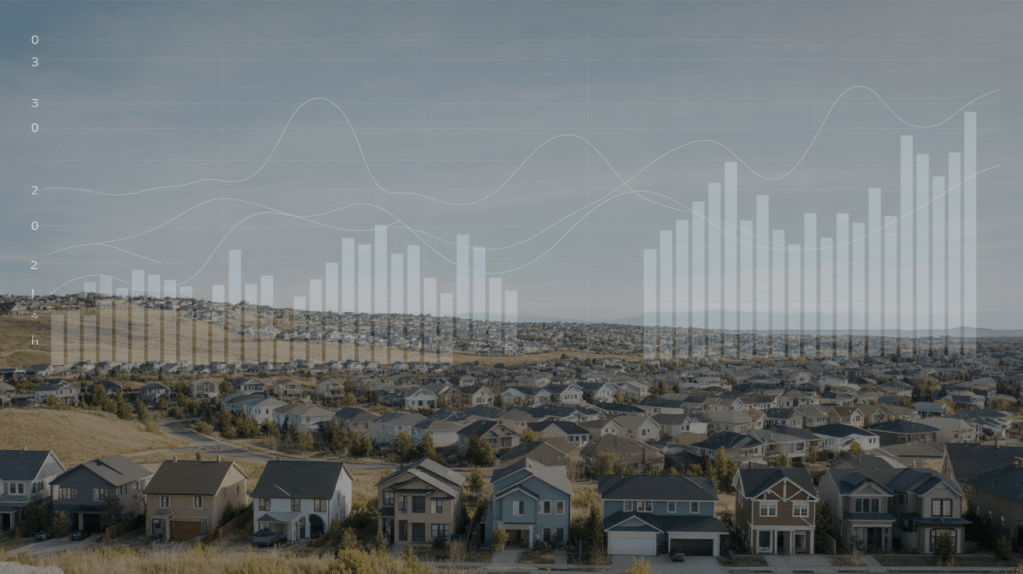
Long-term trends shaping Aurora real estate include:
• Ongoing population growth
• Continued housing development in select areas
• Stable demand driven by employment access and affordability
Because Aurora continues to evolve, pricing and competition can behave differently here than in fully built-out suburbs. Understanding how inventory levels, buyer demand, and pricing trends interact locally can reveal opportunities that broader Denver-metro data may overlook.
Explore Aurora Real Estate Topics
The following in-depth guides break Aurora real estate into focused topics. Each article explores one specific aspect of buying, selling, or living in Aurora so you can dive deeper based on what matters most to you.
Living in Aurora
• Living in Aurora: What It’s Really Like (Pros, Cons & Cost of Living)
Buying a Home in Aurora
• Is Aurora a Good Place to Buy a Home Right Now?
• How Much House You Can Afford in Aurora
• Buying a Home in Aurora: Step-by-Step Guide
• First-Time Homebuyer Guide to Aurora
• New Construction vs Resale Homes in Aurora
• What $500K, $750K, $1M, and $2M Buy You in Aurora
Selling a Home in Aurora
• Selling a Home in Aurora: What Buyers Are Paying Top Dollar For
• Best Time of Year to Sell a Home in Aurora
• How Long Homes Take to Sell in Aurora
• Should You Renovate Before Selling in Aurora?
• How to Price Your Aurora Home Correctly
Neighborhoods & Lifestyle
• Best Aurora Neighborhoods by Commute & Lifestyle
• South Aurora vs Central Aurora: Where Buyers See the Most Value
• Aurora Neighborhoods Near Major Employers
• Older vs Newer Sections of Aurora: What Buyers Prefer
• Underrated Aurora Neighborhoods Buyers Overlook
Long-Term Value & Investment
• Property Taxes & Ownership Costs in Aurora
• Is Aurora Real Estate a Good Long-Term Investment?
• How Aurora Real Estate Has Changed Over the Last 10 Years
• Aurora vs Other Denver Suburbs: Which Holds Value Best?
Luxury Buyers
• Why Luxury Homes in Aurora Appreciate Differently Than Other Denver Suburbs
• The Hidden Risk of Over-Improving a Luxury Home in Aurora
• When Luxury Buyers Walk Away in Aurora — Even at the Right Price
Relocation Buyers
• What Relocating Buyers Misjudge About Aurora vs Other Denver Suburbs
• Why Some Relocating Buyers Choose Aurora First
• How Lifestyle Priorities Shift 6 Months After Relocating to Aurora
First-Time Homebuyers
• The First-Time Buyer Tradeoff Nobody Explains in Aurora
• Why First-Time Buyers Often Overpay in Competitive Aurora Neighborhoods
• What First-Time Buyers Regret Most After Buying in Aurora
Investors
• Why Some Aurora Rentals Look Great on Paper but Underperform Long-Term
• Appreciation-First vs Cash-Flow-First Investing in Aurora
• How Zoning, Lot Size, and Layout Impact Investment Flexibility in Aurora
Aurora Real Estate FAQs
Is Aurora a good place to live?
Yes. Aurora offers diverse neighborhoods, strong employment access, and housing options across a wide range of price points. It appeals to buyers seeking value, opportunity, and long-term growth within the Denver metro.
How expensive is Aurora compared to Denver?
Aurora is generally more affordable than central Denver, offering larger homes and newer construction options in many areas. Pricing varies significantly by neighborhood and proximity to employment centers.
What types of homes are common in Aurora?
Aurora features a wide mix of housing, including established single-family neighborhoods, townhomes, condos, and newer master-planned developments. Buyers can choose between resale homes and new construction depending on location.
Does Aurora have HOAs?
Many newer communities and townhome developments in Aurora have HOAs, while older neighborhoods often do not. HOA rules and costs vary widely by subdivision.
Is Aurora good for commuters?
Yes. Aurora offers access to major employment hubs, light rail lines, and highway corridors connecting to Denver, the Tech Center, and DIA. Commute times vary by location within the city.
Are Aurora home prices still rising?
Long-term prices have trended upward due to population growth and employment demand. Short-term pricing depends on interest rates, inventory, and neighborhood-level conditions.
Final Thoughts
Aurora real estate is about understanding scale, neighborhood differences, and long-term growth patterns — not chasing headlines or averages.
This guide will continue to grow as new Aurora-specific resources are added, but the fundamentals outlined here form the foundation for buying, selling, and living in Aurora with clarity and confidence.
If you’re planning a move, considering a purchase, or thinking about selling, this guide is built to help you make informed decisions based on real local insight — not generic advice.
This guide is maintained by Chad Cabalka, lead broker of Mile High Home Group, with over 15 years of experience helping buyers and sellers navigate the Denver metro real estate market.