


This hub is part of the larger Homeownership 101 Guide → [Homeownership 101]
A Practical Guide to Understanding, Planning, and Managing the True Cost of Owning a Home
Cash Flow • Fixed vs Variable Costs • Risk Buffers • Long-Term Planning • Financial Wear
Overview
The Ownership Costs & Budget Planning Guide is a practical, reality-based resource for homeowners who want to understand what owning a home actually costs over time—not just what shows up in the mortgage payment.
Most homeowners are handed a monthly payment, an escrow estimate, and a closing statement—but very little guidance on how ownership expenses evolve, compound, and fluctuate year over year. Costs are often treated as static, predictable, or “mostly fixed,” when in reality they change continuously throughout ownership.
Homes create financial systems. Taxes, insurance, utilities, maintenance, reserves, upgrades, and capital replacements all operate on different timelines, increase at different rates, and apply pressure unevenly. Many of the most stressful ownership moments come not from bad purchases—but from underestimating how costs accumulate.
This guide focuses on how ownership expenses behave over years of ownership, which costs tend to rise fastest, how timing and planning matter, and how small financial decisions quietly shape long-term flexibility, comfort, and resale outcomes.
Use this resource as a budgeting framework—not a monthly spreadsheet.
Explore This Guide
Last updated: January 2026
How Ownership Costs Actually Change Over Time
Most ownership costs don’t spike suddenly—they rise gradually. Expenses increase unevenly based on property type, location, usage, inflation, and maintenance history.
Some costs are predictable (taxes, insurance, utilities). Others escalate quietly (repairs, replacements, deferred upgrades). The most disruptive expenses are often the ones homeowners didn’t budget for at all.
Homes are easiest to manage financially when costs are anticipated early—before pressure builds.
In practice, ownership cost growth is driven less by purchase price and more by:
Expense timing
Inflation and market cycles
Usage and lifestyle changes
Deferred decisions
Ignoring cost progression doesn’t save money—it delays stress.
Common Budgeting MISTAKES New Homeowners Make
Most homeowners don’t budget poorly on purpose—they misunderstand risk timing.
The most damaging budgeting mistakes rarely cause immediate problems. Instead, they narrow options quietly and reduce flexibility later.
Common issues include:
Treating ownership costs as fixed
Budgeting only for “expected” expenses
Underestimating irregular or annual costs
Assuming escrow equals total cost
Failing to build reserves early
Related deep dives:
Why Mortgage Payment ≠ Monthly Ownership Cost
The First-Year Cost Surprises Most Owners Miss
How Escrow Masks Real Expense Growth
Why Cash Flow Feels Tighter Over Time
Budgeting for the House You’ll Own in Five Years
Understanding Fixed vs Variable Ownership Expenses
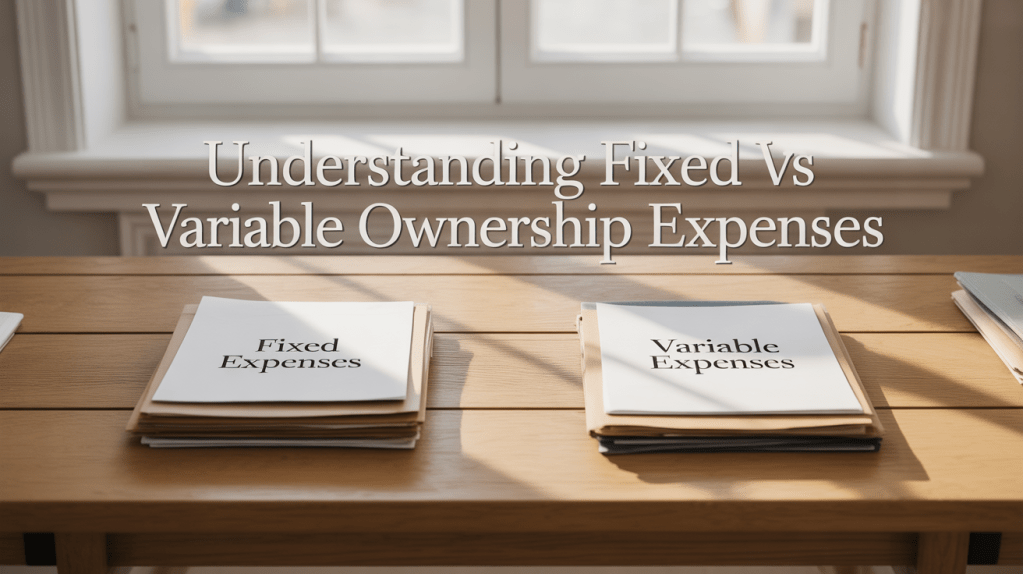
Every home has both fixed and variable costs—but few homeowners separate them clearly.
Understanding which expenses are stable and which fluctuate allows for better planning and fewer surprises.
Common fixed or semi-fixed costs include:
Mortgage principal and interest
Property taxes
Insurance premiums
HOA dues
Variable and escalating costs often include:
Maintenance and repairs
Utilities
Capital replacements
Upgrades and improvements
The goal isn’t certainty—it’s preparation.
Related deep dives:
Fixed Costs That Aren’t Actually Fixed
Why Variable Costs Drive Most Budget Stress
Planning Around Cost Volatility
How Usage Changes Monthly Expenses
Separating Lifestyle Spend from Ownership Spend
Planning for Large Expenses Without Financial Shock
Major ownership costs are rarely emergencies—they’re usually poorly timed.
Understanding replacement windows, reserve targets, and planning horizons allows homeowners to avoid forced decisions and high-interest solutions.
Large expenses often include:
Roof replacement
Mechanical system replacement
Exterior updates
Insurance deductibles
Planning isn’t about predicting exact dates—it’s about readiness.
Related deep dives:
How Much to Keep in a Home Reserve Fund
Timing Large Expenses Without Panic
Why Emergency Repairs Cost More
Replacing Systems on Your Timeline
Avoiding Debt-Driven Home Decisions
Inflation, Usage, & Cost Acceleration Factors
Ownership costs don’t rise evenly. Inflation, utility rates, insurance markets, and personal usage all accelerate expenses differently.
Local and personal factors influence:
Tax reassessments
Insurance premiums
Energy usage
Maintenance frequency
Ignoring these forces leads to budget compression—even when income rises.
Related deep dives:
How Inflation Impacts Homeownership Costs
Insurance Increases Explained
Utility Costs Over Time
Designing Budgets Around Local Conditions
When Small Expenses Turn Into Budget Stress
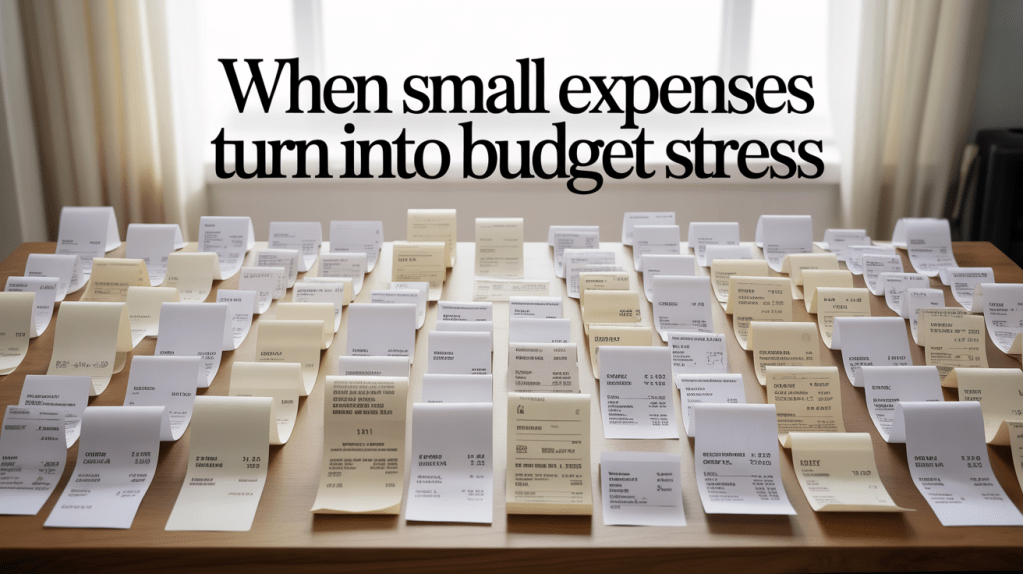
Most ownership budget stress begins with small, repeatable expenses.
Minor repairs compound. Maintenance deferrals stack. Convenience spending replaces planning. The issue isn’t size—it’s frequency.
The financial curve is rarely obvious until flexibility disappears.
Related deep dives:
The Cumulative Cost of Small Fixes
Warning Signs Your Budget Is Tightening
Why “It’s Not That Much” Adds Up
Cash Flow vs Net Worth Stress
Stopping Cost Creep Early
Proactive Planning vs Reactive Spending
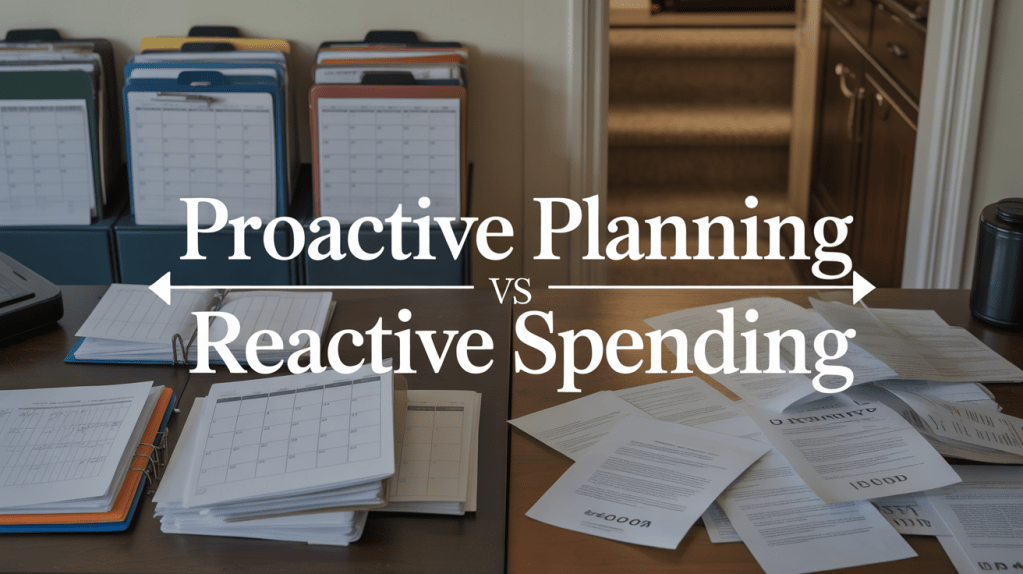
Every homeowner reacts sometimes. The difference is how often—and at what cost.
Some expenses are worth delaying. Others grow rapidly when ignored.
Smart planning balances:
Monthly cash flow
Reserve growth
Timing flexibility
Risk tolerance
Related deep dives:
What You Can Safely Delay—and What You Can’t
Planning Ownership Like a Business
Repair vs Replace vs Defer
Budgeting for Ongoing Ownership
Turning Irregular Costs Into Predictable Ones
What Budgeting Can—and Cannot—Control
Strong budgeting can:
Reduce financial stress
Smooth large expenses
Improve decision quality
Protect flexibility
It cannot:
Stop aging
Eliminate all surprises
Prevent market shifts
Remove the need for reserves
Budgeting manages risk—it doesn’t remove it.
Closing Perspective

Homeownership isn’t just about affording a purchase—it’s about managing an evolving financial obligation over time.
Homes reward owners who understand how costs change, plan ahead for large expenses, and maintain flexibility before urgency forces poor decisions. Budgeting isn’t about restriction—it’s about control.
This guide exists to help homeowners think cost-aware, forward-looking, and resilient—so ownership feels intentional instead of reactive.
This resource is maintained by Chad Cabalka, lead broker of Mile High Home Group, drawing on years of experience advising homeowners through affordability planning, long-term ownership costs, and financial decision-making across the Denver metro.