


The Denver Lifestyle Hub is a comprehensive, real-world resource designed to help residents, buyers, and long-term planners understand how life in the Denver metro area actually works — across neighborhoods, daily routines, amenities, culture, and movement patterns.
This hub focuses on how people live, not how they relocate.
Denver is often described in broad strokes — “outdoorsy,” “active,” “family-friendly,” “urban-meets-mountain” — but those labels hide enormous variation. Day-to-day life in Denver depends heavily on where you are, how you move, and what you prioritize. Two households living fifteen minutes apart can experience entirely different versions of the city.
This hub exists to replace assumptions with clarity.
Compare Denver to Surrounding Metro Lifestyle Guides
If you’re exploring life in Denver, it often helps to compare how surrounding communities function day to day. These lifestyle guides break down differences across the metro — including commute flow, neighborhood character, recreation access, schools, and long-term livability.
Lifestyle Alignment • Daily Functionality • Long-Term Fit
Rather than broad city overviews, promotional narratives, or generic rankings, this hub examines the lived experience of Denver — how neighborhoods function Monday through Friday, how weekends are actually spent, how seasonal shifts affect routines, and how lifestyle choices intersect with housing, work, school schedules, recreation, and social life.
This is not a surface-level look at Denver.
It is a functional, on-the-ground view of how the metro truly operates.
Explore This Guide
Last updated: January 2026
How Denver Lifestyle Actually Varies by Area
Denver is not a single lifestyle market — and treating it as one leads to mismatched expectations.
Lifestyle variation in Denver is driven by a combination of:
- School district boundaries and enrollment logistics
- Commute corridors, bottlenecks, and directional flow
- Access to parks, trails, and usable open space
- Dining density versus destination-based amenities
- Airport proximity and transit practicality
- Seasonal weather exposure and neighborhood microclimates
A home’s price point or architectural style reveals very little about how daily life will feel. In Denver, lifestyle differences often remain invisible until you live them — traffic rhythms, sound levels, winter sun exposure, or how frequently residents leave their immediate area.
This hub is designed to surface those realities clearly and responsibly.
Schools & Education Lifestyles

Schools in Denver shape daily life far beyond academics.
Education influences:
- Morning and Afternoon Traffic Patterns
- Daily Schedules for Families
- Community Engagement and Social Networks
- After-School Activities, Sports, and Evening Routines
- Weekend Commitments Tied to School Culture
- Top Private Schools In Denver Proper
- Top Ranked DPS High Schools
- Top Ranked DPS Middle Schools
- Top Ranked DPS Elementary Schools
This section explores how school districts differ in structure, enrollment models, and operational culture — including how boundary systems, choice enrollment, and feeder patterns affect predictability and lifestyle stability.
The focus is not rankings alone, but how school structure affects real life.
Restaurants, Dining & Local Culture

Denver’s dining and social culture is deeply neighborhood-driven.
Where you live influences:
- Whether Dining Is Spontaneous or Planned
- How Walkable Social Life Feels
- How Late Areas Stay Active
- Whether Venues Cater to Families, Professionals, or Nightlife Crowds
- How Often Residents Host Locally Versus Travel for Dining
- Best Sports Bars in Denver
- Best Elegant Dining in Denver
- Best Date Night Restaurants in Denver
- Best Restaurants Only Locals Know About
- Best Cocktail Bar in Denver
Parks, Trails & Outdoor Access

Outdoor access is central to Denver’s identity — but it is not evenly distributed or equally usable.
This section distinguishes between:
- Theoretical Access and Daily Usability
- Neighborhoods Where Outdoor Activity Is Routine Versus Occasional
- Parks Designed for Active Use Versus Passive Space
- Trail Systems That Integrate Into Daily Life
- Best Hikes within 30 Minutes of Denver
- Outdoor Spots Only Denver Can Claim
- Best Parks Denver Has to Offer
- Which Ski Resorts the Locals Live For
Proximity alone doesn’t determine lifestyle — usability does.
Commutes, Traffic & Daily Movement
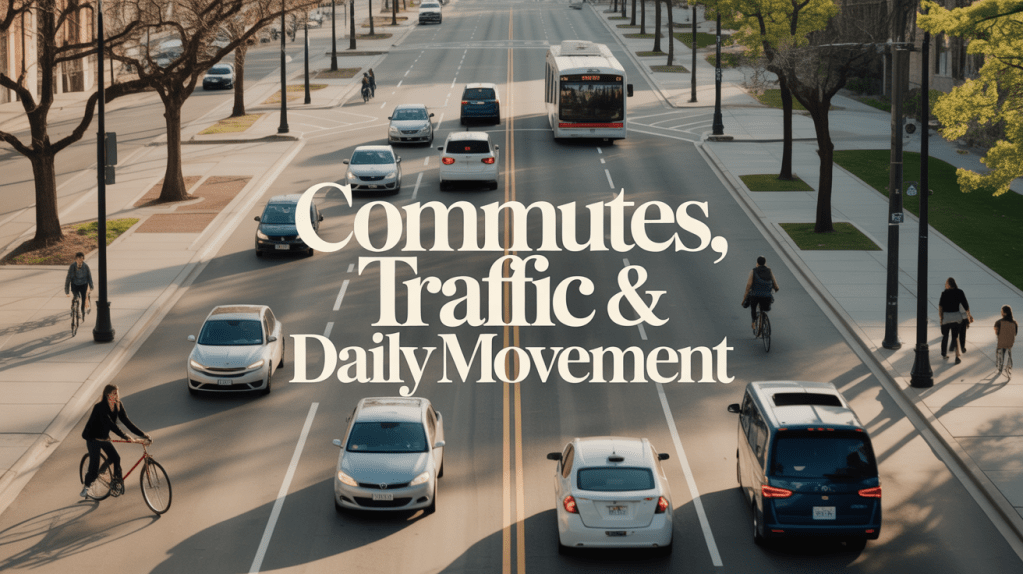
Commute dynamics are one of the most underestimated lifestyle variables in Denver.
This section analyzes:
- Directional Traffic Realities
- Consistent Congestion Zones
- Reverse Commute Advantages and Tradeoffs
- Remote-Work Compatibility by Area
In Denver, commute impact is driven more by direction and timing than distance.
DIA, Light Rail & Transit Access

Airport and transit access meaningfully shape lifestyle for frequent travelers and commuters.
This section focuses on:
- Practical DIA Access, Not Theoretical Distance
- Transit Usability Versus Station Proximity
- Park-and-Ride Versus Walkable Transit Lifestyles
- Areas Where Transit Replaces Driving — and Where It Doesn’t
Function matters more than maps.
Sports, Entertainment & Nightlife

Entertainment access affects both enjoyment and neighborhood dynamics.
This section explores:
- Sports and Event Traffic Patterns
- Denver Has Become A City of Champions & Locals Live For It
- How the Broncos Proposed New Stadium Could Change Denver Real Estate
- Live Music, Theater, and Arts Districts
- Is Red Rocks Truly Worth the Hype
- Late-Night Activity Zones
- Family-Oriented Entertainment Hubs
Some neighborhoods thrive on energy; others prioritize quiet. Both are valid — but very different.
Seasonal Living in Denver

Denver is a four-season city, and lifestyle shifts meaningfully throughout the year.
This section covers:
- Winter Livability Differences
- Snow Management and Walkability
- Sun Exposure and Microclimates
- Seasonal Crowding and Tourism Impact
Seasonality shapes routines more than most people expect.
Experience, Authority & How This Hub Is Built
This Denver Lifestyle Hub is written, maintained, and updated by a Denver-based real estate professional who works across the metro area daily — not by scraping data or producing generic summaries.
Every section reflects:
- First-hand, on-the-ground experience
- Direct client feedback across hundreds of conversations
- Ongoing observation of how neighborhoods actually function
- Regular updates as infrastructure, schools, and lifestyle patterns change
This is a living resource, built with accountability and reviewed continuously.
Who This Hub Is For
This hub is built for people who want to understand how Denver actually feels to live in, including:
- Long-term residents reassessing priorities
- Buyers focused on daily experience over aesthetics
- Families balancing schools, schedules, and amenities
- Professionals managing commute, travel, and leisure
- Anyone seeking clarity before committing to a location
This is not a relocation narrative.
It is a Denver lifestyle intelligence hub.
Frequently Asked Questions About Living in Denver
Is Denver more urban or suburban in daily life?
Denver functions as a hybrid metro. Some neighborhoods offer dense, walkable, urban lifestyles, while others feel distinctly suburban even when close to the city core. Daily experience depends far more on neighborhood selection than proximity to downtown.
How much does commute direction really matter in Denver?
Direction matters significantly. Two commutes of equal distance can feel completely different depending on travel flow, bottlenecks, and time of day. Many residents underestimate how directional congestion shapes daily stress and scheduling.
Is Denver truly an “outdoor lifestyle” city?
Denver offers exceptional outdoor access, but daily outdoor integration varies widely. Some neighborhoods naturally support regular outdoor activity, while others require intentional planning or driving. Outdoor lifestyle is highly location-specific.
How important is school district choice to lifestyle?
School structure affects far more than education. It influences daily routines, traffic exposure, after-school commitments, and weekend schedules. Even households without children often feel the ripple effects of school-driven activity patterns.
Does light rail meaningfully replace driving?
In certain corridors, yes. In others, light rail is more symbolic than practical. Transit effectiveness depends on station access, destination alignment, and schedule reliability — not just proximity to tracks.
How different does Denver feel across seasons?
Very different. Winter sun exposure, snow management, and wind patterns affect livability more than temperature alone. Some neighborhoods feel consistent year-round; others fluctuate noticeably by season.
Who should use this hub?
Anyone making decisions that affect where and how they live — whether buying, staying put, or reevaluating priorities. This hub is designed for clarity, not hype.
Talk With a Denver Lifestyle Expert

If you’re evaluating neighborhoods, reassessing how your current area fits your life, or trying to align lifestyle priorities with long-term housing decisions, a direct conversation often brings clarity faster than more reading.
You can contact me directly to discuss how Denver neighborhoods function day to day — without pressure, scripts, or generic recommendations.
👉 Contact Chad Directly