



Owning a home in Colorado’s snow-prone areas — from the Denver metro’s west side to foothill suburbs like Evergreen and Conifer — carries expenses that extend far beyond the mortgage. Frequent snow loads, freeze-thaw cycles, and melt runoff accelerate wear on structures and systems, compounding ownership costs in ways that flatland buyers rarely anticipate. These factors influence not just annual budgets but long-term equity, as properties showing deferred maintenance lose appeal in competitive resale markets.
Accelerated Roof and Gutter Maintenance Demands
Snow accumulation of 2-4 feet during storms stresses roofs beyond design limits in many 1970s-1990s builds common along the Front Range. Ice dams form when partial melts refreeze at eaves, forcing water under shingles and into attics. Annual inspections and cleaning, often $500-$1,000, prevent $20,000+ replacements every 15-20 years instead of 30.
Gutters in shaded lots clog with ice, overflow, and damage fascia boards. In Highlands Ranch or Ken Caryl, where master plans include wooded buffers, leaf-snow mixes exacerbate this, adding $300 yearly to budgets. Proactive owners install heated cables or oversized systems, but insurance often excludes snow-related claims without documentation.
Foundation and Exterior Wear from Freeze-Thaw Cycles
Colorado’s 50-100 annual temperature swings between 20°F and 50°F drive water into soil and masonry, expanding as ice and heaving slabs or walls. Clay soils in Douglas and Jefferson counties amplify shifts, cracking driveways ($4,000-$8,000 repairs) and basements ($10,000+ for piers). Exposed north-facing homes suffer most, as snow lingers.
Siding and stucco pit from spalling, requiring repaints every 5-7 years versus 10 elsewhere. These cycles quietly erode curb appeal, impacting appraisals by 3-5% in buyer scrutiny-heavy markets.
Elevated Heating and Utility Expenses
Higher-elevation homes drop 3-5°F cooler than central Denver, extending heating seasons through Xcel Energy’s tiered natural gas rates. A 2,500 sq ft home in Golden might spend $3,500 annually, 30-50% above Aurora equivalents. Poor insulation in older stock compounds this, as wind infiltrates around aging windows.
Snow blocks vents and heat pumps, necessitating service calls ($200 each). South-facing orientations mitigate via passive solar, but north-sloping lots in Castle Pines demand zoning or supplemental electric, inflating bills during prolonged cold snaps.
| Cost Category | Annual Estimate (2,500 sq ft home) | Snow-Prone Foothills Adder | Prevention Investment |
|---|---|---|---|
| Roof/Gutter Service | $600-$1,200 | +$400 (ice dams) | $2,000 gutter guards |
| Foundation/Driveway Repairs | $500 (proactive) | +$1,500 (heave fixes) | $3,000 French drains |
| Heating/Utilities | $2,800-$3,500 | +$800 (elevation) | $5,000 insulation upgrade |
| Insurance Premium | $1,800 base | +$500 (snow load) | Roof truss certification |
Insurance Premiums and Coverage Gaps
Snow-prone areas carry 20-40% higher homeowners premiums due to collapse and water damage risks. Jefferson County homes average $2,300 yearly, versus $1,700 in southeast suburbs. Exclusions for “wear and tear” from freeze-thaw often deny claims unless pre-existing conditions prove documented.
Sellers mitigate by providing engineer reports on truss capacity; buyers negotiate credits for upgrades. Rising rebuild costs post-2021 hail storms push carriers to non-renewal in high-risk zones.
Snow Removal and Liability in HOA Communities
Manual clearing or plow services cost $50-$100 per storm, totaling $800-$1,500 seasonally for driveways over 50 feet. HOA rules in Parker or Lone Tree mandate 24-hour sidewalks, fining non-compliance $100+. Slip-and-fall liability averages $15,000 claims, covered minus deductibles.
Heated driveways ($12,000-$20,000 install) appeal in luxury pockets but raise electric bills 15%. Asphalt outperforms concrete for plow durability but cracks from salt, needing seals yearly.
Impact on Resale Value and Market Timing
Visible winter damage — heaved patios, stained ceilings — deters offers, extending days on market 30-60 days. Well-maintained homes in snow zones hold 5-8% premiums for proven resilience. Spring listings hide issues under fresh growth; fall buyers spot them, sharpening negotiations.
Commutes worsen with unplowed C-470 ramps, influencing family decisions toward east-side stock despite higher density.
Practical Strategies to Offset Hidden Costs
- Schedule pre-winter roof scans via drone for early ice dam detection.
- Install sump pumps and extend downspouts 5-10 feet from foundations.
- Audit insulation and seal drafts to cut heating 20%.
- Document all upgrades for insurance and appraisal leverage.
- Budget 10-15% above metro averages for seasonal reserves.
Conclusion: Proactive Ownership Preserves Equity
Snow-prone Colorado homes demand vigilance against cycles that erode value through maintenance, utilities, and risks. Thoughtful budgeting and upgrades transform these costs into equity builders, distinguishing resilient properties in resale. For Denver metro and foothill buyers, aligning expectations with realities ensures ownership aligns with long-term financial goals.
Reach out for detailed cost modeling on snow-prone Colorado real estate in your target area.


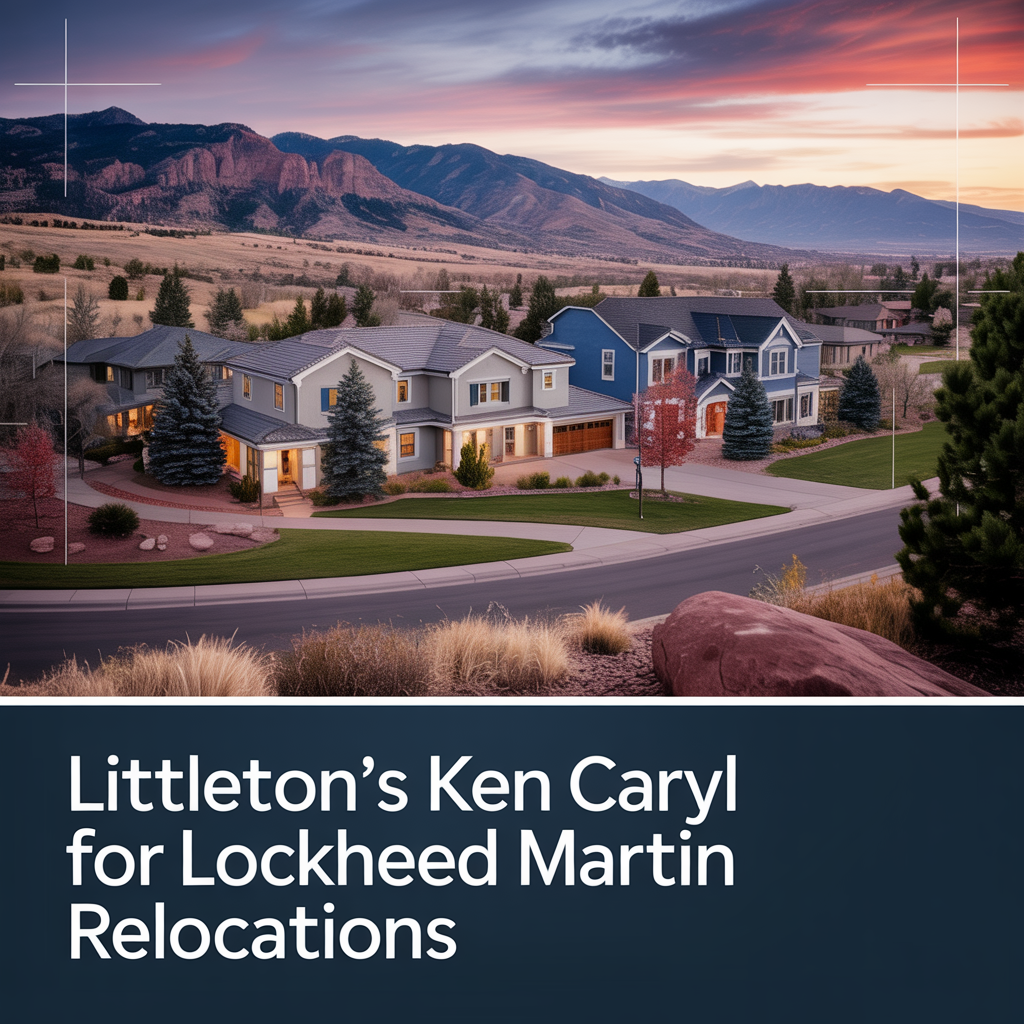
Littleton’s Ken Caryl for Lockheed Relocations
This is part of Lockheed Martin Relocation → [Lockheed Martin Relocation Hub] & the larger Denver Relocation Hub → [Denver Relocation Hub] Written by: Chad Cabalka Ken Caryl is one of the best-kept “family first” relocation options for Lockheed Martin employees who want foothills scenery, strong neighborhood appeal, and a real suburban lifestyle that still feels connected…


Centennial & Parker for Lockheed Relocations
This is part of Lockheed Martin Relocation → [Lockheed Martin Relocation Hub] & the larger Denver Relocation Hub → [Denver Relocation Hub] Written by: Chad Cabalka Centennial and Parker are two of the smartest suburban choices for Lockheed Martin employees relocating with families because they give you a strong balance of commute flexibility, good neighborhood variety, and…

Highlands Ranch for Family-Friendly Lockheed Relocations
This is part of Lockheed Martin Relocation → [Lockheed Martin Relocation Hub] & the larger Denver Relocation Hub → [Denver Relocation Hub] Written by: Chad Cabalka Highlands Ranch is one of the strongest choices for Lockheed Martin employees relocating with families because it delivers exactly what most parents want after a big move: stable neighborhoods, strong community…