


Phoenix Real Estate Guide
Last updated February 10th, 2026
This Phoenix Real Estate Guide is your central hub for understanding the Phoenix housing market — including buying, selling, pricing trends, and neighborhood‑specific insight across the greater Phoenix metro.
Neighborhoods – Market Insight – Local Lifestyle
Your complete guide to buying, selling, and living in Phoenix, Arizona. Explore local neighborhoods, housing market trends, lifestyle considerations, and on‑the‑ground guidance to help you make confident real estate decisions in one of the country’s fastest‑growing and most dynamic Sun Belt metros.
Explore This Guide
Jump to a section ↓
Welcome to the Phoenix Real Estate Guide

This page is designed to give buyers, sellers, and relocating homeowners a clear, grounded, and current understanding of the Phoenix real estate market — without hype, pressure, or one‑size‑fits‑all national talking points.
Whether you’re thinking about buying a home, selling a property, or simply trying to understand what it’s really like living in Phoenix, this guide serves as the central hub for everything you need to know about Phoenix home prices, neighborhoods, lifestyle trade‑offs, and long‑term market dynamics.
Phoenix offers a very different experience than smaller Arizona cities, older legacy suburbs, or master‑planned retirement communities — and understanding those differences is critical before you make a move.
Phoenix, AZ Real Estate Market Update – Week of January 10, 2026
Greater Phoenix is entering 2026 from a more stable position than a year ago, with demand improving cautiously and inventory rising at a slower, more controlled pace. Median prices across the metro have flattened to modest appreciation, with segments under roughly the mid‑$400,000s seeing softer performance and upper‑tier price points holding more firmly.
Days on market have stretched compared to the peak of the last cycle, with many homes now taking several weeks to a few months to secure a buyer unless they are priced accurately, show well, and align with today’s stricter buyer expectations. This reflects a cautious but active buyer pool rather than a collapse in demand.
Inventory remains higher than during the tightest pandemic years, giving buyers more choice and slightly better negotiating leverage, especially in the mid‑price ranges and in parts of the West Valley and outer‑ring communities where new construction competes directly with resale homes.
Well‑positioned listings — those priced in line with recent data, thoughtfully prepared, and matched to current lifestyle priorities — are still selling, while homes that overshoot value or need significant updates often sit longer and experience price reductions.
Overall, the Phoenix market is best described as balanced with a slight lean toward informed buyers in early 2026. Buyers are selective and data‑driven, and sellers who treat pricing and presentation as strategy, not guesswork, are positioned to succeed without chasing the market down.
Phoenix Real Estate Market Overview
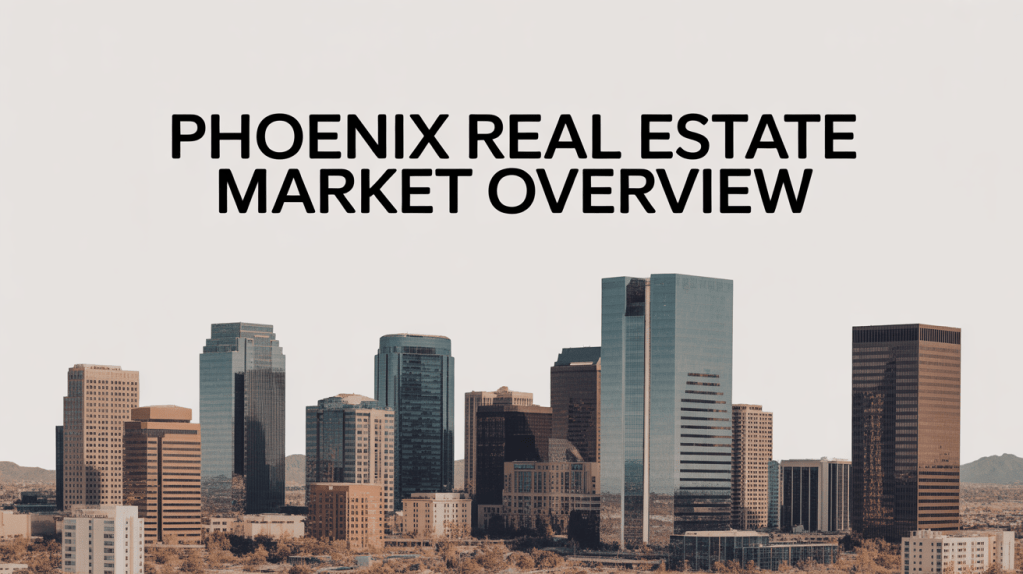
Phoenix’s housing market reflects its size, economic growth, and neighborhood‑by‑neighborhood diversity — from historic central districts and classic ranch neighborhoods to new‑build master‑planned communities stretching across the East and West Valleys.
Over the past decade, Phoenix has seen:
- Strong long‑term home price appreciation tied to job and population growth
- Significant new construction alongside established resale neighborhoods
- Consistent in‑migration from higher‑cost states and coastal metros
Unlike smaller, fully built‑out suburbs, Phoenix is shaped by a mix of infill, redevelopment, and large master‑planned projects, with pricing driven by micro‑location, school districts, commute patterns, and access to major employment hubs and freeways. Values and demand can look very different in Central Phoenix, North Phoenix, the East Valley, and the rapidly growing West Valley.
Understanding how the Phoenix market behaves at a neighborhood and corridor level — rather than relying on national headlines or metro‑wide averages — is essential to making smart decisions here. This guide breaks down Phoenix real estate from a practical, local perspective so you can decide what truly aligns with your goals.
What It’s Really Like Living in Phoenix
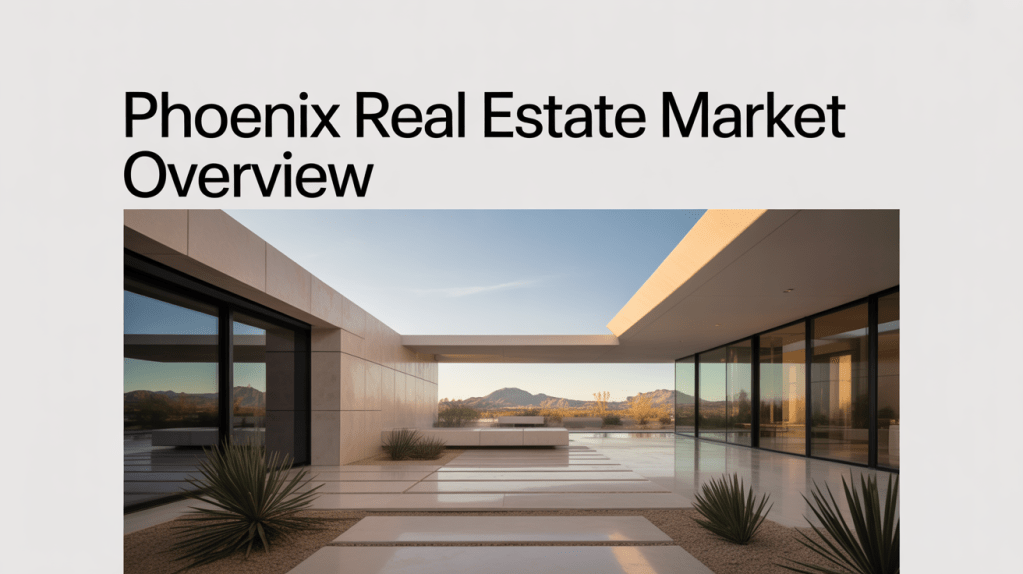
Living in Phoenix tends to attract people who value sun, space, and access — sunshine, desert scenery, and year‑round outdoor options more than dense, walk‑everywhere urban living.
From historic bungalows and mid‑century ranch homes in Central Phoenix to stucco two‑stories in master‑planned communities with pools, parks, and HOA amenities, the day‑to‑day experience shifts dramatically by neighborhood and suburb. Commute time, freeway access, school boundaries, outdoor recreation, and tolerance for summer heat all play a major role in how life actually functions.
Phoenix is especially popular with:
- Buyers seeking a lower cost of living than many coastal cities while retaining big‑city job access
- Households prioritizing sunshine, outdoor recreation, and newer housing options
- Relocating buyers who want a major metro hub with airport access and regional connectivity
Cost of living, utility bills in summer, HOA expectations, and neighborhood layout should all be weighed carefully before you buy or relocate.
👉 Start here:
Living in Phoenix: What It’s Really Like (Pros, Cons & Cost of Living) — a deep dive on climate, lifestyle trade‑offs, and what surprises new residents most.
Buying a Home in Phoenix

Buying a home in Phoenix requires a corridor‑by‑corridor approach. There is no single “Phoenix market” — pricing, competition, and buyer leverage shift meaningfully between Central Phoenix, the East Valley, the West Valley, and outlying growth areas.
Key considerations include:
- Older in‑town homes versus newer master‑planned communities
- School districts and open enrollment or choice options
- Commute patterns to downtown, medical and tech corridors, and major employment centers
Because Phoenix offers both substantial new construction and established resale neighborhoods, buyers often balance lot size, age, energy efficiency, and HOA expectations rather than choosing from one uniform set of options. The resources below walk through the buying process with a Phoenix‑specific lens so you can understand how timing, location, and product type affect your leverage.
Selling a Home in Phoenix

Selling a home in Phoenix is all about precision, timing, and understanding how your specific pocket compares to the alternatives buyers are seeing on their screens. Buyers look closely at price, condition, and location within very tight search ranges.
Presentation, photography, and micro‑location matter. Features like pool quality, outdoor living spaces, updated systems, and proximity to freeways, employment, and recreation can significantly influence showing activity and final sale price.
This guide includes seller‑focused resources explaining:
- What buyers pay top dollar for in Phoenix today (cooling systems, updates, low‑maintenance yards, and functional layouts)
- How seasonality and heat impact showing patterns and days on market
- How to price correctly based on your neighborhood, school zone, and competing new construction
Phoenix Real Estate Trends

Long‑term trends shaping Phoenix real estate include:
- Strong population and job growth across tech, healthcare, and manufacturing
- Ongoing in‑migration from higher‑cost states
- A gradual move toward a more balanced market after the extreme swings of the early 2020s
Because Phoenix still has active development pipelines but also deeply established cores, pricing and competition behave differently here than in small, fully built‑out suburbs. Understanding how inventory, mortgage rates, and local demand interact at the city and neighborhood level can reveal opportunities that broad “Phoenix is up/down” headlines tend to miss.
Explore Phoenix Real Estate Topics

The following in‑depth guides break Phoenix real estate into focused topics so you can explore what matters most to you.
Living in Phoenix
- Living in Phoenix: What It’s Really Like (Pros, Cons & Cost of Living) — climate, bills, lifestyle rhythms, and how the desert environment actually feels month to month.
Buying a Home in Phoenix
- Is Phoenix a Good Place to Buy a Home Right Now? — how today’s rates, pricing, and inventory interact for local and relocating buyers.
- How Much House You Can Afford in Phoenix — matching Phoenix‑area price points and HOA expectations with real monthly budgets.
- Buying a Home in Phoenix: Step‑by‑Step Guide — from first search and neighborhood recon to inspections, appraisal, and closing in desert conditions.
- First‑Time Homebuyer Guide to Phoenix — trade‑offs around commute, age of home, and future maintenance in a high‑heat climate.
- Newer vs Older Homes in Phoenix — energy efficiency, systems, lot size, and renovation realities across different eras of construction.
- What $400K, $600K, $800K, and $1M+ Buy You in Phoenix — example neighborhoods and home types at key price brackets across the metro.
Selling a Home in Phoenix
- Selling a Home in Phoenix: What Buyers Pay Top Dollar For — pools, outdoor living, updates, and the details that change perceived value.
- Best Time of Year to Sell a Home in Phoenix — how heat, relocation cycles, and seasonal travel shape showing patterns.
- How Long Homes Take to Sell in Phoenix — realistic timelines by area and price point in today’s market.
- Should You Renovate Before Selling in Phoenix? — which updates actually return value in this market versus money you won’t see back.
- How to Price Your Phoenix Home Correctly — reading hyper‑local data, adjusting for condition, and accounting for new‑build competition.
Neighborhoods & Lifestyle
- Best Phoenix‑Area Neighborhoods by Commute & Lifestyle — pairing job centers with day‑to‑day rhythms, parks, and amenities.
- Central Phoenix vs Suburban Corridors: Where Buyers See the Most Value — trade‑offs between older cores and newer edges.
- Phoenix Neighborhoods Near Light Rail, Freeways & Trails — who benefits most from transit access and outdoor proximity.
- Older vs Newer Sections of Phoenix: What Buyers Prefer — charm, space, and trees versus efficiency, amenities, and HOAs.
- Underrated Phoenix‑Area Neighborhoods Buyers Overlook — pockets where pricing, schools, and lifestyle quietly line up.
Long-Term Value & Investment
- Property Taxes & Ownership Costs in Phoenix — taxes, insurance, utilities, and HOA layers in a high‑heat, high‑growth metro.
- Is Phoenix Real Estate a Good Long‑Term Investment? — how job growth, migration, and supply pipelines affect long‑run returns.
- How Phoenix Real Estate Has Changed Over the Last 10 Years — from boom‑and‑bust swings to a more balanced, data‑driven market.
- Phoenix vs Other Sun Belt Metros: Which Holds Value Best? — comparing appreciation, volatility, and entry price across major growth markets.
Luxury Homes in Phoenix
- Why Luxury Homes in Phoenix Appreciate Differently — how stock markets, second‑home demand, and lifestyle buyers drive this segment.
- The Hidden Risk of Over‑Improving a Luxury Home in Phoenix — when upgrades outpace neighborhood support.
- When Luxury Buyers Walk Away in Phoenix — Even at the Right Price — layout, location, and design issues that override numbers.
Relocating to Phoenix
- What Relocating Buyers Misjudge About Phoenix — heat, commute realities, and spacing between suburbs.
- Why Some Relocating Buyers Choose Phoenix First — job access, cost of living, and flight connectivity.
- How Lifestyle Priorities Shift After Moving to Phoenix — how residents adjust routines, recreation, and spending over time.
First-Time Homebuyers
- The First‑Time Buyer Tradeoff Nobody Explains in Phoenix — balancing price, commute, HOA rules, and future maintenance.
- Why First‑Time Buyers Overpay in Competitive Phoenix Neighborhoods — bidding behavior, fear of missing out, and better strategies.
- What First‑Time Buyers Regret After Buying in Phoenix — underestimating utilities, commute, or renovation scope.
Investors
- Why Some Phoenix Rentals Underperform Long‑Term — vacancy risk, HOA restrictions, and oversupply in certain product types.
- Appreciation‑First vs Cash‑Flow‑First Investing in Phoenix — which sub‑markets fit each strategy and why.
- How Lot Size, Zoning, and Layout Impact Investment Flexibility — ADUs, short‑term rentals, and future redevelopment potential.
Phoenix Real Estate FAQs
Is Phoenix a good place to live?
Yes. Phoenix offers a strong job base, abundant sunshine, and a wide range of neighborhood types, with a cost of living typically lower than many coastal metros.
How expensive is Phoenix compared to other big cities?
Phoenix is generally more affordable than many West Coast and Northeast cities, though prices have risen in high‑demand areas as population and wages have grown.
What types of homes are common in Phoenix?
Phoenix features a mix of historic in‑town homes, mid‑century ranches, townhomes and condos, and extensive newer construction in master‑planned communities.
Does Phoenix have HOAs?
Many newer subdivisions, townhome developments, and master‑planned communities do, while older in‑town neighborhoods often do not; fees and rules vary by community.
Is Phoenix good for commuters?
Yes, for drivers. Phoenix is designed around freeways and major arterials, with some light‑rail access in specific corridors but generally limited traditional transit and walkability.
Are Phoenix home prices still rising?
Long‑term appreciation remains positive, supported by job and population growth, while shorter‑term pricing varies by segment and neighborhood as the market normalizes.
Final Thoughts

Phoenix real estate is about understanding neighborhood patterns, growth corridors, and long‑term fundamentals — not just reacting to headlines or metro‑wide averages. This guide will continue to expand as new Phoenix‑specific resources are added, but the core principles outlined here provide a strong foundation for buying, selling, and living in Phoenix with clarity and confidence.
If you’re planning a move, considering a purchase, or thinking about selling, this guide is built to help you make informed decisions rooted in real local context rather than generic advice. This Phoenix hub is maintained by Renee Burke, Phoenix real estate advisor with RE/MAX Signature, drawing on years of experience helping buyers and sellers navigate Greater Phoenix’s evolving market.