



This guide is part of our complete Castle Rock Real Estate Guide → [Castle Rock Real Estate Guide]
Castle Rock real estate transitioned from tight-inventory bidding wars to balanced conditions over the past decade, with median prices advancing from $375,000 in 2015 to $650,000 by late 2025 amid growing supply and hybrid work patterns reshaping Douglas County demand. These shifts reflect school expansions, I-25 commute optimizations to DTC jobs, and adaptations to expansive clay soils prone to shifting after monsoons, guiding buyers toward resilient ranches while sellers price competitively in 3-4 months inventory. Understanding this evolution equips thoughtful investors to capture steady 5% annual appreciation without chasing peaks.
Price Growth from Steady Climb to Peak and Normalization
Castle Rock medians compounded at 5.6% annually through the decade, outpacing broader Colorado trends due to proximity to Denver’s tech corridor and top-rated Douglas County schools drawing families from urban cores. Pre-2020 saw 8-10% yearly lifts fueled by under 2 months supply, pushing $375,000 starters to $550,000 by 2019 as relocators snapped updated colonials near Douglas County High. Pandemic lows ignited frenzy, with prices surging 28% to $725,000 peaks by mid-2022 amid remote viability extending viable commutes to 35 minutes north.
Post-peak softening of 5-7% stabilized at $650,000 by 2025, reflecting 40% inventory expansion to 3.5 months and 50-day averages granting 8-10% concessions absent in seller-dominated eras. Townhomes captured 25% share at $450,000, easing entry for first-timers via CHFA programs, while luxury over $1M lingers for cash buyers testing Founders Village trails. This trajectory matters because cycles preserved equity for holders, unlike flip-heavy areas swinging 15%; families averaging 14-year tenures compounded gains through corrections.
| Period | Median Price | Inventory Months | Days on Market |
|---|---|---|---|
| 2015-2019 | $375K-$550K | 1.5-2.5 | 15-25 |
| 2020-2022 | Peak $725K | <1.5 | 5-12 |
| 2023-2025 | $650K | 3-4 | 45-55 |
Inventory Expansion and Buyer Leverage Emergence
Ultra-low supply pre-2020 stifled choice, igniting multiple offers 15% over ask on south-facing ranches resisting hail—buyers overlooked clay cracks for speed. Zoning reforms and developer entries like Terrain doubled active listings to 1,200 by 2025, empowering inspections for sewer scopes ($500) revealing post-freeze intrusions. New construction diluted resale pressure but introduced settling risks in first years, favoring established brick over spec stucco denting in microbursts.
Seller psychology shifted from aggressive pricing to comp-based realism, with 98% list-to-sale ratios replacing 105% premiums. Relocators now negotiate roof credits ($20K), vital every 12 years amid insurance hikes, while locals stretch via balanced dynamics absent 2021 chaos.
Housing Stock Evolution and Buyer Preferences
Ranch dominance yielded to two-stories with 3,000 sq ft basements suiting gear storage in dry climates short on seasons—older 1980s models updated quartz kitchens recouped 75% via faster closes. Newer pockets near Plum Creek feature solar mandates trimming $2,500 utilities at 6,200 feet, appealing DTC hybrids avoiding I-25 rushes peaking 45 minutes north. Townhomes rose from 10% to 30% share, aiding affordability amid 6.25% rates, though resale ranches hold 6% edges in school zones like Sage Canyon Elementary (9/10).
Buyers prioritize hail-rated roofs and engineered slabs countering clay expansion post-monsoon, as disclosures prove resilience—dated vinyl lingers 60+ days, eroding $1,500 monthly carries.
Economic Anchors and Infrastructure Impacts
DTC’s 160,000 jobs and Lockheed proximity sustained inflows, with Castle Rock’s Outlets boosting retail anchoring $2,200 rents yielding 4.5%. I-25 widenings slashed peak commutes 10 minutes, viable for Peña at 40; Founders Plaza trails buffered car dependency. School bonds funded capacity for 5,000 students, locking family demand despite mill levies hiking taxes 4% to $4,200 on $650K.
Remote work viable radii grew 15 miles south to Larkspur, diluting core frenzy but elevating peripheral premiums.
Neighborhood Shifts Reflecting Broader Trends
The Meadows evolved from $400K starters to $700K updateds commanding walk scores to Aspen View Academy. Founders Village luxury doubled to $1.2M with views, low turnover. Terrain infill at 5% growth added moderns, contrasting mature Cantril Oaks buffering winds via trees.
Older cores appreciate steadily; new edges future-proof EV charging.
Ownership Cost Pressures Amid Appreciation
Taxes rose 45% to $4,200 via reassessments capturing gains, offset by appeals reclaiming 10% with comps. Hail insurance climbed 18% to $3,200, demanding Class 4 shingles; HOA $500-$900 plows paths in 60-inch winters. Reserves 1.5% ($9,800) fund foundations shifting $12K decennially—south solar mitigates $3,000 utilities.
Net costs lag 4% growth, sustaining holds over flips.
Rental Market Maturation and Yields
Occupancy held 96% pre-2022 at $1,900; 2025 moderation to 4.5% gross on $650K via $2,900 rents, favoring basements as ADUs compliant zoning. Regulations stabilized long-terms, hedging turns.
Future Trajectories Post-Decade Shift
Balanced forecasts 3-5% growth through 2030 via jobs/schools; density tempers supply without crash. Remote sustains viability, rewarding patient equity builders.
Conclusion
Castle Rock matured from scarcity booms to accessible balance, enhancing long-term value via infrastructure and resilience tailored to Front Range demands. Informed positioning navigates cycles for compounded returns in Douglas County’s gateway suburb.
Ready for Castle Rock decade insights? Contact a specialist for personalized timelines and projections.


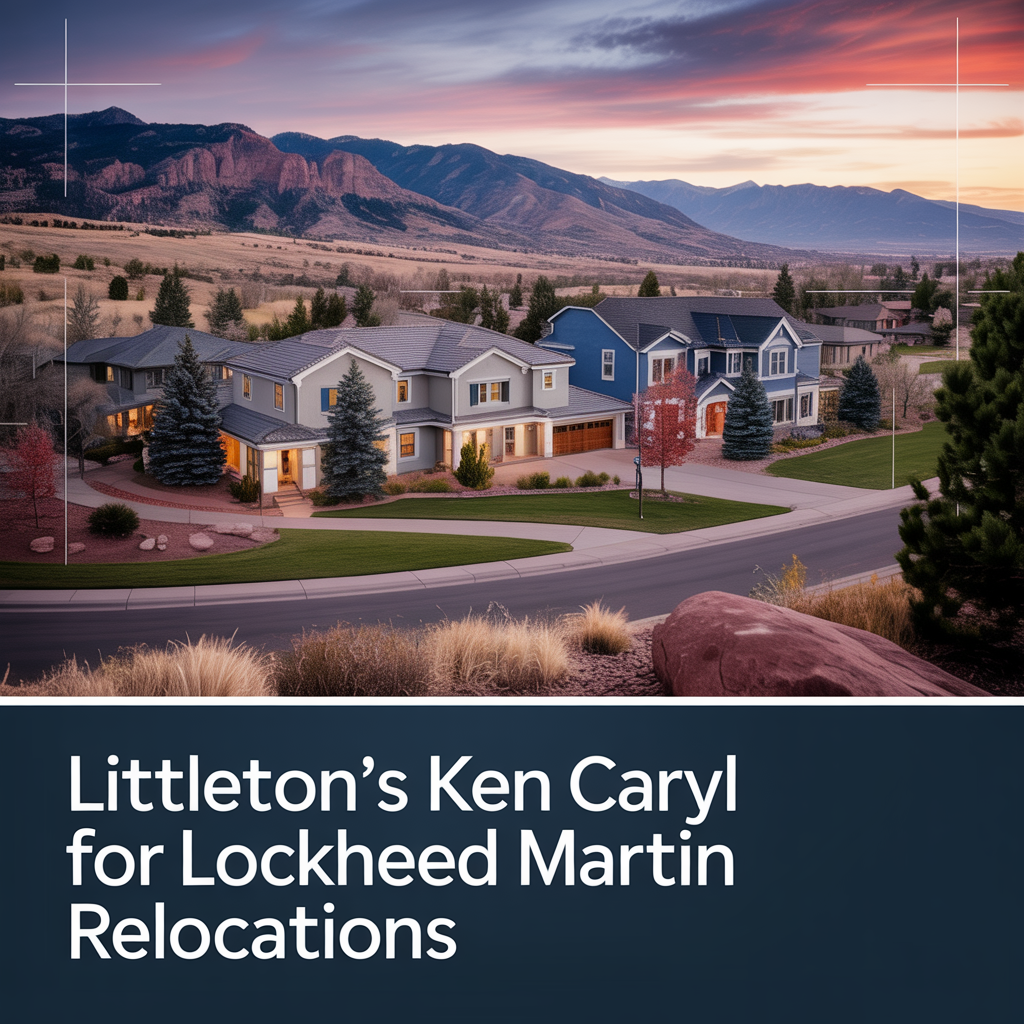
Littleton’s Ken Caryl for Lockheed Relocations
This is part of Lockheed Martin Relocation → [Lockheed Martin Relocation Hub] & the larger Denver Relocation Hub → [Denver Relocation Hub] Written by: Chad Cabalka Ken Caryl is one of the best-kept “family first” relocation options for Lockheed Martin employees who want foothills scenery, strong neighborhood appeal, and a real suburban lifestyle that still feels connected…


Centennial & Parker for Lockheed Relocations
This is part of Lockheed Martin Relocation → [Lockheed Martin Relocation Hub] & the larger Denver Relocation Hub → [Denver Relocation Hub] Written by: Chad Cabalka Centennial and Parker are two of the smartest suburban choices for Lockheed Martin employees relocating with families because they give you a strong balance of commute flexibility, good neighborhood variety, and…

Highlands Ranch for Family-Friendly Lockheed Relocations
This is part of Lockheed Martin Relocation → [Lockheed Martin Relocation Hub] & the larger Denver Relocation Hub → [Denver Relocation Hub] Written by: Chad Cabalka Highlands Ranch is one of the strongest choices for Lockheed Martin employees relocating with families because it delivers exactly what most parents want after a big move: stable neighborhoods, strong community…