



This guide is part of our complete Denver Real Estate Guide → [Denver Real Estate Guide]
Walkable neighborhoods in Denver stand out for buyers prioritizing reduced car dependence amid I-25 congestion and hail-season parking challenges, where high Walk Scores correlate with 10–15% faster resales and lower ownership costs through proximity to light rail and daily essentials. In a balanced late 2025 market with medians around $575,000–$599,000 and 40+ days on market, areas like Capitol Hill and Five Points deliver 90+ scores, enabling 20-minute DTC commutes on foot or RTD while mature housing stock withstands freeze-thaw cycles better than car-reliant suburbs. These pockets matter because they sustain equity via consistent demand from urban professionals and families, minimizing $4,000–$5,000 annual utilities and maintenance in heat islands offset by shade trees.
Focusing within city limits highlights real estate implications of density, transit, and resilience.
Capitol Hill: Urban Density Classic
Capitol Hill tops walkability at 95+ scores, with Cheesman Park, Colfax cafes, and light rail stations under 10 minutes on foot from most blocks. Condos and bungalows price $450,000–$650,000, offering 1,300–2,000 sq ft near civic center jobs—ideal for remote hybrids skipping I-25 peaks.
Mature infrastructure handles clay soils; density spreads hail claims across neighbors. Resale velocity hits 20 days, 98% list price in balanced conditions.
Ownership win: $300–$400 utilities via shared walls; no yard watering fights.
Five Points: Transit Revival Hub
Five Points scores 90–92, linking RiNo breweries, McAuliffe schools, and A-Line rail to DIA in 35 minutes. Townhomes at $450,000–$650,000 feature rooftop decks overlooking expansions, suiting density without isolation.
Infill durability improves post-2020 codes; Colfax frontage tests flows to DTC. Appreciation steadies at 4–5%, low DOM from relocators.
Practical: Zuni Park paths cut car use 40%; HOA reserves fund siding cycles.
LoDo/Cherry Creek: Retail Core Access
LoDo hits 93, with Union Station RTD and Larimer shops steps from lofts at $600,000–$1M. Cherry Creek edges 88–90 via trails to Brooks Field, pricing classics $800,000+.
Speer Boulevard proximity reaches hospitals fast; bike lanes buffer traffic. Premiums hold through markets via scarcity.
Denver tie: Heated sidewalks ease winter; xeriscape mandates fit low-maintenance.
Baker: South Broadway Energy
Baker scores 89, walking Broadway markets and Alameda light rail to Jefferson Park in 15 minutes. Bungalows $500,000–$700,000 balance yards with urban pulse.
Grading averts floods; mudrooms standard for slush. Families value diversity, quick resales.
Cost edge: $250 taxes monthly; efficiencies trim Xcel peaks.
Sunnyside: West Side Walks
Sunnyside reaches 85–88 via Zuni Street shops and 44th Avenue RTD to Empower Field. 1930s homes $650,000–$800,000 offer play yards near Applewood Golf.
Plowing prioritizes arterials; shade cuts AC $400. Steady 25-day turns.
Transit flex: Bike to Highlands sans I-25.
Walkability Metrics: Beyond Scores
Walk Score measures distance to amenities; add Transit (RTD coverage) and Bike layers. Capitol Hill’s 90+ Transit means 80% needs met sans car.
Test peaks: Five Points Colfax to downtown beats I-25 by 15 minutes.
Real Estate Implications: Value Retention
High walkability drives 5–7% premiums, 15–20% lower vacancy for rentals. Balanced inventory favors priced-right walkables—fewer concessions.
Hail spreads risk; density insulates values through cycles.
Commute and Cost Savings
Foot/rail cuts $2,000 gas/maintenance yearly; shade trims utilities 10–15%. PITI $3,500–$4,500 on medians, offset by no second car.
Baker’s Broadway accesses DTC efficiently.
Housing Stock: Density Meets Durability
Pre-1960s builds dominate: Basements store gear; attics vent hail. LoDo lofts modernize without yards.
Inspect radon/sewer—walkability amplifies clean histories.
Buyer Behavior: Urban Professionals Lead
Young families/professionals seek 85+ scores for routines; relocators waive size for access. Multiples persist on turnkeys.
Ownership Costs in Walkable Cores
Insurance $2,500–$3,000 (density discounts); taxes 0.6%. HOAs $300–$500 in attached; voluntary elsewhere.
Xeriscape complies, saves $1,000 water.
Long-Term Equity: Demand Sustainability
Walkables appreciate 4–6% steadily; RTD expansions boost Five Points 10% by 2030. Hold 7+ years.
Avoid fringes—cores prove liquidity.
Prioritizing Walkability Factors
| Factor | Top Neighborhood | Benefit |
|---|---|---|
| Amenities | Capitol Hill | 10-min essentials |
| Transit | Five Points | Rail to DIA |
| Family | Sunnyside | Parks/shops balance |
| Premium | LoDo | Scarcity hold |
Action Steps for Walkable Buys
- Filter REColorado 85+ Walk Score.
- Test routes peak hours.
- Audit transit schedules.
- Comp walkable premiums.
Conclusion: Capitol Hill Sets Walkable Standard
Denver’s most walkable neighborhoods—Capitol Hill, Five Points, LoDo—align density, transit, and resilience for equity and efficiency, outpacing car-dependent areas in resale speed and cost control amid balanced markets.
Reach out today for your Denver walkability analysis, including neighborhood comps, commute models, and listings tailored to urban access priorities.


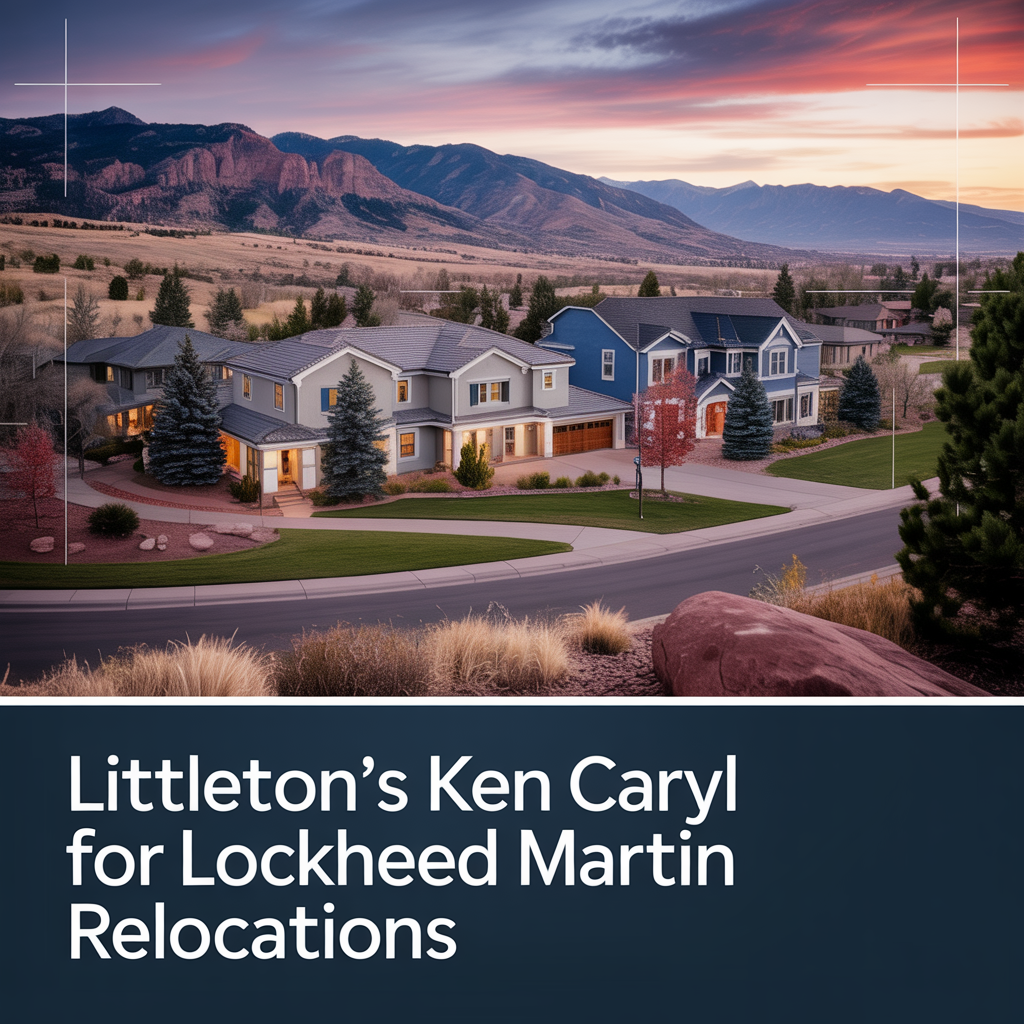
Littleton’s Ken Caryl for Lockheed Relocations
This is part of Lockheed Martin Relocation → [Lockheed Martin Relocation Hub] & the larger Denver Relocation Hub → [Denver Relocation Hub] Written by: Chad Cabalka Ken Caryl is one of the best-kept “family first” relocation options for Lockheed Martin employees who want foothills scenery, strong neighborhood appeal, and a real suburban lifestyle that still feels connected…

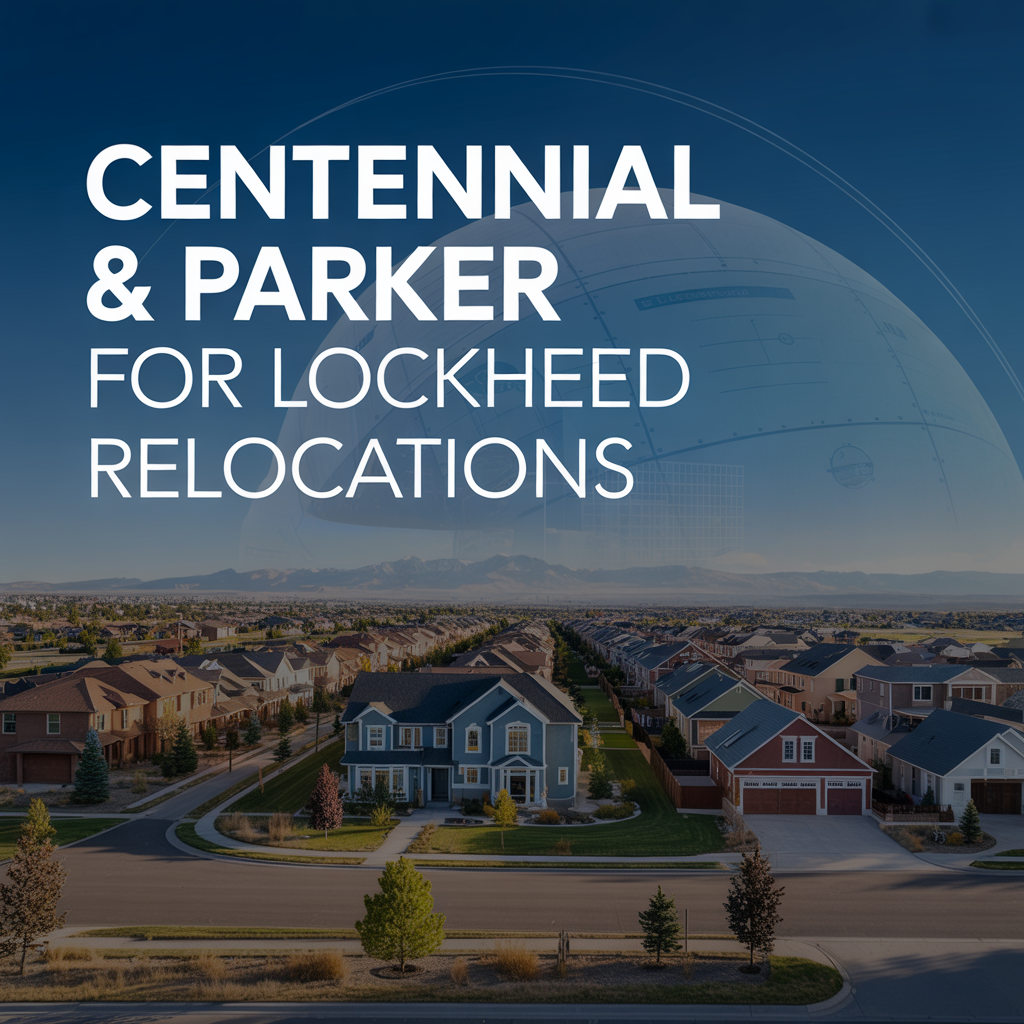
Centennial & Parker for Lockheed Relocations
This is part of Lockheed Martin Relocation → [Lockheed Martin Relocation Hub] & the larger Denver Relocation Hub → [Denver Relocation Hub] Written by: Chad Cabalka Centennial and Parker are two of the smartest suburban choices for Lockheed Martin employees relocating with families because they give you a strong balance of commute flexibility, good neighborhood variety, and…

Highlands Ranch for Family-Friendly Lockheed Relocations
This is part of Lockheed Martin Relocation → [Lockheed Martin Relocation Hub] & the larger Denver Relocation Hub → [Denver Relocation Hub] Written by: Chad Cabalka Highlands Ranch is one of the strongest choices for Lockheed Martin employees relocating with families because it delivers exactly what most parents want after a big move: stable neighborhoods, strong community…