



This guide is part of our complete Centennial Real Estate Guide → [Centennial Real Estate Guide]
New Construction vs. Resale Homes in Centennial
Centennial homeowners and prospective buyers often face a pivotal choice: new construction or resale properties. This decision shapes long-term costs, maintenance demands, and lifestyle fit in a suburb where commute times to Denver matter as much as winter snow loads on roofs. Understanding the trade-offs requires examining Centennial’s specific market dynamics, from its aging housing stock to builder incentives.
Centennial’s Housing Landscape
Centennial sits in Arapahoe County, part of the Denver metro’s southern tier, with a mix of 1970s ranch-style homes and pockets of newer developments. Resale dominates, comprising over 80% of inventory, while new construction clusters in areas like The Meadows or near E-470. This split reflects broader Colorado patterns: limited land for expansion pushes builders toward infill projects, but resale homes outnumber them due to decades of suburban growth.
Buyers prioritize resale for immediate availability amid tight supply, yet new builds appeal for customization amid rising ownership costs like property taxes averaging 0.7% annually. Weather plays a role—Centennial’s 50+ inches of annual snowfall tests roof pitches and insulation, favoring modern builds with energy codes exceeding older standards.
Key Differences in Design and Features
Layout and Customization Options
New construction in Centennial typically offers open floor plans with 9-foot ceilings and flex spaces for home offices, aligning with remote work trends post-pandemic. Builders like Toll Brothers or Richmond American allow selections in countertops, flooring, and fixtures during the design phase, which matters for families planning 10+ year stays. Resale homes, often from the 1980s-2000s, feature compartmentalized layouts with smaller kitchens, requiring remodels that can cost $50,000-$100,000 for similar openness.
Customization extends to smart home integration: new homes include pre-wired systems for thermostats and security, reducing retrofit expenses. In resale properties, these additions involve wall fishing and permit hassles, common in Centennial’s older neighborhoods with HOA restrictions.
Energy Efficiency and Durability
Colorado’s harsh climate—hot summers, heavy snow, and chinook winds—amplifies efficiency differences. New homes meet or exceed 2021 International Energy Conservation Codes, boasting R-49 attic insulation and dual-pane, low-E windows that cut heating bills by 20-30% compared to 1990s resales with R-30 insulation. This translates to $1,500-$2,500 annual savings on utilities, critical as natural gas prices fluctuate.
Durability favors new builds with impact-resistant siding and 50-year roofs versus asphalt shingles on resales nearing replacement age. Centennial’s hail-prone springs make this relevant; insurance premiums drop 10-15% for fortified new construction, offsetting higher upfront costs.
| Feature | New Construction | Resale Homes |
|---|---|---|
| Avg. Ceiling Height | 9-10 feet | 8 feet |
| Insulation Standard | R-49 attic, R-21 walls | R-30 attic, R-13 walls (typical) |
| Window Efficiency | Low-E, argon-filled | Single/dual-pane, variable |
| Annual Utility Savings | Baseline (efficient) | +20-30% higher costs |
| Roof Lifespan | 50 years (composite) | 20-30 years remaining (varies) |
Cost Analysis: Upfront and Ongoing
Purchase Price Breakdown
New construction in Centennial starts at $700,000 for 2,500 sq ft townhomes, reaching $1.2 million for single-family models, often 10-15% above comparable resales due to land premiums and builder margins. Resales average $650,000-$900,000, with negotiation room in a balanced market where days on market exceed 30. Builders offer incentives like $20,000 closing cost credits or rate buydowns, narrowing the gap for qualified buyers.
Property taxes factor heavily: new homes assess higher initially but stabilize with energy rebates. HOA fees run $200-$400 monthly across both, though new communities mandate them for shared amenities like pools.
Long-Term Ownership Expenses
Over 10 years, new homes edge out on total cost of ownership. Expect $10,000-$15,000 less in maintenance—no immediate HVAC or roof replacements common in 20-year-old resales. Resale buyers budget 1-2% of value annually ($7,000-$12,000) for updates, driven by Centennial’s granite-heavy soils causing foundation cracks from freeze-thaw cycles.
Financing differs: new builds lock construction loans at 6-7% rates, delaying occupancy 6-12 months, while resales close faster with conventional mortgages. In Colorado’s high-insurance market (averaging $2,500/year), new homes qualify for discounts via fortified standards.
| Cost Category (10-Year Total) | New Construction Estimate | Resale Estimate |
|---|---|---|
| Purchase Price (3,000 sq ft) | $900,000 | $800,000 |
| Maintenance/Repairs | $25,000 | $75,000-$100,000 |
| Utilities | $25,000 | $30,000-$35,000 |
| Insurance | $25,000 | $28,000 |
| Net After Incentives | $975,000 | $933,000-$963,000 |
Market Trends Shaping Availability
Centennial’s inventory tilts toward resale, with 400-500 active listings versus 50-100 new construction slots annually. Builders focus on high-density townhomes near inverse commute routes to DTC offices, responding to E-470 toll demands. Resale turnover slows as empty-nesters hold amid 5-6% appreciation rates, creating competition for move-in ready properties.
Buyer behavior favors new builds for warranties (1-10 years structural) amid labor shortages inflating remodel bids. Sellers of resales compete by staging updates, but disclosure laws highlight issues like outdated electrical panels common in pre-2000 homes. Suburbs like Littleton see spillover demand, pressuring prices upward 3-5% yearly.
Pros and Cons for Specific Buyers
Buyers Seeking Move-In Readiness
Resale suits those needing immediacy—schools like Arapahoe High draw families unwilling to wait on builds. Established landscaping and neighborhood maturity provide privacy buffers absent in new subdivisions under construction. Drawbacks include surprise repairs, like sewer line replacements costing $15,000 in Centennial’s clay soils.
Investors and Long-Term Holders
New construction builds equity faster through superior appreciation in amenity-rich communities. Rental yields hit 4-5% versus 3.5% for resales, appealing amid Denver metro’s 95% occupancy. Resales offer value-add flips, but cap rates suffer from higher capex reserves.
- New Construction Advantages: Builder warranties, efficiency, customization.
- New Construction Drawbacks: Build delays, premium pricing, construction disruption.
- Resale Advantages: Immediate occupancy, potentially lower entry cost, character.
- Resale Drawbacks: Unknown maintenance, dated features, remodel needs.
Navigating Inspections and Negotiations
Thorough due diligence separates viable options. For new builds, review builder financials and tour completed models; soil tests prevent basement water issues from Centennial’s aquifers. Resales demand sewer scopes and radon tests—Colorado’s rocky foothills elevate risks.
Negotiate builder upgrades versus resale concessions: $10,000 in flooring often yields more value than price cuts. Engage local agents familiar with Arapahoe County assessors for tax appeals post-purchase.
Conclusion
Choosing between new construction and resale in Centennial hinges on timeline, budget tolerance, and maintenance appetite. New homes deliver efficiency and peace of mind for horizon-focused buyers, while resales offer pragmatic entry amid constrained supply. Both paths build wealth in a market valuing durability over flash.
For tailored analysis on Centennial listings or market timing, contact a local real estate advisor today.


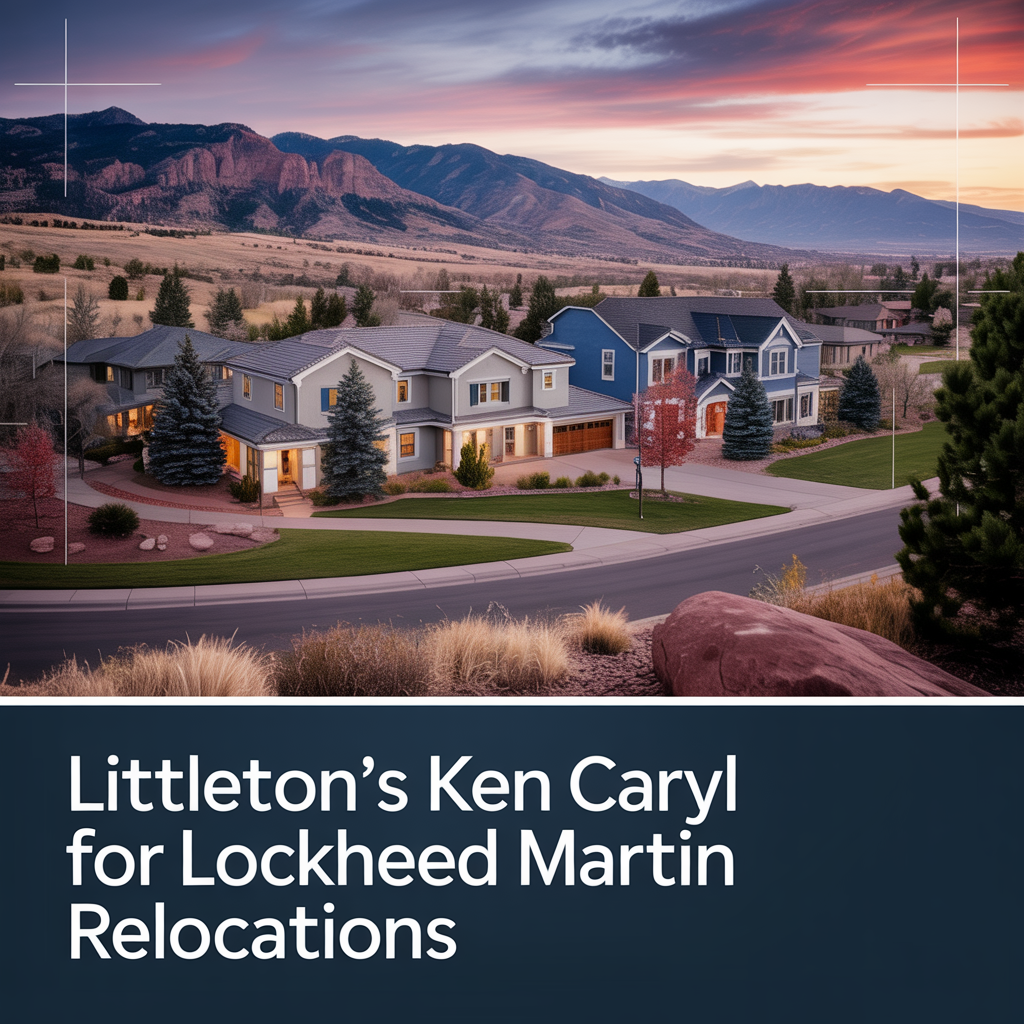
Littleton’s Ken Caryl for Lockheed Relocations
This is part of Lockheed Martin Relocation → [Lockheed Martin Relocation Hub] & the larger Denver Relocation Hub → [Denver Relocation Hub] Written by: Chad Cabalka Ken Caryl is one of the best-kept “family first” relocation options for Lockheed Martin employees who want foothills scenery, strong neighborhood appeal, and a real suburban lifestyle that still feels connected…

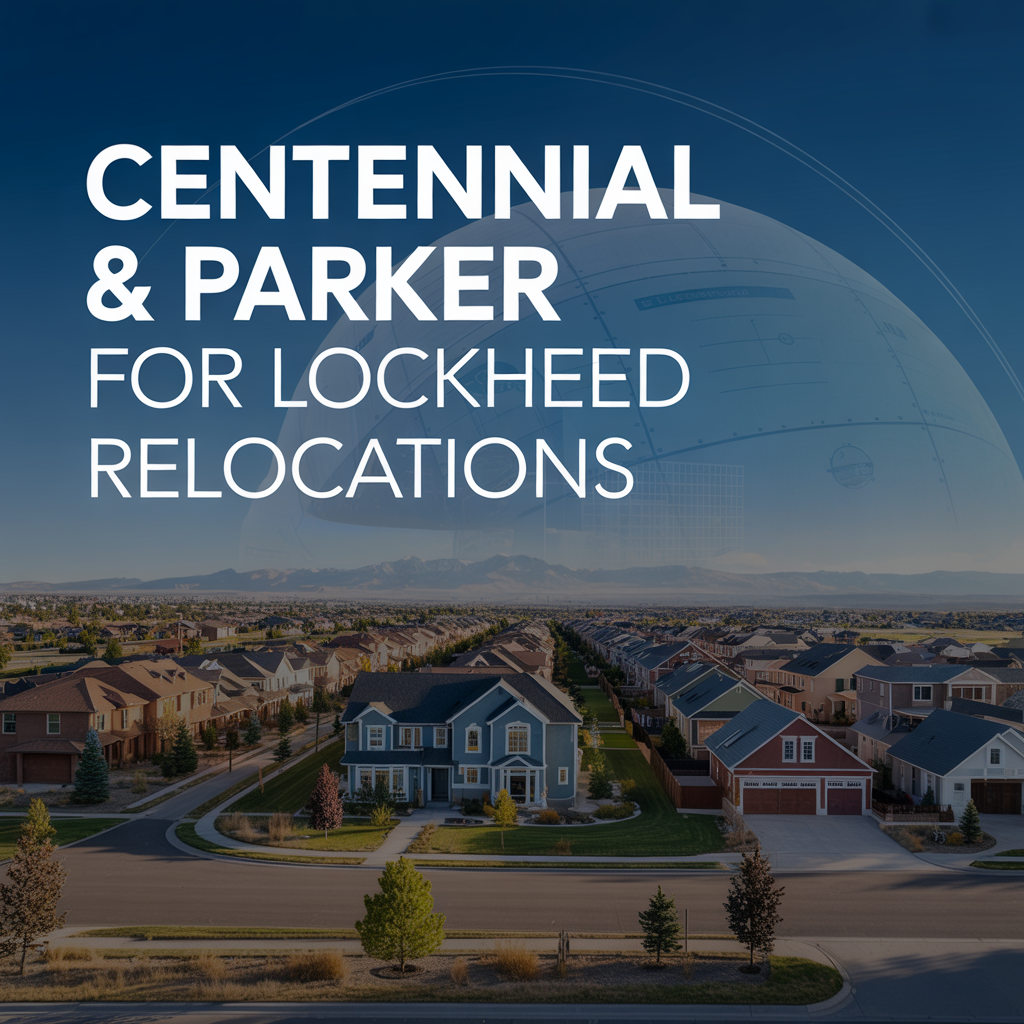
Centennial & Parker for Lockheed Relocations
This is part of Lockheed Martin Relocation → [Lockheed Martin Relocation Hub] & the larger Denver Relocation Hub → [Denver Relocation Hub] Written by: Chad Cabalka Centennial and Parker are two of the smartest suburban choices for Lockheed Martin employees relocating with families because they give you a strong balance of commute flexibility, good neighborhood variety, and…

Highlands Ranch for Family-Friendly Lockheed Relocations
This is part of Lockheed Martin Relocation → [Lockheed Martin Relocation Hub] & the larger Denver Relocation Hub → [Denver Relocation Hub] Written by: Chad Cabalka Highlands Ranch is one of the strongest choices for Lockheed Martin employees relocating with families because it delivers exactly what most parents want after a big move: stable neighborhoods, strong community…