



This guide is part of our complete Centennial Real Estate Guide → [Centennial Real Estate Guide]
Centennial’s real estate market rewards sellers who align their properties with the practical demands of local buyers. Families and professionals drawn to this Arapahoe County suburb prioritize functional upgrades that address Colorado’s climate challenges, commute realities, and long-term ownership costs over cosmetic flair. Understanding these preferences allows sellers to focus improvements where they generate the highest returns.
Centennial Market Snapshot
Centennial remains a seller’s market, though paced by longer days on market compared to peak years. Homes sold for a median price of $638,444 in late 2025, with prices per square foot at $259—figures that reflect steady demand despite a slight year-over-year dip of 0.17%. Other sources report medians around $643,000, up 8.9% annually, as buyers compete for properties averaging 38 to 48 days on market.
This balance stems from Centennial’s position in the Denver metro: proximity to the Denver Tech Center (10-20 minute drives for many neighborhoods) and strong schools in Cherry Creek and Littleton districts draw relocating professionals. Active listings rose 17% year-over-year to 403, giving buyers options but favoring well-prepared homes. Sellers who price strategically—accounting for subtle negotiation room—close faster.
Neighborhoods like Walnut Hills ($686,250 median), Dream House Acres ($779,000), and Piney Creek lead in value, thanks to their family appeal and access to top-rated elementaries scoring 8-9 out of 10.
Buyer Priorities in Centennial Homes
Buyers here seek properties that minimize future expenses and maximize usability in Colorado’s semi-arid conditions. High insurance premiums—averaging $4,600 statewide due to hail in “Hail Alley” (including Arapahoe County)—make durable features non-negotiable. Commutes to DTC or downtown Denver (20-35 minutes) favor homes near E-470 or light rail, while weather extremes demand low-maintenance exteriors.
Thoughtful sellers emphasize elements that signal readiness for hail storms, water restrictions, and family life. These aren’t trends; they’re responses to local realities like freeze-thaw cycles and high property taxes paired with rising utilities.
Exterior Upgrades That Command Premiums
Curb Appeal and Climate-Resilient Features
First impressions drive offers in Centennial, where drought-resistant landscaping boosts perceived value by cutting water bills in a region with strict restrictions. Native plants like penstemon, rabbitbrush, and serviceberry paired with xeriscaping create modern yards that appeal to cost-conscious buyers, often yielding strong ROI through lower upkeep signals.
Garage door replacements top Denver-area returns at 193.9% ROI, recouping $8,751 on a $4,666 investment via insulated, energy-efficient models suited to Colorado’s temperature swings. Steel entry doors follow at 188.1% ROI ($4,430 recouped on $2,355), with smart locks and hail-resistant glass adding security without overbuilding.
Power-washed exteriors and fresh, weather-resistant paint applied in dry months (May-September) align with buyer inspections focused on hail vulnerability. These upgrades matter because they reduce perceived risk—insurers scrutinize roofs and siding, influencing buyer financing.
Interior Features Buyers Value Most
Finished Basements for Added Livability
Unfinished basements represent lost opportunity in Centennial’s ranch and two-story stock. Finishing one adds usable square footage at lower cost per foot than additions, often recouping 70-90% while appealing to families needing home offices, gyms, or rental suites amid Denver’s tight market.
Buyers pay premiums for legal, egress-window basements with waterproofing—essential against Colorado’s spring runoff and summer monsoons. In high-end areas like Estancia or Piney Creek, these become wellness spaces or theaters, justifying prices over $1 million. The value lies in converting “wasted” space into income potential or year-round utility, beating kitchen remodels in functional ROI.
Kitchen and Bath Modernization
Updated kitchens with quartz counters, energy-efficient appliances, and open layouts draw multiple offers, as they signal move-in readiness for busy DTC commuters. Bathrooms gain from spa-like updates: frameless showers and heated floors handle hard water and cold snaps.
Smart home tech—thermostats, lighting, security—integrates seamlessly, appealing to tech-savvy buyers without dominating budgets. These matter because they offset Centennial’s ownership costs: higher taxes and insurance demand efficient, low-maintenance interiors.
Neighborhood and Lifestyle Alignments
Top-selling neighborhoods share traits: Cherry Creek schools (e.g., Walnut Hills Elementary, 8/10), trails, and DTC access. Piney Creek and Homestead Farm attract with community events and modern townhomes, where buyers prioritize pools, open spaces, and proximity to Park Meadows shopping.
In Castlewood or Ridgeview Hills, light rail and golf nearby enhance appeal for relocators. Sellers in these areas emphasize zoning verification—school boundaries directly lift values by 10-20% in top districts.
Ownership Costs That Influence Offers
Centennial’s median rent at $2,060 reflects strong demand, but buyers calculate total costs: property taxes around 0.7% of value, plus hail deductibles (often 1-2% of dwelling coverage). Properties with newer roofs (post-2020, Class 4 impact-rated) and efficient HVAC close with fewer contingencies, as insurers favor them amid premium hikes.
Energy audits or solar readiness further differentiate, addressing utility volatility in a state prone to blackouts from winter storms.
Strategic Pricing and Preparation
Professional staging yields 5-15% over asking by depersonalizing and highlighting these features. High-quality photography captures outdoor spaces in peak light, essential for online shoppers.
Compare against comps: A $600,000 Walnut Hills ranch with finished basement and xeriscaping lists competitively against $686,000 medians. Avoid over-improving—focus on 80/20 upgrades like exteriors and basements for broadest appeal.
Conclusion
Sellers in Centennial succeed by delivering what buyers need: resilient, efficient homes that withstand local weather and fit suburban priorities. Garage upgrades, basements, and water-wise yards don’t just sell properties; they build equity through faster sales and higher net proceeds. Prioritizing these elements positions your home to capture top-dollar offers in a market valuing practicality over perfection.
Ready to assess your Centennial property’s potential? Schedule a complimentary market analysis tailored to current buyer demands.


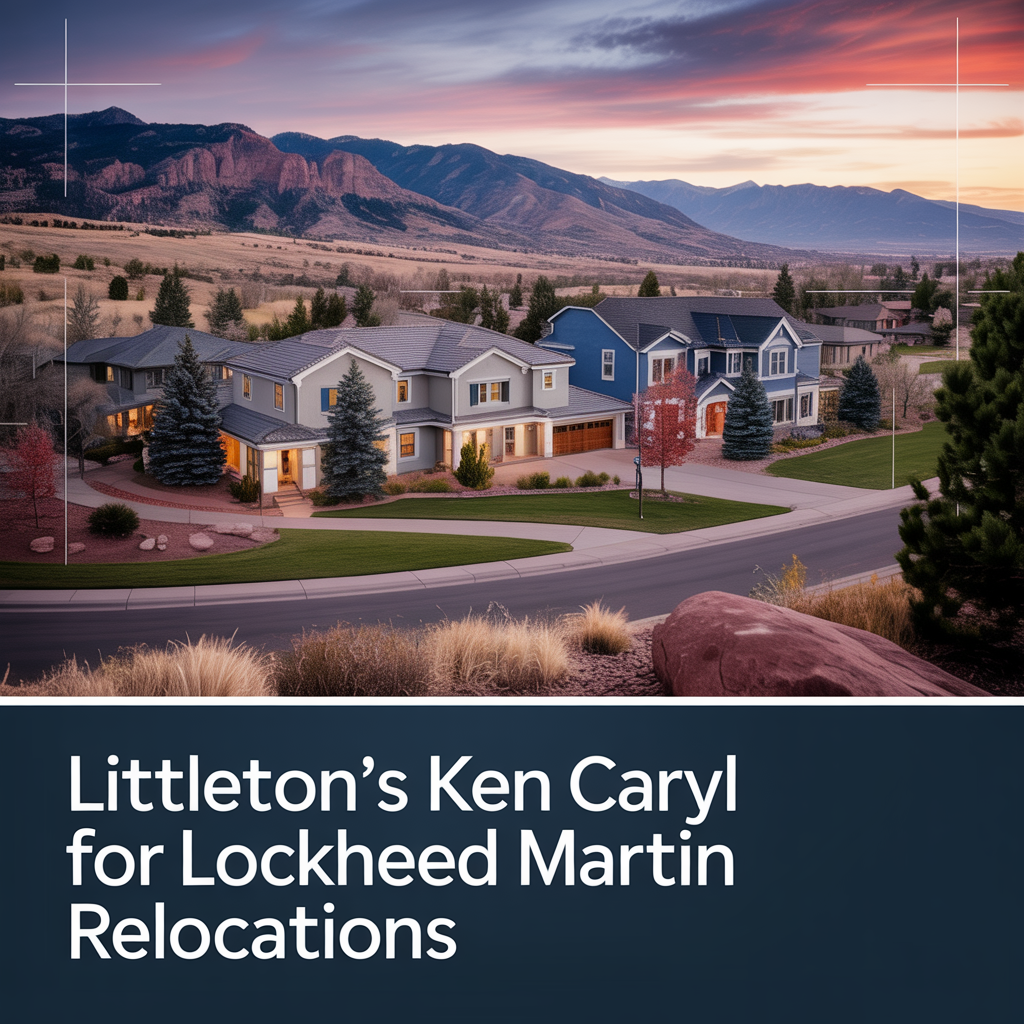
Littleton’s Ken Caryl for Lockheed Relocations
This is part of Lockheed Martin Relocation → [Lockheed Martin Relocation Hub] & the larger Denver Relocation Hub → [Denver Relocation Hub] Written by: Chad Cabalka Ken Caryl is one of the best-kept “family first” relocation options for Lockheed Martin employees who want foothills scenery, strong neighborhood appeal, and a real suburban lifestyle that still feels connected…

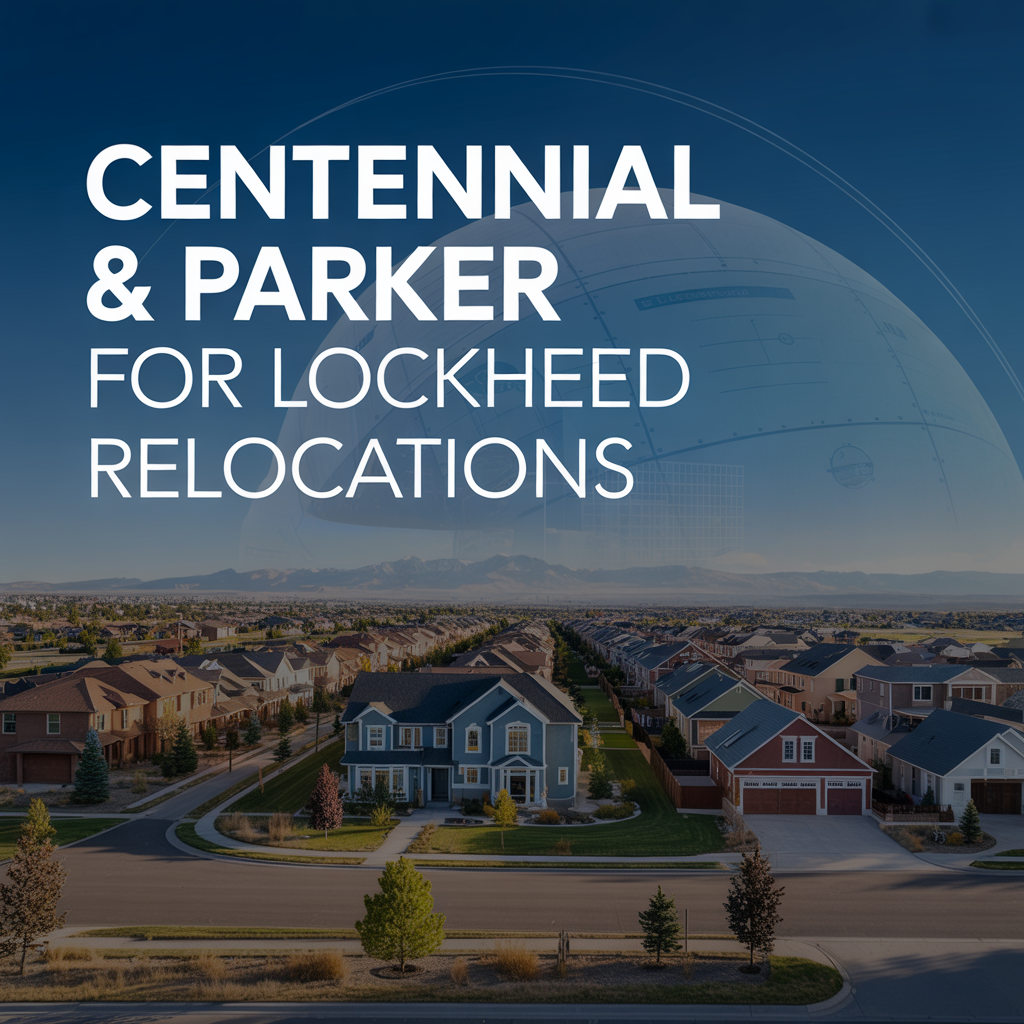
Centennial & Parker for Lockheed Relocations
This is part of Lockheed Martin Relocation → [Lockheed Martin Relocation Hub] & the larger Denver Relocation Hub → [Denver Relocation Hub] Written by: Chad Cabalka Centennial and Parker are two of the smartest suburban choices for Lockheed Martin employees relocating with families because they give you a strong balance of commute flexibility, good neighborhood variety, and…

Highlands Ranch for Family-Friendly Lockheed Relocations
This is part of Lockheed Martin Relocation → [Lockheed Martin Relocation Hub] & the larger Denver Relocation Hub → [Denver Relocation Hub] Written by: Chad Cabalka Highlands Ranch is one of the strongest choices for Lockheed Martin employees relocating with families because it delivers exactly what most parents want after a big move: stable neighborhoods, strong community…