



This guide is part of our complete Denver Real Estate Guide → [Denver Real Estate Guide]
Buying a home in Denver means understanding what draws premium offers in a balanced market where inventory has grown and buyers scrutinize value over flash. Late 2025 data show medians around $575,000–$599,000, with homes selling at 96–98% of list after 40+ days on market, but top performers in Capitol Hill or Congress Park close 10–20% above initial expectations when they check key boxes like updated roofs and walkable access. Sellers who position for discerning buyers—those prioritizing hail resilience, efficient layouts, and commute efficiency—capture higher net proceeds through faster closings and fewer concessions, even as overall appreciation moderates to 3–4% into 2026.
This guide details the features commanding top dollar within Denver city limits, grounded in buyer behavior and local realities.
Updated Exteriors: Hail-Proof Roofs Lead the Way
Buyers pay premiums for properties that sidestep Denver’s annual hail budget.
Class 4 impact-rated asphalt or metal roofs under 10 years old justify 3–5% price uplifts, as they transfer insurance savings—$500–$1,000/year lower premiums—and avoid $15,000–$25,000 replacements. Fresh siding (fiber cement over vinyl) and intact grading prevent freeze-thaw foundation claims, common in clay soils.
In Platt Park bungalows, a 2023 roof plus cleared gutters signals winter readiness; untouched 1990s shingles trigger lowballs or walkaways.
Why it matters: Buyers factor lifetime costs—proven exteriors mean fewer reserves tied up, freeing budget for interiors.
Energy Efficiency: Cutting Xcel Bills in Older Stock
Modern mechanicals turn 1920s homes into low-cost owners.
HERS scores under 70 via new furnaces (95%+ AFUE), insulated attics, and south-facing windows trim $600–$900 annual utilities, a 15–20% edge over unupdated baselines. Smart thermostats and sealed ducts handle Colfax heat islands without spiking AC.
Capitol Hill sellers staging with utility bills prove the math; RiNo townhomes shine with solar pre-wiring amid rate hikes.
Main-Level Living: Layouts for Denver Routines
Open, functional floor plans dominate buyer searches.
- Main-floor primaries in ranch-style updates suit aging-in-place, commanding 5–8% premiums over upstairs-only sleeping.
- Mudrooms off garages contain slush from I-25 storms, absent in infill flips.
- Basements finished post-2010 codes add 500 sq ft without flood risks.
Congress Park listings with combined living/dining near Colfax fetch quickest offers; cramped two-story townhomes linger.
Walkability and Transit: Location Trumps Square Footage
Proximity to daily anchors drives 10–15% value gaps.
Neighborhoods scoring 85+ on Walk Score—Cheesman Park paths, Five Points light rail—close 15 days faster than car-dependent blocks. Test routes: 20-minute DTC via RTD from RiNo beats I-25 gridlock.
Buyers prioritize schools (Steck in Congress Park) and density buffers for hail claims spread across neighbors.
Kitchens and Baths: Functional Over Luxe
Updated but practical wins over marble excess.
Quartz counters, induction ranges, and soft-close cabinets in 2018+ refreshes yield 4–6% uplifts; dated oak cabinets deduct equally. Primary baths with zero-step showers future-proof for 7–10 year holds.
Staging tip: Congress Park sellers highlight Xcel-efficient appliances—buyers calculate $300/year savings.
Low-Maintenance Yards: Water and Snow Realities
Denver’s restrictions favor xeriscape over turf.
Drip-irrigated natives plus permeable patios cut $1,500 water bills 40%, appealing amid shortages. Heated driveways or widened shoveling paths in Sunnyside erase winter chore fears.
Mature trees (non-invasive) provide shade without $500/year trimming—Platt Park excels here.
Strong Disclosures: Transparency Builds Trust
Clean histories close deals 20% faster.
Full hail logs, sewer scopes (no clay failures), and radon mitigation docs position as “move-in ready.” Buyers in balanced markets demand them; hidden issues trigger 5–10% renegotiations.
Capitol Hill co-ops with audited reserves outpace thin-HOA peers.
Staging and Pricing: Psychology of Top Offers
Price to comps, not hope—2% under median sparks multiples.
Professional staging (neutral tones, depersonalized) boosts offers 5–7%; virtual tours reach remote relocators. Winter listings in Cheesman Park leverage plowing priority.
Neighborhood Spotlights: Where Premiums Peak
Capitol Hill: Density and Walkability
Condos $450K–$550K with updated kitchens close above ask on Cheesman proximity.
Congress Park: Family Resilience
$550K–$650K bungalows with roofs and basements near Colfax draw 10+ offers.
Five Points/RiNo: Transit Modernity
$500K–$650K townhomes with efficiency and rail access premium 8–10%.
Seller Prep Checklist for Maximum Value
- Roof/siding audit—credit if needed pre-list.
- Utility bills + HERS report for showings.
- Sewer scope + disclosures packet.
- Xeriscape + mudroom staging.
- Price via 90-day comps; stage virtually.
Ownership Costs Buyers Weigh
Top payers calculate full PITI: $3,500–$4,500 on $575K (6.5% rate, 15% down), plus $250 taxes, $225 insurance, $350 utils. Features lowering these seal deals.
Conclusion: Position for Discerning Buyers
In Denver’s evolving market, sellers secure top dollar by delivering weather-tested, efficient, walkable homes that align with buyer math—updated exteriors, smart layouts, and transparent histories turn standard listings into premium closings.
Reach out today for your Denver home valuation and staging plan—we’ll analyze comps, pinpoint upgrades, and craft a strategy maximizing net proceeds in current conditions.


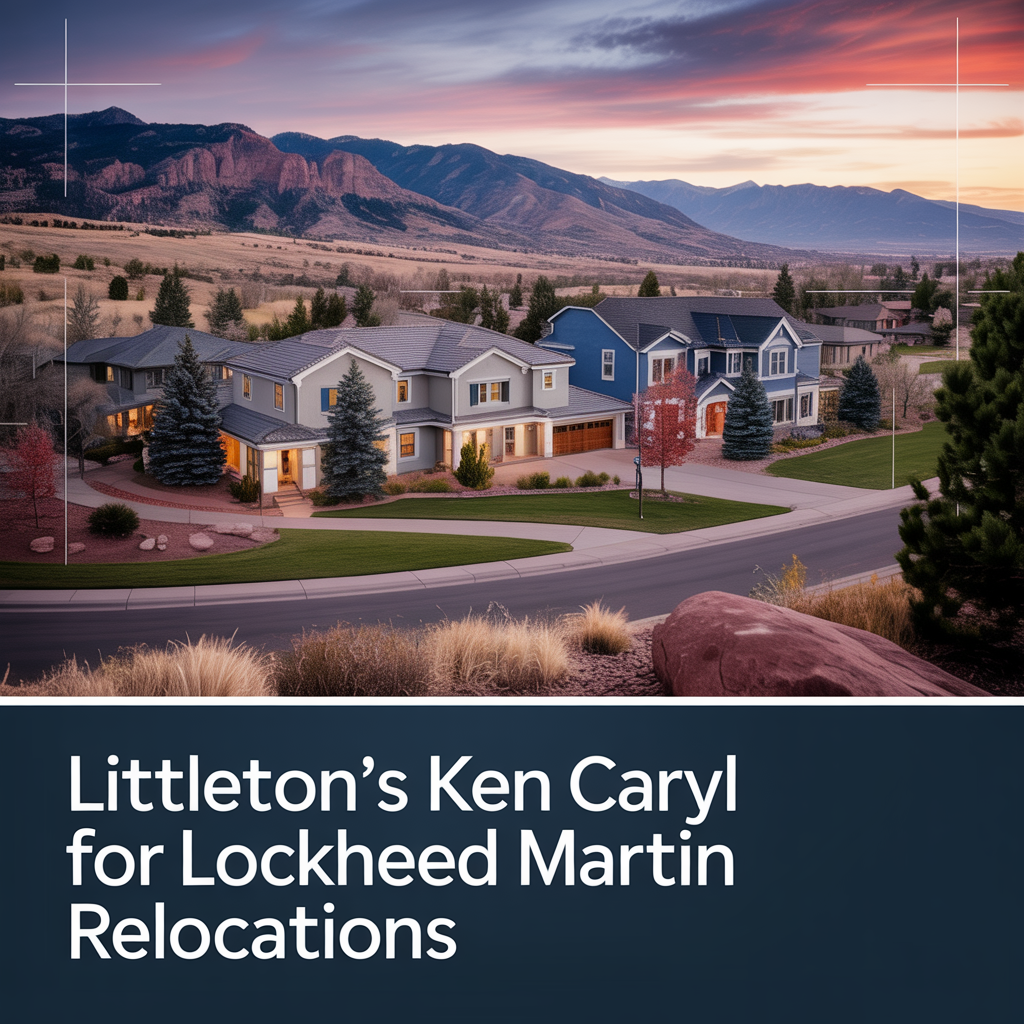
Littleton’s Ken Caryl for Lockheed Relocations
This is part of Lockheed Martin Relocation → [Lockheed Martin Relocation Hub] & the larger Denver Relocation Hub → [Denver Relocation Hub] Written by: Chad Cabalka Ken Caryl is one of the best-kept “family first” relocation options for Lockheed Martin employees who want foothills scenery, strong neighborhood appeal, and a real suburban lifestyle that still feels connected…

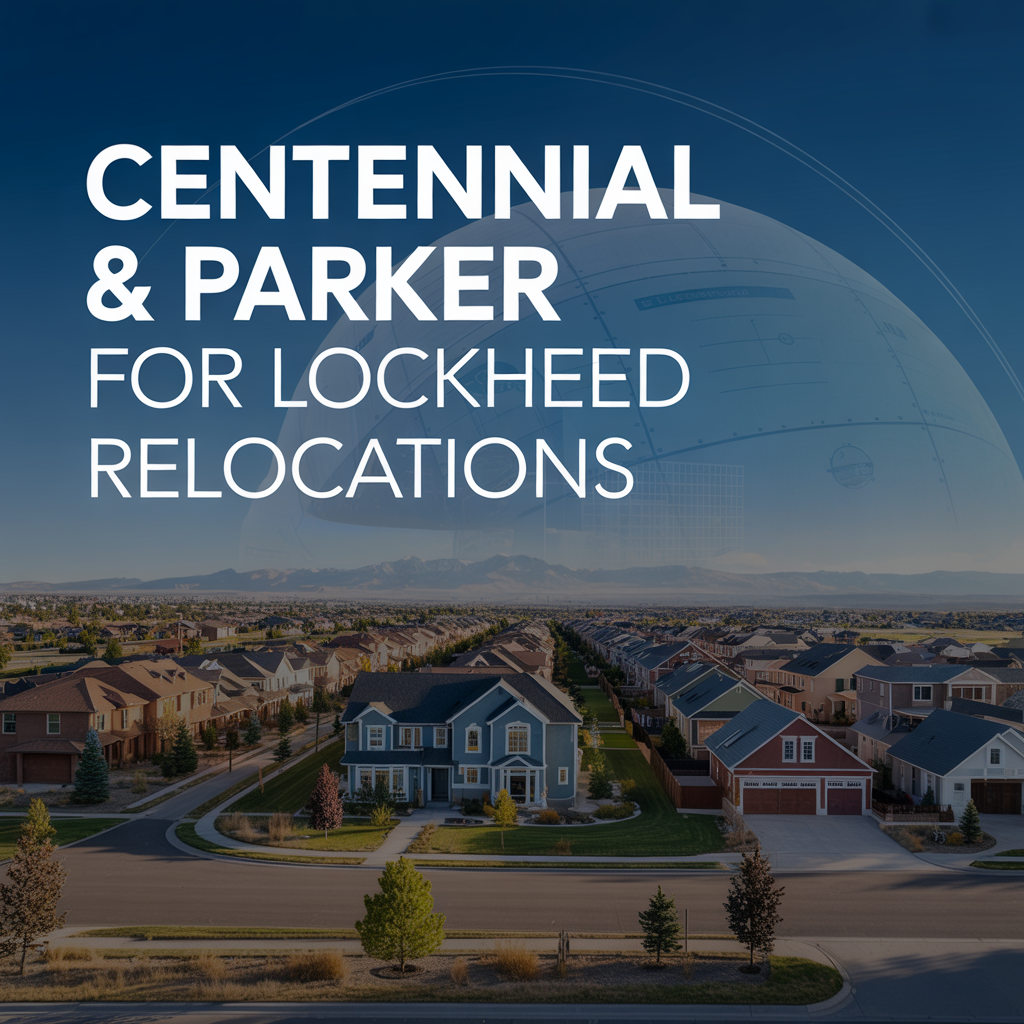
Centennial & Parker for Lockheed Relocations
This is part of Lockheed Martin Relocation → [Lockheed Martin Relocation Hub] & the larger Denver Relocation Hub → [Denver Relocation Hub] Written by: Chad Cabalka Centennial and Parker are two of the smartest suburban choices for Lockheed Martin employees relocating with families because they give you a strong balance of commute flexibility, good neighborhood variety, and…

Highlands Ranch for Family-Friendly Lockheed Relocations
This is part of Lockheed Martin Relocation → [Lockheed Martin Relocation Hub] & the larger Denver Relocation Hub → [Denver Relocation Hub] Written by: Chad Cabalka Highlands Ranch is one of the strongest choices for Lockheed Martin employees relocating with families because it delivers exactly what most parents want after a big move: stable neighborhoods, strong community…