



This guide is part of our complete Aurora Real Estate Guide → [Aurora Real Estate Guide]
Step-by-Step First-Time Homebuyer Guide to Aurora
Aurora provides first-time buyers in the Denver metro with a practical entry into homeownership, featuring median prices around $480,000-$520,000 and diverse neighborhoods spanning four counties. Its position east of Denver offers shorter commutes to major employers like Buckley Space Force Base and UCHealth while maintaining suburban scale amid Colorado’s tight inventory. This step-by-step guide walks serious buyers through the process, highlighting local realities such as ownership costs, weather impacts on maintenance, and commute-driven buyer preferences to build long-term equity.
Step 1: Define Your Financial Foundation
Start by clarifying what you can afford, accounting for Aurora’s stable but competitive market where homes average 30-45 days on market.
Assess Income, Debts, and Savings
Calculate your debt-to-income ratio, targeting under 43% for mortgage approval. In Aurora, where 35-45% of income often goes to housing, factor median household earnings around $75,000-$85,000. Review credit scores—aim for 620+ for FHA options common among first-timers here.
Build reserves beyond the down payment: six months of expenses covers post-closing gaps like winter utility spikes from heating older homes.
Explore Pre-Approval Options
Secure pre-approval from Colorado lenders offering CHFA programs, which provide 3-5% down payment assistance forgivable after 5-7 years. Local banks understand Aurora’s county-specific taxes—Arapahoe at 0.55-0.65%, Adams slightly higher—ensuring accurate estimates excluding temporary exemptions.
This step matters because pre-approval signals strength in multiple-offer scenarios, prevalent in Cherry Creek School District areas despite softening eastside trends.
Step 2: Research Aurora Neighborhoods Strategically
Aurora’s 210 square miles demand targeted selection based on commute, schools, and housing stock rather than broad appeals.
Map Commutes and Priorities
Prioritize western Aurora near I-25 for 15-25 minute Denver drives, suiting tech workers, or central zones by Anschutz for medical shifts. RTD light rail covers 70% of residents, reducing reliance on E-470 tolls during peak snow-season traffic.
Use tools like Google Maps for real-time simulations, noting 20-40 minute DIA runs from eastern edges—critical for shift workers valuing time over prestige.
Evaluate Schools and Stock Fit
Cherry Creek District elevates values 2-4% in Havana Heights; APS serves affordable eastside with improving ratings. Focus on 1970s-1990s ranchers and two-stories (2,000+ sq ft), inspecting for freeze-thaw foundation issues common in clay soils.
Inventory at 2.5-3.5 months favors buyers who target fixer-uppers, as limited new builds keep supply constrained.
Step 3: Identify and Tour Properties
With parameters set, hunt listings matching your profile in a market blending stability with negotiation room.
Set Search Criteria
Filter for $400,000-$500,000 single-family or townhomes in stable ZIPs like 80014 or 80015. Aurora’s older stock offers yards for families (55% buyer demographic), but 40% HOAs mean reviewing rules for snow management.
Track 90-day comps; recent 1-3% price softening provides 1-2% concessions in non-premium areas.
Schedule Efficient Tours
Visit 5-7 properties weekly, noting north-facing exposures for winter sun and sloped lots needing drainage. Virtual tours via RTD-accessible agents save time, but in-person checks reveal maintenance flags like outdated HVAC against Colorado’s cold snaps.
Document with photos, prioritizing equity-build potential over cosmetics.
Step 4: Make a Competitive Offer
Craft offers reflecting Aurora’s buyer leverage amid growing inventory.
Analyze Comps and Terms
Base bids on adjusted comps within 0.5 miles, offering 1-3% below ask in eastside pockets. Include escalation clauses for Cherry Creek competition, but cap at pre-approved limits.
Request 2-3% seller concessions for closing costs or rate buydowns, standard at 6.5-7% rates.
Submit with Local Insights
Attach proof of funds and a personal letter emphasizing Aurora roots—local buyers (60%) edge out-of-staters. In multi-offer bids, highlight flexibility on timelines to align with seller moves.
Step 5: Conduct Due Diligence Inspections
Post-acceptance, verify property condition in Aurora’s aging housing predominant.
Order Comprehensive Inspections
Budget $500-800 for general, radon (15-20% risk), and sewer scopes—essential for 1960s basements prone to seepage. Check roofs for snow-load durability and windows for efficiency amid $250-350 winter Xcel bills.
Negotiate repairs or credits post-report; 1-2% typical resolutions prevent $10,000 surprises.
Review Title and Disclosures
Scrutinize Arapahoe/Adams disclosures for flood zones near Cherry Creek or HOA litigation. Title searches flag liens, with low county transfer taxes (0.01-0.5%) easing closings.
Step 6: Secure Financing and Close
Finalize funding tailored to first-time constraints.
Lock Rates and Finalize Loan
Use CHFA for grants up to $15,000; VA for base employees (0% down). Buydowns shave 0.25-0.5% amid volatility, stabilizing payments at $2,500-$3,000 monthly.
Appraisals rarely gap in stable Aurora, but prepare cash for shortfalls.
Prepare for Closing Day
Walkthrough 24 hours prior, confirming fixes. Sign at title company, budgeting 2-4% closing ($10,000-$20,000). Post-closing, update utilities and enroll in snow removal if non-HOA.
Ownership Costs Breakdown for Aurora Homes
Aurora’s costs total 28-35% of income sustainably; weather elevates maintenance.
This table reveals why reserves matter—utilities alone spike 20-30% seasonally, pressuring thin budgets.
Step 7: Plan for Long-Term Ownership
Post-purchase, focus on equity growth in Aurora’s 3-5% appreciation environment.
Budget Annual Reviews
Reassess taxes yearly via assessors; refinance after 2 years if rates drop. Allocate 1-2% value for updates enhancing resale, like insulation against cold.
Monitor Market and Equity
Aurora’s job hubs sustain demand; hold 7-10 years recoups 80%+ costs. Track inventory shifts—beyond 4 months favors sellers.
Complete Step-by-Step Process Summary for Aurora First-Time Buyers
- Financial Foundation (Weeks 1-2): Assess DTI, build reserves, get CHFA pre-approval.
- Neighborhood Research (Weeks 2-4): Map commutes/schools, target $400K-$500K stock.
- Property Search (Weeks 4-8): Filter listings, tour 5-7/week with maintenance focus.
- Offer Submission (Week 8-10): Bid via comps, concessions; personalize for locals.
- Inspections/Due Diligence (Weeks 10-12): Full scans (radon, sewer), negotiate fixes.
- Financing/Closing (Weeks 12-14): Lock rates, walkthrough, sign and move.
- Ongoing Ownership (Year 1+): Review costs, update for equity, monitor trends.
Aurora rewards deliberate buyers with scalable ownership—affordable access, predictable costs, and metro growth ties. Following these steps positions you for sustained value.
Ready for personalized comps, pre-approval guidance, or neighborhood tours in Aurora? Reach out today for your tailored first-time buyer roadmap.


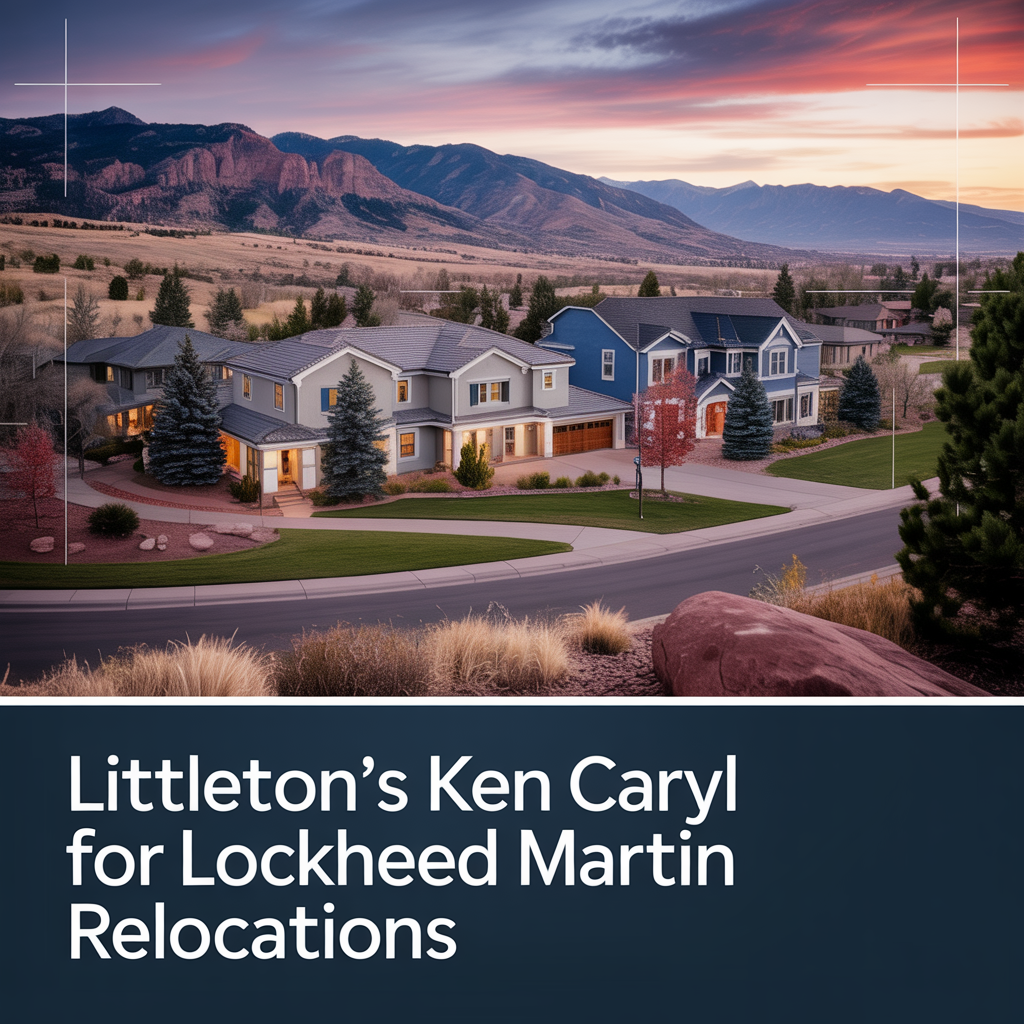
Littleton’s Ken Caryl for Lockheed Relocations
This is part of Lockheed Martin Relocation → [Lockheed Martin Relocation Hub] & the larger Denver Relocation Hub → [Denver Relocation Hub] Written by: Chad Cabalka Ken Caryl is one of the best-kept “family first” relocation options for Lockheed Martin employees who want foothills scenery, strong neighborhood appeal, and a real suburban lifestyle that still feels connected…


Centennial & Parker for Lockheed Relocations
This is part of Lockheed Martin Relocation → [Lockheed Martin Relocation Hub] & the larger Denver Relocation Hub → [Denver Relocation Hub] Written by: Chad Cabalka Centennial and Parker are two of the smartest suburban choices for Lockheed Martin employees relocating with families because they give you a strong balance of commute flexibility, good neighborhood variety, and…

Highlands Ranch for Family-Friendly Lockheed Relocations
This is part of Lockheed Martin Relocation → [Lockheed Martin Relocation Hub] & the larger Denver Relocation Hub → [Denver Relocation Hub] Written by: Chad Cabalka Highlands Ranch is one of the strongest choices for Lockheed Martin employees relocating with families because it delivers exactly what most parents want after a big move: stable neighborhoods, strong community…