



This guide is part of our complete Aurora Real Estate Guide → [Aurora Real Estate Guide]
Aurora sits as the third-largest city in Colorado, spanning the Denver metro’s eastern flank with a diverse housing stock that includes everything from 1970s ranchers to newer townhomes. Buyers weigh its affordability against factors like commute times to Denver and ongoing neighborhood revitalization, especially amid a market showing 3-4 months of inventory as of late 2025. This post evaluates whether current conditions favor home purchases here, focusing on price trends, supply dynamics, and ownership realities for thoughtful buyers and investors.
Current Housing Market Conditions in Aurora
Aurora’s market balances seller leverage with emerging buyer opportunities. Median home prices hover around $475,000 to $510,000, down 1-3% year-over-year, reflecting a shift from the frenzied bidding of prior years.
Price Trends and Affordability Edge
Single-family homes average $485,000, with condos and townhomes starting under $350,000 in areas like Arapahoe Acres or The Village East. This pricing undercuts Denver proper by 20-25%, drawing relocators from costlier suburbs. Prices per square foot sit at $265-285, stable despite metro-wide softening, because Aurora’s growth—fueled by military families near Buckley Space Force Base—sustains demand.
Buyers benefit now as list-to-sale ratios dip to 98-99%, meaning negotiations yield concessions like closing cost help. Days on market stretch to 25-35, up from 10-15 last year, giving leverage without a full crash. For sellers, holding works if priced realistically, but overpricing lingers properties.
Inventory Levels Signaling Opportunity
Active listings number 1,200-1,500, equating to 3.5 months supply—a seller’s market threshold but cooling from 2 months earlier in 2025. New construction adds 200-300 units annually in master-planned spots like Southlands, easing pressure on resale stock. This matters because low inventory historically inflated prices; current levels let qualified buyers shop without waived inspections.
Neighborhood Variations Across Aurora
Aurora defies uniformity, with 15 ZIP codes splitting into investor-friendly and family-oriented zones. Commute patterns—20-40 minutes to downtown via I-225 or E-470—shape preferences, as remote work fades and hybrid schedules revive traffic concerns.
High-Potential Areas for Long-Term Value
Southeast Aurora (80016) excels for appreciation, with medians at $550,000+ near Dove Valley. Schools in Cherry Creek District draw professionals, and proximity to Centennial Airport boosts executive appeal. Northwest pockets like Del Mar Park offer ranch-style homes under $450,000, ideal for flips amid revitalization.
Avoid flooding-prone older tracts near Cherry Creek without elevation checks; elevated terrain in Havana Heights mitigates winter snow melt issues common in flat eastern sections.
Emerging Pockets for Entry-Level Buyers
Central Aurora (80010-80012) provides cash-flow potential with rents at $1,800-2,200 for three-beds, yielding 5-6% on $400,000 purchases. Diverse buyer behavior here—30% immigrant households—ensures steady tenancy, though property crimes run 10-15% above metro averages, impacting insurance.
Ownership Costs in Aurora Context
Colorado’s realities amplify expenses, but Aurora’s scale moderates them compared to mountain counties.
Taxes, Insurance, and Maintenance Breakdown
Arapahoe County’s effective tax rate of 0.52-0.65% translates to $2,500-3,200 annually on a $500,000 home. Homeowners insurance averages $2,200-2,800, elevated by wind and wildfire proximity in exurban edges, consuming 25-30% of gross rents for investors.
HOA fees in 40% of newer developments add $200-400 monthly, covering snow removal essential for driveways buried under 60-inch seasonal accumulations. Buyers calculate total costs at 1.5-2% of value yearly; budgeting 35% of income covers payments at 6-6.5% rates.
This table shows why Aurora suits budget-conscious owners; costs align with income growth in service and tech sectors.
Buyer and Seller Behavior Driving Decisions
Local psychology favors pragmatic moves. Relocating homeowners from California prioritize space over prestige, snapping up four-beds at $450,000 while Denver prices exceed $600,000. First-time buyers, 35% of sales, leverage Colorado’s down payment assistance, but rising insurance deters condos without reserves.
Sellers hesitate amid 5% inventory growth, yet concessions rise to 2-3% of price, signaling softness. Investors eye multifamily conversions in older stock, where 95% occupancy hedges rate risks.
Risks and Long-Term Prospects
Short-term risks include base-related job flux and E-470 toll hikes adding $1,500 yearly commutes. Inventory could hit 4-5 months if listings surge post-holidays, pressuring prices 2-4% further.
Long-term, Aurora’s 2-4% annual appreciation—trailing Denver’s 4-6% but reliable—stems from population gains and infrastructure like I-70 expansions. Housing stock, heavy on 1,800-2,200 sq ft homes, matches family needs amid metro density aversion.
Financing and Timing Considerations Now
Rates at 6.25-6.75% make locking in advisable before Fed shifts. Pre-approval reveals buying power; 20% down yields $2,800 payments on $500,000, affordable at $120,000 household income. Winter buying—December through February—nets 5-10% discounts as showings drop amid snow.
For renters transitioning, Aurora’s 6% rent growth outpaces wages, tipping scales toward ownership despite upfront costs.
Aurora presents a measured yes for buying now: affordability, stabilizing inventory, and location utility outweigh mild price dips for positioned buyers. Serious purchasers assess neighborhood fit against costs and timelines to capture value in this evolving metro hub.
Ready to determine if Aurora aligns with your homebuying goals? Reach out today for a tailored market analysis and property evaluation.


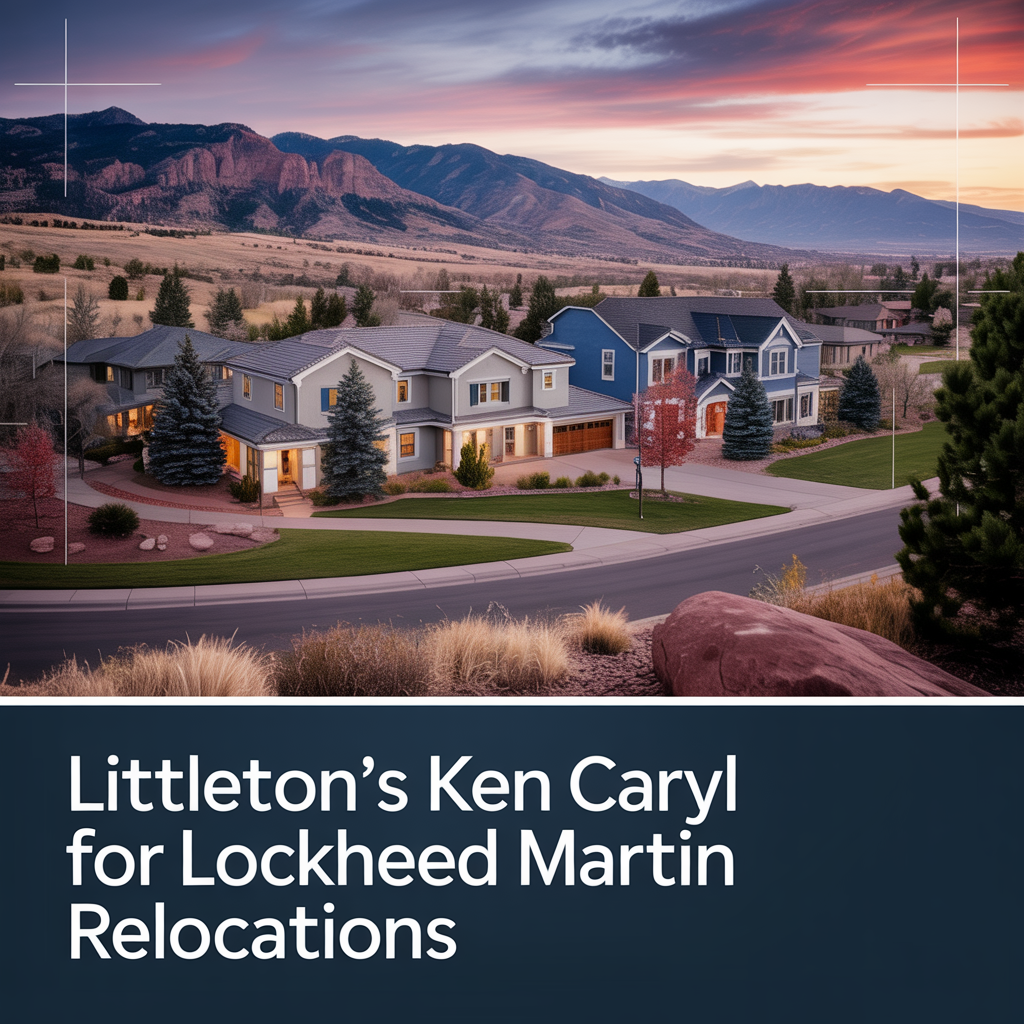
Littleton’s Ken Caryl for Lockheed Relocations
This is part of Lockheed Martin Relocation → [Lockheed Martin Relocation Hub] & the larger Denver Relocation Hub → [Denver Relocation Hub] Written by: Chad Cabalka Ken Caryl is one of the best-kept “family first” relocation options for Lockheed Martin employees who want foothills scenery, strong neighborhood appeal, and a real suburban lifestyle that still feels connected…


Centennial & Parker for Lockheed Relocations
This is part of Lockheed Martin Relocation → [Lockheed Martin Relocation Hub] & the larger Denver Relocation Hub → [Denver Relocation Hub] Written by: Chad Cabalka Centennial and Parker are two of the smartest suburban choices for Lockheed Martin employees relocating with families because they give you a strong balance of commute flexibility, good neighborhood variety, and…

Highlands Ranch for Family-Friendly Lockheed Relocations
This is part of Lockheed Martin Relocation → [Lockheed Martin Relocation Hub] & the larger Denver Relocation Hub → [Denver Relocation Hub] Written by: Chad Cabalka Highlands Ranch is one of the strongest choices for Lockheed Martin employees relocating with families because it delivers exactly what most parents want after a big move: stable neighborhoods, strong community…