



This guide is part of our Arvada Real Estate Guide→ [Arvada Real Estate Guide]
How Lifestyle Priorities Shift After Moving to Arvada
Moving to Arvada from denser Denver neighborhoods often prompts residents to reassess daily routines and long-term housing needs. Buyers and sellers in this northwest suburb discover that proximity to open spaces and shorter commutes reshape what matters most in home selection and ownership. These shifts influence everything from family dynamics to financial planning, creating a more measured approach to suburban living.
Why Arvada Appeals to Relocating Buyers
Arvada sits between Denver’s urban core and the Rocky Mountain foothills, offering a buffer from city density without isolation. Median home prices hover around $600,000, with values stable or slightly down 2% year-over-year as of late 2025, providing negotiating room in a market where homes linger 53 days on average. This positioning draws families and professionals who prioritize balance over constant stimulation.
The suburb’s housing stock includes single-family homes in established areas like Olde Town and newer developments such as Candelas, catering to varied budgets. Ownership costs reflect Colorado realities: property taxes average $2,800 to $3,200 annually on a $520,000-$600,000 home, lower than national medians but elevated by local assessments. Insurance runs higher statewide at about $4,600 yearly due to weather exposure, pushing owners to factor resilience into decisions.
Buyers from Denver often cite reduced noise and traffic as immediate benefits. With 74.9% homeownership and a median household income near $113,000, Arvada supports stable finances amid these shifts.
Commute Patterns and Time Reclamation
Shorter Drives to Denver and Beyond
Arvada’s location yields 20-25 minute drives to downtown Denver via I-70 or US-36, cutting commute times for many former urban dwellers. Public options like the G-Line train from Olde Town reach Union Station in 21 minutes for $3, easing rush-hour stress without car dependency. Average commutes sit at 26.6 minutes, often solo drives, but proximity to highways reduces variability.
This efficiency matters because reclaimed time alters priorities. Professionals who endured 40+ minute Denver treks now redirect hours to family or recreation, influencing home searches toward properties near trails rather than nightlife. Neighborhoods like West Woods Ranch minimize backups on arterials like Quaker Street, appealing to those valuing predictability.
Sellers should highlight these patterns: listings emphasizing light rail access or foothill proximity sell faster to commuters from Boulder or Golden. Weather plays a role too—snowfall demands all-wheel-drive vehicles, but plowed suburban roads outperform city gridlock.
Embracing Outdoor Access Over Urban Energy
Trails, Parks, and Daily Movement
Arvada’s 3,700 acres of open space, including Ralston Creek Trail and Crown Hill, shift focus from bar-hopping to routine outdoor activity. Residents trade Denver’s walkable LoDo for bike paths connecting to White Ranch or Apex Park, fostering habits like evening hikes that urban constraints stifled. This matters for long-term health and property value retention, as homes backing greenways hold premiums.
Families report prioritizing yards and proximity to Standley Lake over apartment balconies. The suburb’s parks host farmers markets and yoga, building community without downtown crowds. For remote workers, trail access supports work-life boundaries, a draw for mid-career relocators.
Buyer behavior reflects this: searches for “Arvada homes near hiking trails” surge, as newcomers value mountain gateways over city vibrancy. Sellers in Candelas leverage views, where modern homes blend indoor-outdoor living suited to Colorado’s variable weather.
Family Dynamics and School-Centric Choices
Prioritizing Education and Safety
Arvada’s public schools rank in Colorado’s top 30%, with standouts like West Woods Elementary and Ralston Valley High boasting strong math (40%) and reading (54%) proficiency. Parents moving from Denver’s variable districts elevate school boundaries above square footage, targeting feeders like Jefferson Academy.
This shift stems from observed outcomes: neighborhoods like Hometown or Alta Vista offer playgrounds and low crime, nurturing stability for school-age children. Median resident age of 40 aligns with family peaks, where ownership fosters roots amid 120,000 population growth.
Relocators weigh these against urban trade-offs. Excellent schools correlate with resale strength—properties in top districts appreciate steadily despite market softening. Weather influences here too: shorter school commutes mean less exposure to winter drives, enhancing family security.
Neighborhood Variations Shape New Routines
These distinctions guide decisions. Olde Town suits partial urbanites craving breweries and markets, while Candelas draws those prioritizing mountain escapes. Buyers adapt by valuing functionality—backyards for remote setups or play—over prestige.
Ownership Costs in Context
Annual expenses in Arvada total around $15,000-$20,000 beyond mortgage, driven by taxes ($3,000 average), insurance ($4,600), and utilities amplified by heating demands. Compared to Denver’s higher density costs, suburbs offer space efficiencies, like larger lots mitigating maintenance per square foot.
Trends show 57% of listings price-adjusting, giving buyers leverage on concessions like closing costs. Long-term, stable values (up 1.3% yearly) reward patient owners, but weather-resilient features prevent premium spikes. Families budget for these realities, shifting from lifestyle spending to equity-building.
Market Psychology for Sellers and Buyers
Sellers notice relocators scrutinize lifestyle fit over flash. Staging emphasizing trail views or home offices accelerates offers in a 105-day average market. Buyers, empowered by inventory at 295 homes, negotiate on inspections revealing weather wear.
This psychology favors prepared parties: pre-inspections for sellers, pre-approvals for buyers. Arvada’s appeal lies in supporting these evolutions without forcing them.
Conclusion
Relocating to Arvada reframes priorities around time, space, and stability, as shorter commutes and outdoor access eclipse urban pace. Serious buyers and sellers benefit by aligning homes with these realities—strong schools, resilient ownership costs, and neighborhood-specific routines ensure enduring satisfaction. Understanding these dynamics positions you for decisions that appreciate over decades.
Ready for personalized insights on Arvada neighborhoods or market timing? Reach out today for a no-obligation consultation to tailor your real estate strategy. Reach out today for a personalized market analysis and viewing strategy.


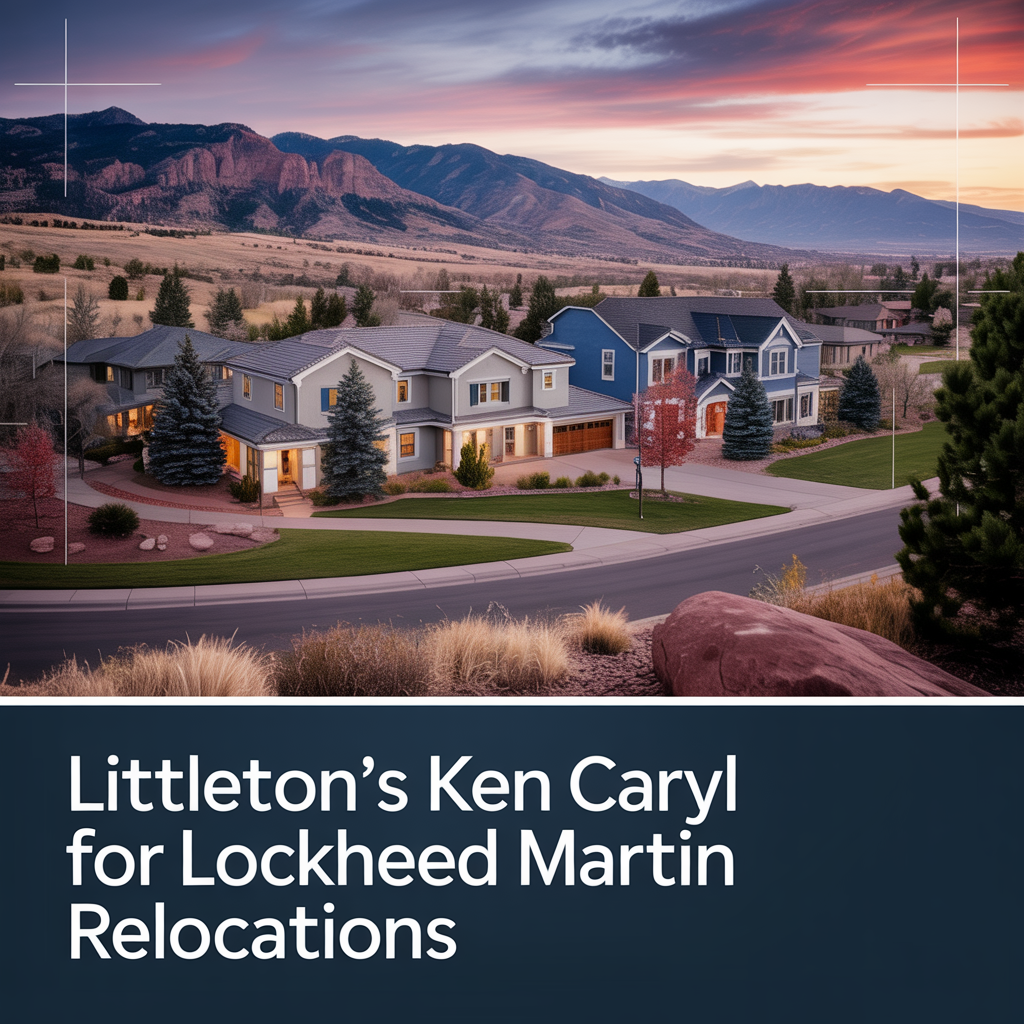
Littleton’s Ken Caryl for Lockheed Relocations
This is part of Lockheed Martin Relocation → [Lockheed Martin Relocation Hub] & the larger Denver Relocation Hub → [Denver Relocation Hub] Written by: Chad Cabalka Ken Caryl is one of the best-kept “family first” relocation options for Lockheed Martin employees who want foothills scenery, strong neighborhood appeal, and a real suburban lifestyle that still feels connected…


Centennial & Parker for Lockheed Relocations
This is part of Lockheed Martin Relocation → [Lockheed Martin Relocation Hub] & the larger Denver Relocation Hub → [Denver Relocation Hub] Written by: Chad Cabalka Centennial and Parker are two of the smartest suburban choices for Lockheed Martin employees relocating with families because they give you a strong balance of commute flexibility, good neighborhood variety, and…

Highlands Ranch for Family-Friendly Lockheed Relocations
This is part of Lockheed Martin Relocation → [Lockheed Martin Relocation Hub] & the larger Denver Relocation Hub → [Denver Relocation Hub] Written by: Chad Cabalka Highlands Ranch is one of the strongest choices for Lockheed Martin employees relocating with families because it delivers exactly what most parents want after a big move: stable neighborhoods, strong community…