


This guide is part of our Arvada Real Estate Guide→ [Arvada Real Estate Guide]
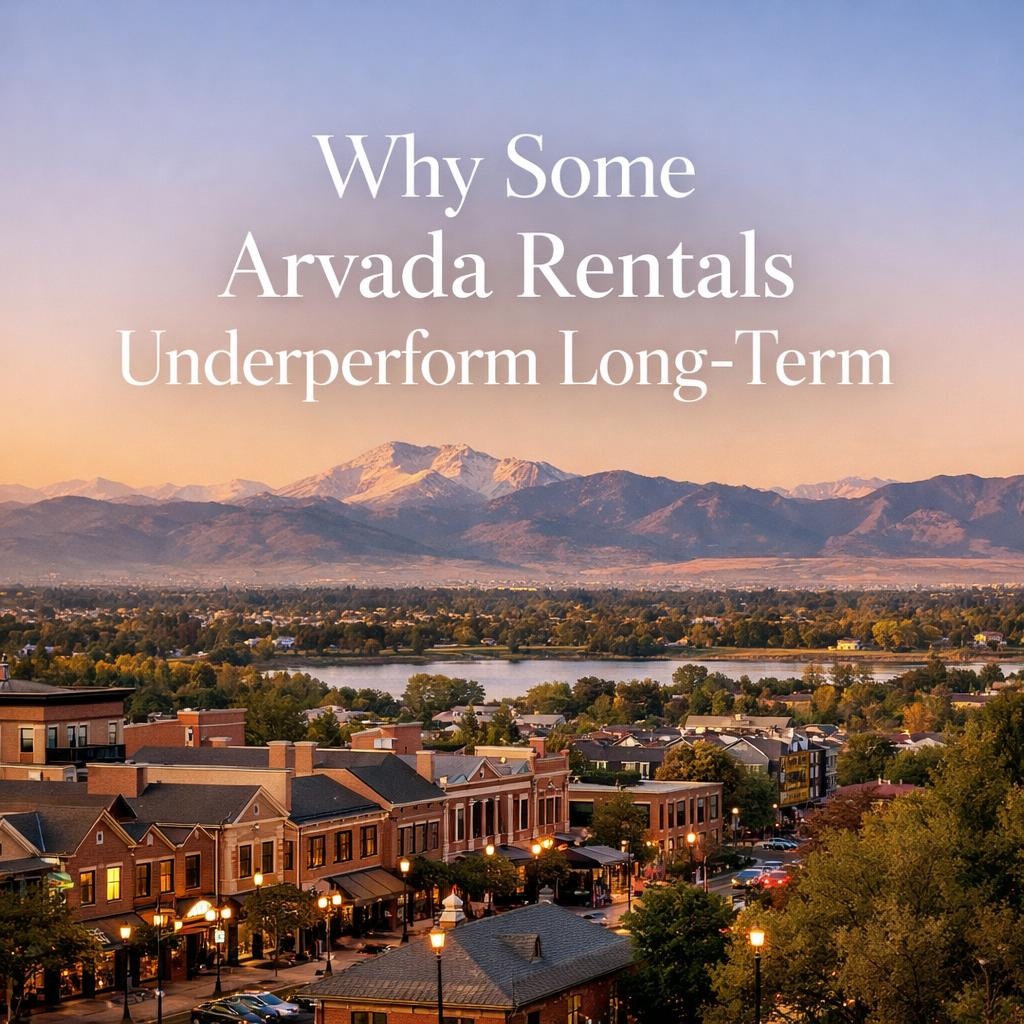
Why Some Arvada Rentals Underperform Long-Term
Arvada’s rental market sits at a crossroads in the Denver metro area, where steady demand meets unique local pressures that erode long-term returns for some properties. Owners of underperforming rentals often face persistent vacancies, escalating maintenance costs, and stagnant rents, not because of broad market downturns, but due to overlooked property-specific and neighborhood dynamics. Understanding these factors equips investors to select or reposition assets for sustained profitability.
Arvada’s Rental Landscape Basics
Arvada blends suburban appeal with proximity to Denver, drawing renters who commute via I-76 or Ward Road. Single-family homes and townhomes dominate the housing stock here, comprising over 70% of rentals, unlike denser condo-heavy areas like Lakewood. This mix supports baseline occupancy rates around 94-95%, but long-term underperformance emerges when properties ignore renter priorities shaped by Front Range realities.
Renters in Arvada prioritize space for remote work setups and yards for Colorado’s active lifestyles, yet many older rentals—built in the 1970s and 1980s—lack these adaptations. Without updates, these units see turnover rates 20-30% higher than modernized peers, as tenants migrate to newer builds in nearby Westminster or Broomfield. Ownership costs compound this: Jefferson County’s property taxes average 0.7% of assessed value, but unrenovated rentals trigger higher insurance premiums due to aging roofs and systems vulnerable to mountain weather patterns.
Location Pitfalls Within Arvada Neighborhoods
Olde Town vs. Far North Disconnects
Olde Town Arvada thrives with walkable amenities and historic charm, commanding rents 10-15% above city averages—around $2,200 for a three-bedroom. Properties here hold value because renters value the community fabric, reducing vacancy risks during economic slowdowns. In contrast, far north neighborhoods near Majestic View or Hyland Hills struggle with isolation; renters endure 25-35 minute commutes to downtown Denver amid C-470 congestion, deterring long-term leases.
This commute penalty matters because Arvada’s job centers—tech hubs in nearby Golden or healthcare in Westminster—pull tenants southward. Rentals in these northern pockets see seasonal dips in winter, when snow on unplowed side streets amplifies travel frustrations. Data from local listings shows these areas average 45-60 days to re-lease, versus 20 days in central spots, directly slashing net yields by 2-4% annually.
Proximity to Industrial Zones
Industrial corridors along Indiana Street host warehouses and light manufacturing, which suppress nearby rental appeal. Noise from 24-hour operations and diesel truck traffic disrupts sleep and remote calls, key for Arvada’s professional renter base—teachers, engineers, and state employees. Properties within a half-mile radius experience 15% higher turnover, as families opt for quieter enclaves like Ralston Valley.
Air quality concerns from periodic emissions further deter commitments beyond 12 months. Investors overlook this at their peril: resale values dip 5-8% compared to residential-core listings, turning what seems like a value buy into a cash-flow drain.
Property Condition and Maintenance Oversights
Deferred Upkeep in Aging Stock
Arvada’s median rental age exceeds 40 years, with many featuring original HVAC and plumbing. Systems failing prematurely—common in Colorado’s freeze-thaw cycles—lead to emergency repairs costing $5,000-$15,000 per incident. Owners who defer maintenance chase short-term savings but face cascading issues: outdated electrical panels spark insurance cancellations, while inefficient windows drive utility bills 20-30% above market norms, which renters resist absorbing.
This cycle erodes equity; unaddressed wear signals neglect to prospective tenants, extending vacancies. Proactive owners budget 1-2% of property value yearly for capex, stabilizing rents and occupancy. Neglectful ones watch net operating income decline 10-15% over five years.
Layout Mismatches for Modern Renters
Basement-heavy homes, prevalent in Arvada’s ranch-style inventory, underperform as primary residences. Dim lighting, moisture from high water tables, and separation from main living areas make them unappealing for families. Renters pay 8-12% less for such configurations, preferring open floor plans in post-2000 builds.
Pet-friendly features lag too; only 40% of older Arvada rentals accommodate animals, versus 70% in Thornton. With 55% of renters owning pets, this gap fuels quick exits. Repositioning via cosmetic refreshes—like LED lighting and pet doors—lifts rents by $150-250 monthly, but inaction locks in subpar performance.
Market and Regulatory Pressures
Inventory Glut from Investor Exits
Denver metro’s softening sales market spills into Arvada rentals, with inventory at 3.8 months’ supply pushing sales 9% year-over-year. Distressed sellers convert homes to rentals hastily, flooding the market with unvetted units. These “accidental landlords” price aggressively, compressing rents across neighborhoods by 3-5% and extending lease-up times.
Local regulations add friction: Arvada’s rental licensing requires biennial inspections, flagging code violations that sideline properties for months. Non-compliance fines reach $1,000 per infraction, eroding thin margins. Savvy investors preempt this with preemptive audits, while novices absorb hits that compound into long-term losses.
Affordability Caps on Rent Growth
Median household incomes in Arvada hover at $95,000, capping three-bedroom rents at $2,400 before strain sets in. High ownership costs—mortgage rates near 6.5%, plus HOA fees in 25% of subdivisions—limit investor leverage for hikes. Properties exceeding 30% of local incomes stagnate, as renters downsize or relocate to Aurora’s cheaper stock.
Winter utility spikes from heating older envelopes further squeeze budgets, prompting early terminations. This dynamic explains why top-quartile rentals maintain 5% annual growth, while laggards flatline.
Tenant Selection and Management Flaws
High-caliber tenants—those with stable jobs at Ball Aerospace or Jefferson County Schools—anchor performance. Yet some owners accept credit scores below 650 or income-to-rent ratios under 3:1, inviting evictions that cost $4,000-$7,000 each in Colorado courts. Arvada’s eviction process averages 45 days, during which lost rent and legal fees wipe out quarterly profits.
Self-management amplifies risks; part-time owners miss subtle red flags like inconsistent employment, leading to 25% higher default rates. Professional firms charge 8-10% of rents but deliver 98% collections through screening and swift interventions, preserving cash flow.
Strategies to Avoid Underperformance
Target High-Demand Micro-Markets
Focus on neighborhoods like Northwest Arvada or Candelas, where new infrastructure—like Standley Lake trails—boosts desirability. These areas absorb supply quickly, with rents appreciating 4-6% yearly due to limited land for expansion. Avoid overbuilt pockets near Standley Lake, where oversupply lingers from 2010s booms.
Invest in Value-Add Upgrades
Allocate capital to high-ROI fixes: energy-efficient appliances cut tenant bills by $100 monthly, justifying 7% rent bumps. Fiber internet wiring appeals to remote workers, reducing vacancies by half. These moves yield internal rates of return above 9%, outpacing passive holds.
Align with Local Buyer Psychology
Arvada renters weigh long-term stability over flash; emphasize proximity to schools like Ralston Valley High, where test scores outperform state averages. Transparent lease terms and responsive maintenance build loyalty, extending average tenancy to 24 months versus the city’s 18-month norm.
Long-Term Outlook for Arvada Rentals
Arvada’s market balances toward buyers, with homes lingering 68 days on market statewide, granting renters negotiation power. Yet demand persists from relocators eyeing suburbs amid Denver’s density. Properties sidestepping the pitfalls outlined—prime locations, sound condition, rigorous management—will outperform, capturing appreciation as inventory normalizes.
Investors who dissect these underperformance drivers position for resilience. Colorado’s growth trajectory favors prepared owners.
Reach out today for a personalized Arvada rental portfolio analysis—contact me at [your email/phone] to discuss your property’s potential.



Littleton’s Ken Caryl for Lockheed Relocations
This is part of Lockheed Martin Relocation → [Lockheed Martin Relocation Hub] & the larger Denver Relocation Hub → [Denver Relocation Hub] Written by: Chad Cabalka Ken Caryl is one of the best-kept “family first” relocation options for Lockheed Martin employees who want foothills scenery, strong neighborhood appeal, and a real suburban lifestyle that still feels connected…


Centennial & Parker for Lockheed Relocations
This is part of Lockheed Martin Relocation → [Lockheed Martin Relocation Hub] & the larger Denver Relocation Hub → [Denver Relocation Hub] Written by: Chad Cabalka Centennial and Parker are two of the smartest suburban choices for Lockheed Martin employees relocating with families because they give you a strong balance of commute flexibility, good neighborhood variety, and…

Highlands Ranch for Family-Friendly Lockheed Relocations
This is part of Lockheed Martin Relocation → [Lockheed Martin Relocation Hub] & the larger Denver Relocation Hub → [Denver Relocation Hub] Written by: Chad Cabalka Highlands Ranch is one of the strongest choices for Lockheed Martin employees relocating with families because it delivers exactly what most parents want after a big move: stable neighborhoods, strong community…