



This guide is part of our Denver Home Buying Process→ [Denver Home Buying Process]
Colorado’s Denver metro area presents a balanced housing market in late 2025, where rising inventory and stabilizing rates give buyers more options while rents ease from prior peaks. Deciding between renting and buying hinges on financial readiness, time horizon, and tolerance for ownership responsibilities amid local realities like variable weather and suburban commutes. This analysis breaks down costs, trends, and implications to help serious buyers and sellers weigh long-term value.
Current Denver Rental Market Trends
Rents in Denver have declined year-over-year, averaging around $1,900 to $2,040 across unit types as of late 2025. Studios fetch about $1,450 to $1,700 monthly, one-bedrooms $1,650 to $1,950, and two-bedrooms $2,100 to $2,600, with variations by neighborhood like higher costs in Cherry Creek or RiNo.
This softening stems from increased multifamily supply and slower migration inflows, reducing pressure on landlords. For renters, lower costs provide breathing room, but annual increases remain common—often 3-5%—eroding savings over time. In suburbs like Aurora or Highlands Ranch, where your location suggests familiarity, rents trend 10-15% below central Denver, appealing for those prioritizing space over urban access.
Why it matters: Renting locks in flexibility for uncertain job moves or relocations, but builds no equity, meaning five years at $2,500 monthly totals $150,000 with zero return. Buyer behavior shows many use this period to save down payments while monitoring inventory growth.
Denver Home Prices and Sales Dynamics
Median home prices in the Denver metro hold at $575,000 to $640,000 for single-family detached homes, with condos and townhomes at $420,000. Inventory has climbed to levels unseen since 2019, with new listings up 11% year-over-year and active listings exceeding 18,000 in peaks.
The market tilts toward buyers: Homes linger 19 days on average, up from 11 in 2023, enabling negotiations on price or concessions. Suburbs like Littleton, Arvada, and Parker offer single-family stock with strong demand, while central areas favor multifamily. Forecasts point to modest price softening of 3-4% into 2026 amid affordability strains.
These shifts matter because they reduce competition, letting prepared buyers secure properties without bidding wars. Sellers face delist rates near 39% in Denver, underscoring the need for realistic pricing in a normalizing market.
Ownership Costs Beyond the Mortgage
At 6.0-6.1% for 30-year fixed rates in December 2025, a $420,000 condo with 5% down yields principal and interest around $2,300 monthly. Add property taxes—assessed at 6.95% of market value times mill levies like Denver’s 72 mills—for $400-600 annually on a $600,000 home.
Homeowners insurance averages $2,200-$3,000 yearly, higher in weather-exposed suburbs due to heating demands and potential flooding. Utilities run $200 monthly, covering electricity ($100), heating, and water—elevated by Colorado’s cold winters requiring robust systems. Maintenance adds 1-2% of home value yearly, or $6,000-$12,000, covering roofs and HVAC suited to altitude and snow loads.
Total ownership often exceeds rent short-term but stabilizes payments while building equity. In Denver suburbs, commute patterns amplify this: Lakewood or Englewood offer 20-40 minute light rail trips to downtown, minimizing vehicle costs versus farther Parker.
Rent vs. Buy Breakeven Analysis
Breakeven occurs around 3 years in Denver: Renting a $2,500/month unit for 36 months costs $90,000 with no asset gain. Buying builds $50,000+ equity via payments and 3-5% appreciation, plus tax deductions on interest and taxes.
Upfront hurdles favor renting: Deposits run one month’s rent versus 3-20% down ($12,600-$84,000) plus closing. Yet ownership yields control—customize amid weather demands or host family without lease limits. Relocators note suburban single-family stock suits long-term holds, with historical 5-7% growth outpacing rent hikes.
| Scenario (5 Years) | Renting Total Cost | Buying Total Cost (w/ 4% Appreciation) |
|---|---|---|
| Monthly Avg. | $150,000 | $210,000 paid; $75,000 equity gain |
| Net Position | -$150,000 | -$135,000 (improves over time) |
This math explains why staying 3+ years favors buying: Equity compounds, hedging inflation in ownership costs like utilities tied to Colorado’s climate.
When Renting Makes Sense in Denver
Rent if horizons under 3 years, prioritizing mobility amid job shifts or market uncertainty. Suburbs like Highlands Ranch provide value with lower rents and RTD access, ideal for testing areas before committing. No maintenance frees time, crucial for dual-income households facing 46-minute average rush-hour commutes.
Landlord-covered repairs suit risk-averse buyers, especially with insurance premiums reflecting local weather variability. Current rent drops amplify this, delaying buy decisions without penalty.
Strategic Timing for Buyers and Sellers
Buyers benefit now from inventory leverage and rates near 6%, locking payments before potential 2026 dips. Target suburbs like Arvada or Westminster for family homes with schools and commutes under 30 minutes. Sellers should price competitively, as 91% of listings see value adjustments amid buyer caution.
Denver’s housing shortage persists, but balance favors prepared participants. Weather influences timing: List in spring to avoid winter showings slowed by snow.
Long-Term Ownership Value in the Metro Area
Over 10 years, Denver homes appreciate steadily, turning payments into assets amid limited supply. Ownership costs stabilize housing expenses versus rent escalation, vital with median incomes at $77,000. Suburbs offer resilient value, with single-family demand enduring despite multifamily influx.
This path builds wealth quietly, aligning with buyer psychology favoring stability post-pandemic volatility.
Conclusion
In Denver’s 2025 market, renting suits short-term flexibility amid falling prices, while buying excels for 3+ year stays through equity and fixed costs. Local factors—commutes, weather-driven maintenance, suburban stock—tilt decisions toward ownership for committed residents. Assess personal finances against these realities for clarity.
For tailored analysis on your situation in Highlands Ranch or nearby, reach out directly to discuss rent-vs-buy math specific to your goals and timeline.cisively and with confidence.


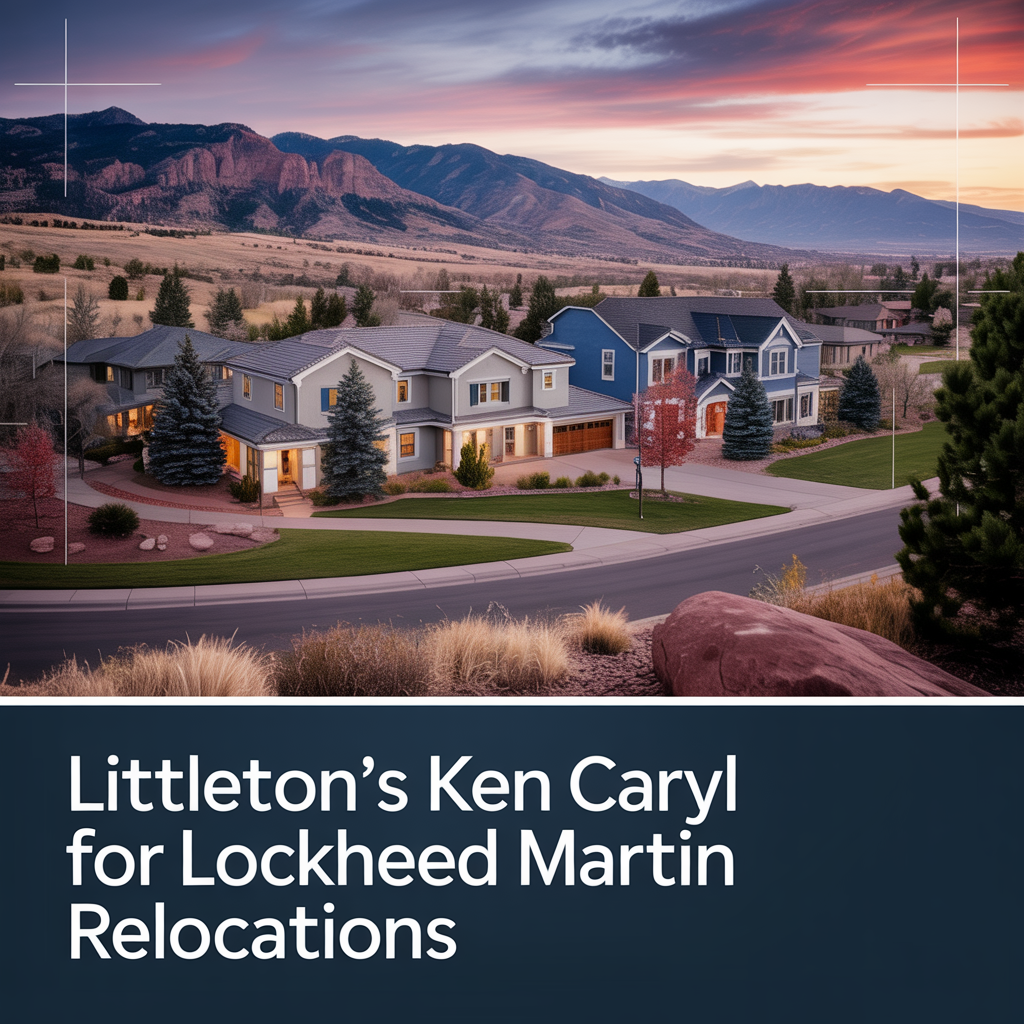
Littleton’s Ken Caryl for Lockheed Relocations
This is part of Lockheed Martin Relocation → [Lockheed Martin Relocation Hub] & the larger Denver Relocation Hub → [Denver Relocation Hub] Written by: Chad Cabalka Ken Caryl is one of the best-kept “family first” relocation options for Lockheed Martin employees who want foothills scenery, strong neighborhood appeal, and a real suburban lifestyle that still feels connected…


Centennial & Parker for Lockheed Relocations
This is part of Lockheed Martin Relocation → [Lockheed Martin Relocation Hub] & the larger Denver Relocation Hub → [Denver Relocation Hub] Written by: Chad Cabalka Centennial and Parker are two of the smartest suburban choices for Lockheed Martin employees relocating with families because they give you a strong balance of commute flexibility, good neighborhood variety, and…

Highlands Ranch for Family-Friendly Lockheed Relocations
This is part of Lockheed Martin Relocation → [Lockheed Martin Relocation Hub] & the larger Denver Relocation Hub → [Denver Relocation Hub] Written by: Chad Cabalka Highlands Ranch is one of the strongest choices for Lockheed Martin employees relocating with families because it delivers exactly what most parents want after a big move: stable neighborhoods, strong community…