



To get more information on Denver → [Denver] & Overall Market Info → [Market Insights]
In the Denver metro area, where homes often date back decades and expansive clay soils shift with seasonal moisture changes, hidden defects in sewer lines pose a substantial risk to property value and ownership costs. A sewer scope inspection uses a camera to visually examine these underground pipes, revealing problems that standard home inspections miss. This process matters because undetected issues can lead to repairs costing tens of thousands, disrupting transactions and long-term budgets for buyers and sellers alike.
What Is a Sewer Scope Inspection?
A sewer scope inspection involves inserting a small, high-definition, self-leveling camera into the sewer line through an accessible cleanout, roof vent, or by temporarily removing a toilet. The camera travels through the pipe, transmitting live video to a monitor that captures the interior condition from the home to the city connection, typically 50 to 100 feet.
Inspectors note pipe material, alignment, and defects in real time, producing a video report and written summary. This direct visualization exceeds guesswork from surface symptoms, providing evidence for negotiations or repairs. In Colorado suburbs like Highlands Ranch or Parker, where mature trees line properties, such precision identifies risks early.
The process takes 45 to 90 minutes, with minimal disruption. Technicians sanitize equipment afterward and restore access points exactly as found. Results guide decisions on whether lines need maintenance, spot fixes, or full replacement.
Why Sewer Scopes Matter in Colorado Real Estate
Colorado’s environment accelerates sewer line wear, making scopes essential for informed decisions. Expansive clay soils in the Denver metro swell in spring rains and shrink in summer droughts, stressing pipes and causing cracks or sags known as “bellies” that trap waste.
Older neighborhoods like those in Littleton or Centennial feature homes built before 1980 with clay tile, cast iron, or Orangeburg pipes, materials prone to joint separation after 40-60 years. Freeze-thaw cycles—common from November to March—exert freezing pressure on shallow lines, worsening cracks that allow roots from nearby aspens or maples to invade.
Buyers face surprise costs post-closing; sellers risk deal cancellations if issues surface late. Commute-heavy suburbs amplify urgency, as backups during peak hours create health hazards amid daily routines. Scopes protect equity by quantifying risks before commitment.
Costs of Sewer Scope Inspections in Denver Metro
Expect to pay $250 to $700 for a standard sewer scope in the Denver area, with many providers offering flat rates around $300-$500 including video and report. Prices vary by access difficulty—removing a toilet adds little since it’s included—and line length, but no extras for locating issues or basic diagnostics.
In suburbs like Castle Rock or Lone Tree, costs align similarly, often bundled with home inspections for $150-$300 add-on. This investment contrasts sharply with average undetected repair costs of $7,500, making it a high-return step. Sellers sometimes cover it to build buyer confidence; buyers negotiate credits if contingencies allow.
Common Issues Found in Colorado Sewer Lines
Camera inspections routinely uncover problems tied to local conditions. Root intrusion tops the list: Aggressive roots from mature trees infiltrate joints in clay or cast iron pipes, expanding to block flow and crack walls, especially in tree-lined Arvada or Westminster yards.
Cracks and corrosion degrade older materials—clay tiles separate at bellied sections from soil shifts, while cast iron rusts internally from mineral buildup in hard Denver water. Blockages from grease, debris, or sags compound these, slowing drains house-wide.
Misalignment or collapsed sections appear in 30-50-year-old lines, often from ground settling near construction sites. These findings explain recurring backups, not just isolated clogs, and signal progression without intervention.
Repair Risks and Cost Implications
Spot repairs for isolated cracks or roots cost $2,500-$5,000 for under-slab or yard work, but multiple sites demand full replacement at $10,000-$40,000 depending on length, material, and method. Traditional excavation digs trenches, disrupting driveways and landscapes in dense metro lots, while trenchless options like pipe bursting or CIPP lining minimize yard damage at similar or lower total cost.
Risks escalate with neglect: Sewage backups damage foundations via soil erosion, raise health concerns from pathogens, and inflate insurance claims. In Colorado, winter delays repairs, compounding expenses as freeze-thaw widens cracks.
Long-term, PVC replacements last 100+ years, resisting roots and corrosion better than legacy materials, stabilizing ownership costs amid rising metro property taxes.
Integrating Sewer Scopes into Transactions
Buyers should request scopes during the inspection period, ideally with experienced local technicians familiar with Colorado soils. Video evidence strengthens contingency clauses, allowing credits, repairs, or walkaways without penalty.
Sellers benefit by pre-listing scopes: Clean reports attract offers; disclosed minor fixes demonstrate transparency, avoiding post-inspection haggling. In competitive markets like Highlands Ranch, this edges listings ahead.
Relocators from stable climates underestimate soil impacts—insist on scopes to align expectations with Denver realities. Lenders rarely require them, but wise agents advise inclusion for liability protection.
Negotiating After a Failed Sewer Scope
Present video reports objectively: Quantify issues (e.g., “50-foot clay line with three root intrusions”) and cite repair bids from two providers. Request seller-funded fixes or price reductions matching verified costs, typically 1-2% of sale price.
If extensive, propose trenchless bids to limit seller disruption. Walk if risks exceed thresholds, as Colorado’s disclosure laws protect informed exits. Document everything to safeguard earnest money.
Conclusion
Sewer scope inspections equip Colorado buyers and sellers with clarity on underground risks that weather patterns, aging stock, and soils amplify in the Denver metro. Addressing them proactively preserves transaction momentum and long-term value, turning potential liabilities into managed realities.
For personalized insights on your property’s sewer scope needs or market implications, reach out to me directly to discuss options and next steps.


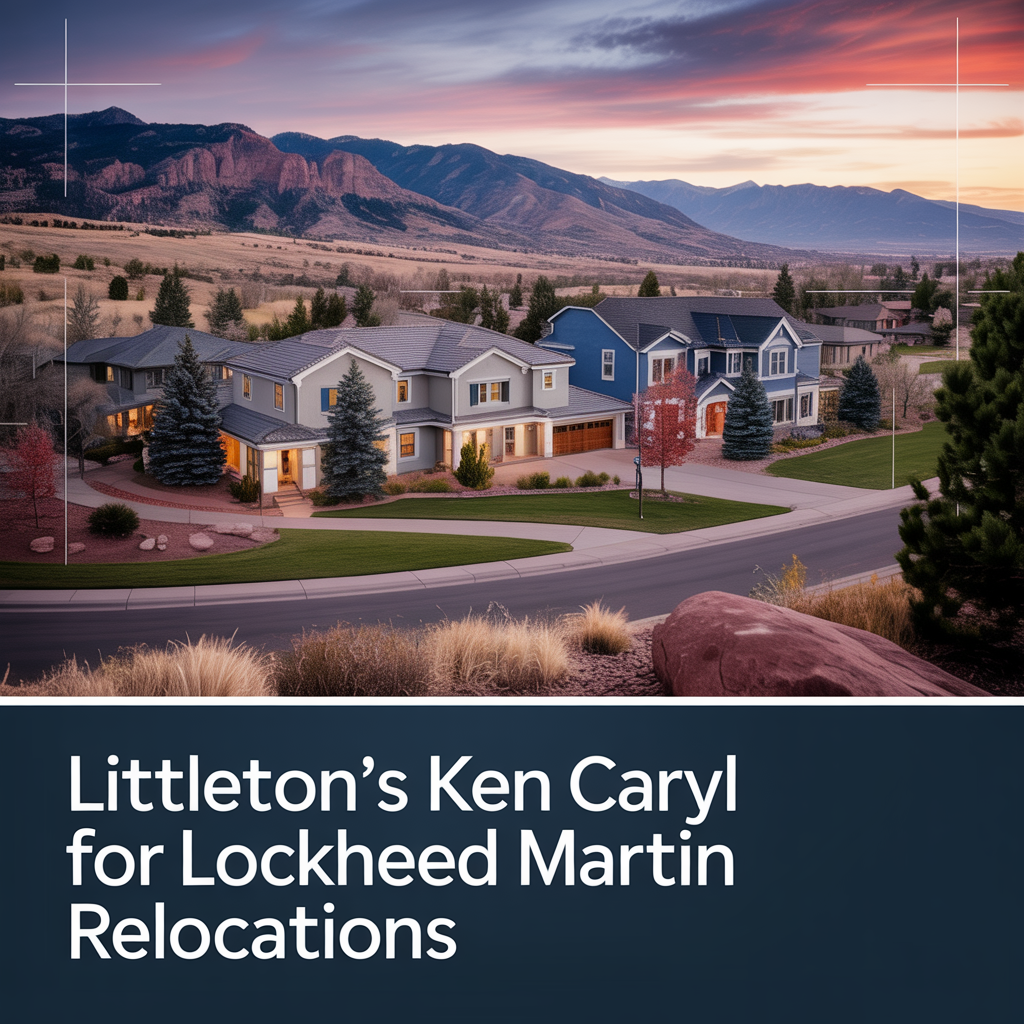
Littleton’s Ken Caryl for Lockheed Relocations
This is part of Lockheed Martin Relocation → [Lockheed Martin Relocation Hub] & the larger Denver Relocation Hub → [Denver Relocation Hub] Written by: Chad Cabalka Ken Caryl is one of the best-kept “family first” relocation options for Lockheed Martin employees who want foothills scenery, strong neighborhood appeal, and a real suburban lifestyle that still feels connected…


Centennial & Parker for Lockheed Relocations
This is part of Lockheed Martin Relocation → [Lockheed Martin Relocation Hub] & the larger Denver Relocation Hub → [Denver Relocation Hub] Written by: Chad Cabalka Centennial and Parker are two of the smartest suburban choices for Lockheed Martin employees relocating with families because they give you a strong balance of commute flexibility, good neighborhood variety, and…

Highlands Ranch for Family-Friendly Lockheed Relocations
This is part of Lockheed Martin Relocation → [Lockheed Martin Relocation Hub] & the larger Denver Relocation Hub → [Denver Relocation Hub] Written by: Chad Cabalka Highlands Ranch is one of the strongest choices for Lockheed Martin employees relocating with families because it delivers exactly what most parents want after a big move: stable neighborhoods, strong community…