



This is part of the Denver Metro Relocation Guide → [Relo Guide]
Colorado’s Denver metro area draws significant interest from Texas relocators seeking quality public education alongside practical homeownership realities. These buyers prioritize suburbs where top-rated schools coexist with balanced housing markets, avoiding the cutthroat bidding wars seen in central Denver neighborhoods. This post examines key Denver suburbs that align with those preferences, focusing on school performance, market dynamics, and ownership considerations specific to out-of-state families.
Why Texans Target Denver-Area Schools
Texas families relocating to Colorado often cite education as a primary driver, given the state’s consistent top rankings for public K-12 systems. Denver suburbs benefit from well-funded districts bolstered by local property taxes and state mill levies, which support smaller class sizes and advanced programs without relying on vouchers prevalent in some Texas regions. For buyers, strong schools enhance long-term property value retention, as families tend to stay longer and neighborhoods maintain desirability amid population growth.
These areas appeal particularly to Texans because they offer comparable suburban lifestyles—spacious single-family homes, short drives to urban amenities—but with Colorado’s emphasis on academic outcomes over athletic programs. Relocators from Houston or Dallas suburbs find familiarity in the layout, yet gain from districts where graduation rates exceed 90% and college readiness scores outpace national averages. This combination reduces buyer remorse, as education quality directly correlates with resale stability in a market prone to economic shifts from energy and tech sectors.
Highlands Ranch: Balanced Appeal for Families
Highlands Ranch stands out for Texans due to Douglas County’s top-tier Douglas County School District, consistently earning 8-10 ratings on GreatSchools metrics. Families value the district’s focus on STEM programs and dual-enrollment options with local universities, preparing students for Colorado’s tech-heavy job market without the intense competition of Cherry Creek or Boulder districts. Homes here, primarily 1990s-2000s builds with 4,000+ square feet, list around $800,000 to $1.2 million, reflecting steady appreciation driven by low inventory rather than frenzy.
Commute patterns favor Highlands Ranch for those working in south Denver or Lone Tree tech parks, with E-470 providing efficient access under 30 minutes even during peak snow events. Ownership costs include higher property taxes—about 0.7% of assessed value—but offset by energy-efficient homes suited to Colorado’s temperature swings, lowering utility bills compared to Texas AC demands. Texans appreciate the absence of bidding wars; recent sales close at 98-99% of list price after 20-40 days on market, allowing negotiation on inspections or closing dates.
Market Dynamics Without Overheating
Unlike central Denver, Highlands Ranch sees fewer all-cash offers from investors, preserving opportunities for financed buyers. The suburb’s master-planned communities limit new construction, stabilizing supply at 2-3 months, which supports predictable pricing. For sellers, this means staging for family appeal—updated kitchens and home offices—yields quickest results, while buyers gain from seller concessions on repairs, a rarity in hotter Front Range spots.
Parker: Value and Accessibility Combined
Parker attracts Texas relocators through Douglas County Schools’ extensions, with schools like Chaparral High scoring high on AP participation and state assessments. The district’s bond-funded facilities ensure modern tech integration, addressing concerns for families transitioning from larger Texas ISD systems. Median home prices hover at $700,000-$950,000 for updated ranches and two-stories on quarter-acre lots, offering more square footage per dollar than Highlands Ranch without sacrificing school quality.
Buyers factor in Parker’s position along Parker Road, enabling 20-25 minute drives to Denver International Airport or Centennial hubs, critical for frequent Texas flyers. Weather impacts here mean prioritizing properties with southern exposures for passive solar gain, reducing heating costs in winters that dip below freezing. Ownership expenses align with metro norms—HOA fees around $200 quarterly cover snow removal—but low flood risk compared to Texas plains adds security.
Avoiding Competition in a Growing Suburb
Parker’s market balances with 3-4 months of inventory, allowing Texans to tour multiple options without pressure. Sales velocity picks up in spring but cools predictably in winter, giving relocators from warmer climates time to acclimate before committing. This rhythm suits thoughtful buyers who research total costs, including vehicle maintenance for mountain passes, ensuring decisions prioritize equity buildup over short-term flips.
Castle Rock: Emerging Favorite for Relocators
Castle Rock, also in Douglas County, draws Texans with schools like Castle View High, known for rigorous academics and extracurriculars that mirror Texas standards without the scale-driven intensity. The district invests in career-tech pathways, aligning with Colorado’s aerospace and engineering growth, which reassures families eyeing long-term stays. Homes range from $650,000 starter ranches to $1 million estates, with recent builds incorporating smart-home features amid limited older stock.
Positioned south of Denver, Castle Rock offers I-25 access for 30-40 minute commutes to downtown, though locals advise Wolfensberger Road for avoiding rush-hour backups. Colorado’s elevation demands attention to home maintenance—like furnace checks before first snow—but rewards with durable construction suited to dry climates. Property taxes at 0.65% support school mill levies, directly tying ownership to educational outcomes buyers seek.
Steady Market for Strategic Buyers
Inventory here trends toward balance, with homes lingering 30-50 days and closing near list after minor concessions. Texans benefit from fewer California cash buyers, focusing competition on local transfers. This environment encourages pre-approvals and targeted offers, preserving negotiating leverage in a suburb where school boundaries drive 70% of demand.
Erie and Superior: Northern Options with Less Buzz
Erie, straddling Weld and Boulder counties, appeals via St. Vrain Valley and Boulder Valley districts, both boasting 9-10 GreatSchools ratings for elementary feeders into award-winning highs. Erie High’s innovation programs attract tech-oriented Texas families avoiding Boulder’s premium pricing. Homes start at $600,000 for new townhomes, scaling to $900,000 detached, with rapid infrastructure growth matching population influx.
Superior, in Boulder County, offers similar via Monarch High, emphasizing global studies amid lower density. Commutes via US-36 to Denver take 25-35 minutes, with DIA under an hour, suiting hybrid workers. Northern suburbs face less winter road chaos than I-70 corridors, though buyers should budget for all-wheel-drive vehicles.
Lower Competition in Expanding Areas
These towns maintain 4-5 months supply, deterring speculators and favoring families. Texans find value in pre-construction incentives, locking rates before broader market shifts. School-driven demand sustains values without volatility.
Littleton: Established Choice for Stability
Littleton leverages Jefferson County’s highly rated district, with Heritage and Chatfield highs excelling in college prep. Proximity to C-470 eases access to Denver Tech Center jobs, 20-30 minutes typical. Prices from $750,000 reflect mature neighborhoods with mature trees buffering wind, a plus over exposed Texas lots.
Ownership includes moderate HOAs focused on trails, enhancing walkability. Market balance shows 40-day averages, with room for due diligence.
Ownership Costs and Buyer Behavior in These Suburbs
Across these areas, annual taxes run $5,000-$8,000 on median homes, funding schools that retain families. Utilities average $300 monthly, higher than Texas due to heating, but solar rebates mitigate. Texans adjust to longer school buses in winter but gain from districts’ bus route reliability.
Buyers here exhibit caution, touring 5-10 properties and prioritizing inspections for foundation shifts from clay soils. Sellers price realistically, achieving sales without escalation clauses common in core Denver.
Conclusion
Denver suburbs like Highlands Ranch, Parker, Castle Rock, Erie, Superior, and Littleton deliver the strong schools Texans seek, paired with markets allowing deliberate decisions over frenzy. These areas underscore Colorado real estate’s emphasis on sustainable value, where education quality and commute efficiency underpin ownership success amid regional growth.
For personalized insights on these neighborhoods or relocation strategies, reach out to me directly to discuss your specific needs and market timing.
Get the full Denver Market Insights → [Market Insights]


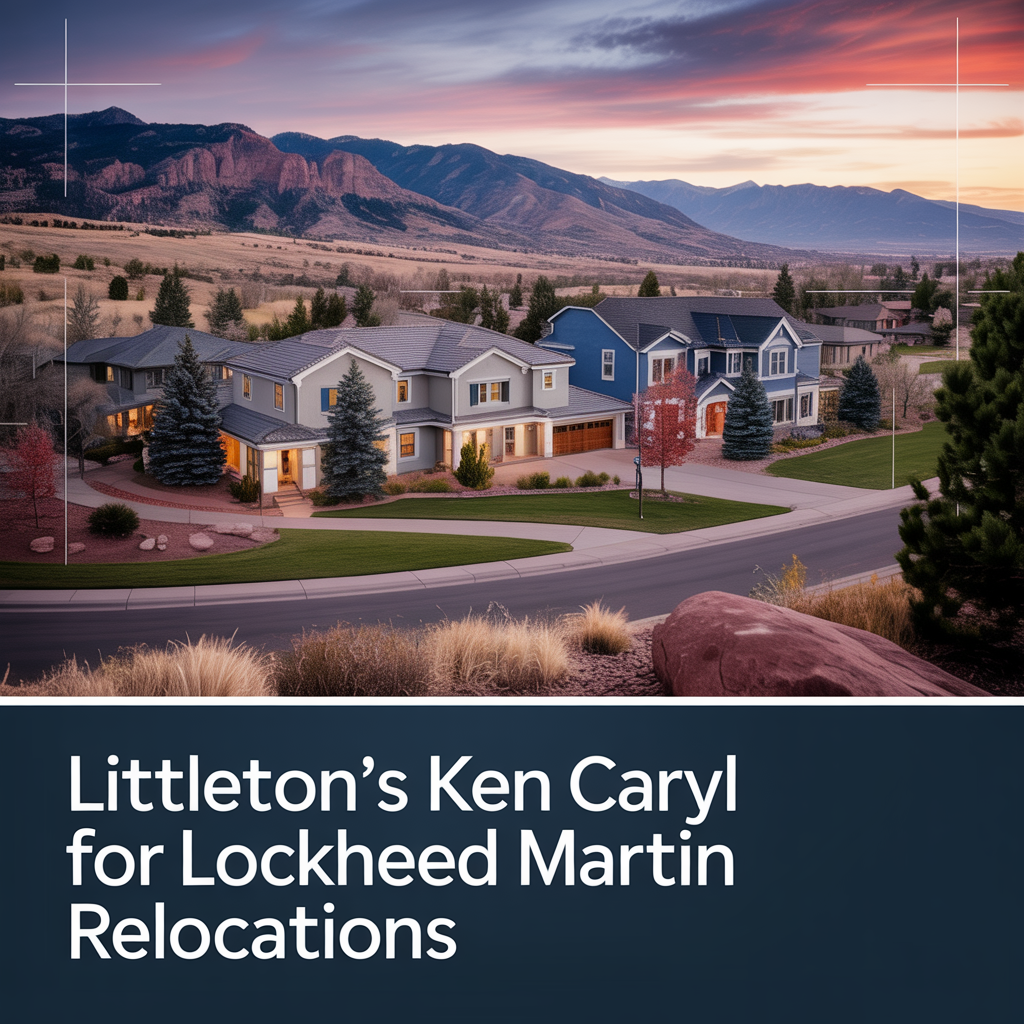
Littleton’s Ken Caryl for Lockheed Relocations
This is part of Lockheed Martin Relocation → [Lockheed Martin Relocation Hub] & the larger Denver Relocation Hub → [Denver Relocation Hub] Written by: Chad Cabalka Ken Caryl is one of the best-kept “family first” relocation options for Lockheed Martin employees who want foothills scenery, strong neighborhood appeal, and a real suburban lifestyle that still feels connected…


Centennial & Parker for Lockheed Relocations
This is part of Lockheed Martin Relocation → [Lockheed Martin Relocation Hub] & the larger Denver Relocation Hub → [Denver Relocation Hub] Written by: Chad Cabalka Centennial and Parker are two of the smartest suburban choices for Lockheed Martin employees relocating with families because they give you a strong balance of commute flexibility, good neighborhood variety, and…

Highlands Ranch for Family-Friendly Lockheed Relocations
This is part of Lockheed Martin Relocation → [Lockheed Martin Relocation Hub] & the larger Denver Relocation Hub → [Denver Relocation Hub] Written by: Chad Cabalka Highlands Ranch is one of the strongest choices for Lockheed Martin employees relocating with families because it delivers exactly what most parents want after a big move: stable neighborhoods, strong community…