



This is part of the Denver Metro Relocation Guide → [Relo Guide]
Californians relocating to Denver often seek neighborhoods that deliver tangible value beyond surface appeal. These buyers, accustomed to high costs and congestion in coastal markets, prioritize walkability, commute efficiency, and ownership costs that align with Colorado’s distinct realities like elevation-driven weather patterns and limited housing stock. Understanding these factors reveals why certain areas stand out as strategic long-term choices.
Neighborhood Traits That Signal Long-Term Value
Denver’s metro area offers a range of suburbs and enclaves, but Californians gravitate toward those balancing accessibility with understated quality of life. Weather influences daily routines here—snow accumulation affects drive times more than in milder climates, making proximity to key corridors essential. Neighborhoods excelling in this deliver a sense of security in resale potential and maintenance predictability.
Walkability and Everyday Convenience
Walkable neighborhoods reduce reliance on cars, a shift many Californians appreciate after years of traffic-dependent living. Areas like LoDo and Highland feature mature street grids with coffee shops, markets, and parks within a quarter-mile radius, fostering incidental social connections that enhance perceived value. This matters because it lowers transportation costs—critical when Colorado’s property taxes, though lower than California’s, still demand budget discipline—and supports hybrid work lifestyles common among tech transplants.
In contrast, sprawling suburbs force longer drives, amplifying frustration during winter inversions when air quality dips and roads slow. Buyers from the Bay Area or LA report that neighborhoods scoring high on walk scores (above 70) feel immediately “livable,” correlating with faster appreciation as remote work solidifies. These pockets preserve housing stock diversity, from historic bungalows to modern townhomes, avoiding the uniformity that plagues newer developments.
Commute Patterns That Align with Work Hubs
Commute reliability defines worth for professionals targeting Denver’s tech, energy, and finance sectors. Neighborhoods along the I-25 corridor, such as Highlands Ranch or Littleton, offer 20-30 minute drives to downtown even in peak hours, outperforming distant exurbs. This efficiency stems from Colorado’s radial highway design, where E-470 tolls provide bypass options, but only select areas avoid bottlenecks near C-470.
For Californians, this translates to reclaiming time—hours saved weekly compound into family or fitness priorities, boosting satisfaction. Data shows homes in these zones resell 10-15% faster during balanced markets, as buyers value predictability over square footage. Elevation changes add nuance; suburbs at 6,000 feet experience sharper temperature swings, influencing energy bills, so insulated, south-facing designs in places like Centennial hold appeal for cost-conscious relocators.
Ownership Costs in Colorado Context
Californians often underestimate total ownership costs here, where upfront prices seem bargain-priced but utilities and maintenance reflect high-altitude demands. Neighborhoods that minimize these surprises feel like smart investments, explaining their pull.
Property Taxes and Insurance Realities
Colorado’s property taxes average 0.5-0.6% of assessed value, roughly half California’s rate, providing immediate relief on million-dollar equivalents. However, in neighborhoods like Washington Park or Cherry Creek, higher assessments reflect premium lots, yet the effective burden remains manageable at $4,000-6,000 annually for a $800,000 home. This stability matters because it frees capital for equity buildup, unlike volatile coastal reassessments.
Insurance costs rise with wildfire risk in foothill-adjacent areas, but core metro spots like Englewood keep premiums 20-30% below foothill levels due to better fire department ratings. Buyers prioritize these for peace of mind, as unexpected spikes erode the “affordability win” narrative. Selecting neighborhoods with municipal water and sewer—avoiding well-dependent outskirts—further stabilizes long-term budgeting.
Maintenance Driven by Local Weather
Winter snow loads demand sturdy roofs and driveways, while summer sun accelerates fading on unprotected exteriors. Neighborhoods with established HOAs, like those in Greenwood Village, enforce standards that protect values, spreading costs across owners. This proactive approach appeals to Californians familiar with strata fees, but here it yields higher compliance without coastal quake premiums.
Heating costs average $150-250 monthly in older Lakewood stock versus $100 in newer Parker builds, a detail that sways decisions toward energy-efficient suburbs. These areas demonstrate worth through resilience—homes holding value during market slowdowns, as seen in recent balances where inventory reached four months’ supply statewide.
Buyer Behavior Shifts from California Mindset
Californians bring discerning habits, viewing Denver moves through a lens of financial recalibration and space equity. Neighborhoods resonating with this psychology deliver outsized satisfaction.
Space and Privacy Expectations
After compact urban condos, the allure of single-family homes under 3,000 square feet on quarter-acre lots hits differently. Suburbs like Arvada or Westminster offer this without isolation, their ranch-style inventory providing yards for remote offices or hobbies—features scarce in LA basins. Privacy fences and mature trees buffer noise, creating a sanctuary feel that justifies premiums.
This space premium matters for resale; larger footprints appreciate steadily in family-oriented pockets, where school districts like Cherry Creek draw long-term owners. Californians note how these layouts support multigenerational setups, adapting to life changes better than stacked coastal units.
School Districts and Family Infrastructure
Top-rated districts underpin “worth it” perceptions, especially for relocating families. Areas like Douglas County—encompassing Highlands Ranch—boast API scores above 900, signaling academic rigor without coastal tuition pressures. Proximity to district hubs cuts bus times, a practical edge during snowy commutes.
These neighborhoods attract dual-income households, stabilizing demand even as metro prices soften slightly year-over-year. Buyers weigh this infrastructure as future-proofing, knowing strong schools correlate with 5-7% higher appreciation over decades.
Market Dynamics Influencing Relocation Choices
Colorado’s market, now balancing after pandemic surges, favors thoughtful buyers. Median prices hover around $550,000 statewide, with Denver metro single-family homes higher, yet concessions like 5-6% below list are common. This environment lets Californians negotiate in walkable or commuter-strong areas.
Inventory and Timing for Relocators
Growing inventory—up to 30,000 listings—provides leverage, particularly in suburbs like Aurora where attached homes move quickly. Californians benefit from off-season entry (late fall), when sellers concede on closing costs. Neighborhoods with new construction, such as in Erie, blend familiarity with modern efficiencies, easing the transition.
Trends show 45-65 days on market for well-priced properties, allowing due diligence on overlooked costs like HOA transfers. This pace suits deliberate buyers, ensuring the move feels calculated rather than rushed.
Resale Potential in a Balanced Market
Neighborhoods demonstrating consistent demand, like Hilltop or Stapleton’s evolution into Central Park, offer equity growth of 3-5% annually. Foothill views add intangible value without excessive risk, appealing to those trading coastal condos. In a market with mid-6% rates, these areas hold firm, rewarding patience.
Why These Elements Combine for Lasting Appeal
Standout neighborhoods integrate walkability, commutes, costs, and infrastructure into cohesive packages. Highlands Ranch exemplifies this: 25-minute drives to DTC offices, solid schools, and HOA-maintained snow removal make it a benchmark for Californians. Similarly, Lowry’s aviation history infuses character, with green spaces buffering density.
These traits matter because they address root relocation drivers—financial prudence amid Colorado’s growth and behavioral fit post-California intensity. Buyers report higher retention when neighborhoods align holistically, fostering roots rather than regret.
In Denver’s evolving market, where balance brings opportunity, selecting a neighborhood on these merits secures enduring value. For tailored insights on whether a specific suburb matches your priorities, reach out to me directly—let’s discuss how these dynamics apply to your move.
Get the full Denver Market Insights → [Market Insights]


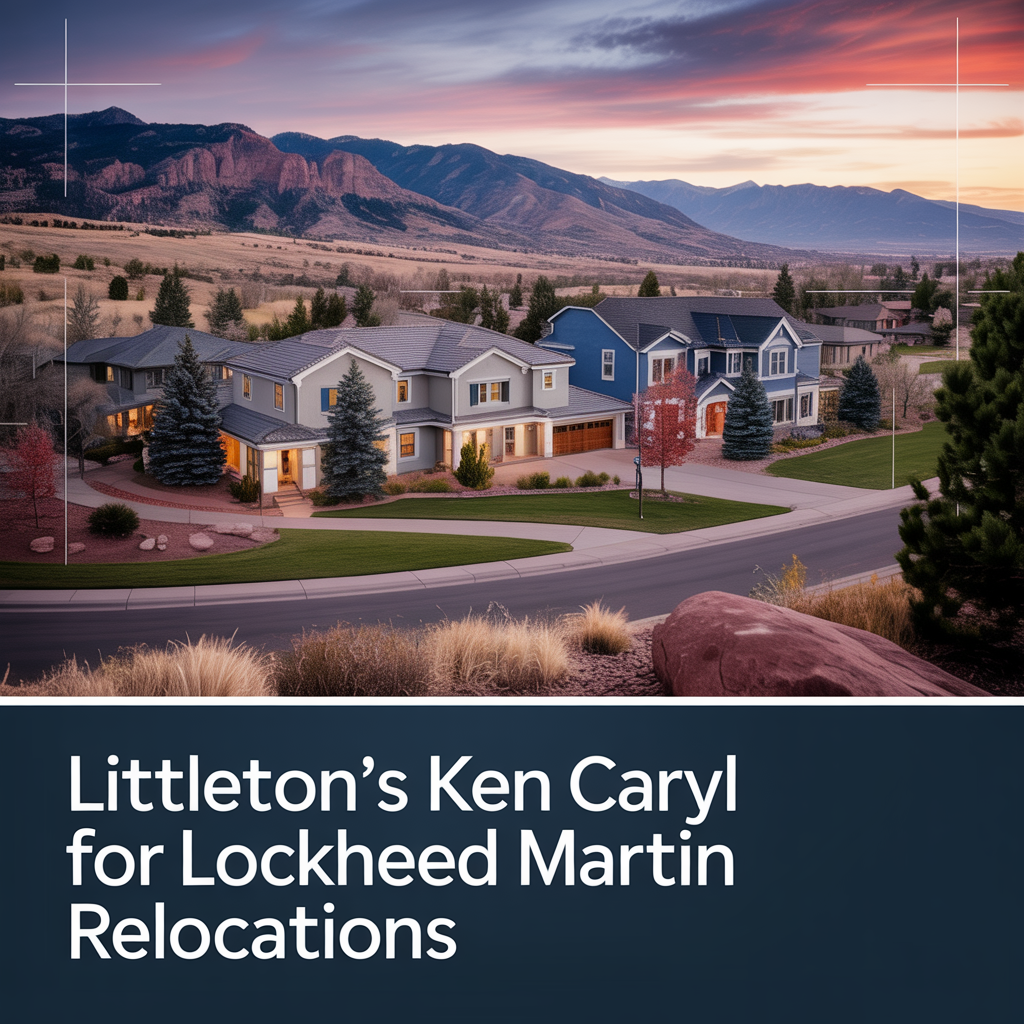
Littleton’s Ken Caryl for Lockheed Relocations
This is part of Lockheed Martin Relocation → [Lockheed Martin Relocation Hub] & the larger Denver Relocation Hub → [Denver Relocation Hub] Written by: Chad Cabalka Ken Caryl is one of the best-kept “family first” relocation options for Lockheed Martin employees who want foothills scenery, strong neighborhood appeal, and a real suburban lifestyle that still feels connected…


Centennial & Parker for Lockheed Relocations
This is part of Lockheed Martin Relocation → [Lockheed Martin Relocation Hub] & the larger Denver Relocation Hub → [Denver Relocation Hub] Written by: Chad Cabalka Centennial and Parker are two of the smartest suburban choices for Lockheed Martin employees relocating with families because they give you a strong balance of commute flexibility, good neighborhood variety, and…

Highlands Ranch for Family-Friendly Lockheed Relocations
This is part of Lockheed Martin Relocation → [Lockheed Martin Relocation Hub] & the larger Denver Relocation Hub → [Denver Relocation Hub] Written by: Chad Cabalka Highlands Ranch is one of the strongest choices for Lockheed Martin employees relocating with families because it delivers exactly what most parents want after a big move: stable neighborhoods, strong community…