



This is part of the Denver Metro Relocation Guide → [Relo Guide]
California buyers relocating to the Denver metro area often seek value, space, and a balanced pace without sacrificing access to urban energy. These moves typically stem from high ownership costs in coastal markets, prompting a focus on suburbs that deliver practical advantages like shorter commutes and established housing stock. Understanding settlement patterns reveals why certain areas outperform others for long-term stability.
Why California Buyers Target Denver Metro
Denver’s appeal lies in its median home prices around $550,000 statewide as of late 2025, roughly half of many Bay Area or Southern California equivalents. Buyers prioritize neighborhoods where inventory balances at 4-6 months’ supply, allowing negotiation without frenzy. Weather patterns—intense sun, heavy snow—shape preferences toward durable construction and efficient heating systems, while I-25 and C-470 corridors dictate commute realities from suburbs to downtown jobs.
This migration influences local dynamics: California transplants represent a notable share of out-of-state purchases, drawn by tech and energy sector growth. They favor areas with mature infrastructure over raw land, as resale value holds better amid Colorado’s seasonal market shifts. Practicality drives choices, not scenery alone.
Primary Landing Spots in South and Southeast Suburbs
Suburban enclaves south and southeast of Denver dominate for their blend of affordability, schools, and highway access. These areas accommodate families trading coastal density for yards and garages without extended drives.
Highlands Ranch: Top Choice for Established Families
Highlands Ranch consistently attracts the largest influx, with its master-planned layout offering 2,000-4,000 square foot homes built in the 1990s-2000s. Buyers value the three community centers and extensive trails, which support daily routines over weekend escapes. Commutes to Denver tech hubs average 25-35 minutes via C-470, a key factor when ownership costs include higher property taxes and utilities for snow management.
Resale holds firm here due to limited new supply; homes sell near 98% of list price in balanced conditions. California sellers appreciate the equity transfer—selling a $1.2 million tract home funds a $800,000 single-family here with cash left over. Psychology plays in: the suburb’s cohesion fosters belonging faster than urban rentals.
Parker and Centennial: Value-Driven Alternatives
Parker draws budget-conscious transplants with median prices $50,000 below Highlands Ranch, emphasizing equestrian lots and newer builds post-2010. Buyers calculate total costs—HOA fees under $100 monthly, plus lower flood risk—against California baselines. I-25 access keeps Centennial commutes under 30 minutes to DTC offices, where many finance and healthcare jobs cluster.
Centennial’s older ranch-style stock appeals for remodel potential, yielding long-term appreciation as metro expansion pushes boundaries outward. These spots suit sellers downsizing, as attached homes like townhomes provide entry points amid 68-day market times.
Northern and Northeastern Options for Commute-Focused Buyers
Northern suburbs gain traction among younger professionals prioritizing job proximity over prestige. Lower entry prices align with mid-6% rates, easing sticker shock.
Erie and Broomfield: Emerging Favorites for Tech Workers
Erie stands out for California engineers, with homes averaging $600,000 and quick access to Boulder via US-36. Transplants favor its 2000s-era neighborhoods blending modern finishes with rural buffers, mitigating Denver’s urban sprawl concerns. Broomfield mirrors this, pulling software pros to FlatIron Crossing area developments; average drives to Microsoft or Lockheed campuses hit 15 minutes.
These areas benefit from new construction trickle, adding inventory without oversupply. Buyers weigh ownership realities: higher winter energy bills offset by no state income tax penalty from California exits. Market balance here—around 5 months’ supply—empowers offers 5% below list.
Thornton and Brighton: Affordable Entry for Larger Households
Thornton absorbs families needing 5+ bedrooms, with prices dipping to $500,000 amid expanding inventory. I-25 and E-470 provide flexibility for airport or DTC commutes, crucial for dual-income transplants. Brighton’s ag-zoned parcels appeal to those keeping horses, offering space California regulations often restrict.
Long-term value stems from infrastructure upgrades, like light rail extensions, boosting equity. Sellers here succeed with priced-right listings, as concessions become standard in softening segments.
Less Obvious Choices: West and East Metro Pockets
Not all head straight to headlines; pockets west and east suit specific profiles.
Littleton and Lakewood: Westside Practicality
Littleton lures with historic charm and $650,000 medians, where pre-1980 homes dominate stock. Buyers cite walkable downtowns and Chatfield Reservoir access for practicality—proximity to Lockheed without mountain passes. Lakewood’s diversity, from Applewood enclaves to Belmar, accommodates varied budgets; commutes via 6th Avenue stay under 20 minutes peak.
These mature areas resist depreciation through zoning stability, ideal for California retirees eyeing low-maintenance ranches. Trends show steady sales here, less volatile than core Denver.
Aurora’s Eastern Reach: Underrated for Cost Savings
Eastern Aurora surprises with $450,000 townhomes near Anschutz Medical Campus, drawing healthcare transplants. E-470 shaves commute times, while diverse housing stock—post-war to new—fits multi-generational needs. Ownership costs stay manageable, with lower taxes balancing utility spikes from altitude.
Factors Shaping California Settlement Patterns
Buyer behavior hinges on more than price. Commute patterns rule: 70% target under-40-minute drives to DTC or downtown, per relocation data. Housing stock matters—Colorado’s older inventory demands inspections for foundation shifts from clay soils, a non-issue in quake-prone California.
Weather influences: prolonged sun boosts solar ROI, but snow requires garage parking, absent in many SoCal homes. Ownership costs encompass 1.5-2% annual taxes plus $3,000-5,000 winter prep, yet total burdens halve coastal equivalents. Psychology shifts too: transplants prioritize equity-building over flips, favoring stable suburbs.
Market trends reinforce this. Into 2026, modest 3-5% appreciation favors priced-for-value homes in these zones. Inventory growth to 4.3 months statewide gives leverage, especially in attached segments. Relocators succeed by touring off-season, aligning visits with snow to test driveways.
Navigating the Move as a California Seller or Buyer
Sellers from California often list high, but Denver’s balance demands precision—overpricing adds 30-60 days on market. Buyers should model total costs: factor 6% rates on $600,000 loans yield $3,600 monthly, plus reserves for $10,000 roof tune-ups every decade.
Local agents decode nuances, like HOA rules varying by suburb. For relocators, staging California homes for equity max and touring Denver suburbs sequentially builds confidence.
Conclusion
California transplants gravitate to Highlands Ranch, Parker, Erie, and similar suburbs for their proven blend of access, value, and resilience to Colorado’s cycles. These patterns reflect deliberate choices around commutes, costs, and longevity, ensuring sustainable ownership amid 2026’s stabilizing market. Thoughtful positioning in these areas secures equity growth without coastal risks.
Reach out to me today for personalized insights on these neighborhoods and how they fit your relocation—let’s discuss your next steps.
Get the full Denver Market Insights → [Market Insights]


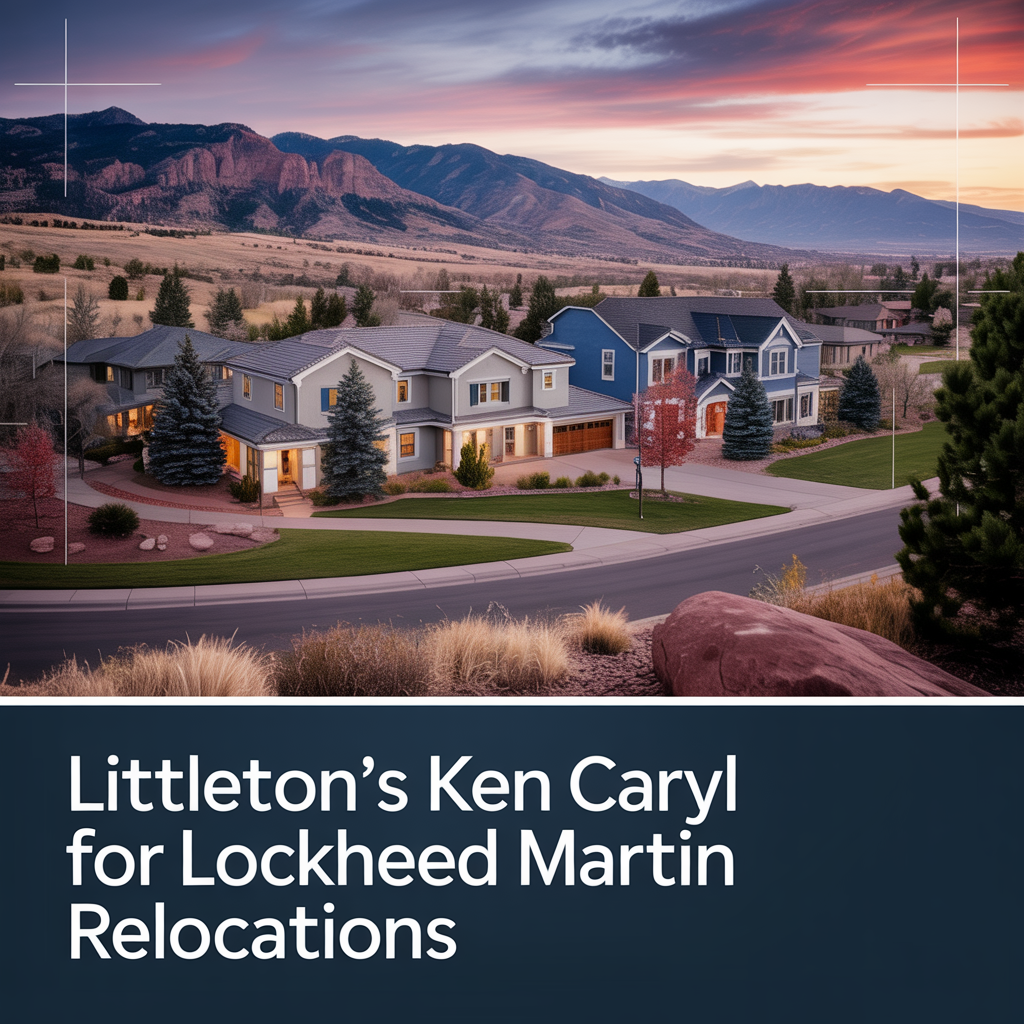
Littleton’s Ken Caryl for Lockheed Relocations
This is part of Lockheed Martin Relocation → [Lockheed Martin Relocation Hub] & the larger Denver Relocation Hub → [Denver Relocation Hub] Written by: Chad Cabalka Ken Caryl is one of the best-kept “family first” relocation options for Lockheed Martin employees who want foothills scenery, strong neighborhood appeal, and a real suburban lifestyle that still feels connected…


Centennial & Parker for Lockheed Relocations
This is part of Lockheed Martin Relocation → [Lockheed Martin Relocation Hub] & the larger Denver Relocation Hub → [Denver Relocation Hub] Written by: Chad Cabalka Centennial and Parker are two of the smartest suburban choices for Lockheed Martin employees relocating with families because they give you a strong balance of commute flexibility, good neighborhood variety, and…

Highlands Ranch for Family-Friendly Lockheed Relocations
This is part of Lockheed Martin Relocation → [Lockheed Martin Relocation Hub] & the larger Denver Relocation Hub → [Denver Relocation Hub] Written by: Chad Cabalka Highlands Ranch is one of the strongest choices for Lockheed Martin employees relocating with families because it delivers exactly what most parents want after a big move: stable neighborhoods, strong community…