



This is part of the Denver Metro Relocation Guide → [Relo Guide]
Relocating from the East Coast to Denver is a move thousands of professionals and families make each year, often for a blend of career opportunity, lifestyle, and climate. What many don’t anticipate, however, is how the structure of the Colorado housing market diverges from what they’re used to back east.
It’s common for new arrivals—particularly those from Boston, New York, Washington D.C., or Philadelphia—to enter the Denver market assuming they’ll rent for six months, get to know the neighborhoods, and then purchase with confidence. In theory, this sounds sensible. In reality, it often costs them far more in both opportunity and equity than they expect.
This isn’t just about missing out on home appreciation. It’s about misunderstanding how Colorado’s market functions—how inventory patterns, commuting realities, and construction styles shape long-term value in ways that differ sharply from the East Coast. Understanding where these missteps occur can turn a reactive move into a well-informed investment.
The Tempo of the Denver Housing Market
Many East Coast buyers are used to real estate markets where listings linger and negotiation margins are wide. In Denver, though demand has moderated since the peak pandemic years, the market still sees quick inventory turnover in desirable price brackets—particularly between $600,000 and $1.1 million, where suburban homes attract dual-income professionals seeking proximity to tech and healthcare corridors.
Waiting to buy until after settling in frequently backfires because the pace of appreciation and low resale turnover remove the very properties that drew a buyer’s interest in the first place. Unlike in some East Coast metros where inventory refreshes quickly due to dense housing stock and shorter ownership cycles, Denver neighborhoods tend to see long homeowner tenure. Homes often return to the market only every 8–12 years.
That means when a well-maintained listing in a stable neighborhood hits the market, it is effectively a limited edition. Buyers who wait to “get familiar with the area” often realize that the style, commute, and neighborhood they preferred months earlier are no longer available—or are now substantially more expensive.
Renting First: Why the Familiar Playbook Fails
On the East Coast, renting first before buying makes strategic sense. Markets like D.C. or Boston offer robust multifamily housing, short-term lease options, and dense public transit that make temporary renting practical. Denver’s structure differs significantly.
- Rental supply: High-quality single-family rentals are limited, especially in neighborhoods with top-rated schools such as Highlands Ranch, Cherry Creek, or Boulder. These homes often rent quickly, at monthly costs rivaling or exceeding potential mortgage payments.
- Lease rigidity: Most landlords require 12-month commitments with steep break fees. The seasonal rhythm of Denver real estate—where most listings peak in spring—means renters often can’t time their lease end to align with prime buying windows.
- Market competition: During relocation surges (spring and late summer), rental competition among transferees, especially for larger homes, inflates pricing and reduces flexibility.
By the time many East Coast transplants have spent a year renting and exploring, they’ve often paid tens of thousands toward a lease while home values have appreciated or interest rates have shifted. In effect, their patience has turned into a penalty.
Understanding the Geography of Value
Denver’s metro area stretches across multiple counties and microclimates, each with its own market dynamics. Where incoming buyers choose to settle—South Metro, the Foothills, the Core, or the North Corridor—has deep implications for both lifestyle and long-term equity. Knowing where value endures helps avoid regret.
South Metro Denver
Communities such as Highlands Ranch, Lone Tree, and Parker appeal for their newer housing stock, strong schools, and manageable commute times to the Denver Tech Center. East Coast buyers often overlook these areas early, assuming they’ll feel too suburban. Months later, after experiencing metro traffic or comparing property taxes, they realize these same communities deliver consistent long-term appreciation, balanced owner demographics, and lower maintenance needs due to newer construction. Those homes that were once “too suburban” now command higher prices.
Denver Proper and Inner Suburbs
Cherry Creek, Washington Park, and Platt Park deliver the walkability many East Coast professionals crave. But the inventory here skews older, often with higher renovation demands and smaller lots. Buyers who rent nearby to “wait and watch” often find that fully updated properties disappear first. By the time they decide, the remaining options require either renovation capital or compromise on space and parking.
For buyers relocating from markets like Boston’s Back Bay or Brooklyn, understanding how Denver’s zoning and lot configurations differ helps temper expectations and prevent decision fatigue.
Northern Corridors: Westminster, Broomfield, and Lafayette
This region offers balanced commute access to both Denver and Boulder. Early relocation buyers sometimes dismiss these areas because they feel less familiar or lack the architectural density of older cities. Yet over the last decade, steady appreciation, reputable schools, and manageable property taxes have made them enduring value zones. Many newcomers regret dismissing them initially, especially once they face more competitive pricing closer to downtown.
The Psychology of “Wanting to Know First”
One of the most common psychological missteps East Coast relocators make is underestimating how quickly “getting to know the market” can turn into delayed action. The Denver market rewards informed decisiveness, not hesitation.
The desire to first understand every neighborhood is natural—people want confidence in their investment. But in Denver, by the time that confidence develops organically, the market has usually moved on. A strategic alternative is to “learn while engaged”—working with a local advisor to focus the search on the three or four submarkets that best align with lifestyle, commute tolerance, and financial range, then purchasing within that framework.
Home values here tend to track predictably within micro-markets; long-term fundamentals—employment diversity, in-migration, limited new land supply—support steady appreciation. In other words, understanding every zip code is less important than understanding the structural dynamics that make one submarket outperform another.
Factors East Coast Buyers Commonly Misread
1. Commute Time vs. Distance
In dense East Coast metros, a 10-mile commute may take an hour; in Denver, that same distance often requires 30 minutes—but winter driving conditions, limited highway alternates, and dispersed job hubs alter real commute realities. Buyers sometimes dismiss areas like Castle Pines or Arvada based on a map, when in practice, the drive time may mirror what they’re already used to in D.C. or Long Island.
2. Home Construction and Maintenance Costs
Where older East Coast homes often mean brick or brownstone maintenance, Colorado homes present a different equation: newer materials, expansive roofs, modern foundations, and energy efficiency requirements. Many East Coast transplants overestimate renovation challenges and underestimate the long-term savings newer builds bring in utilities and maintenance.
3. School District Stability
Because most suburban developments feed into well-rated districts, competition for homes tied to Douglas County, Cherry Creek, and Boulder Valley schools remains strong. Families that choose to rent first often find their desired attendance zones have few vacant listings when they finally decide to buy.
4. Property Taxes and HOA Realities
Colorado’s property taxes are lower than most East Coast states, but homeowners’ associations (HOAs) are more prevalent in newer neighborhoods. Understanding the value—and limitations—of HOAs is crucial. They can maintain visual quality and protect resale values, but they also restrict exterior modifications. Savvy buyers factor this into their lifestyle equation rather than treating it as an afterthought.
How to Time the Purchase Without Rushing
The solution isn’t impulsivity—it’s preparation. Buyers relocating from high-cost coastal areas often have stronger purchasing power, but success depends on translating that advantage through early strategy.
- Engage a local agent before arrival.
A local professional can identify submarkets that align with both budget and commute expectations, even before you step off the plane. - Understand the seasonal cycle.
Listing inventory tends to rise in late March and taper after midsummer. Renting through fall and winter often aligns poorly with these windows. - Use digital tools with purpose.
Virtual tours and neighborhood analytics aren’t gimmicks; used correctly, they save months of research. - Negotiate strategically.
While multiple-offer scenarios are less frenetic than in 2022, well-priced homes still attract competition. Knowing when to offer at list versus when to wait can protect long-term value.
Preparing this way replaces guesswork with discipline—and creates the ability to act decisively when the right home appears.
Why Buying Early Often Protects Your Budget
East Coast relocators tend to underestimate one quiet but crucial reality: Colorado’s population growth may ebb and flow, but demand for quality housing remains structurally strong. Even in moderate markets, the combination of limited new single-family land, strong job creation in the tech and healthcare sectors, and sustained lifestyle migration from coastal states continues to support long-term equity stability.
Buying early in the relocation cycle allows new residents to stabilize expenses and integrate more smoothly, while waiting exposes them to variable rent, interest rate fluctuation, and narrower selection. It’s less about timing the market perfectly and more about entering before the market prices you out of your preferred options.
Final Thoughts: Acting with Informed Confidence
Relocating to the Denver area from the East Coast involves both logistical and psychological adjustment. It’s a place where the traditional “rent first, then buy” strategy often backfires—not because of sales pressure, but because of how inventory, geography, and market tempo interact.
Those who approach the move with clear parameters and local guidance usually find they can buy confidently within weeks, not months, and later look back with appreciation for having trusted data and expertise over instinct alone.
For buyers considering a move to the Denver metro—or simply seeking clarity on where to focus their search—it’s worth starting the conversation early. Market awareness and planning ahead can often make the difference between settling and succeeding.
If you’re planning a move to Colorado or want an informed perspective on where and when to buy in the Denver metro area, reach out to me directly. I work one-on-one with relocating buyers and sellers to help them identify durable value, avoid common missteps, and purchase with long-term confidence.
Get the full Denver Market Insights → [Market Insights]


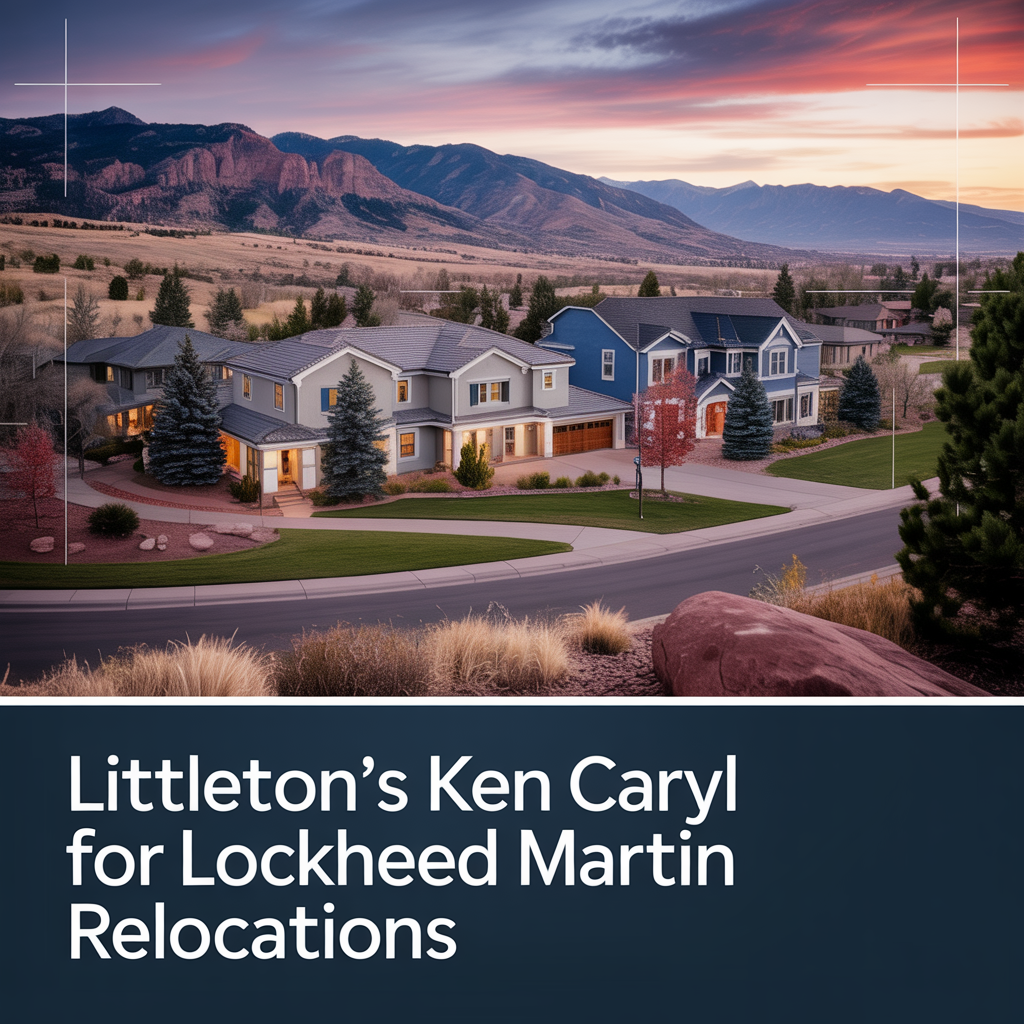
Littleton’s Ken Caryl for Lockheed Relocations
This is part of Lockheed Martin Relocation → [Lockheed Martin Relocation Hub] & the larger Denver Relocation Hub → [Denver Relocation Hub] Written by: Chad Cabalka Ken Caryl is one of the best-kept “family first” relocation options for Lockheed Martin employees who want foothills scenery, strong neighborhood appeal, and a real suburban lifestyle that still feels connected…


Centennial & Parker for Lockheed Relocations
This is part of Lockheed Martin Relocation → [Lockheed Martin Relocation Hub] & the larger Denver Relocation Hub → [Denver Relocation Hub] Written by: Chad Cabalka Centennial and Parker are two of the smartest suburban choices for Lockheed Martin employees relocating with families because they give you a strong balance of commute flexibility, good neighborhood variety, and…

Highlands Ranch for Family-Friendly Lockheed Relocations
This is part of Lockheed Martin Relocation → [Lockheed Martin Relocation Hub] & the larger Denver Relocation Hub → [Denver Relocation Hub] Written by: Chad Cabalka Highlands Ranch is one of the strongest choices for Lockheed Martin employees relocating with families because it delivers exactly what most parents want after a big move: stable neighborhoods, strong community…