



This is part of the Denver Metro Relocation Guide → [Relo Guide]
Colorado’s Denver metro area draws families relocating from Texas due to its blend of strong schools, safe neighborhoods, and access to urban energy without the sprawl of larger Sun Belt cities. Texas buyers often seek communities that match their preference for space and convenience while offering more than quiet cul-de-sacs—places with nearby trails, breweries, and weekend activities that keep daily life engaging. This post examines suburbs and edges of the metro that deliver family stability alongside vitality, focusing on real estate implications like ownership costs, resale potential, and commute realities shaped by Colorado’s geography and weather patterns.
Why Texas Families Gravitate to Specific Denver Suburbs
Texas buyers, accustomed to flat terrain and mild winters, prioritize Denver-area neighborhoods that provide family-oriented infrastructure—think top-rated schools and parks—paired with enough local buzz to avoid the isolation of remote exurbs. These areas balance low crime rates and spacious homes with proximity to Denver’s core, where jobs in tech, energy, and healthcare cluster. Weather plays a role: Colorado’s snow requires homes with garages for gear storage and driveways suited to plowing, influencing long-term maintenance costs that run 10-15% higher than in Texas due to heating needs and road salt exposure.
Ownership costs here reflect a market shifting toward balance in 2026, with median prices around $550,000 statewide but higher in family hotspots—often $700,000-$900,000 for single-family homes. Buyers benefit from longer market times (now 68 days statewide, up 12% year-over-year), giving leverage for inspections and concessions on older stock built in the 1980s-2000s. Resale value holds due to limited housing supply, particularly in suburbs where new construction lags demand.
Highlands Ranch: Polished Family Core with Subtle Energy
Highlands Ranch stands out for Texas families wanting a self-contained community that feels established yet active. Spanning Douglas County, this master-planned area offers 80 miles of trails weaving through open spaces, directly addressing the outdoor draw for transplants missing Texas Hill Country hikes. Schools in the Douglas County district consistently rank in the state’s top tier, drawing families who value education as a hedge against future resale dips—properties here appreciate steadily due to low turnover.
What prevents boredom? Two bustling town centers host indie shops, farm-to-table spots, and seasonal markets, mimicking the walkable vibe of Austin suburbs without urban density. Commutes to Denver average 25-35 minutes via C-470, manageable even in winter traffic, unlike longer hauls from northern exurbs. Real estate stock leans toward 4,000-square-foot homes on quarter-acre lots, priced $800,000-$1.1 million, with HOA fees covering landscaping that suits Colorado’s dry climate.
Buyers should note ownership realities: Property taxes hover at 0.7% of assessed value, lower than Denver proper, but utility bills spike in winter. For Texas sellers, the area’s 98% list-to-sale ratio supports quick equity capture, especially for updated kitchens appealing to multigenerational buyers.
Balancing Costs and Lifestyle in Highlands Ranch
HOAs here fund community pools and rec centers, offsetting the lack of large public facilities common in Texas. This setup appeals to families prioritizing kid-focused amenities over nightlife, yet weekend farmers’ markets and nearby Roxborough Park’s rock formations provide low-key adventures. Long-term, infrastructure like expanding light rail could shave commute times, boosting values 3-5% annually as forecasted.
Littleton: Historic Charm Meets Modern Family Appeal
Littleton, just southwest of Denver via US-285, offers Texas buyers a blend of small-town roots and metro access that feels vibrant without overwhelming. Neighborhoods like Ken Caryl and Columbine feature winding streets lined with 1970s ranch-style homes upgraded for Colorado living—think basements for storage and south-facing yards for solar gain. Douglas and Jefferson County schools score high on state metrics, making these spots prime for families eyeing long-term holds.
Engagement comes from Main Street’s mix of craft breweries, live music venues, and the historic depot turned event space—enough to rival Fort Worth’s Stockyards vibe on a smaller scale. Trails connect to Chatfield Reservoir for boating and fishing, activities that echo Texas lake culture but with Front Range views. Commutes to downtown Denver run 20-30 minutes, aided by reliable highways less prone to icing than mountain passes.
Median prices sit at $750,000-$950,000 for updated singles, with inventory growing modestly to favor buyers negotiating closing costs. Texas transplants appreciate the lower density—lots average 0.3 acres—reducing HOA prevalence compared to denser suburbs.
Commute and Weather Impacts on Daily Life
Colorado’s freeze-thaw cycles demand attention to foundation cracks in older Littleton stock, a maintenance factor absent in Texas but critical for value preservation. Sellers can command premiums for energy-efficient upgrades like insulated windows, as mid-6% rates make affordability key. Proximity to Lockheed Martin and Ball Aerospace jobs adds appeal for relocators in defense and tech.
Parker: Equestrian Roots with Urban Edge
Parked east of Highlands Ranch along E-470, Parker attracts Texas families seeking rural-feeling lots without full exurb isolation. The town retains equestrian zoning, with homes on 2-5 acres offering horse-friendly setups—a nod to Texas ranch lifestyles—while townhomes near Main Street provide starter options. Elizabeth and Gold Rush districts excel academically, supporting family decisions focused on college prep.
Vitality stems from Parker’s revitalized downtown: distilleries, food halls, and festivals like the Colorado Balloon Classic keep weekends dynamic. O’Brien Park’s splash pad and trails link to the Castlewood Canyon system, providing family outings that beat suburban monotony. Tolled E-470 cuts Denver commutes to 30-40 minutes, tolls notwithstanding, with lighter snow impacts than I-70 corridors.
Real estate trends show $650,000-$900,000 medians for detached homes, with new builds in Stroh Ranch adding modern floorplans suited to blended families. Market balance—4.3 months’ supply statewide—means sellers price realistically for 5.7% below-list closes.
Ownership Economics in Parker
Larger parcels elevate property taxes to 0.8-1%, but ag exemptions for equestrian use lower bills for qualifying owners. Winter plowing on rural roads underscores the need for AWD vehicles, a shift from Texas norms affecting insurance costs. Resale strength lies in limited supply; well-priced homes move in 45-65 days.
Centennial and Lone Tree: Corporate Convenience for Active Families
Centennial, encompassing The Streets at SouthGlenn, delivers polished family living with corporate perks. Texas buyers find similarity in its master-planned feel, but elevated by Arapahoe County’s blue-ribbon schools and 2,500 acres of parks. Homes range from $800,000 contemporaries to $1.2 million estates, often with walk-out basements ideal for Colorado’s sunny basements.
Lone Tree, adjacent via C-470, amps engagement with SkyHouse’s skyline views, upscale dining, and the Lone Tree Arts Center hosting kid-friendly shows. Trails to Carson Lake draw families for paddleboarding, bridging Texas water sports with mountain access. DTC jobs (Oracle, Dish) mean 15-minute commutes, a rarity in sprawling DFW metros.
Prices reflect premium locations—$850,000 average—with concessions common in attached segments. Weather-resilient designs, like metal roofs, preserve equity.
Navigating Buyer Behavior Shifts
Texas relocators often underestimate snow shoveling’s labor, favoring homes with covered patios. Agents note multigenerational appeal drives demand for main-floor primaries.
Cherry Creek and Greenwood Village Edges: Upscale Without Overkill
For higher budgets, Cherry Creek Trail edges and Greenwood Village offer family polish with urban proximity. Schools like Cherry Creek High anchor stability, while low-density zoning ensures quiet streets. Local spots like The Farm at 22nd provide farmstand freshness and events, keeping life fresh.
Commutes via I-25 hit 15-25 minutes to DTC hubs. Medians exceed $1 million, but balanced inventory aids negotiations.
Key Factors for Texas Buyers Evaluating Family Fit
This table highlights trade-offs: Closer-in spots trade space for speed, while outer rings offer acreage at moderate premiums.
Market psychology favors decisive buyers in 2026’s stable conditions—rates mid-6%, prices up 3-5%. Texas families succeed by prioritizing schools and trails over flash, ensuring long-term satisfaction.
In Colorado’s evolving market, these areas provide family foundations with enough local pulse to sustain Texas transplants through winters and beyond. Thoughtful choices here build equity and community ties that endure market cycles.
Reach out to me today for personalized insights on these neighborhoods and to tour properties matching your family’s needs.
Get the full Denver Market Insights → [Market Insights]


Littleton’s Ken Caryl for Lockheed Relocations
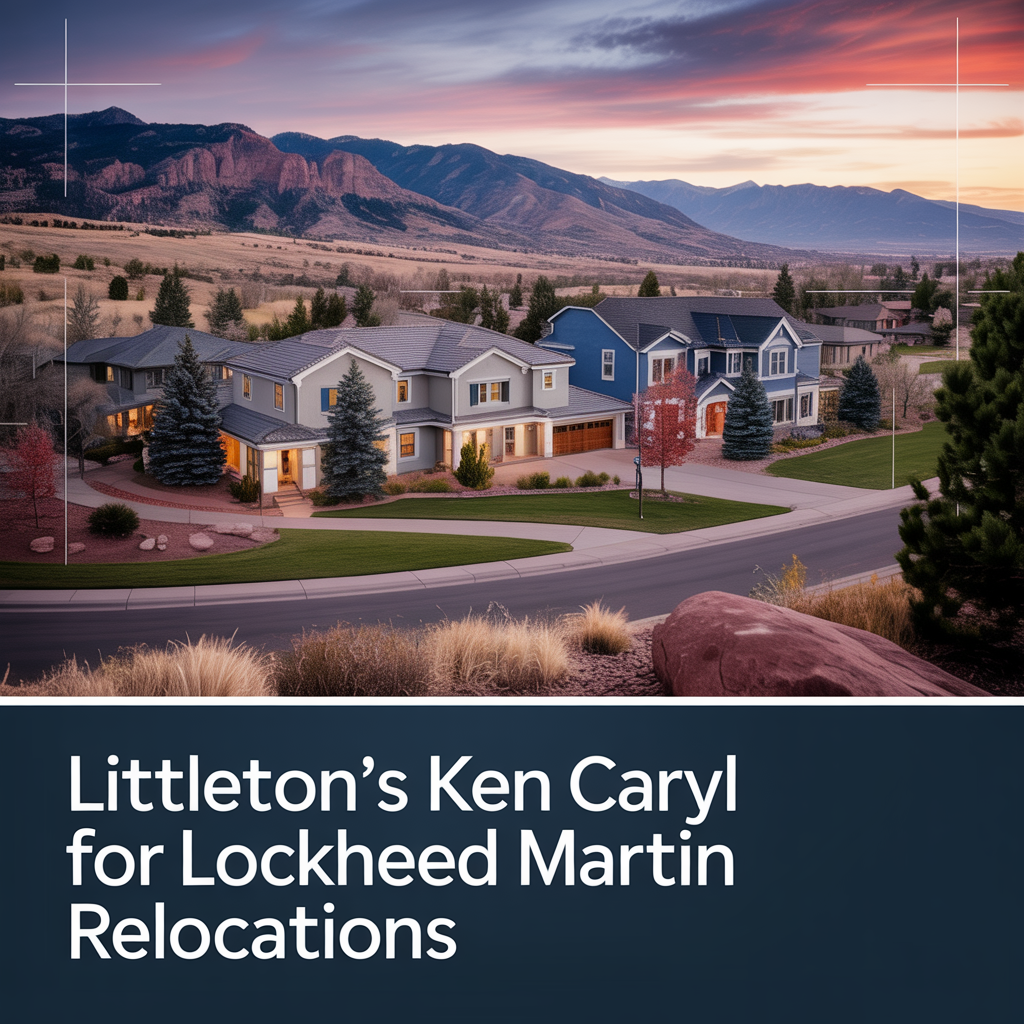
This is part of Lockheed Martin Relocation → [Lockheed Martin Relocation Hub] & the larger Denver Relocation Hub → [Denver Relocation Hub] Written by: Chad Cabalka Ken Caryl is one of the best-kept “family first” relocation options for Lockheed Martin employees who want foothills scenery, strong neighborhood appeal, and a real suburban lifestyle that still feels connected…


Centennial & Parker for Lockheed Relocations
This is part of Lockheed Martin Relocation → [Lockheed Martin Relocation Hub] & the larger Denver Relocation Hub → [Denver Relocation Hub] Written by: Chad Cabalka Centennial and Parker are two of the smartest suburban choices for Lockheed Martin employees relocating with families because they give you a strong balance of commute flexibility, good neighborhood variety, and…

Highlands Ranch for Family-Friendly Lockheed Relocations
This is part of Lockheed Martin Relocation → [Lockheed Martin Relocation Hub] & the larger Denver Relocation Hub → [Denver Relocation Hub] Written by: Chad Cabalka Highlands Ranch is one of the strongest choices for Lockheed Martin employees relocating with families because it delivers exactly what most parents want after a big move: stable neighborhoods, strong community…