



This is part of the Denver Metro Relocation Guide → [Relo Guide]
Colorado’s Denver metro area draws a steady stream of buyers from high-cost states like California, who often seek suburbs that echo the refined quality of life they left behind without the premium price tag. These relocating buyers prioritize neighborhoods with established luxury, thoughtful design, and enduring value—places where upscale sensibilities align with Colorado’s practical realities like variable weather and I-25 commute dynamics. Understanding which suburbs still register as upscale to this discerning group requires examining housing stock, community maturity, and market signals that signal long-term stability.
Why California Buyers Define “Upscale” Differently Here
California buyers, particularly from coastal enclaves like Marin County or Orange County, arrive with calibrated expectations shaped by meticulous landscaping, gated enclaves, and seamless indoor-outdoor living. In Colorado suburbs, upscale appeal hinges less on square footage and more on execution: mature tree canopies, custom stonework, and proximity to open space that mitigates the Front Range’s summer heat and winter chill. These buyers overlook raw new developments, favoring areas where homes have aged into character without deferred maintenance, and where ownership costs—including property taxes around 0.5-0.7% and heating bills—remain 30-40% below California’s equivalents.
What matters is psychological fit. A California buyer scanning Zillow for “Denver suburbs comparable to Palo Alto” weighs not just median prices (often $800K-$1.5M in target areas) but intangibles like school district prestige and low crime rates that preserve resale value over decades. Suburbs that feel upscale deliver on subtle status signals: winding streets discouraging through-traffic, club-like community amenities, and views of the Rockies that frame daily life without dominating it.
Cherry Hills Village: Timeless Prestige Without Coastal Excess
Cherry Hills Village stands out as the suburb most consistently praised by California transplants for its unforced elegance. Homes here, often on one- to two-acre lots, feature timeless architecture—think Georgian colonials and subtle mid-century moderns—set amid preserved equestrian trails and private ponds. This maturity appeals because it mirrors the established neighborhoods of Atherton or Hillsborough, where land scarcity drives value, but Colorado’s zoning allows breathing room that enhances privacy.
Buyers value the commute reality: 20-30 minutes to downtown Denver via dry, plowed roads even in snow, outperforming gridlocked California freeways. Ownership costs stay reasonable, with total annual expenses 25% below Bay Area norms due to lower taxes and no mandatory HOA fees in many sections. Market data shows median sales hovering near $1.2M, with low turnover reinforcing stability—homes sell to families planning multi-generational tenure, not flippers.
Schools and Social Fabric Drive Retention
Cherry Hills’ crown jewel is its public schools, consistently ranking in Colorado’s top tier, which reassures California parents accustomed to elite districts like Palo Alto Unified. Beyond academics, the suburb’s social cohesion—country club memberships, junior equestrian leagues—fosters a sense of belonging that counters relocation isolation. These elements explain why 70% of sales go to out-of-state buyers, many citing the “quiet luxury” that feels upscale without ostentation.
Greenwood Village: Corporate polish Meets Family Scale
Greenwood Village registers as upscale to California buyers through its blend of executive accessibility and scaled-down luxury. Anchored by the Denver Tech Center, it offers estates and custom ranches on half-acre parcels, often with heated driveways and smart-home integrations that nod to Silicon Valley tech without the earthquake retrofits. The area’s housing stock, built primarily 1980s-2000s, avoids the cookie-cutter feel of newer exurbs, providing variety from European-inspired villas to contemporary great rooms.
Commute patterns favor it: Light Rail to Union Station in 25 minutes, or a quick hop to Centennial Airport for private flights, appealing to C-suite relocators. Weather impacts are managed via mature infrastructure—wide boulevards and underground utilities minimize outages. Median prices around $900K reflect value retention, with appreciation tracking 4-5% annually in balanced markets, outpacing inflation while costs like utilities run $300-400 monthly lower than Southern California.
Amenities That Echo Private Clubs
The upscale perception solidifies with facilities like the Greenwood Athletic Club and proximity to Park Meadows mall, offering curated shopping akin to Stanford Shopping Center but with Rockies vistas. California buyers appreciate the low-density feel—fewer than 2,000 residents per square mile—preserving exclusivity amid growth. This setup supports long-term value, as corporate relocations sustain demand without overbuilding.
Castle Pines: Mountain-Adjacent Refinement
Castle Pines appeals to California buyers seeking a step up from flat suburbs, delivering upscale living with gentle elevation and forested backdrops. Developments like The Village at Castle Pines feature golf course estates and walled compounds, evoking Pebble Beach’s controlled natural beauty but at half the cost. Housing emphasizes quality materials—slate roofs, cedar siding—built to withstand Front Range winds and temperature swings, a practical upgrade over California’s fire-prone builds.
The suburb’s positioning off I-25, with 30-minute access to Centennial or Lone Tree job hubs, aligns with hybrid work patterns post-pandemic. Ownership realities include HOAs funding snow removal and landscaping, keeping exteriors pristine year-round. Median sales near $1M show resilience, with inventory at 3-4 months’ supply allowing negotiation without frenzy.
Golf and Gates Signal Status
Gated sections and the Castle Pines Country Club provide the security and networking California buyers expect, facilitating business connections in a state where outdoor pursuits double as social currency. Families note the Douglas County schools’ STEM focus, mirroring tech-heavy California curricula. These factors create a feedback loop: perceived upscale quality draws premium buyers, stabilizing values through selective turnover.
Lone Tree: Modern Upscale for Tech Relocators
Lone Tree has evolved into an upscale haven for California tech professionals, blending high-rise condos with single-family enclaves like Wildcat Ridge. Sleek architecture—floor-to-ceiling windows, EV-ready garages—caters to those from Irvine or San Jose, while lots backing to preserved open space offer rare privacy in a growing metro. The area’s master-planned maturity, with underground services and fiber optics, handles weather variability without drama.
Proximity to RidgeGate Parkway and C-470 shaves commutes to 20 minutes for DTC jobs, a boon for those ditching Bay Area traffic. Costs reflect efficiency: property taxes under $5 per $1,000 assessed value, plus energy-efficient builds trimming winter bills. Prices average $850K, with townhomes providing entry at $600K for dual-income households.
Retail and Recreation Integration
Upscale feel stems from mixed-use nodes like The Streets at SouthGlenn, with boutique retail and trails rivaling Santana Row’s walkability. California buyers value the balance—urban polish without density—supporting appreciation as remote work solidifies. Low vacancy rates in luxury rentals signal sustained demand.
What Doesn’t Measure Up: Lessons from Other Suburbs
Not every suburb clears the upscale bar for California eyes. Areas like Highlands Ranch offer strong schools and amenities but feel too voluminous, with 100,000+ residents diluting exclusivity. Aurora’s segments near Anschutz shine for medical pros but lack the cohesive polish. Buyers bypass these for the curated intimacy of Cherry Hills or Castle Pines, where smaller footprints preserve cachet amid metro expansion.
Market psychology plays in: California transplants, burned by 20%+ annual hikes, favor suburbs with proven 3-5% growth and low days-on-market for comparables. Weather-resilient features like insulated foundations and southern exposures become deal-makers, explaining preference for pre-2010 builds over speculative new tracts.
Ownership Costs and Long-Term Value in These Suburbs
Across these suburbs, total ownership costs—taxes, insurance, maintenance—average $15-25K annually for $1M homes, versus $40K+ in comparable California markets. Insurance rises modestly with wildfire risk but stays below coastal premiums. Commutes under 30 minutes to key employers reduce vehicle wear, while energy codes mandate efficient HVAC, offsetting propane heating in winter. These realities underscore value: suburbs holding 90%+ of list price at sale signal enduring appeal.
Buyers should model 10-year holding costs, factoring 4% appreciation and mid-6% rates, yielding equity builds twice California’s pace due to lower bases. Seller behavior adapts—concessions like closing costs now common, per recent trends—enhancing accessibility without eroding prestige.
Positioning Your Move in a Balanced Market
Colorado’s market, with 4-6 months’ supply statewide, rewards prepared buyers in upscale suburbs. California arrivals succeed by prioritizing inspections for weather-proofing and aligning on schools early. Sellers enhance appeal with updates like hardscaping, tapping out-of-state demand that views these areas as value havens.
Reach out to me directly for tailored insights on these suburbs, current listings, or a no-obligation market analysis to guide your next step.
Get the full Denver Market Insights → [Market Insights]


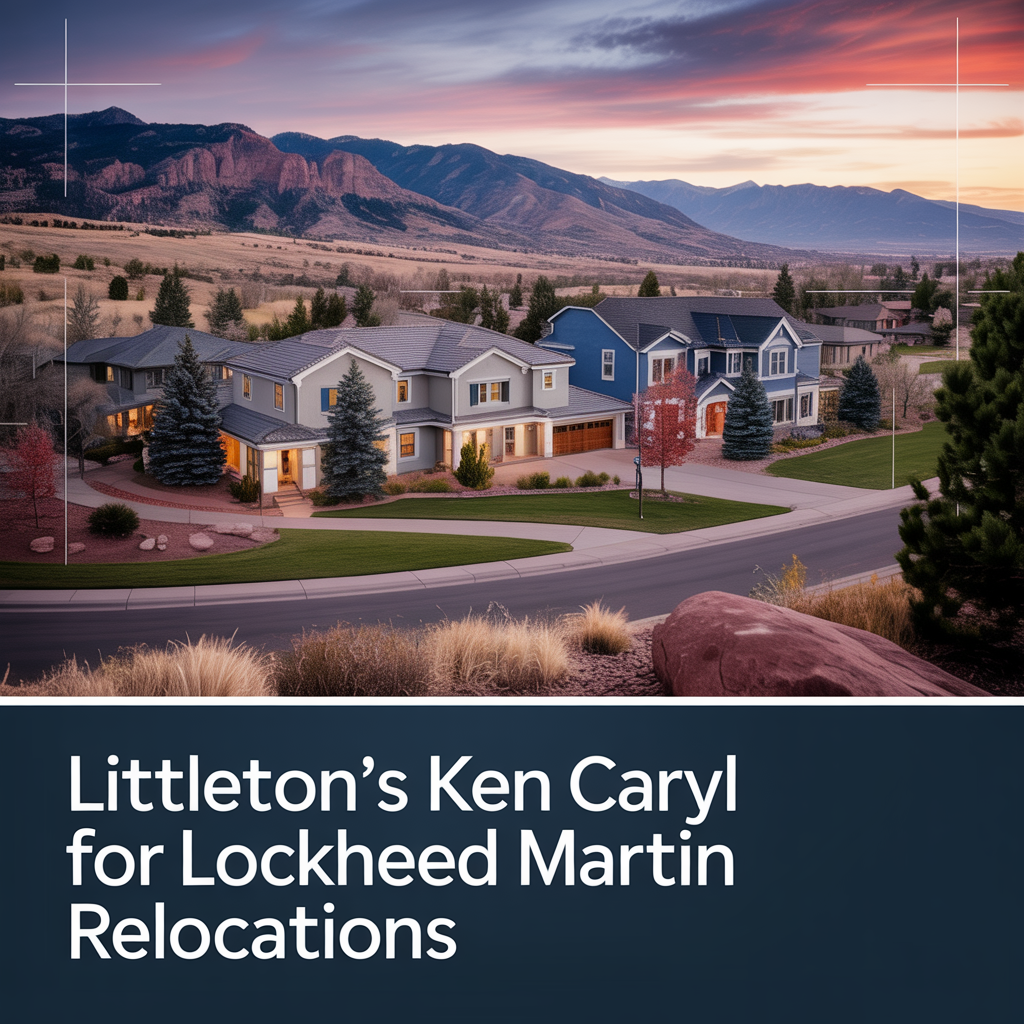
Littleton’s Ken Caryl for Lockheed Relocations
This is part of Lockheed Martin Relocation → [Lockheed Martin Relocation Hub] & the larger Denver Relocation Hub → [Denver Relocation Hub] Written by: Chad Cabalka Ken Caryl is one of the best-kept “family first” relocation options for Lockheed Martin employees who want foothills scenery, strong neighborhood appeal, and a real suburban lifestyle that still feels connected…

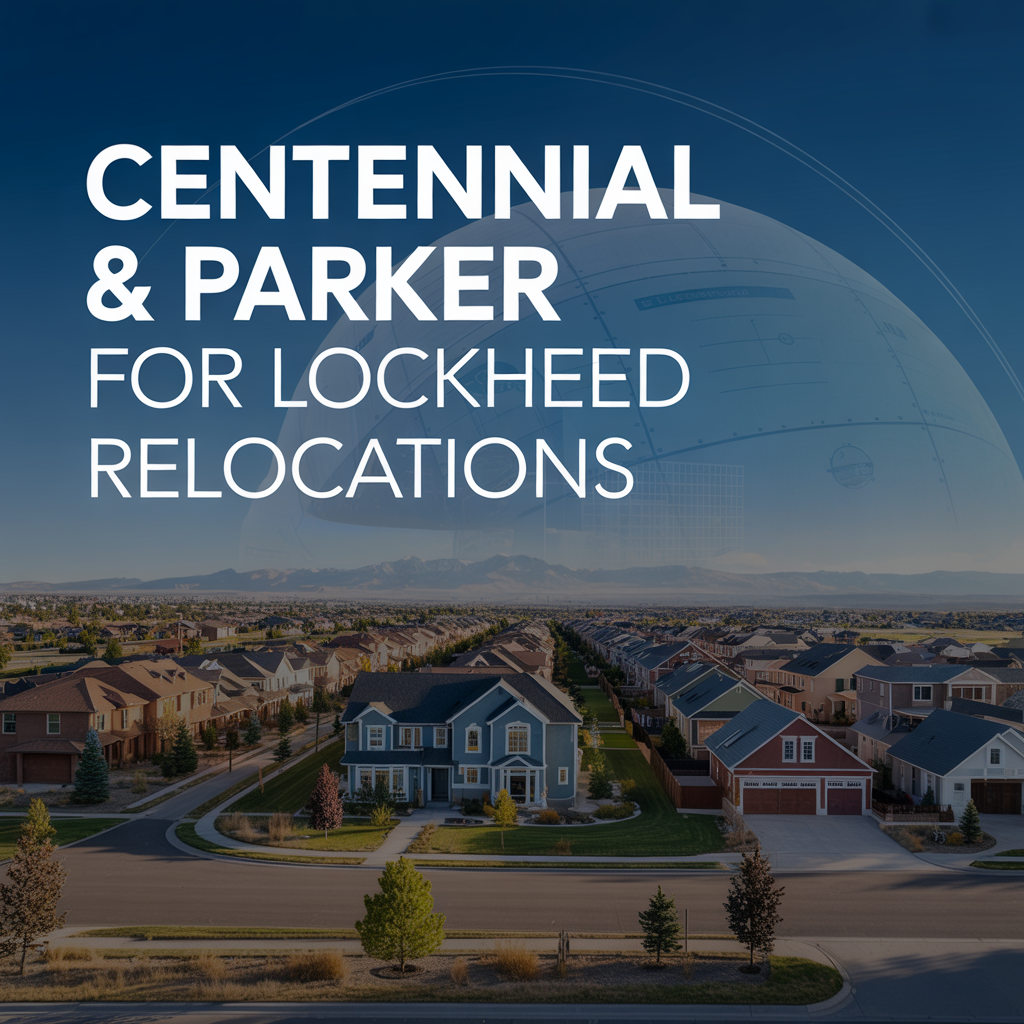
Centennial & Parker for Lockheed Relocations
This is part of Lockheed Martin Relocation → [Lockheed Martin Relocation Hub] & the larger Denver Relocation Hub → [Denver Relocation Hub] Written by: Chad Cabalka Centennial and Parker are two of the smartest suburban choices for Lockheed Martin employees relocating with families because they give you a strong balance of commute flexibility, good neighborhood variety, and…

Highlands Ranch for Family-Friendly Lockheed Relocations
This is part of Lockheed Martin Relocation → [Lockheed Martin Relocation Hub] & the larger Denver Relocation Hub → [Denver Relocation Hub] Written by: Chad Cabalka Highlands Ranch is one of the strongest choices for Lockheed Martin employees relocating with families because it delivers exactly what most parents want after a big move: stable neighborhoods, strong community…