



This is part of the Denver Metro Relocation Guide → [Relo Guide]
Relocation to Colorado from the desert metros of Phoenix and Las Vegas has remained steady over the past several years, even as national migration patterns evolve. Many of these new residents arrive seeking milder summers, access to open space, and a more balanced pace of life. Yet, what they value most often changes within their first year of homeownership. The realities of weather, commuting, community culture, and long-term costs tend to reshape early expectations.
Understanding which Denver suburbs earn the highest satisfaction from these transplants—and why—offers valuable insight for both relocating buyers and local sellers seeking to attract quality demand.
How Lifestyle Priorities Shift After Relocation
Buyers moving from Phoenix or Las Vegas usually arrive with certain shared expectations. They are accustomed to newer homes, low maintenance yards, and car-centric layouts. They anticipate sunshine and open skies but are less prepared for the suburban fabric of the Front Range—where elevation, microclimates, and commuting logistics vary from neighborhood to neighborhood.
Within a year, priorities often shift from initial aesthetics or square footage toward lifestyle convenience. The factors that most influence satisfaction include:
- Commute reliability and road maintenance during varied weather periods.
- Community engagement —neighborhoods where people genuinely know their neighbors often make the transition easier.
- Access to daily services —from medical care to grocery options, convenience quickly outweighs novelty.
- Outdoor recreation proximity—easy access to trails or open space adds consistent value, even for those who aren’t avid hikers.
- Home efficiency and utility costs—buyers coming from desert climates often underestimate heating expenses or the trade-offs of larger lots.
The suburban environments that score highest with relocating buyers are those that balance suburban comfort with practical accessibility.
The Centennial–Highlands Ranch–Lone Tree Corridor
Among Denver’s southern suburbs, Centennial, Highlands Ranch, and Lone Tree consistently rank highly for newcomers from Phoenix and Las Vegas. The appeal lies in familiarity—these communities offer many of the design traits found in desert metros, including newer construction, managed neighborhoods, and easy access to major highways.
Why These Areas Work
- Predictable commuting via C‑470 and I‑25 gives residents multiple options for accessing downtown Denver, the Denver Tech Center, or south metro employment centers.
- Services and retail access—from Park Meadows Mall to neighborhood medical campuses—align with the amenity-rich convenience desert transplants typically favor.
- Moderate lot sizes and updated homes reflect what these buyers know: efficient design and limited exterior maintenance.
- Strong school ratings appeal to families relocating for job opportunities who are seeking stable community environments.
However, many transplants find that what initially feels “just right” can become somewhat uniform over time. Satisfaction remains high, but homeowners who prioritize deeper community engagement sometimes shift interest toward older areas with more local character once they better understand the region.
Parker and Castle Rock: Space, Scale, and Community Identity
For buyers seeking more breathing room without abandoning suburban connectivity, Parker and Castle Rock often deliver the strongest sense of long-term contentment. These towns provide a bridge between metropolitan access and a self-contained community life—a pattern relocating buyers learn to appreciate after their first full seasonal cycle.
Why Satisfaction Deepens Here
- Scenic setting and open space access often exceed what buyers experienced in their prior markets. Many neighborhoods back to greenbelts or trail networks, creating a tangible sense of outdoor integration.
- Local community traditions—from Parker Days to Castle Rock’s Star Lighting—introduce transplants to a civic identity broader than a homeowners’ association.
- Lower density and quieter evenings appeal to those seeking a step down from urban intensity without remote rural isolation.
The trade-off is commute time. For those working in central Denver or Boulder, daily drives from Castle Rock can test patience. Yet many Phoenix and Vegas expats—accustomed to long freeway commutes in their former cities—find these drives acceptable, particularly with telecommuting now integrated into many work routines.
Arvada, Golden, and the Northwest Appeal
Moving away from metro Denver’s southern axis, Arvada, Golden, and neighboring suburbs attract relocating homeowners who discover, often after their first winter, that sun exposure, slope, and elevation meaningfully shape day-to-day experience.
These northwest communities combine historic town centers, walkable blocks, and scenic foothill backdrops. The authenticity of the built environment often satisfies buyers who initially underestimated the value of architectural diversity and mature landscapes.
Factors Driving Contentment
- Active community involvement—farmers markets, local breweries, and volunteer networks foster connections that help transplants feel anchored.
- Access to both city and mountain corridors—I‑70 and Highway 93 offer quick escapes for weekend recreation, while remaining commutable to downtown Denver or the western business districts.
- Distinct visual identity—older homes, brick streetscapes, and established trees contrast sharply with the uniform neighborhoods found in many desert suburbs, offering character that endures beyond curb appeal.
However, satisfaction depends on expectations. Buyers accustomed to master-planned uniformity sometimes need time to adjust to idiosyncratic properties and more hands-on maintenance. Those who embrace local texture typically rate their happiness high after year one.
Broomfield, Superior, and Louisville: Balanced Access and Long-Term Value
Buyers from Phoenix and Las Vegas increasingly target Denver’s northwestern arc—particularly Broomfield, Superior, and Louisville—for their balanced location between Denver and Boulder. After a year, many cite this balance as a primary reason for satisfaction.
The Draw
- Commute flexibility to multiple job hubs, including Boulder’s tech corridor and northwest Denver.
- Top-performing schools and urban adjacency, appealing to families seeking permanence and resale stability.
- Thoughtful community design, including pedestrian trails and green belts interlaced with neighborhoods.
- Resilient property values, which hold well through market cycles, appealing to those thinking beyond short-term trends.
These suburbs tend to match the mindset of buyers seeking predictability and long-term equity rather than rapid price appreciation. That distinction is critical—many Phoenix and Vegas transplants move here not for speculation, but for quality of life and enduring investment.
When Expectations Adjust: Lessons from the First Year
Interviews and relocation studies show that satisfaction is less tied to price point and more to alignment between expectations and daily reality. Buyers from desert markets sometimes overemphasize aesthetics at purchase and underweight the functional rhythms of Front Range living. After the first year, three realizations emerge repeatedly:
- Commute time matters more than square footage. Even a 10-minute reduction has noticeable lifestyle benefits during winter months.
- Energy efficiency and window placement affect comfort. Homes with good passive solar orientation or modern insulation reduce heating costs dramatically.
- Community rhythm defines enjoyment. Events, recreation access, and genuine social fabric consistently outweigh neighborhood branding or architecture in predicting happiness.
This shift from feature-based thinking to lifestyle-based evaluation often surprises new homeowners—but it’s a critical dimension of long-term satisfaction in Colorado’s market.
What Local Sellers Should Understand
For sellers in these high-satisfaction suburbs, the takeaway is strategic—not sentimental. Relocating buyers evaluate homes through a different lens than long-time locals. They value:
- Move-in readiness and modern systems over stylistic customization.
- Practical upgrades—such as newer HVAC systems, efficient windows, or low-maintenance landscapes—over purely cosmetic remodels.
- Clear visibility into ownership costs, including utility averages and HOA expectations.
Highlighting these functional qualities in listings and discussions often resonates more effectively with relocation buyers than emotional narratives or broad lifestyle imagery.
Long-Term Market Implications
The migration stream from Phoenix and Las Vegas shows no sign of reversal. While higher interest rates have moderated relocation volume, Colorado remains attractive for climate resiliency, outdoor access, and stable economic fundamentals.
Markets that maintain commuter flexibility—those positioned along C‑470, E‑470, or major employment corridors—are expected to retain steady inbound interest. Meanwhile, established suburbs with strong schools and civic engagement, like Louisville or Parker, will continue to cultivate satisfied long-term residents even as prices normalize.
For local homeowners, this satisfaction feedback loop affects demand stability and, over time, property values. Suburbs that foster genuine livability retain their desirability across market cycles, a pattern repeatedly affirmed in relocation satisfaction surveys and resale data.
Choosing the Right Fit, Not Just the Right House
The quiet lesson in these patterns is that community fit outweighs initial features. Buyers who take time to explore daily routines—commuting routes, grocery runs, park usage—tend to select areas that consistently meet expectations.
For many Phoenix and Vegas homeowners making the move, Denver’s suburbs reveal more dimension with each season. By the end of their first year, satisfaction isn’t measured only by home equity, but by how comfortably life has settled into rhythm.
Conclusion: Aligning Goals with Colorado Reality
Relocating to the Denver metro area requires balancing aspiration with practical understanding. The suburbs where Phoenix and Vegas buyers report the highest year-one satisfaction—Highlands Ranch, Parker, Castle Rock, Louisville, and Golden among them—share one common trait: they reward thoughtful choices anchored in daily livability, not marketing aesthetics.
Buying in Colorado is a long-term decision shaped by how you live, not just where you land. If you’re planning a move from Arizona, Nevada, or elsewhere, I can help you identify the communities that align with your priorities before you commit to a purchase.
Reach out to me to discuss which Denver suburbs best match your lifestyle, commute, and long-term goals. A well-matched move is the foundation of lasting satisfaction.
Get the full Denver Market Insights → [Market Insights]


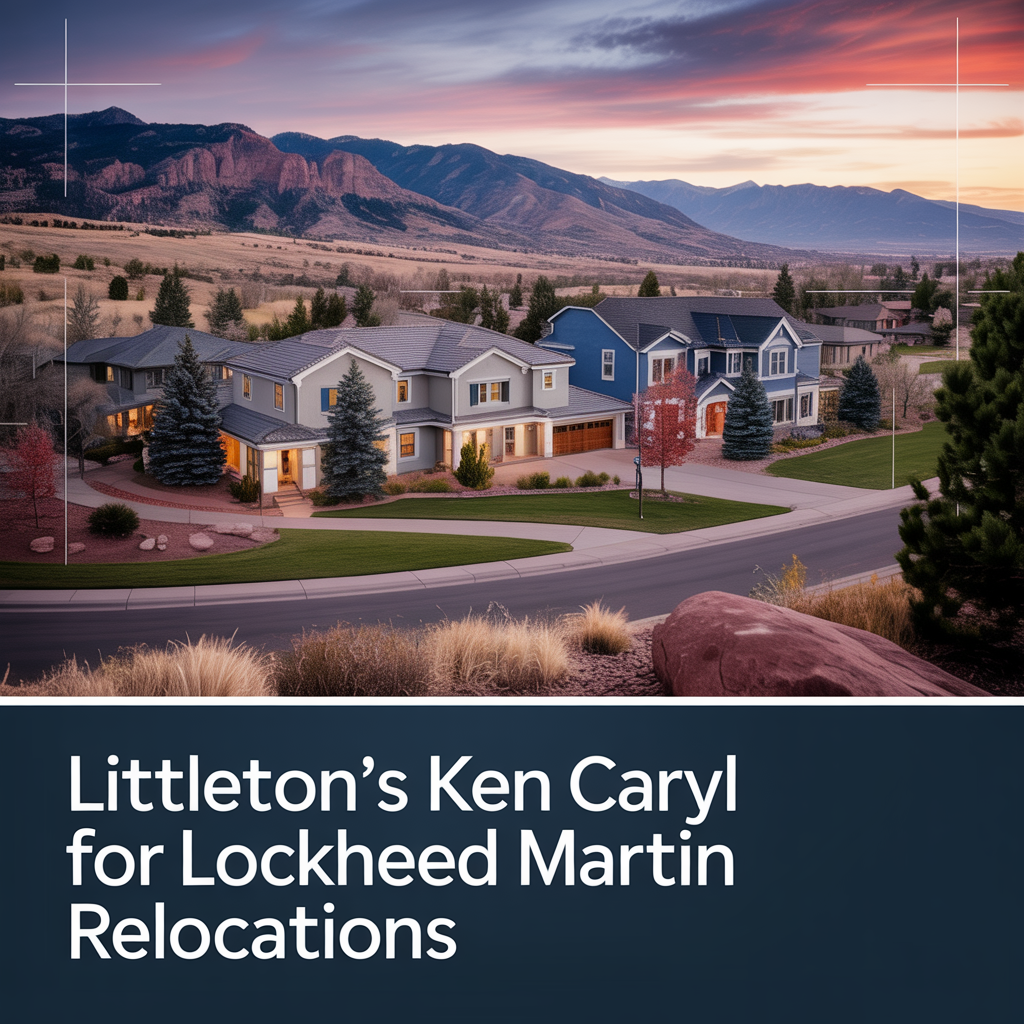
Littleton’s Ken Caryl for Lockheed Relocations
This is part of Lockheed Martin Relocation → [Lockheed Martin Relocation Hub] & the larger Denver Relocation Hub → [Denver Relocation Hub] Written by: Chad Cabalka Ken Caryl is one of the best-kept “family first” relocation options for Lockheed Martin employees who want foothills scenery, strong neighborhood appeal, and a real suburban lifestyle that still feels connected…

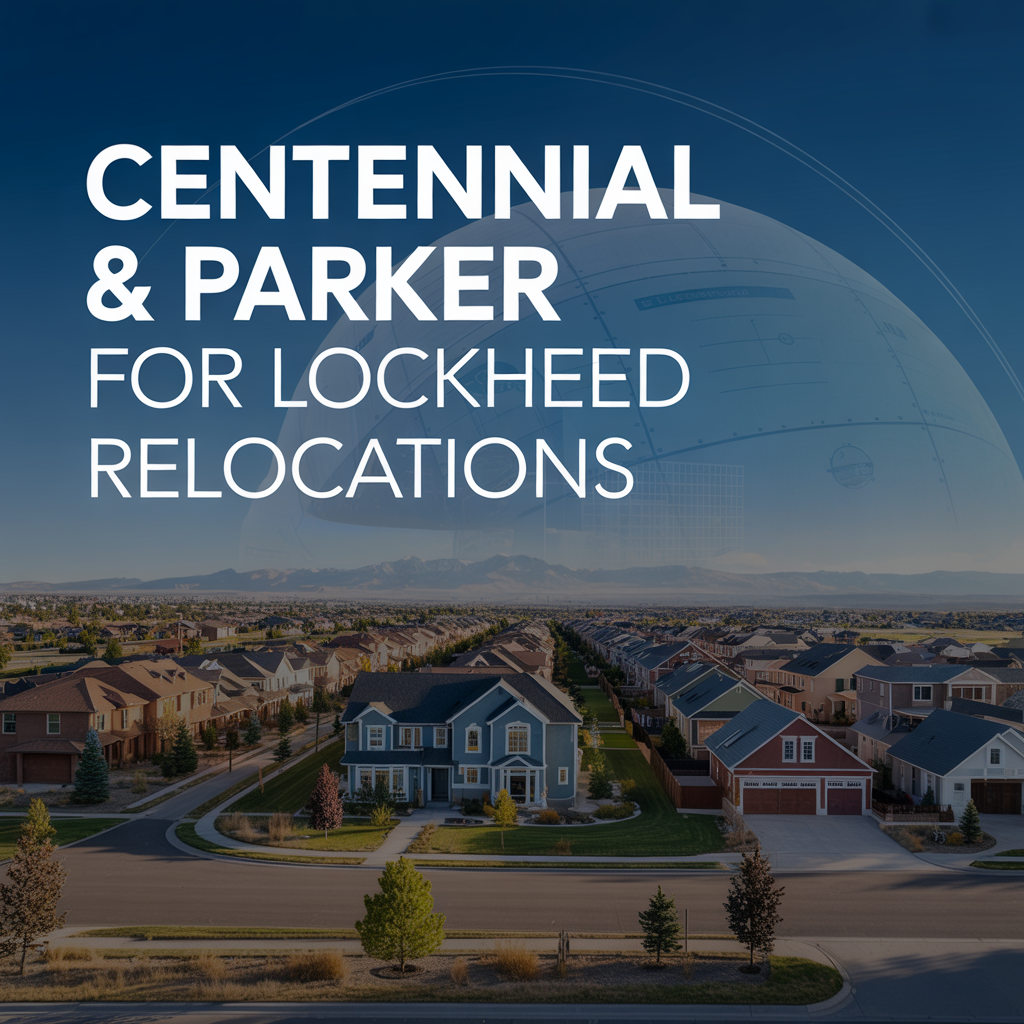
Centennial & Parker for Lockheed Relocations
This is part of Lockheed Martin Relocation → [Lockheed Martin Relocation Hub] & the larger Denver Relocation Hub → [Denver Relocation Hub] Written by: Chad Cabalka Centennial and Parker are two of the smartest suburban choices for Lockheed Martin employees relocating with families because they give you a strong balance of commute flexibility, good neighborhood variety, and…

Highlands Ranch for Family-Friendly Lockheed Relocations
This is part of Lockheed Martin Relocation → [Lockheed Martin Relocation Hub] & the larger Denver Relocation Hub → [Denver Relocation Hub] Written by: Chad Cabalka Highlands Ranch is one of the strongest choices for Lockheed Martin employees relocating with families because it delivers exactly what most parents want after a big move: stable neighborhoods, strong community…