



This is part of the Denver Metro Luxury Market Guide → [Luxury Guide]
In Denver’s luxury real estate market, two properties listed at the identical price often draw sharply contrasting responses from buyers. One might attract multiple offers within days, while the other lingers for months despite price parity. This divergence stems from how discerning buyers evaluate long-term value, location dynamics, and subtle property attributes in a market shaped by Colorado’s unique geography and buyer priorities.
Location Drives Buyer Psychology in Denver Metro
Location remains the primary filter for luxury buyers, but its impact in Denver extends beyond neighborhood prestige to practical realities like commute patterns and weather resilience.
Commute Times Shape Daily Value Perception
Buyers prioritize properties where drive times to downtown Denver or major employment hubs like the Tech Center align with their routines. A luxury home in Cherry Creek, with its 15-minute access to business districts via well-maintained roads, signals efficiency and reduced stress compared to a same-priced equivalent in far-flung exurbs like northern Castle Rock. Longer commutes—often 45 minutes or more during snow season—compound ownership costs through higher fuel expenses and vehicle maintenance, influencing buyers to favor central locations even at perceived premium square footage trade-offs.
In Colorado, winter weather amplifies this effect. Roads like I-25 and C-470 face routine closures or slowdowns, making proximity to key arteries a non-negotiable for families balancing school runs and professional demands. Buyers react swiftly to homes offering such advantages because they translate to preserved time and lower long-term frustration, outweighing raw square footage.
School Districts Anchor Family Decisions
For family-oriented luxury buyers, school quality dictates initial interest. A $3 million home in Hilltop, zoned for Denver’s top-rated public schools, draws immediate tours from out-of-state relocators who view education as an appreciating asset. Conversely, an equivalently priced property in a lesser-known suburb like Englewood might see tepid response if districts lag in test scores or extracurricular offerings.
This reaction matters because Colorado’s housing stock favors established neighborhoods with proven school performance, where resale values hold firm amid shifting market cycles. Buyers calculate that strong schools sustain demand, protecting equity during downturns like the current moderation toward 4.3 months of supply statewide.
Property Condition Signals Hidden Costs
Even with identical asking prices, the state of a luxury home reveals vastly different cost trajectories, prompting buyers to envision either seamless living or protracted renovations.
Move-In Ready vs. Dated Interiors
A turnkey luxury residence in Lowry—updated with modern systems, energy-efficient windows suited to Colorado’s temperature swings, and contemporary finishes—elicits enthusiasm because it minimizes upfront outlays. Buyers perceive immediate usability, avoiding the $200,000-plus in upgrades often required for a same-priced 1990s build in Washington Park with outdated HVAC and kitchens.
These disparities affect buyer behavior profoundly. In a market where mid-6% mortgage rates persist, relocators from coastal cities focus on properties that deliver instant equity through condition, reducing carrying costs like utilities heightened by Colorado’s dry climate. Well-staged, updated homes close faster, often at or near list, as buyers prioritize avoiding contractor delays amid supply chain constraints.
Systems Reliability in Harsh Climate
Colorado’s freeze-thaw cycles demand robust infrastructure, and buyers scrutinize this closely. A property with a new roof, insulated plumbing, and high-efficiency boilers reassures against winter disruptions, fostering bids from risk-averse professionals. A comparable-priced home neglecting these—perhaps with an aging septic in Highlands Ranch—triggers caution, as repair bills can exceed $100,000 and disrupt occupancy during peak family transition seasons.
This calculus explains divergent reactions: Serious buyers, often cash-heavy from relocations, weigh lifetime ownership costs over list price, favoring resilience that aligns with Front Range weather patterns.
Design and Layout Reflect Lifestyle Fit
Luxury buyers in Denver seek spatial efficiency tailored to modern needs, where poor layout undermines even competitive pricing.
Open Floor Plans for Entertaining
Homes with seamless indoor-outdoor flow, like those in Sloan’s Lake featuring retractable glass walls and covered patios, captivate buyers hosting frequent gatherings. These layouts leverage Colorado’s 300 annual sunny days, extending usable space without the maintenance of expansive yards. A same-priced traditional center-hall colonial in Park Hill, with chopped-up rooms, feels confining by comparison, deterring couples downsizing from larger estates.
Buyers react because effective design enhances daily utility and resale appeal. In metro Denver, where social networks drive word-of-mouth offers, versatile spaces command premiums in balanced markets projected to see 3-5% appreciation.
Outdoor Amenities Matched to Usage
Thoughtful outdoor integration separates standout properties. A $4 million estate in Cherry Hills Village with a low-maintenance xeriscaped lot, heated pool, and fire features draws families who value year-round usability amid water restrictions. An equivalent in Littleton burdened by oversized turf demanding constant irrigation prompts hesitation, as buyers factor in escalating HOA fees and labor shortages.
This distinction matters for long-term ownership: Colorado’s water scarcity and altitude-driven maintenance needs make sustainable designs a hedge against rising costs, influencing decisive action from informed purchasers.
Market Positioning and Pricing Strategy
Sellers who misunderstand buyer psychology misprice opportunities, leading to stalled momentum for otherwise viable listings.
Staging Highlights True Potential
Professional staging transforms perceptions. A meticulously presented home in Observatory Park, with neutral palettes and strategic furniture underscoring volume, accelerates showings and escalates offers. A vacant or cluttered counterpart at the same price in Belmar conveys neglect, causing buyers to lowball or pass, assuming undisclosed issues.
In Denver’s selective luxury segment, staging clarifies value, bridging emotional buy-in with rational analysis. Properties closing at 5.7% below list often suffer from poor presentation, underscoring why visual appeal sways reactions.
Accurate Comps Build Confidence
Listings backed by refined comparables foster trust. Sellers pricing a modern build in RiNo against recent sales of similar spec homes attract institutional buyers attuned to data. Overreaching on comps for a fixer in Five Points erodes credibility, extending days on market beyond the metro’s 68-day average.
Buyers, empowered by digital tools and agent insights, dismiss inflated asks, prioritizing evidence of market alignment in a stabilizing environment.
Luxury Buyer Profiles Vary by Submarket
Different segments respond uniquely, amplifying price-point paradoxes.
This table illustrates why identical pricing yields divergent pursuits: Executives chase efficiency, while investors hunt upside, each filtering through personal lenses refined by Colorado’s terrain.
Navigating Seller Concessions Thoughtfully
In today’s balanced market, concessions clarify value without eroding position. Offering closing cost credits on a strong Cherry Creek listing accelerates decisions from rate-sensitive buyers. Withholding them on a marginal Wheat Ridge property prolongs limbo, as purchasers negotiate harder amid 30,803 active listings.
Strategic use reinforces buyer confidence, turning neutral interest into contracts.
Ownership Costs Beyond the Mortgage
Total costs—taxes, insurance, utilities—illuminate reactions. A $2.5 million home in Bow Mar with solar integration and mill levy stability reassures amid rising property assessments. A peer in unincorporated Jefferson County, facing variable levies and higher insurance for wildfire proximity, prompts sticker shock despite matching price.
Colorado’s mill levy system and climate risks make these computations critical, steering buyers toward predictable expenses.
Conclusion
Two Denver luxury homes at the same price diverge in buyer reactions due to layered factors: location utility, condition integrity, design relevance, and cost foresight. Serious buyers dissect these elements against Colorado’s commute realities, weather demands, and market balance, prioritizing enduring value over surface appeal. Understanding these dynamics equips sellers to position effectively and buyers to select wisely in a metro poised for steady 2026 growth.
For personalized analysis of how these principles apply to your situation, reach out to me directly—let’s discuss your Denver luxury real estate goals.
Get the full Denver Market Insights → [Market Insights]


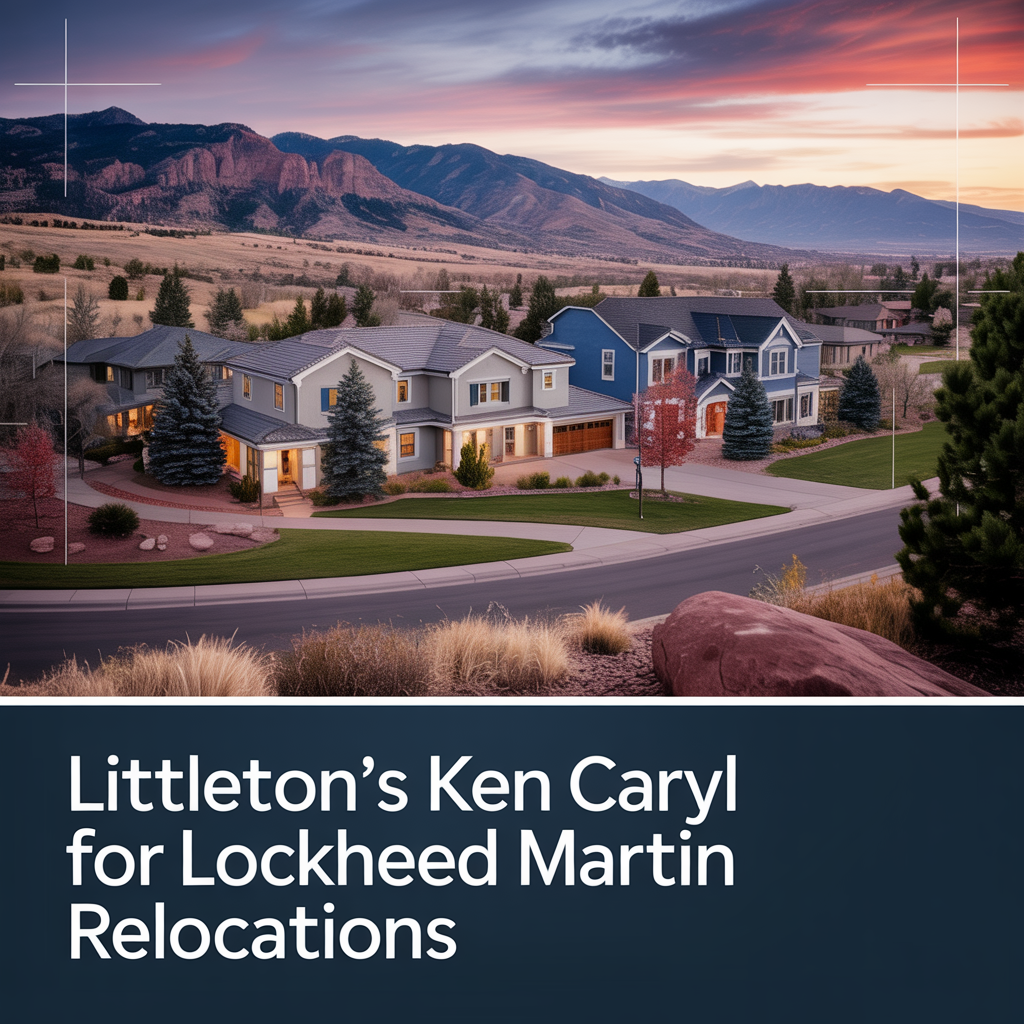
Littleton’s Ken Caryl for Lockheed Relocations
This is part of Lockheed Martin Relocation → [Lockheed Martin Relocation Hub] & the larger Denver Relocation Hub → [Denver Relocation Hub] Written by: Chad Cabalka Ken Caryl is one of the best-kept “family first” relocation options for Lockheed Martin employees who want foothills scenery, strong neighborhood appeal, and a real suburban lifestyle that still feels connected…


Centennial & Parker for Lockheed Relocations
This is part of Lockheed Martin Relocation → [Lockheed Martin Relocation Hub] & the larger Denver Relocation Hub → [Denver Relocation Hub] Written by: Chad Cabalka Centennial and Parker are two of the smartest suburban choices for Lockheed Martin employees relocating with families because they give you a strong balance of commute flexibility, good neighborhood variety, and…

Highlands Ranch for Family-Friendly Lockheed Relocations
This is part of Lockheed Martin Relocation → [Lockheed Martin Relocation Hub] & the larger Denver Relocation Hub → [Denver Relocation Hub] Written by: Chad Cabalka Highlands Ranch is one of the strongest choices for Lockheed Martin employees relocating with families because it delivers exactly what most parents want after a big move: stable neighborhoods, strong community…