



This is part of the Denver Metro Relocation Guide → [Relo Guide]
In Colorado real estate listings, the word turnkey often carries an instant appeal. It suggests a home that requires no further work—a ready-made space where you can move in and immediately get on with life. For busy professionals, relocating families, and retirees alike, that can feel like the perfect solution.
But anyone who has lived in one of these so-called turnkey properties for more than a few months knows that “move-in ready” almost never means “maintenance-free” or “perfectly finished.” Over time, homeowners start to see the subtle—and sometimes not-so-subtle—differences between new and lasting, between cosmetic upgrades and long-term quality.
Understanding why that gap exists is critical for anyone buying or selling in Colorado’s complex market. Decisions made with realistic expectations lead to more stable investments and fewer disappointments down the road.
The Psychology Behind “Turnkey Appeal”
The term turnkey sells convenience. It plays directly to the emotional fatigue many buyers feel after viewing homes that need updates or major repairs. Polished marketing photos, crisp paint, and fresh finishes feed the desire for simplicity—an understandable reaction in a competitive metro like Denver or Boulder, where buyers are often balancing relocation logistics, work transitions, and family needs.
However, convenience doesn’t always equal quality. Many turnkey homes are staged to highlight new surfaces, not new systems. A buyer focused only on visual appeal can easily overlook fundamental elements such as insulation, window integrity, grading, or appliance age. Those factors might not show up in glossy photos, but they profoundly affect comfort, upkeep, and long-term cost of ownership.
Buyers often conflate upgrade density (i.e., how much has visibly been redone) with upgrade depth (how well it was done, and what wasn’t touched). Colorado’s dry climate and dramatic temperature swings expose shortcuts faster than most other regions—paint looks crisp for six months, but caulking gaps, settling cracks, and worn finishes start appearing soon after the first winter.
What “Turnkey” Often Really Means in Colorado Homes
Across the Denver metro area, the label turnkey typically means a home has undergone surface-level renovations in the last five years. That can include flooring, paint, basic kitchen refreshes, and newer fixtures. Yet few of these updates extend to structurally meaningful improvements unless the home has been fully gutted or rebuilt.
A few realities specific to Colorado properties often come into play:
- Aging mechanical systems: Furnaces and AC units may look clean and pass inspection, but Colorado’s heavy use during cold months means they often age faster than expected.
- Basement moisture and grading issues: Even in arid climates, snowmelt around foundation lines can cause settling and minor leaks—problems rarely addressed in cosmetic remodels.
- Energy performance gaps: Many turnkey homes still have original windows, minimal attic insulation, or outdated ductwork. Energy efficiency upgrades tend to be expensive and less visible, so they’re often skipped by sellers.
- Builder-grade “updates”: Cabinets, flooring, and fixtures might be new but of low-cost quality. They meet buyer expectations visually but may not age well in Colorado’s dry air and frequent temperature fluctuations.
The result is that what seems like a “fully updated” home at purchase can start showing wear, performance inefficiencies, or deferred maintenance earlier than new homeowners expect.
The First Year: When the Real Turnkey Reality Sets In
Living in a home changes how you perceive its design and construction. The first year of ownership is often when “turnkey” transforms from marketing term to lived experience.
Patterns become clear—how the home holds temperature in winter, how light enters certain rooms, how water drains after spring snow, and how appliances truly perform. Small issues surface: a door that sticks in summer humidity, a leaky gutter seam, or a window seal that fogs. They may be minor, but they start to reveal where corners were cut or materials were chosen for appearance, not endurance.
Colorado’s climate accelerates discovery. Wide daily temperature swings, high UV exposure, and low humidity test materials quickly. Fresh paint can fade, trim gaps can appear, and previously invisible grading issues can lead to newly damp basement corners after the first major snowmelt.
These are not necessarily dealbreakers—but they underscore a key truth: turnkey does not mean worry-free. It just means someone else managed the visible work before you arrived.
Why Homeowners’ Definitions of “Turnkey” Change Over Time
After living in a home, owners begin valuing improvements differently than when they bought. Early in the ownership cycle, most people focus on appearance and functionality: how a kitchen looks, how modern the bathrooms feel, how well rooms flow for daily life.
By year three or four, practical realities move to the forefront: utility costs, repair frequency, and project durability. An owner who once admired the open shelving now values better storage; one who loved the sleek tile shower now notices persistent grout cleaning. In essence, the lived experience recalibrates what “turnkey” truly means—less about polish, more about performance.
Understanding this evolution helps both buyers and sellers make better decisions. Buyers can approach turnkey listings with more informed curiosity—asking what was left untouched during the remodel, or how long systems have been in service. Sellers, meanwhile, can prioritize upgrades that live well over time rather than just stage well for photos.
Long-Term Implications for Buyers
For buyers relocating to Colorado—especially from more moderate climates—it’s easy to underestimate how regional conditions affect a home’s lifespan and maintenance needs.
When evaluating a so-called turnkey home, pay close attention to features that matter most for long-term value in this market:
- Heating and cooling systems: Replacements and efficiency upgrades can be costly, and comfort varies dramatically across microclimates from Highlands Ranch to Arvada.
- Roof, windows, and insulation: These determine not just energy efficiency, but daily livability during winter and summer extremes.
- Drainage and landscaping: How a property handles snowmelt and heavy rain affects foundation health, especially in older neighborhoods.
- Neighborhood build quality: Even the most polished remodel can’t change construction standards or soil stability from decades past.
Pre-purchase inspections remain critical—but going beyond the inspection checklist to understand maintenance trajectories is even more valuable. Ask your agent or inspector what systems are most likely to require investment within the next five years. Those insights often have more lasting financial impact than whether the countertops are quartz or granite.
Guidance for Sellers: The New Definition of Market-Ready
For homeowners preparing to sell, recognizing how buyers think about “turnkey” post-pandemic can sharpen strategy. Today’s Colorado buyers are more informed than ever. Many have owned before, and very few expect a home to be flawless. What they do expect is transparency and consistency between presentation and substance.
Investing in a handful of invisible quality signals can set a listing apart in the current environment. Instead of another round of decorative paint or inexpensive fixtures, consider:
- Servicing HVAC systems and providing documentation.
- Replacing worn door seals or window screens.
- Updating light fixtures with energy-efficient options.
- Having sewer lines scoped and offering a clean report upfront.
- Including utility cost histories or recent energy audits.
These steps reinforce buyer confidence far more effectively than cosmetic upgrades alone. A home that holds up well through the first year of ownership earns stronger word-of-mouth and resale positioning later—a quiet but powerful advantage in stable-value markets like Centennial or Parker.
How Colorado Buyers Balance Emotion and Practicality
Colorado’s buyer pool is diverse: relocation professionals, long-term residents trading up or down, and investors drawn by ongoing population growth. Despite differing motivations, a common theme persists—buyers want homes that live well for the specific demands of this region.
Emotional response still drives first impressions; that’s unavoidable. But the most successful purchases balance emotion with disciplined evaluation. Buyers who anticipate what ownership will feel like over time—maintenance rhythm, seasonal comfort, and neighborhood functionality—consistently report greater satisfaction and financial stability.
Agents and advisors who help clients reframe their understanding of “turnkey” aren’t discouraging enthusiasm; they’re grounding it. By separating short-term polish from long-term performance, they align expectations with real-world experience—arguably the most valuable outcome in any transaction.
The Broader Lesson: Value Grows Where Function Endures
Ultimately, “turnkey” is not a fixed condition but a moment in time. Every home evolves under ownership—the question is whether it does so gracefully or expensively. In Colorado’s climate and market conditions, endurance carries a premium.
Buyers who look beyond surfaces to understand how systems perform, how materials age, and how spaces function over seasons are effectively buying time. They spend less on mid-term repairs and reap stronger resale returns. Sellers who grasp this dynamic position their properties for trust-based offers and smoother negotiations.
The difference between cosmetic turnkey and functional turnkey often boils down to intent: was the home prepared for marketing, or for living?
Conclusion: Redefining “Turnkey” for Real Life
In Colorado’s evolving real estate market, “turnkey” is best viewed as an invitation to look closer, not a guarantee of long-term ease. A move-in-ready appearance can still conceal future costs, just as a home needing minor updates can prove more reliable over time.
The buyers and sellers who succeed most in this region are those who focus on substance over surface—who view homes as systems meant to serve daily life in a demanding environment, not just as finished products to be admired. Whether you are relocating to the Front Range or trading homes within the metro area, clarity about what “turnkey” truly means can help you make more grounded, durable decisions.
If you’re considering buying or selling in Colorado and want an in-depth perspective on what makes a home genuinely move-in ready for this market, reach out to me directly. Together, we can separate presentation from performance—and ensure your next move is guided by lasting value, not just first impressions.
Get the full Denver Market Insights → [Market Insights]


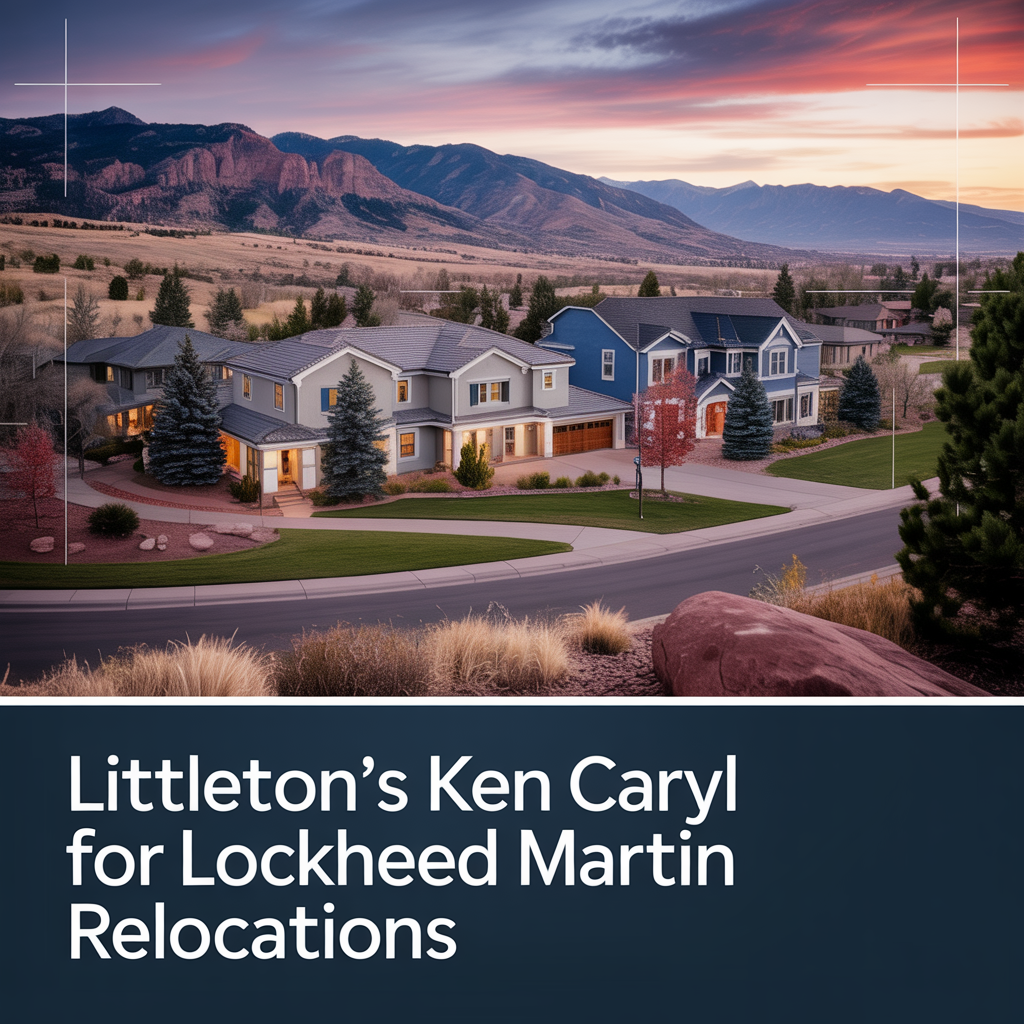
Littleton’s Ken Caryl for Lockheed Relocations
This is part of Lockheed Martin Relocation → [Lockheed Martin Relocation Hub] & the larger Denver Relocation Hub → [Denver Relocation Hub] Written by: Chad Cabalka Ken Caryl is one of the best-kept “family first” relocation options for Lockheed Martin employees who want foothills scenery, strong neighborhood appeal, and a real suburban lifestyle that still feels connected…

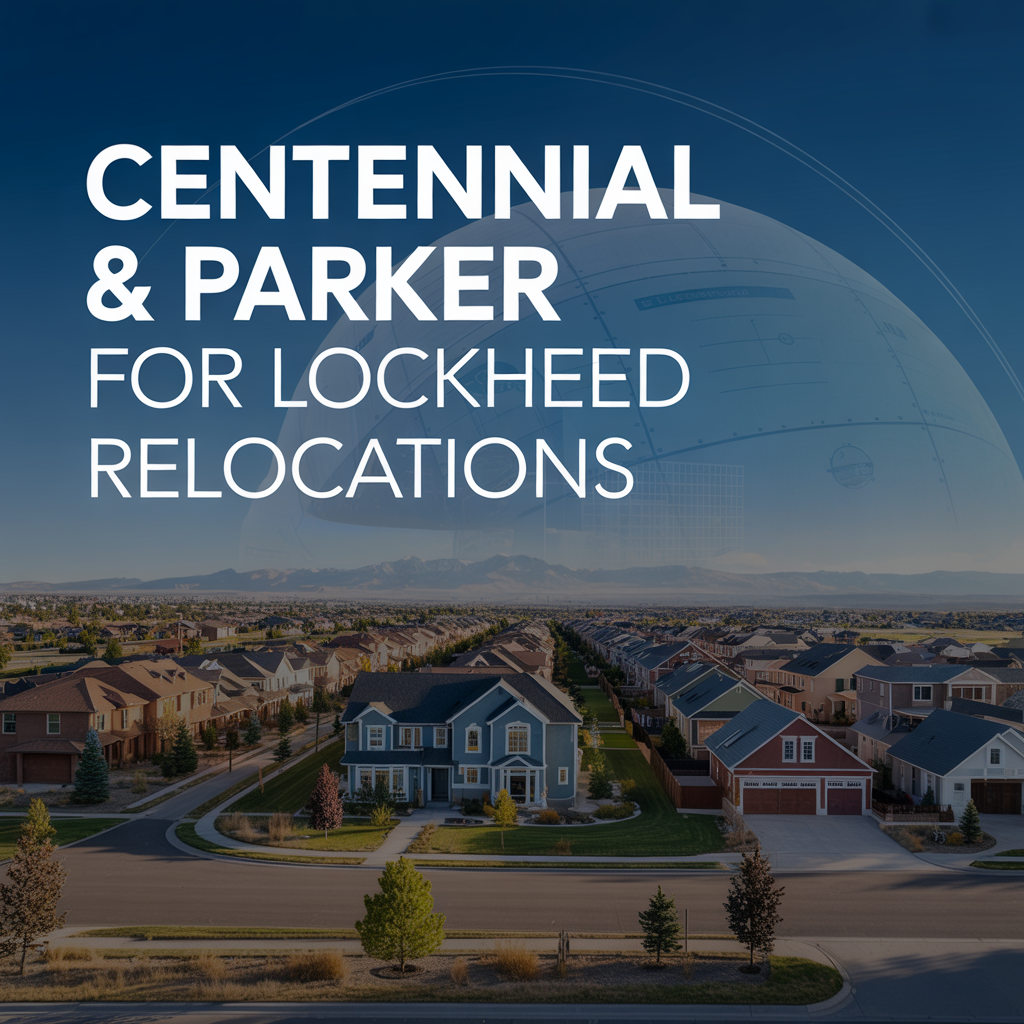
Centennial & Parker for Lockheed Relocations
This is part of Lockheed Martin Relocation → [Lockheed Martin Relocation Hub] & the larger Denver Relocation Hub → [Denver Relocation Hub] Written by: Chad Cabalka Centennial and Parker are two of the smartest suburban choices for Lockheed Martin employees relocating with families because they give you a strong balance of commute flexibility, good neighborhood variety, and…

Highlands Ranch for Family-Friendly Lockheed Relocations
This is part of Lockheed Martin Relocation → [Lockheed Martin Relocation Hub] & the larger Denver Relocation Hub → [Denver Relocation Hub] Written by: Chad Cabalka Highlands Ranch is one of the strongest choices for Lockheed Martin employees relocating with families because it delivers exactly what most parents want after a big move: stable neighborhoods, strong community…