



This is part of the Denver Lifestyle Hub→ [Lifestyle Hub]
Living in Denver means learning that transportation choices shape your daily rhythm as much as your home itself. Colorado’s Front Range offers a complex balance: an expanding urban core served by light rail, bus rapid transit, and bike corridors, surrounded by suburban communities still deeply dependent on cars. For buyers and sellers, understanding where transit can genuinely take the place of driving — and where it can’t — matters for both convenience and long-term property value.
Understanding Denver’s Evolving Mobility Landscape
Denver has spent two decades investing in regional mobility through the Regional Transportation District (RTD). The result is a vast but uneven network. Light rail and commuter rail lines connect downtown with major corridors like the southeast tech corridor, the western foothills, and Denver International Airport. Bus Rapid Transit (BRT) is emerging along dense corridors like Colfax Avenue.
What this means for homeowners is not simply access to trains or buses, but differences in how people live day-to-day. In certain neighborhoods — particularly those within a few blocks of a reliable rail or BRT stop — residents can realistically use transit for work, errands, and entertainment. In many others, public transit still functions as an occasional option, not a full lifestyle replacement.
Where Transit Works as a True Alternative to Driving
Downtown Denver and the Urban Core
For those who live within or adjacent to downtown, transit can often replace driving entirely. The dense grid of the Central Business District, LoDo, Capitol Hill, and Union Station neighborhoods creates a setting where residents can walk or bike for most errands. The Union Station transit hub connects directly to the airport, Boulder, and many suburban employment centers via rail or express buses.
Daily life here feels closer to a traditional urban rhythm — coffee shops and grocers within walking distance, structured parking that discourages unnecessary car ownership, and sidewalks that stay busy through all seasons. For professionals who work downtown or along light rail corridors, a one-car (or even car-free) lifestyle can be entirely feasible.
South Denver Corridor: Broadway to DTC
The Southeast Light Rail Line, running through Broadway, Englewood, and the Denver Tech Center (DTC), supports a commuter-friendly network where buyers can value access as much as square footage. While most residents still own cars, proximity to these lines offers flexibility. Many younger professionals and downsizing homeowners choose condos or townhomes within walking distance of stations, recognizing that ease of movement translates into time saved and fewer transportation costs.
Neighborhoods such as Platt Park, South Broadway, and Belleview Station illustrate how blending urban planning with transit access creates long-term resilience in property values. Buyers prioritize not just the home’s design but the quality of connectivity around it.
East Line to the Airport: A Model of Regional Connectivity
The A-Line between Union Station and Denver International Airport (DIA) marked a milestone. For frequent travelers — consultants, remote workers who fly often, and airline employees — living along this corridor provides rare predictability. Property values around Central Park, Northfield, and nearby pockets in Aurora benefit not only from proximity to DIA but also reliable transit that shields residents from I-70 traffic.
This corridor has also drawn interest from employers, who see transit-oriented development as a recruiting tool. Households that balance dual careers or travel-heavy schedules often value these dependable routes over raw square footage or backyard size.
Where Transit Falls Short — and Why It Matters
Western Suburbs and Foothill Communities
West of I‑25, public transit begins to thin out. Golden, Lakewood, Arvada, and portions of Littleton have rail access in principle, but geography and development patterns limit its practical use. Many subdivisions were designed during the car era, with winding streets and long distances between stops. Commuting into downtown from these areas by bus or rail can approach or exceed driving times, particularly outside rush hours.
For residents, this translates not just into inconvenience but lifestyle adjustment. Afternoon errands, kids’ activities, or weekend recreation remain linked to car ownership. When evaluating property in these areas, buyers should treat proximity to major commuter routes — like C‑470 or US‑285 — as equivalent to transit access in the city proper.
Northern Growth Corridors: Thornton, Northglenn, and Broomfield
Northern suburbs illustrate the challenge of expansion outpacing infrastructure. Although commuter rail extends partially northward, last-mile service gaps limit efficiency. These areas appeal to buyers seeking newer construction or lower prices per square foot, but driving typically remains the default mode.
For investors and long-term homeowners, the lesson is patience. RTD and local governments have plans for incremental improvements, but for now, market behavior continues to reward neighborhoods that combine affordability with highway convenience rather than transit reliability.
The Southern Suburbs: Highlands Ranch, Lone Tree, and Parker
In Denver’s southern crescent, most residents find car ownership unquestionable. These communities were designed around single-family homes with large lot sizes and dispersed commercial centers. While RTD runs Park-n-Ride commuter services and limited light rail extensions into Lone Tree, day-to-day mobility — from school drop-offs to regional shopping — remains car-dependent.
This does not diminish their appeal. Highlands Ranch and Parker continue to attract families prioritizing schools, open space, and community amenities over transit reliance. However, when modeling costs of ownership, it’s important to account for vehicle dependence — fuel, insurance, and commuting time can offset some of the savings buyers expect from suburban pricing.
The Nexus Between Transit and Real Estate Value
Accessibility and Market Stability
Transit access supports stability in a way that pure price appreciation does not. Even when housing markets cool, properties near strong public transit lines tend to hold or regain value faster. The logic is simple: they serve broader needs, attract diverse buyer profiles, and remain convenient through economic cycles.
Denver’s consistent job growth and evolving work patterns mean not everyone will commute daily, but proximity to reliable transit preserves flexibility — a quality buyers quietly pay for even when they don’t use it daily.
Transit and Mortgage Math
For a household comparing two properties of similar price — one in a car-dependent area and one near transit — the long-term cost profile can differ sharply. Fewer vehicles mean reduced monthly overhead: insurance, maintenance, and depreciation. In a market where affordability is tightening, buyers increasingly weigh those hidden costs.
Sellers, too, can gain by marketing accessibility honestly. A home within walking distance of a light rail stop or frequent bus route often appeals to relocation buyers who know urban systems in other cities and value choice over obligation.
The Reality of Hybrid Living
For most Denver-area residents, the best description of transit use is hybrid living. Families in Lakewood might use light rail for downtown entertainment but drive to school and work. A professional in RiNo might rely on a bike and the A-Line during the week, then rent a car for weekend trips to the mountains. This blend is distinctly Denver — adaptive rather than ideological.
Understanding this mix helps buyers make levelheaded decisions. Instead of asking, “Can I live without a car?” it’s more useful to ask, “Where will transit give me options, and where will driving still define my routine?” That mindset mirrors how locals truly navigate the city’s geography, weather, and evolving infrastructure.
The Coming Phase: Bus Rapid Transit and Local Micro-Mobility
Looking forward, Denver’s transportation ecosystem is shifting again. Colfax Avenue’s bus rapid transit project — set to reshape mobility through one of the region’s most historic and densely used corridors — will bring faster, more reliable service to communities that already balance mixed incomes and housing types.
At the same time, short-distance micro-mobility, from e-bikes to ride-share partnerships, is filling gaps unseen in older planning models. For buyers evaluating neighborhoods like Sloan’s Lake or Five Points, the broader question becomes how a home’s location interacts with these emerging systems. Walkability, access to BRT, and future-proofing against congestion all influence how homes will perform over time.
Evaluating Transit Access When Choosing a Home
To translate these ideas into action, consider these practical steps during your home search:
- Map commute scenarios. Test both driving and transit routes during your typical hours. The experience often differs from online estimates.
- Study walkability beyond scores. A station nearby matters less if it’s separated by major roadways or poor pedestrian infrastructure.
- Check for future transit plans. Areas near proposed BRT corridors or rail extensions often gain early price appreciation.
- Balance lifestyle priorities. If weekend recreation or flexible remote work defines your schedule, proximity to highways may outweigh daily transit access.
- Calculate ownership totals. Add estimated car expenses over time; these real costs often reveal the financial benefit of living closer to transit.
How Locals Actually Live Day-to-Day
In practice, Denver’s rhythm reflects a blend of independence and shared space. Morning commutes range from cyclists passing quiet parkways in Wash Park to carpool lanes on C‑470 filled with tech professionals from Highlands Ranch. Evenings see trains packed with workers heading to Golden or Aurora for evening classes or family dinners.
Across the metro, the cultural tone is pragmatic — not anti-car, but increasingly conscious of choice. Residents know that weather, distance, and job location dictate mobility. What defines satisfaction isn’t which mode you use, but whether your neighborhood gives you the freedom to choose.
Conclusion: Choosing Wisely in a Connected but Varied City
Denver’s real estate market is inseparable from how people move through it. Transit-oriented neighborhoods continue to command steady interest, not because they promise a car-free paradise but because they ensure flexibility. Conversely, the suburban grid still offers comfort, space, and community for those whose daily lives legitimately rely on driving.
Whether you’re buying or selling, integrating transportation realities into your decision ensures long-term comfort and stability. The key is honesty — about habits, priorities, and the kind of daily rhythm you want.
If you’d like deeper insights on how transit patterns, commute times, and development projects could affect your home’s long-term value or neighborhood experience, reach out to me directly. I’m always glad to help clients match their housing goals with the reality of Denver’s evolving landscape.
Get the full Denver Market Insights → [Market Insights]


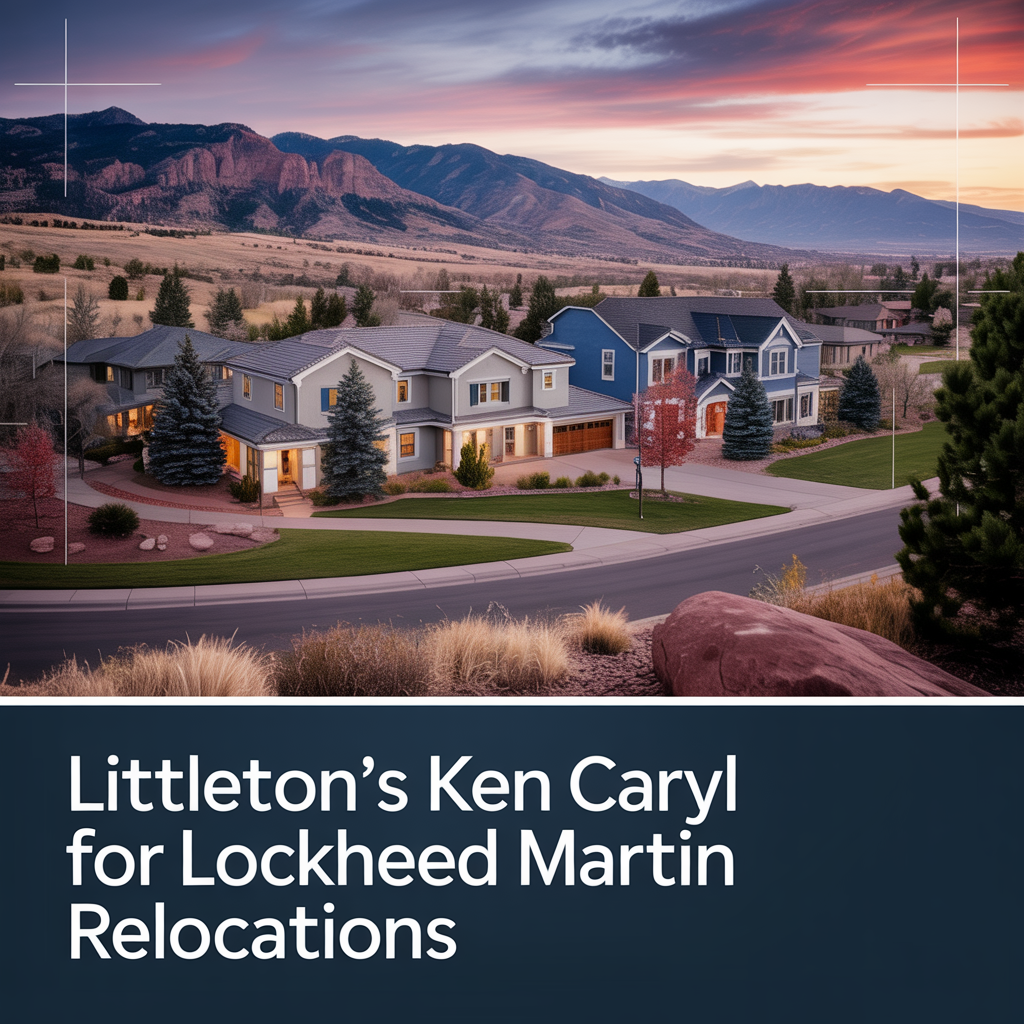
Littleton’s Ken Caryl for Lockheed Relocations
This is part of Lockheed Martin Relocation → [Lockheed Martin Relocation Hub] & the larger Denver Relocation Hub → [Denver Relocation Hub] Written by: Chad Cabalka Ken Caryl is one of the best-kept “family first” relocation options for Lockheed Martin employees who want foothills scenery, strong neighborhood appeal, and a real suburban lifestyle that still feels connected…


Centennial & Parker for Lockheed Relocations
This is part of Lockheed Martin Relocation → [Lockheed Martin Relocation Hub] & the larger Denver Relocation Hub → [Denver Relocation Hub] Written by: Chad Cabalka Centennial and Parker are two of the smartest suburban choices for Lockheed Martin employees relocating with families because they give you a strong balance of commute flexibility, good neighborhood variety, and…

Highlands Ranch for Family-Friendly Lockheed Relocations
This is part of Lockheed Martin Relocation → [Lockheed Martin Relocation Hub] & the larger Denver Relocation Hub → [Denver Relocation Hub] Written by: Chad Cabalka Highlands Ranch is one of the strongest choices for Lockheed Martin employees relocating with families because it delivers exactly what most parents want after a big move: stable neighborhoods, strong community…