



This is part of the Denver Lifestyle Hub→ [Lifestyle Hub]
Living in Denver means embracing an active, connected lifestyle — whether that’s hiking a trail before work, catching a concert at Red Rocks on the weekend, or joining the crowd downtown for a Broncos game. Sports aren’t just entertainment here; they’re part of the local identity. The pulse of game day, especially in neighborhoods clustered around downtown, shapes both how Denverites gather and how neighborhoods feel throughout the week.
If you’re deciding where to buy, rent, or settle in the metro area, understanding where people socialize matters. The energy, walkability, and sense of community often build around places like parks, breweries — and yes, sports bars. These are the informal community centers of Denver.
Below is a practical guide to the city’s most notable sports bars, paired with observations about how each area feels to live in and what the local rhythms might mean for your real estate choices.
Downtown Denver: The Heart of Game Day
Few parts of the city capture the local energy like LoDo (Lower Downtown). This neighborhood sits within walking distance of Coors Field and a short light rail ride from Ball Arena, making it the epicenter for Denver’s sports scene.
Blake Street Tavern (Ballpark District)
For nearly two decades, Blake Street Tavern has been the city’s go-to spot for serious sports fans — and although it’s moved locations in recent years, its influence on Denver’s game-day culture remains. With multiple rooms, high-definition screens, and a strong local following, it’s less of a bar and more of an institution.
Real estate insight: Living near downtown stadiums appeals to buyers who value immediacy and nightlife. Expect higher density housing — townhomes, loft conversions, and luxury condominiums — with a premium for walkability. Parking can be limited, and noise levels rise on game days. But for those who thrive on being in the middle of things, few submarkets in Colorado offer a lifestyle like LoDo.
Stoney’s Bar & Grill (Lincoln Park/Golden Triangle)
Just a few blocks south of Civic Center Park, Stoney’s blends a homegrown vibe with serious sports allegiance. It’s popular with alumni groups, meaning you’ll find diverse crowds depending on the season — SEC football one weekend, NHL playoffs the next.
Neighborhood note: Golden Triangle and adjacent Lincoln Park have matured into stable, long-term residential areas with a moderate urban feel. There’s a mix of historic single-family homes alongside newer mid-rise condos. Residents here often value quick commutes into the downtown core with a little more space and quiet than LoDo provides.
South Denver: Neighborhood Hangouts with Loyal Followings
As you move south toward Wash Park and Platt Park, the tempo slows. These areas attract residents who want community, access to restaurants and bars, and quieter streets. Sports viewing remains integral — but the atmosphere feels more like a neighborhood gathering, less like a spectacle.
The Sports Column (Downtown, near Union Station)
Although traditionally a downtown bar, its patron base includes many from South Denver neighborhoods thanks to direct light rail access. Locals often head here before Rockies games but prefer to watch Sunday football at smaller venues closer to home.
Campus Lounge (Bonnie Brae)
Originally opened in the 1940s, this neighborhood fixture has evolved alongside the residential fabric of East Denver. The recent remodels kept its approachable charm — wood booths, historic memorabilia, and that classic local bar feeling you don’t find in newer developments.
Real estate insight: Areas near Bonnie Brae, Cory-Merrill, and Wash Park are highly desirable for families and professionals seeking proximity to downtown without the congestion. Average home costs run higher here, but property values tend to hold steady through market cycles. Walkable amenities like the Campus Lounge contribute directly to the area’s consistent appeal.
The Tech Corridor and East Metro: Suburban Comfort, Urban Connection
ViewHouse Centennial and ViewHouse DTC
These venues highlight how sports bars have evolved — open-concept spaces, rooftop dining, and community events that cater equally to young professionals and families. You’ll find just as many people watching a Broncos game as enjoying brunch on the patio.
Neighborhood trends: The Denver Tech Center, Greenwood Village, and Centennial areas continue to attract corporate professionals seeking suburban calm with urban conveniences. Proximity to light rail, lower property taxes compared to Denver County, and modern housing stock make this corridor a practical option for relocation buyers. Local hot spots like ViewHouse mirror that lifestyle — polished, social, and accessible.
Tavern Tech Center
Another long-running DTC staple, the Tavern brand built its reputation on consistency. For homeowners nearby, spots like this function as an easy social outlet — a place to meet friends after work without driving across town.
Real estate perspective: Housing here typically includes newer single-family homes and townhouses built post-2000, many of which incorporate open layouts and smart-home upgrades appealing to mid-career buyers. Lower density zoning keeps the area quieter, which is a key draw for those moving from central Denver.
The North Side and Highland Vibe
Just across I-25 from LoDo, the Highland and Sunnyside neighborhoods have transformed dramatically over the last decade. What used to be an overlooked part of the metro area is now one of Denver’s most dynamic residential zones — and the local pub scene reflects that mix of tradition and reinvention.
Highland Tap & Burger
Known for elevated food and a family-friendly atmosphere, Highland Tap blends neighborhood warmth with sports enthusiasm. You’ll see locals with strollers during brunch and fans filling the place during Avalanche and Nuggets games.
Real estate insight: Highlands’ walkability and neighborhood scale are key to its enduring value. Average prices have risen sharply over time, but the dense network of amenities — from restaurants to boutique shops — helps insulate the area from large value swings. Living here means you can walk to bars like Highland Tap instead of driving across town.
Recess Beer Garden
Half patio, half bar, Recess exemplifies what people love about the Colorado lifestyle: open-air seating, sunshine, and casual socializing. Located near 17th and Tejon, it naturally extends into the local housing culture.
Neighborhood note: Surrounding developments include a blend of 1910s bungalows and newer infill homes. Buyers considering the Highlands should budget for competition but can expect ongoing appreciation fueled by location and lifestyle demand.
East Colfax and Park Hill: Local, Approachable, and Unpretentious
While many Denver neighborhoods have modernized rapidly, parts of East Colfax retain their authentic, no-frills energy.
The Elm (Park Hill)
Park Hill residents prize local connection over trendiness, and The Elm fits that preference. You’ll find a rotating menu of Colorado beers and community-oriented events tied to neighborhood charities and school fundraisers.
Real estate insight: Park Hill remains a favored area for its central location and character architecture — primarily 1920s to 1950s homes with spacious lots and tree-lined streets. It’s one of the rare neighborhoods that offers both strong community and direct downtown access, typically within 15 minutes by car. Sports bars like The Elm deepen that sense of belonging, adding everyday anchors to local life.
Understanding How Lifestyle Amenities Shape Home Value
For serious buyers, seemingly small features — like whether a neighborhood has casual gathering spots — actually matter more than most resale analytics show. Local hangouts reinforce long-term livability. When residents build social routines around places they can walk to, property stability tends to follow.
Neighborhoods with thriving local businesses, including well-patronized sports bars and eateries, typically demonstrate:
- Higher owner-occupancy rates. Locals who engage in their community often stay longer, reducing turnover.
- More resilient property values. Strong local identity and walkable amenities help buffer against market dips.
- Predictable rental demand. Young professionals seeking vibrant, community-centered areas choose these neighborhoods for lifestyle access as much as commute convenience.
Denver’s unique mix of urban and suburban environments means these dynamics play out differently depending on where you live. Downtown and RiNo thrive on density and energy, Highlands balances modern appeal with tradition, and South Denver delivers consistency and comfort. A good match depends on your priorities: daily walkability, quiet nights, or proximity to the action.
A City Measured in Moments, Not Miles
At its core, living in Denver is about rhythm — that blend of mountain proximity and urban vibrancy that shapes how people connect every week. Whether you’re meeting friends for kickoff downtown or catching a late game in a quiet bar near Wash Park, those small rituals define what home feels like here.
When you evaluate neighborhoods, these lifestyle layers deserve as much attention as square footage or finishes. Amenities like reliable local sports bars tell you how the community gathers, what pace of life dominates the area, and where you’ll likely build your own connections once you move in.
Final Thoughts
For many relocating buyers, Denver’s culture of casual connection can be the deciding factor. The right neighborhood gives you more than property — it gives you a place to belong. Understanding where residents naturally gather, from Blake Street to The Elm, provides a window into that daily experience.
If you’re exploring a move within Denver or deciding which neighborhood’s rhythm fits your goals — work, family, investment, or just quality of life — reach out to me directly. I’ve spent a lifetime studying and living in these communities, and I can help you match your next home to the kind of local lifestyle that makes Denver such a lasting place to live.
Get the full Denver Market Insights → [Market Insights]


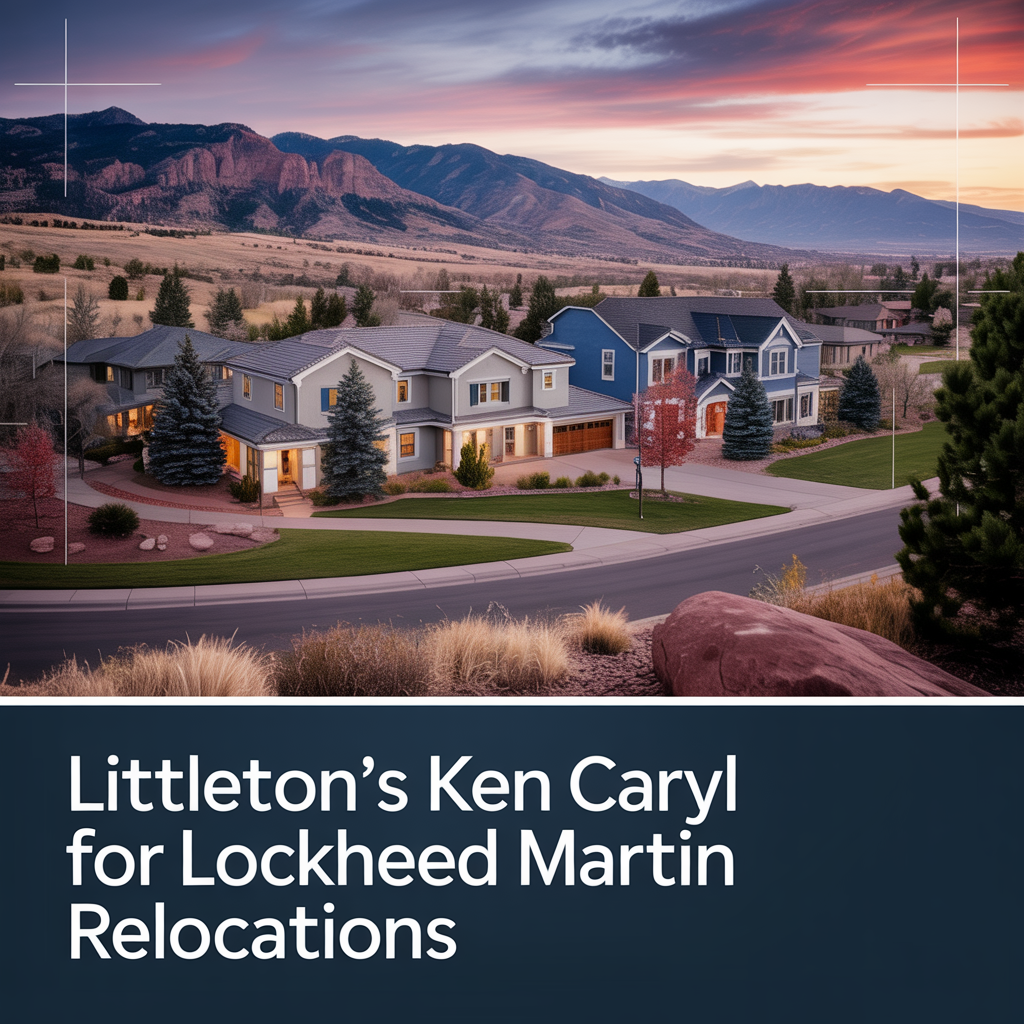
Littleton’s Ken Caryl for Lockheed Relocations
This is part of Lockheed Martin Relocation → [Lockheed Martin Relocation Hub] & the larger Denver Relocation Hub → [Denver Relocation Hub] Written by: Chad Cabalka Ken Caryl is one of the best-kept “family first” relocation options for Lockheed Martin employees who want foothills scenery, strong neighborhood appeal, and a real suburban lifestyle that still feels connected…

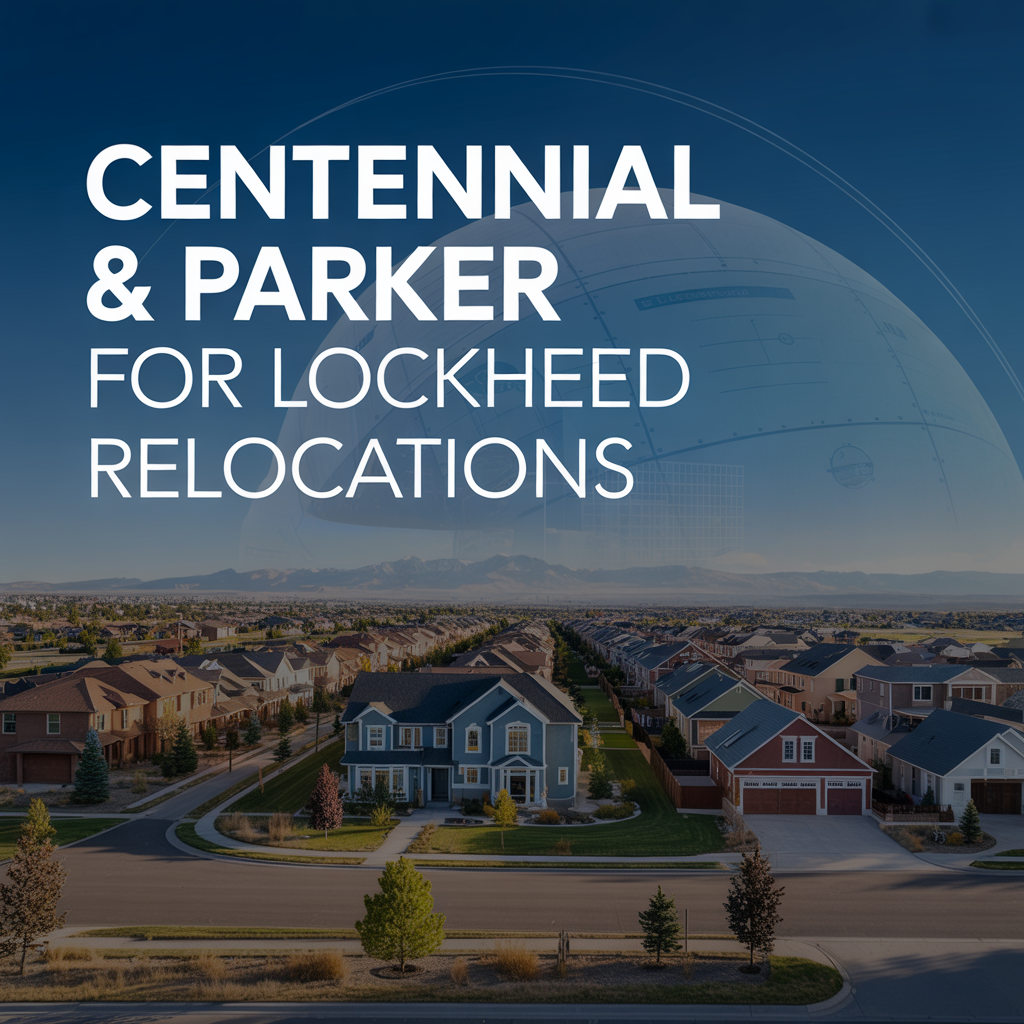
Centennial & Parker for Lockheed Relocations
This is part of Lockheed Martin Relocation → [Lockheed Martin Relocation Hub] & the larger Denver Relocation Hub → [Denver Relocation Hub] Written by: Chad Cabalka Centennial and Parker are two of the smartest suburban choices for Lockheed Martin employees relocating with families because they give you a strong balance of commute flexibility, good neighborhood variety, and…

Highlands Ranch for Family-Friendly Lockheed Relocations
This is part of Lockheed Martin Relocation → [Lockheed Martin Relocation Hub] & the larger Denver Relocation Hub → [Denver Relocation Hub] Written by: Chad Cabalka Highlands Ranch is one of the strongest choices for Lockheed Martin employees relocating with families because it delivers exactly what most parents want after a big move: stable neighborhoods, strong community…