


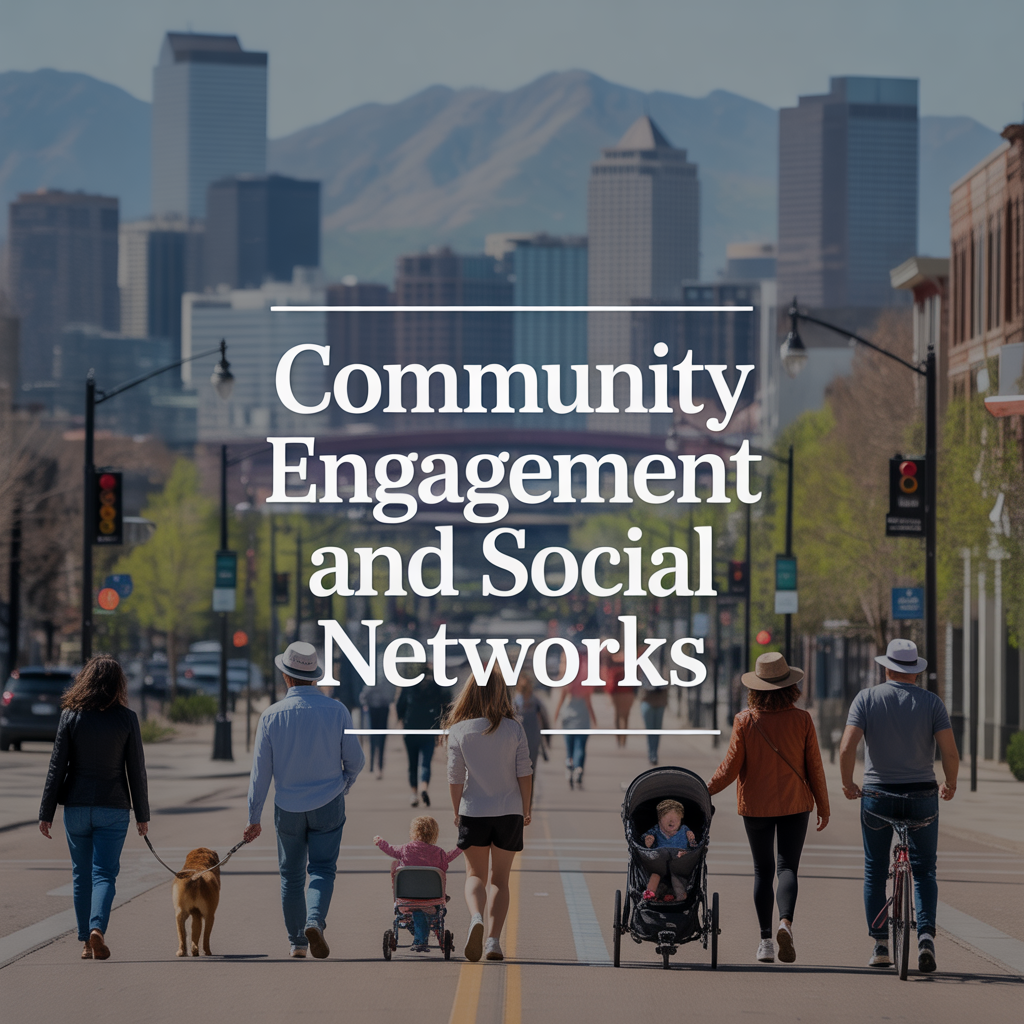
This is part of the Denver Lifestyle Hub→ [Lifestyle Hub]
This topic — how community engagement and social networks shape daily life and long-term value in Denver — fits perfectly within a “Denver Lifestyle Hub” series. Below is a complete, polished draft crafted to sound like the steady voice of a lifelong local who understands both the rhythms of neighborhood living and the undercurrents of the Denver real estate market.
Community Engagement and Social Networks in Denver: Why They Matter for Homeowners and Buyers
Denver is not a city you experience from the outside. To understand it, you have to live in it — to walk its blocks, wave to your neighbors at the end of the day, and feel the pattern of a community that values connection as much as its mountain views. For homebuyers and sellers, this sense of engagement isn’t just part of the lifestyle; it’s part of the long-term value equation.
In a market as interconnected as Denver’s, social networks define neighborhoods as strongly as architecture or school districts. Understanding how those local ties form — and what they mean for livability, stability, and real estate performance — gives both buyers and sellers a clear advantage.
The Character of Connection in Denver Communities
Denver has always been a city built on relationships. Its neighborhoods — from Park Hill and Washington Park to newer areas like Central Park and Lowry — function as real communities, not just collections of homes. Colorado’s blend of urban access and outdoor culture fosters a daily rhythm that favors interaction.
People walk their dogs before sunrise, stop to chat at the local coffee shop, and see familiar faces at the same microbrewery or trail. These repeated, low-pressure exchanges create dense networks of trust and belonging. Over time, these connections influence everything from how people maintain their properties to how long they stay in a neighborhood.
For buyers evaluating potential neighborhoods, these informal networks are often invisible on paper — but they drive much of the “feel” that determines long-term satisfaction. For sellers, they’re a kind of social capital that can differentiate one block from another in the same ZIP code.
Why Engagement Affects Real Estate Value
There’s a measurable relationship between social engagement and housing stability. Neighborhoods with active associations, walkable streets, and consistent attendance at local events often show stronger appreciation and steadier pricing cycles. The reason is psychological and economic: people are less likely to leave a community where they feel rooted.
Engaged neighborhoods also tend to demonstrate more consistent upkeep. When neighbors know one another, property standards rise naturally — not through regulation, but through quiet accountability. A block of homes where residents greet each other, share updates, and work together on small improvements tends to hold value even when broader markets fluctuate.
Moreover, potential buyers intuitively sense these areas. During a showing, subtle signals — well-tended yards, community notices, children playing outside — reinforce a perception of safety and belonging. In a market where emotional comfort drives as many decisions as financial calculus, these cues matter.
Long-Term Stability in a Fast-Changing Market
Denver’s real estate landscape has evolved rapidly over the past two decades, shaped by population influx, rising costs, and redevelopment. In many cities, such rapid change can erode community identity. Yet, Denver’s enduring strength lies in how residents actively rebuild their sense of connection each time the market shifts.
Areas like Berkeley, RiNo (River North), and Sunnyside have seen transitions from industrial or working-class roots to creative and professional hubs. Even amid change, many of these neighborhoods preserve their identity through locally led associations, block events, and business collaborations. Buyers who look for this resilience — not just current charm — often end up in communities that weather volatility more gracefully over time.
Social infrastructure, not just physical infrastructure, sustains value through cycles. A robust network of neighbors can coordinate responses to local policy issues, new developments, or transportation changes that might otherwise disrupt the area. In this way, community engagement functions as a stabilizing force in Denver’s evolving market context.
The Role of Local Businesses and Third Places
Coffee shops, local breweries, and small independent retailers are more than amenities in Denver’s neighborhoods — they’re nodes of connection. Sociologists refer to these as “third places,” informal gathering points separate from home (first place) and work (second place). In Denver, these spaces function as economic anchors and social glue.
When buyers look at maps highlighting proximity to retail or dining, what they’re often sensing is access to a neighborhood’s heartbeat. Highland Square, South Pearl Street, and Tennyson Street are prime examples: not just commercial corridors, but social ecosystems. Over time, strong local business communities foster neighborhood loyalty, promote sustainability, and encourage repeat local spending — factors that reinforce property values indirectly but significantly.
For sellers, emphasizing participation in these local networks — sponsoring community events, supporting nearby shops, or connecting buyers to neighborhood initiatives — creates authenticity. It demonstrates that the property isn’t just located in the community; it’s part of it.
Schools, Civic Life, and Broader Networks
Denver’s public and charter schools often serve as core community catalysts. Beyond academics, they tie families together through fundraisers, activities, and volunteer programs. For buyers evaluating neighborhoods like Stapleton (now Central Park) or Bonnie Brae, proximity to active schools can signal both convenience and community health.
Civic engagement further extends these networks. Homeowners associations, neighborhood watch groups, and city planning meetings may seem unglamorous, yet they form the foundation of Denver’s participatory culture. Residents here tend to be highly informed and vocal about growth, infrastructure, and environmental priorities. That engagement directly influences how neighborhoods evolve — determining everything from local park maintenance to zoning discussions about density and infill.
Social Media and the Modern Neighborhood
Over the past decade, online platforms like Nextdoor, Facebook community boards, and local subreddits have extended Denver’s in-person connections into digital spaces. While these tools don’t replace genuine interaction, they do create visibility and immediacy.
For newcomers relocating to Denver, digital community spaces can ease the transition by providing a quick introduction to local norms, neighborhood issues, and recommendations. This can accelerate integration and reduce the “outsider” phase that often defines the first months after a move.
However, digital connection has limits. The neighborhoods that still prioritize in-person engagement — local farmers markets, volunteer days, or block gatherings — maintain a healthier, more lasting sense of cohesion. Those are the communities that adjust most smoothly in times of change or challenge.
Commuting Patterns and Daily Rhythms of Connection
Commuting in the Denver metro area illustrates another layer of community psychology. Many residents work downtown or along the tech corridors in the Denver Tech Center, Boulder, or Aurora. The way people move through the city each day shapes when and how they interact with their neighborhoods.
Shorter commutes, increasingly prioritized since 2020, have strengthened neighborhood participation. Remote or hybrid work has deepened local engagement — mid-morning walks, weekday errands, or lunches at local cafés now emphasize proximity and flexibility as quality-of-life indicators. Neighborhoods that support this pattern — through walkability, reliable public transit, and nearby amenities — see growing demand and resilience in pricing even when broader markets pause.
Multigenerational Networks and Cultural Continuity
Denver’s growth has attracted transplants from across the country, yet long-term residents continue to shape the city’s emotional foundation. Multi-generational households or families with deep local roots bring stability and continuity to established areas such as Park Hill or University Hills.
These legacy communities create rich intergenerational networks that support mentorship, childcare exchanges, and civic participation. For homebuyers, they’re a subtle marker of neighborhood health — living amid families who have chosen to stay through multiple cycles often signals reliability and cohesion.
For sellers, understanding and highlighting these qualities helps convey value beyond the property itself. Buyers increasingly seek neighborhoods with context, where they can imagine growing roots rather than starting over.
How Buyers and Sellers Can Leverage Community Connection
For buyers:
- Spend time in the area before making an offer — walk the streets, visit during weekends and evenings, talk with local shop owners.
- Attend a community event or open HOA meeting; the tone will reveal more about the neighborhood than listing data ever can.
- Evaluate how your daily routines — work, recreation, errands — align with the rhythms of that community.
For sellers:
- Share stories about the neighborhood in listing materials — not as fluff, but as real insight.
- If your area has strong engagement, document it: newsletters, volunteer programs, or upcoming revitalization plans can indicate long-term confidence.
- Recognize that you’re not only selling a home but a place within a living network.
Looking Ahead: Sustaining Value Through Connection
As Denver continues to evolve, the deepest measure of neighborhood strength will come from its ability to keep people invested — not only financially but emotionally. Community engagement will continue to define which areas attract long-term ownership and which rotate through cycles of transient residency.
Buyers who understand this dynamic approach the market with greater clarity. They look beyond floor plans and price per square foot to ask: What is the fabric that holds this place together? Over time, homes in well-connected communities tend to outperform, both in satisfaction and resale value. Sellers who recognize and support that fabric contribute to a self-reinforcing cycle of desirability.
Conclusion: The Real Return on Living Connected
Daily life in Denver revolves around connection — neighbors who introduce themselves on moving day, local volunteers cleaning up trails, and longtime residents who value preserving what makes each area distinct. These social networks form the unlisted but essential infrastructure of the city’s real estate value.
Buying or selling in Denver isn’t just about timing the market; it’s about understanding how people live, interact, and stay rooted here. The neighborhoods with authentic engagement continue to lead in resilience, appreciation, and quality of life — because connection, once established, creates both community and confidence.
If you’re exploring Denver’s neighborhoods or considering a move, I’d be glad to help you align lifestyle priorities with lasting value. Reach out to me directly to discuss where community connection and real estate opportunity meet in today’s Denver market.
Get the full Denver Market Insights → [Market Insights]


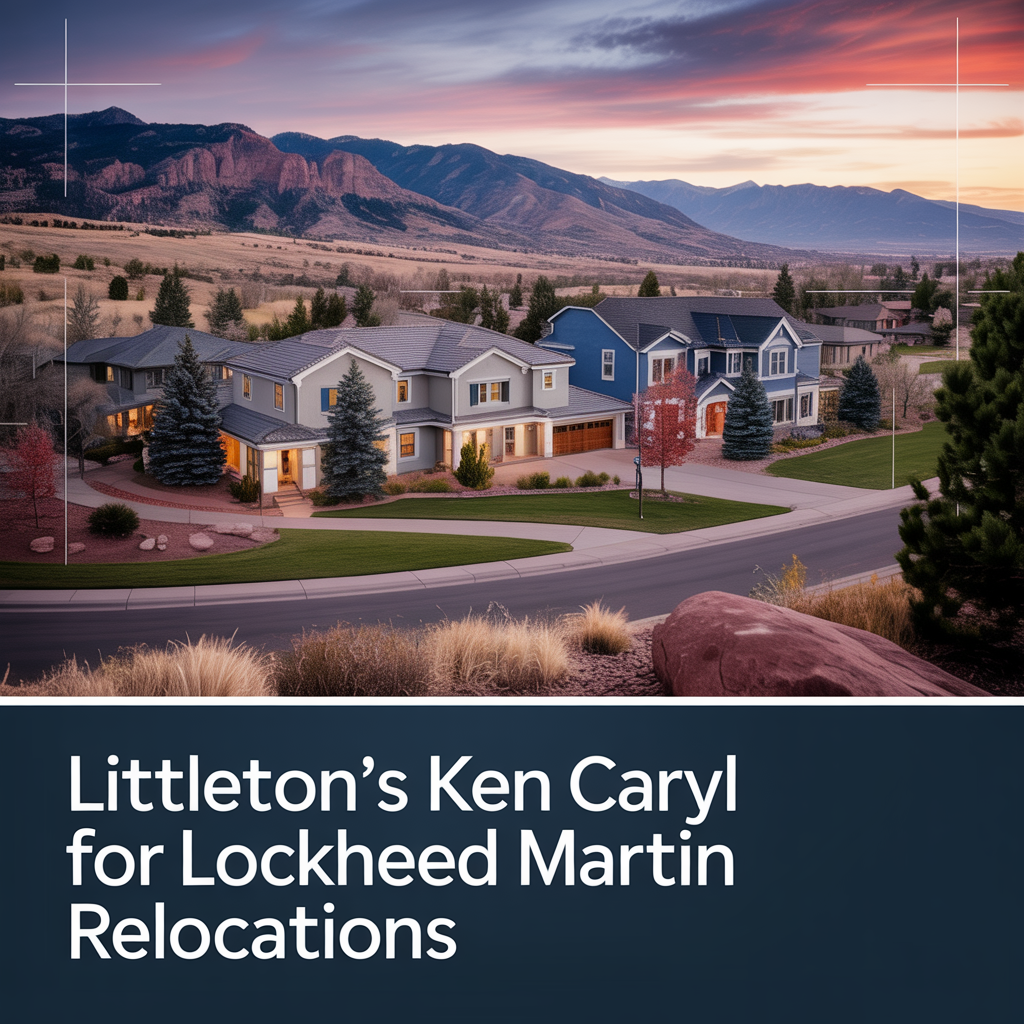
Littleton’s Ken Caryl for Lockheed Relocations
This is part of Lockheed Martin Relocation → [Lockheed Martin Relocation Hub] & the larger Denver Relocation Hub → [Denver Relocation Hub] Written by: Chad Cabalka Ken Caryl is one of the best-kept “family first” relocation options for Lockheed Martin employees who want foothills scenery, strong neighborhood appeal, and a real suburban lifestyle that still feels connected…

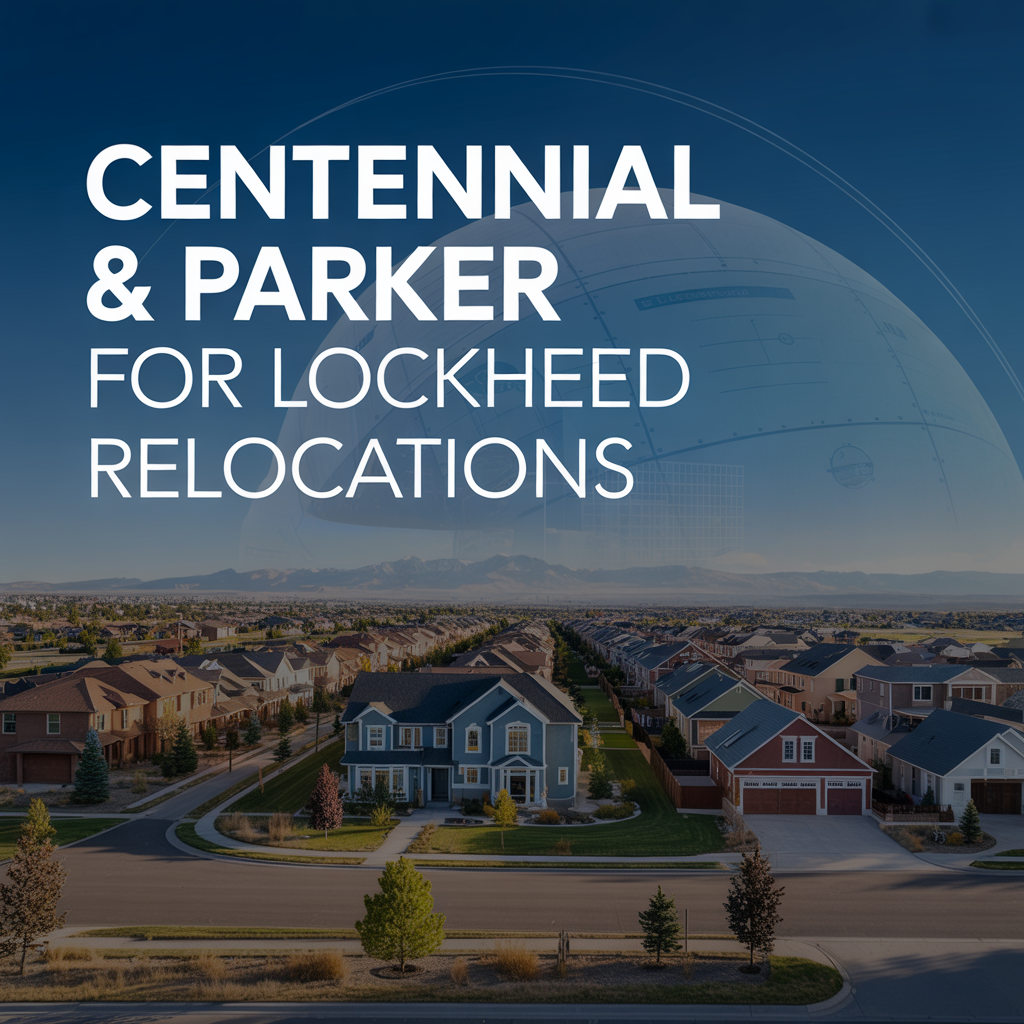
Centennial & Parker for Lockheed Relocations
This is part of Lockheed Martin Relocation → [Lockheed Martin Relocation Hub] & the larger Denver Relocation Hub → [Denver Relocation Hub] Written by: Chad Cabalka Centennial and Parker are two of the smartest suburban choices for Lockheed Martin employees relocating with families because they give you a strong balance of commute flexibility, good neighborhood variety, and…

Highlands Ranch for Family-Friendly Lockheed Relocations
This is part of Lockheed Martin Relocation → [Lockheed Martin Relocation Hub] & the larger Denver Relocation Hub → [Denver Relocation Hub] Written by: Chad Cabalka Highlands Ranch is one of the strongest choices for Lockheed Martin employees relocating with families because it delivers exactly what most parents want after a big move: stable neighborhoods, strong community…