



This is part of the Denver Lifestyle Hub→ [Lifestyle Hub]
This topic is an excellent one — “Practical DIA Access, Not Theoretical Distance” speaks directly to what matters day-to-day for homeowners, buyers, and relocators. Below is a full-length, SEO-optimized post written in the tone and style you described: confident, professional, and informed by deep local experience.
Practical DIA Access, Not Theoretical Distance
Understanding What Airport Access Really Means for Metro Denver Buyers
When people start comparing homes around Denver, conversation often turns to “how close” a neighborhood is to Denver International Airport (DIA). On paper, that distance can look deceptively simple — twenty miles here, thirty miles there. But for real buyers and homeowners who actually travel, what matters is not miles, but minutes — and not idealized weekends, but Tuesday mornings at rush hour.
In the Denver metro area, practical access to DIA shapes both quality of life and long-term property value. For professionals who travel frequently, families with visiting relatives, or anyone who prizes convenience, understanding true access — how the city’s transportation patterns, toll corridors, and rail connections actually work — can help you make far smarter real estate decisions.
Let’s look beyond the map and focus on what “airport access” really means in day-to-day Colorado life.
How the Denver Airport Really Fits into the Region
Denver International Airport sits roughly 25 miles northeast of downtown, a distance that has more to do with geography and weather patterns than convenience. That location helped DIA become one of the most efficient major airports in the country, but it also stretched Denver’s footprint eastward in ways that continue to influence how and where people live.
Neighborhoods that look relatively “close” to the airport on a map — such as Green Valley Ranch, Reunion, and High Point — do offer short commutes to DIA, but their lifestyles differ sharply from areas west of I-25 or near the foothills. Meanwhile, suburbs like Parker, Littleton, or Arvada may seem farther away, yet many residents make the trip with predictable ease thanks to direct highway or rail access.
The takeaway: measuring distance in miles doesn’t capture the experience of getting there. Traffic, toll lanes, light rail proximity, and even weather patterns can make the difference between a smooth 30-minute commute and a stressful hour-long drive.
Commute Time: The Real Currency of Access
For most Colorado homeowners, time is the most precious asset. The same logic applies to airport reachability. Whether you travel for work weekly or fly a few times a year, the ease of getting to DIA influences your mental bandwidth, not just your calendar.
Average weekday drive times from key areas give a general framework:
- Downtown Denver or LoDo: about 30–35 minutes via I‑70 or Peña Boulevard, depending on rush-hour flow.
- Stapleton/Central Park or Northfield: 20–25 minutes with consistent access to Peña.
- Parker and the Southeast Suburbs: 35–45 minutes when using E‑470 toll corridors.
- Arvada or Golden: 40–50 minutes, but those times can vary sharply based on I‑70 congestion.
- Aurora’s eastern communities (Murphy Creek, Traditions): 15–20 minutes — the fastest regular access in the metro area.
These figures highlight something fundamental: toll roads create predictable commutes. E‑470 and the Northwest Parkway serve as economic arteries that bypass bottlenecks and stabilize travel times, especially at predictable rates per mile. For frequent flyers, many eventually find that paying for reliability is well worth the cost.
Why Practical Access Adds Long-Term Value
Buyers often ask whether airport proximity adds real estate value. The short answer: it depends on how that access is achieved.
Homes directly under flight paths or immediately adjacent to commercial corridors may experience slower appreciation. But properties in master-planned communities with easy access to E‑470, Peña Boulevard, or I‑70 — such as parts of Aurora, Commerce City, and even Thornton — tend to maintain a stable appeal to professionals with travel-heavy jobs.
Over the next decade, as business travel continues to rebound and distributed work allows more people to live flexibly, communities offering a balance of distance and access — not just closeness — will see lasting strength in buyer demand. DIA itself continues to expand, and every improvement in its ground connections subtly reshapes the market.
Investors and relocating buyers accustomed to East Coast or Midwest airports are often surprised by just how critical reliable transportation is in Denver’s semi-sprawling geography. Without toll routes or efficient transit, a “short” 20-mile commute can quickly double in time.
Light Rail and Transit: Predictability Without the Drive
Denver’s A Line rail between Union Station and DIA remains one of the city’s most practical transit innovations in recent memory. It redefined what airport access means for part of the metro population.
For anyone living downtown, in RiNo, Central Park, or Aurora’s north corridor, rail access equals predictability. The train runs every 15–30 minutes, costs under $15 round-trip, and takes roughly 37 minutes end to end — weather or traffic notwithstanding.
The rail line’s significance isn’t limited to convenience. It extends into property perception and long-term livability. Neighborhoods within walking distance of A Line stations (Sky Ridge, Central Park, or near the 61st & Peña stop) continue to draw steady interest from buyers seeking car-light lifestyles. Even investors purchasing rental properties often use “A Line access” as a proxy for desirability — a reliable draw for tenants and visiting professionals.
How Buyers Should Think About Airport Access
For those relocating to Colorado or planning to purchase in the next few years, evaluating real-world DIA access involves more than GPS estimates. Consider these key factors before deciding a location’s convenience:
- Commuting Patterns, Not Just Highways
Study your likely travel times during peak departure hours — early morning or evening returns. Weekend traffic can be misleadingly light. - Toll Corridor Connectivity
Homes within 5–10 minutes of E‑470 typically enjoy the smoothest airport connections, even during construction cycles or weather disruptions. - Transit Reliability
Proximity to the A Line or major bus corridors can add major convenience, especially for single-car households or professionals who don’t want to depend on ride-share availability. - Trip Frequency and Lifestyle Fit
If you travel monthly or more, there’s value in consistent 30-minute access. If flying is occasional, you may prioritize neighborhood character or views instead. - Future Regional Growth
Watch the steady expansion along I‑70 and E‑470. Areas like Aurora Highlands and Painted Prairie show how infrastructure investment can convert proximity into tangible neighborhood growth.
The Daily Experience: How Access Shapes Lifestyle
Day-to-day, airport access intertwines with broader lifestyle decisions.
For remote professionals who travel quarterly, an extra 20 minutes to the airport may seem manageable, but when those minutes come at 4:30 a.m., the value of predictable travel becomes clear. Similarly, families who regularly host guests or multigenerational households with relatives flying in find that being “on the right side of town” reduces stress and adds convenience.
Conversely, for buyers drawn to Denver’s foothill suburbs — Golden, Morrison, or Evergreen — the payoff is lifestyle beauty, not convenience. Those areas command premium prices for views and open space, but residents accept that DIA access may mean careful planning or pre-dawn departures. The tradeoff is conscious, not problematic, when buyers understand what they’re signing up for.
The Denver market has matured to the point where no single location “wins” outright; instead, homeowners place different weights on convenience, scenery, and economic efficiency.
Common Misconceptions About DIA Access
As a local analyst, a few patterns consistently surprise incoming buyers:
- “Downtown is closest.” It isn’t. The highway path from LoDo to DIA often experiences backups that rival suburban commutes.
- “Aurora is too far out.” Not in practical terms. Many of Aurora’s eastern neighborhoods are among the closest to DIA in both time and convenience.
- “I’ll rarely use the airport.” Denver’s population skews active, with high mobility. Even non-frequent flyers often find themselves picking up guests monthly.
- “Toll routes are too expensive.” Frequent users often calculate tolls as a fraction of time saved — a tradeoff that becomes psychologically “worth it” after only a few trips.
Recognizing these dynamics helps buyers sidestep frustration later and focus on what truly aligns with their routines.
The Broader Market Implication
Accessibility to DIA is now part of Denver’s long-term value fabric. As the metro area grows east and south, the once “remote” zones between Tower Road, E‑470, and 56th Avenue have matured into viable communities with robust infrastructure. Developers have followed the demand for easy airport access with high-quality housing stock, walkable amenities, and mixed-use planning.
Over time, this expansion has diversified Denver’s housing choices. Professionals no longer have to sacrifice neighborhood character for airport proximity. Aurora Highlands, for instance, offers master-planned amenities equal to many suburban enclaves west of I‑25, but with unmatched access to the airport and major job centers.
For resale considerations, homes within 30–35-minute reach of DIA tend to hold steady appeal even during slower economic cycles. Relocating executives, healthcare professionals, and consultants often prioritize this efficient corridor — a subtle but consistent driver in demand resilience.
Balancing Lifestyle and Logistics
Every buyer weighs convenience differently, but in Denver, practical airport access remains one of those quality-of-life details that only locals truly appreciate. The city’s east-west geography, variable traffic patterns, and reliance on highway mobility all shape what “good location” means in context.
A home’s relationship to DIA — in real minutes, under real conditions — affects everything from daily routines to future resale strength. In the same way that proximity to a light rail station or major employer can influence neighborhood stability, predictable airport access offers lasting functional value.
Final Thought: Defining Convenience for Your Colorado Life
In Colorado real estate, “distance” rarely conveys the full story. What matters is how that distance fits your routine — your morning pace, your family rhythm, your tolerance for traffic lights at dawn.
Choosing a location with practical, dependable DIA access is as much about energy management as travel time. It means more predictable mornings, less commuting stress, and greater confidence in how you live day to day.
Denver continues to expand and evolve, but this principle remains steady: ease of movement defines long-term livability. Whether you’re considering a move across town or planning a full relocation to the metro area, thinking beyond maps will lead you to smarter, more sustainable decisions — both personally and financially.
If you’re exploring Denver and want tailored insights into neighborhoods that balance lifestyle with true airport accessibility, reach out to me directly. Having spent a lifetime studying — and living — every corner of this region, I can help you pinpoint where convenience, comfort, and long-term value meet for your next move.
Get the full Denver Market Insights → [Market Insights]


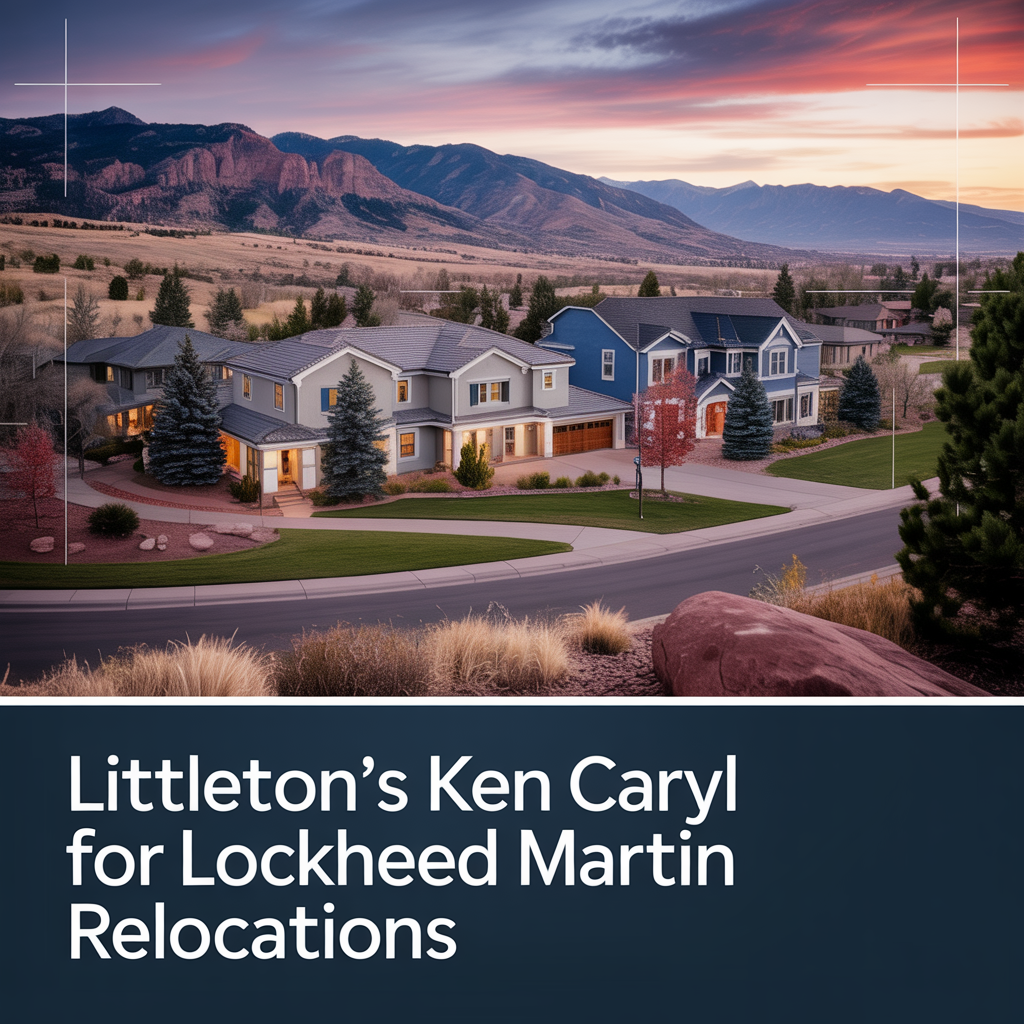
Littleton’s Ken Caryl for Lockheed Relocations
This is part of Lockheed Martin Relocation → [Lockheed Martin Relocation Hub] & the larger Denver Relocation Hub → [Denver Relocation Hub] Written by: Chad Cabalka Ken Caryl is one of the best-kept “family first” relocation options for Lockheed Martin employees who want foothills scenery, strong neighborhood appeal, and a real suburban lifestyle that still feels connected…


Centennial & Parker for Lockheed Relocations
This is part of Lockheed Martin Relocation → [Lockheed Martin Relocation Hub] & the larger Denver Relocation Hub → [Denver Relocation Hub] Written by: Chad Cabalka Centennial and Parker are two of the smartest suburban choices for Lockheed Martin employees relocating with families because they give you a strong balance of commute flexibility, good neighborhood variety, and…

Highlands Ranch for Family-Friendly Lockheed Relocations
This is part of Lockheed Martin Relocation → [Lockheed Martin Relocation Hub] & the larger Denver Relocation Hub → [Denver Relocation Hub] Written by: Chad Cabalka Highlands Ranch is one of the strongest choices for Lockheed Martin employees relocating with families because it delivers exactly what most parents want after a big move: stable neighborhoods, strong community…