



This is part of the Denver Lifestyle Hub→ [Lifestyle Hub]
Denver Public Schools (DPS) operates some of Colorado’s most sought-after elementary schools, drawing families to specific neighborhoods where quality education aligns with long-term home values. These top-ranked schools shape buyer decisions more than any other factor in the metro area, as parents prioritize proximity to reduce commutes and daily logistics. Understanding their locations, performance drivers, and surrounding housing stock reveals why certain blocks command premiums that hold steady through market cycles.
Why School Rankings Drive Denver Home Choices
School quality directly influences resale value and buyer pools in Denver. Families with school-age children—often 30-40% of active buyers—gravitate to DPS elementaries scoring high on state metrics like CMAS tests and growth scores, knowing these neighborhoods offer stability amid weather-driven disruptions or economic shifts. A top DPS elementary within walking distance can add 10-15% to home prices over comparable properties a mile away, a premium that persists because Denver’s buyer behavior favors established communities over speculative builds.
This matters for sellers too: Listing a home near a ranked school shortens time on market by attracting multiple offers from relocating professionals who value predictable ownership costs like property taxes tied to strong district funding. Commute patterns amplify this—parents avoid I-25 backups by choosing east-side or central schools close to work hubs like DTC or downtown.
Key Metrics for Evaluating DPS Elementary Rankings
Colorado’s school rankings rely on state data from the Department of Education, emphasizing academic growth over raw test scores to reward improvement in diverse populations. DPS schools excel here due to targeted interventions, smaller class sizes funded by voter-approved bonds, and community partnerships that boost attendance despite high-altitude winters affecting routines.
- Swanson Elementary consistently tops lists with growth percentiles above 80, driven by STEM integration that prepares kids for Denver’s tech economy.
- Polaris Elementary stands out for English learners, achieving top-quartile results through dual-language tracks that reflect the metro’s growing Hispanic population.
- Steck Elementary earns high marks for equity, closing achievement gaps via after-school programs tied to nearby parks for active family lifestyles.
These metrics matter because they predict future funding and enrollment stability, key for buyers assessing 10-20 year holds. Unlike national chains, DPS elementaries embed local realities like snow-day policies that keep families home without derailing learning.
Academic Performance Breakdown
Top DPS schools outperform state averages by focusing on growth, not just proficiency. For instance, schools like DSST: Green Valley Ranch—though K-12—set elementary benchmarks with 70%+ proficiency in math, explained by rigorous curricula that align with parental expectations for college prep starting young. This translates to real estate: Homes in these zones see less price volatility during high interest rates, as buyers accept higher payments for educational ROI.
Top Ranked DPS Elementary Schools and Their Neighborhoods
Denver’s housing stock clusters around these schools, from bungalows in established areas to new townhomes balancing cost and convenience. Buyers favor single-family homes with yards for play, while sellers leverage school cachet to price aggressively.
Washington Park and Nearby Standouts
Washington Park Elementary anchors one of Denver’s most family-centric zones, with test scores in the state’s top 10% and a walkable layout to the namesake park’s paths—ideal for daily dog walks or bike rides after school. Homes here are mostly 1920s brick two-stories, averaging $1.2-1.8 million, where ownership costs run 25% above metro averages due to taxes but offset by appreciation from dual-income families. Daily life feels connected: Morning drop-offs lead to coffee at Spinelli’s, evenings to farmers’ markets buzzing with neighbors.
Proximity reduces the 20-30 minute commutes plaguing suburbs, letting parents hit RiNo breweries or City Park picnics without rush-hour stress. Sellers note quicker closings, as out-of-state relocators from tech firms prioritize this over larger footprints farther out.
Hilltop and East Denver Excellence
Hilltop Elementary leads DPS rankings with exceptional growth in reading, serving a neighborhood of mid-century moderns and ranch styles priced $900K-$1.5M. Families here embrace Denver’s sunny 300-day weather for outdoor play, with school grounds doubling as community hubs for summer reading events. This setup fosters buyer loyalty—turnover stays low, preserving values when markets cool.
Real estate implications shine in ownership costs: Expect $4K-$6K annual taxes, but strong reserves mean reliable snow removal and playground maintenance, avoiding the deferred upkeep common in older suburbs.
Cherry Creek Area and Polaris Impact
Polaris Elementary at the edge of Cherry Creek draws buyers to updated 1970s splits and new builds around $800K-$1.3M, where dual-language programs match the area’s diverse professionals. Commutes to Centennial Airport jobs take 15 minutes, freeing weekends for Golden’s trails or local art walks. The school’s innovation lab—think robotics for third-graders—appeals to parents eyeing long-term value in Denver’s evolving job market.
Neighborhoods like this offer a lighter daily rhythm: School pickups blend into Highline Canal runs, neighborhood block parties spark friendships, and easy access to DTC shopping keeps errands simple.
North Denver and Swanson’s Appeal
Swanson Elementary in Berkeley tops charts for overall performance, surrounded by bungalows and duplexes at $700K-$1.1M that suit growing families. Tennyson Street’s galleries and The Oriental Theater add cultural pops to school runs, creating a vibrant yet grounded routine. Weather plays in—kids sled nearby gulches post-snow, building resilience that mirrors Denver’s active ethos.
Buyers here calculate total costs carefully: Lower taxes than Wash Park, but factor in RTD passes for downtown hops. Sellers benefit from steady demand, as relocators from California seek this authentic Denver feel over cookie-cutter sprawl.
Housing Stock and Ownership Costs Near Top Schools
Denver’s inventory near elite DPS elementaries favors durable stock: Craftsman homes with basements for storage during long winters, updated kitchens for family meals after soccer. Prices reflect scarcity—top-school zones hold 5-7% yearly gains, outpacing south suburbs when inventory tightens.
Ownership realities include:
- Taxes and Fees: Bond-funded schools mean $10-15 per $1K assessed value, but yield modern facilities reducing repair burdens.
- Commute Efficiency: Walking distance saves $500+/year in gas, critical with Colorado’s spread-out services.
- Resale Edge: High-ranking schools expand buyer pools, minimizing days on market even in buyer-favored cycles.
Suburbs like Westminster or Littleton offer alternatives, but lack DPS’s urban access—think 45-minute drives to Red Rocks shows versus 20 from central zones.
Daily Life and Community Ties Around These Schools
Living near top DPS elementaries weaves education into Denver’s rhythm. Mornings start with playground chatter, afternoons with trail walks where kids spot elk on foothills drives. Neighborhoods host low-key events—Cherry Creek’s art fests, Hilltop’s ice cream socials—that build networks easing ownership transitions.
This fabric explains buyer psychology: Families buy for now (playgrounds, safety) and later (equity growth), creating stable markets. Weather influences too—mild falls extend outdoor school fairs, while spring thaws kick off canal bike commutes.
Long-Term Value in School-Driven Neighborhoods
Top DPS elementaries signal neighborhoods built for endurance, where home values track family retention rates above 70%. Buyers weighing relocations see these as hedges against remote-work shifts, as strong schools anchor demand regardless of office returns.
Sellers position listings around this: Highlight walk scores, nearby greenbelts, and test trends to justify prices. The metro’s growth—from tech influx to hybrid workers—amplifies this, keeping premiums intact.
Reach out to me today for personalized insights on homes near these top DPS schools, including market data and private tours tailored to your family’s needs.
Get the full Denver Market Insights → [Market Insights]


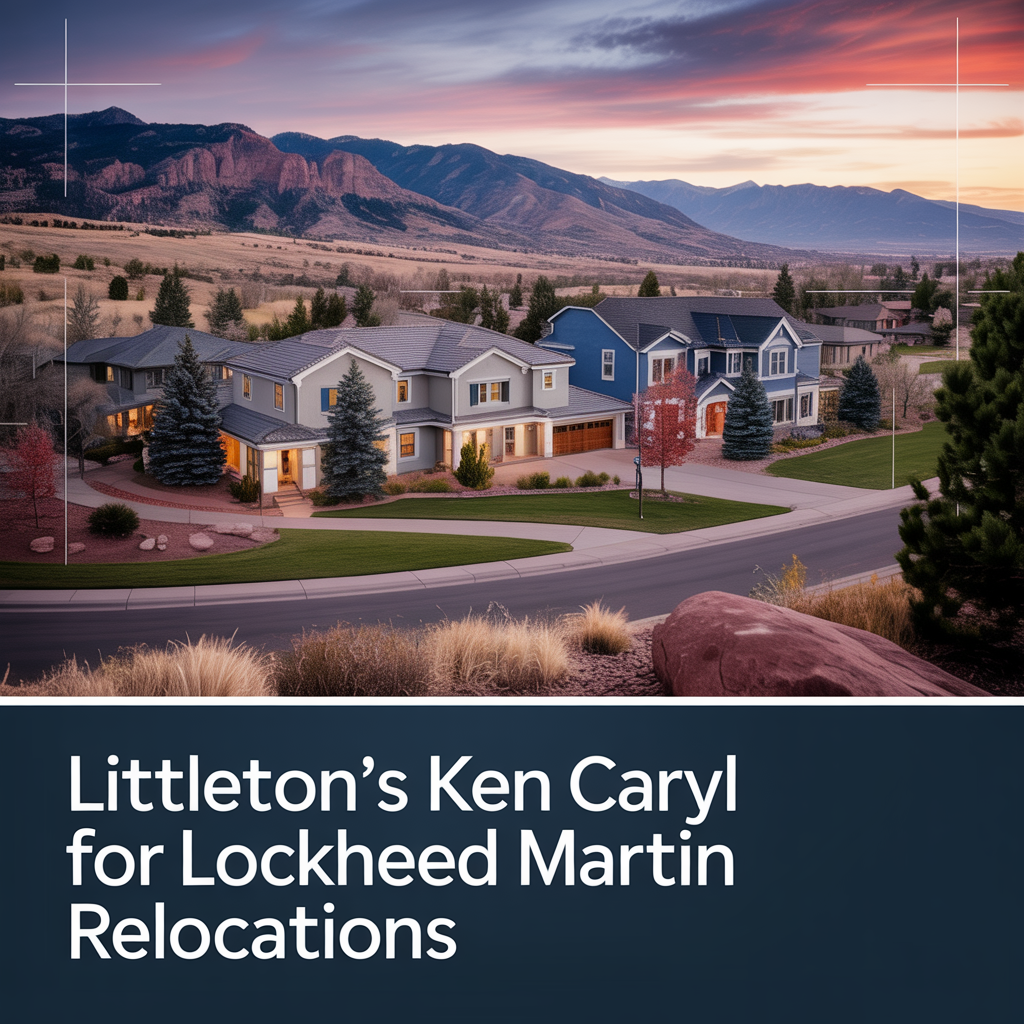
Littleton’s Ken Caryl for Lockheed Relocations
This is part of Lockheed Martin Relocation → [Lockheed Martin Relocation Hub] & the larger Denver Relocation Hub → [Denver Relocation Hub] Written by: Chad Cabalka Ken Caryl is one of the best-kept “family first” relocation options for Lockheed Martin employees who want foothills scenery, strong neighborhood appeal, and a real suburban lifestyle that still feels connected…


Centennial & Parker for Lockheed Relocations
This is part of Lockheed Martin Relocation → [Lockheed Martin Relocation Hub] & the larger Denver Relocation Hub → [Denver Relocation Hub] Written by: Chad Cabalka Centennial and Parker are two of the smartest suburban choices for Lockheed Martin employees relocating with families because they give you a strong balance of commute flexibility, good neighborhood variety, and…

Highlands Ranch for Family-Friendly Lockheed Relocations
This is part of Lockheed Martin Relocation → [Lockheed Martin Relocation Hub] & the larger Denver Relocation Hub → [Denver Relocation Hub] Written by: Chad Cabalka Highlands Ranch is one of the strongest choices for Lockheed Martin employees relocating with families because it delivers exactly what most parents want after a big move: stable neighborhoods, strong community…