


This is part of the National Politics and Housing Hub→ [National Politics and Housing]
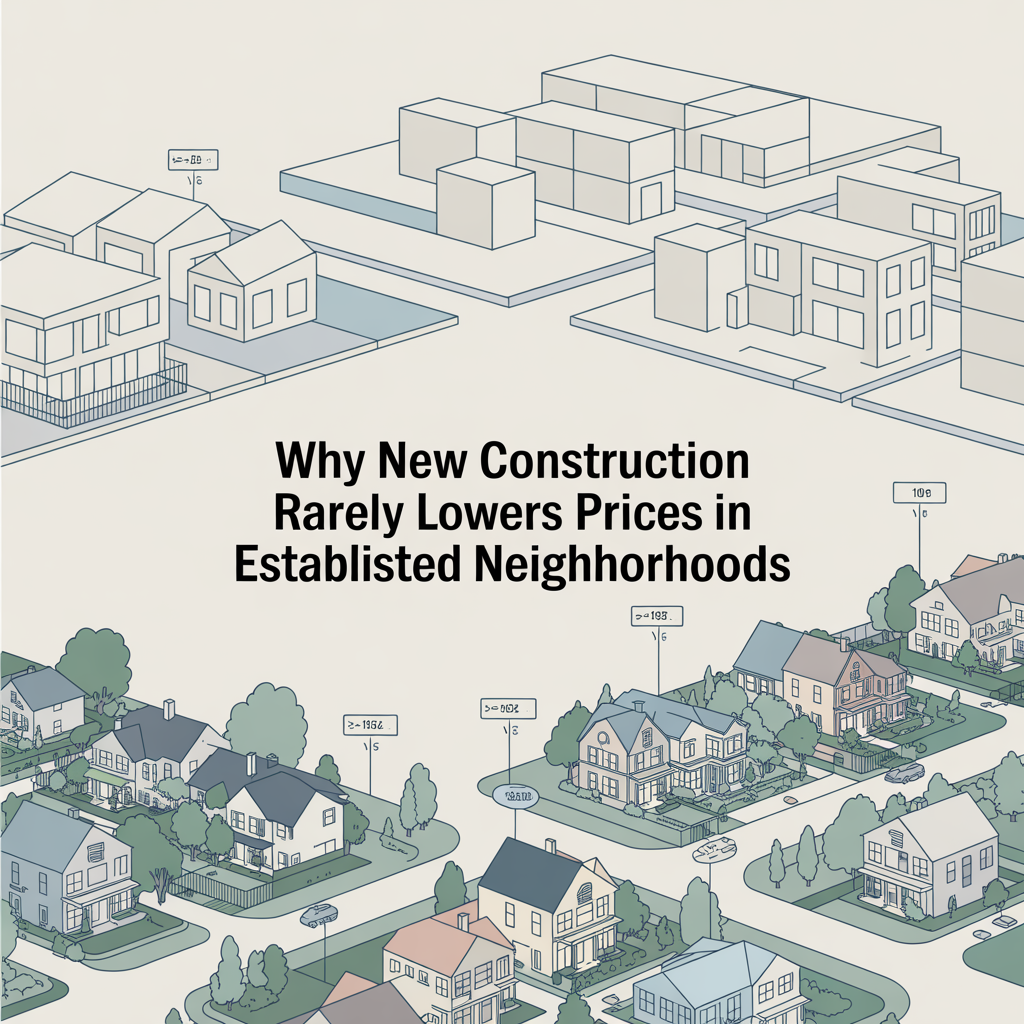
New construction rarely lowers prices in established neighborhoods because it often targets higher-end segments, creates halo effects that boost perceived desirability, and fails to flood local markets with directly competing starter inventory. Builders respond to profit incentives by building where land and entitlements support premium pricing, leaving existing single-family stock in suburbs like Highlands Ranch or Littleton untouched by downward pressure. In Colorado’s Front Range—where zoning preserves low-density character amid I-25 commutes and school district boundaries—new peripheral developments signal growth without saturating established comps.
Product Mismatch Limits Competition
Builders prioritize townhomes, luxury specs, or active-adult communities over replicating 1970s ranches or 1,800 sq ft starters dominant in Parker or Aurora. A $750,000 new-build cluster in Douglas County doesn’t compete with $550,000 existing inventory two miles away; it attracts upgraders from California, filtering demand upward. Appraisers anchor to recent sales, so established homes maintain value floors tied to their cohort, not distant new-product benchmarks.
This segmentation sustains prices: new supply absorbs 20-30% higher earners, freeing mid-tier stock for locals without oversupply. Colorado data shows established zip codes like 80129 holding +4% YOY gains despite +10% regional starts, as builds cluster in greenfield edges like Johnstown.
Halo Effect Elevates Established Values
Quality new developments—modern finishes, energy efficiency, community amenities—enhance neighborhood appeal, nudging buyers to pay premiums for nearby older homes. The cognitive “halo” lifts comps within 500-1,000 feet: a fresh subdivision signals investment, drawing families willing to renovate Westminster colonials rather than bid down. Noise and dust during phasing annoy temporarily, but post-completion, traffic studies confirm desirability.
Front Range examples abound: Broomfield’s master-planned additions propel adjacent resales +5-7%, offsetting any short-term saturation. Buyers perceive stability—proximity to trails, updated infrastructure—over construction disruption.
Localized Supply Constraints Persist
Established areas face zoning rigidity: R-1 districts cap infill at ADUs or teardowns, preventing scale that could pressure prices. Even state middle-housing mandates (SB23-213) yield duplexes on 10% of lots, absorbed instantly amid 2.5-month inventory. Peripheral greenfields—Weld County tracts—don’t spillover due to commute barriers (E-470 tolls, I-70 snow risks), isolating established metros.
| Factor | New Construction Role | Price Impact on Established Homes |
|---|---|---|
| Location | Greenfield edges | No direct comps, sustains scarcity |
| Product Type | $700k+ specs/townhomes | Upward filtering, halo lift |
| Zoning | Limits infill density | Prevents oversupply locally |
| Buyer Behavior | Attracts newcomers | Bids up nearby via desirability |
Absorption Dynamics Outpace Output
Colorado starts +12% YOY but concentrate in unattainable tiers, clearing via pre-sales before rippling to resales. Established sellers adjust via updates—quartz counters, solar—to match halo expectations, holding per-sq-ft steady. Low distress (0.1% foreclosures) reinforces floors during mud season lulls.
Exceptions prove rarity: rare low-end multifamily bursts soften rents regionally but not ownership comps, as seen in Adams County pilots.
Strategic Implications for Participants
Buyers in established areas gain negotiation leverage pre-phasing (dust concessions) but face post-build appreciation. Sellers modernize to capture halo, pricing 5% above comps post-C of O. Investors target teardown edges where new adjacency premiums compound.
New supply signals momentum—elevating, not eroding, established equity. Front Range neighborhoods convert peripheral growth into localized stability, rewarding incumbents over volume chases.
For comp analysis on new-build adjacency in your Littleton or Centennial target—reach out to quantify halo lifts against phasing timelines.
Get the full Denver Market Insights → [Market Insights]


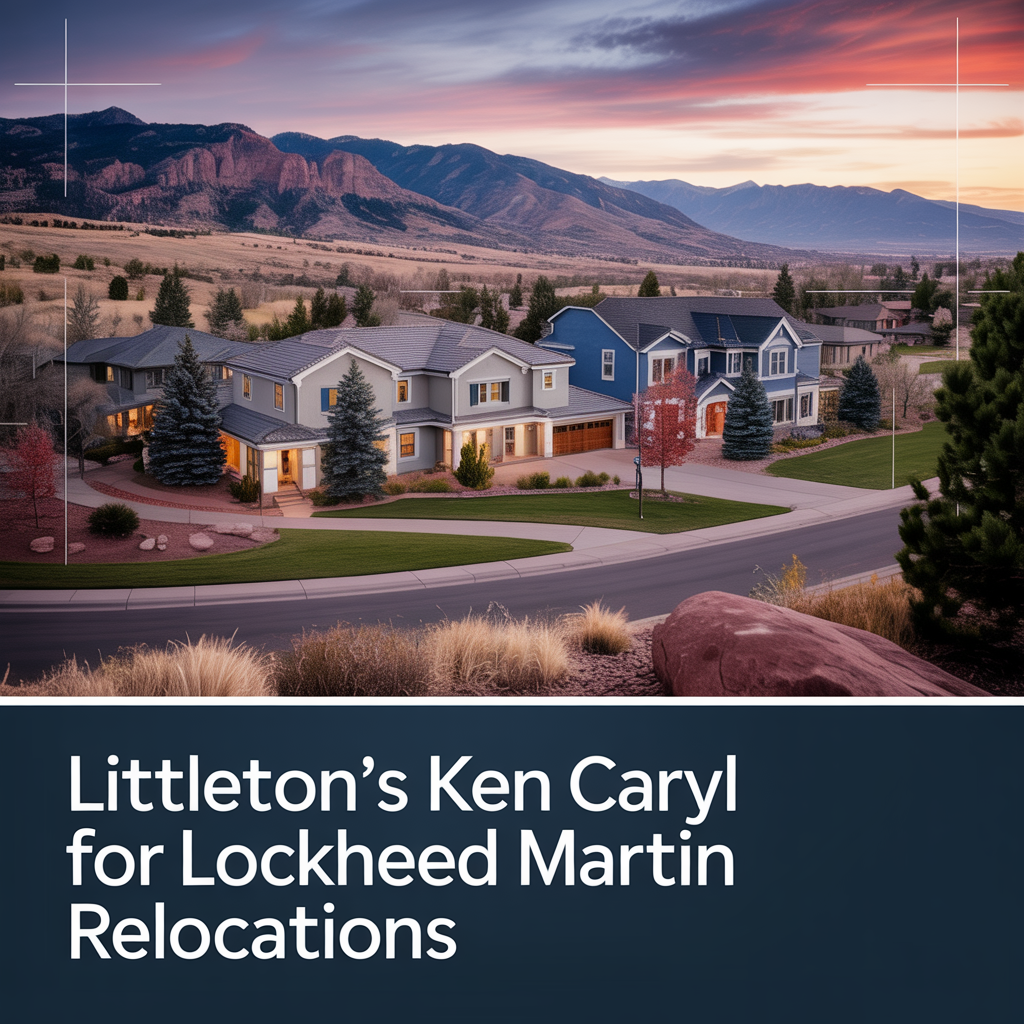
Littleton’s Ken Caryl for Lockheed Relocations
This is part of Lockheed Martin Relocation → [Lockheed Martin Relocation Hub] & the larger Denver Relocation Hub → [Denver Relocation Hub] Written by: Chad Cabalka Ken Caryl is one of the best-kept “family first” relocation options for Lockheed Martin employees who want foothills scenery, strong neighborhood appeal, and a real suburban lifestyle that still feels connected…

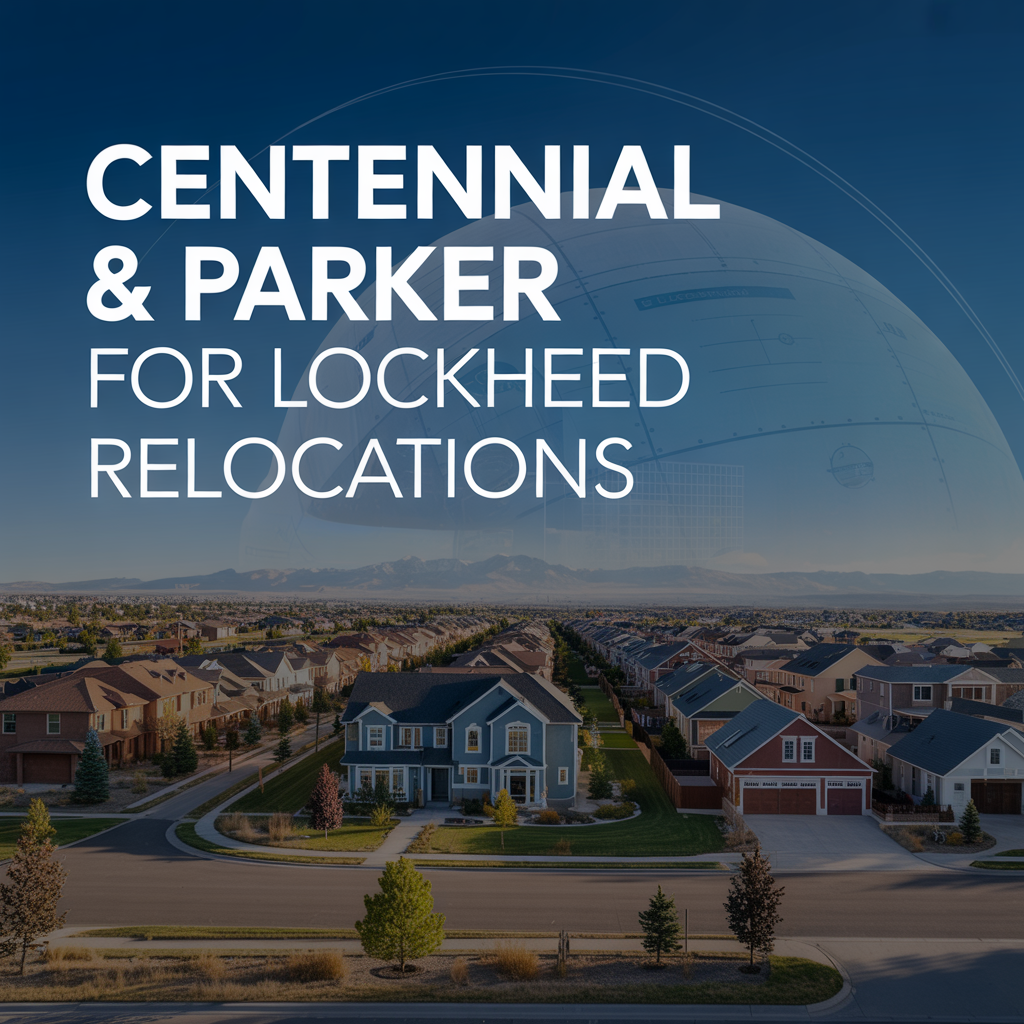
Centennial & Parker for Lockheed Relocations
This is part of Lockheed Martin Relocation → [Lockheed Martin Relocation Hub] & the larger Denver Relocation Hub → [Denver Relocation Hub] Written by: Chad Cabalka Centennial and Parker are two of the smartest suburban choices for Lockheed Martin employees relocating with families because they give you a strong balance of commute flexibility, good neighborhood variety, and…

Highlands Ranch for Family-Friendly Lockheed Relocations
This is part of Lockheed Martin Relocation → [Lockheed Martin Relocation Hub] & the larger Denver Relocation Hub → [Denver Relocation Hub] Written by: Chad Cabalka Highlands Ranch is one of the strongest choices for Lockheed Martin employees relocating with families because it delivers exactly what most parents want after a big move: stable neighborhoods, strong community…