



This is part of the Denver Home Financing Guide→ [Denver Home Financing Guide]
The FICO score sets the entry bar, with minimums varying by program but rarely dipping below 580 nationwide, including Colorado.
- FHA loans: 580 unlocks the 3.5% down payment; 500–579 requires 10% down. These flexibilities make FHA popular for first-time buyers in pricier suburbs like Centennial or Highlands Ranch.
- Conventional loans: 620 minimum across most lenders, though stronger scores (680–740+) secure better rates and terms without overlays.
- VA/USDA: No strict minimums, but lenders typically demand 620–640+ for smooth processing.
- State programs (CHFA): Often 620 mid-score, with exceptions for no-credit profiles.
Higher scores do more than approve—they lower rates by 0.5–1% or more, which compounds over a 30-year Colorado mortgage at median prices around $600,000+.
Payment History: The Non-Negotiable Core
Lenders weigh recent payment patterns heaviest—35% of your FICO score—because they signal current behavior over past mistakes. Late payments within the last 12 months tank approvals; 24+ months old may be overlooked with explanations.
- No mortgage lates in 12 months is standard; collections or judgments must be paid or satisfied.
- In Colorado, where buyers often juggle student loans and car debt, even one 30-day late on revolving credit can push debt-to-income ratios outside limits.
Clean history proves you manage housing-level obligations, which matters when underwriting projects forward payments at 6%+ rates.
Debt Levels and Utilization
Amounts owed (30% of FICO) and debt-to-income (DTI) ratio filter out overextended buyers, critical in high-cost areas like the Denver metro.
- Credit utilization under 30%—ideally 10%—shows control; maxed cards signal risk even with high scores.
- Front-end DTI (housing costs) under 28–31%; back-end (all debt) under 36–43%, flexible to 49% with reserves.
- Colorado-specific: Elevated household debt makes DTI the silent killer; student loans or HELOCs on prior homes often exceed limits first.
Pay down revolving debt pre-application; it boosts score quickly while proving capacity.
Length and Mix of Credit History
New credit (10%) and credit age (15%) reward established profiles over thin files.
- Average account age over 7–10 years helps; too many new accounts (hard inquiries) within 12 months hurts.
- Diverse mix—mortgage, auto, installment, revolving—demonstrates versatility without over-reliance on cards.
First-time buyers with short histories lean on FHA or manual underwriting, but building 2+ years pre-purchase strengthens conventional odds.
Red Flags That Override Scores
Even 750+ scores fail if these persist:
- Unresolved collections, liens, or bankruptcies (2 years post-discharge minimum for FHA).
- High DTI from non-deletable debt like federal student loans.
- Recent job changes or gig income unverifiable for 2 years.
Lenders pull all three bureaus; the middle score governs. Colorado overlays (e.g., CHFA) may scrutinize further for local programs.
Actionable Steps for Colorado Buyers
Pull your full tri-merge report 3–6 months out. Dispute errors, reduce utilization below 10%, and avoid new credit. Aim 40+ points above minimums for rate advantage—620 becomes 660+ via targeted fixes in 90 days.
In practice, these factors interlock: strong payment history and low DTI make 640 workable; thin history needs compensating reserves. Sellers favor buyers clearing these hurdles cleanly, minimizing fallout risk.
Reach out to me for a no-obligation review of your credit profile against current Colorado lending standards.
Get the full Denver Market Insights → [Market Insights]


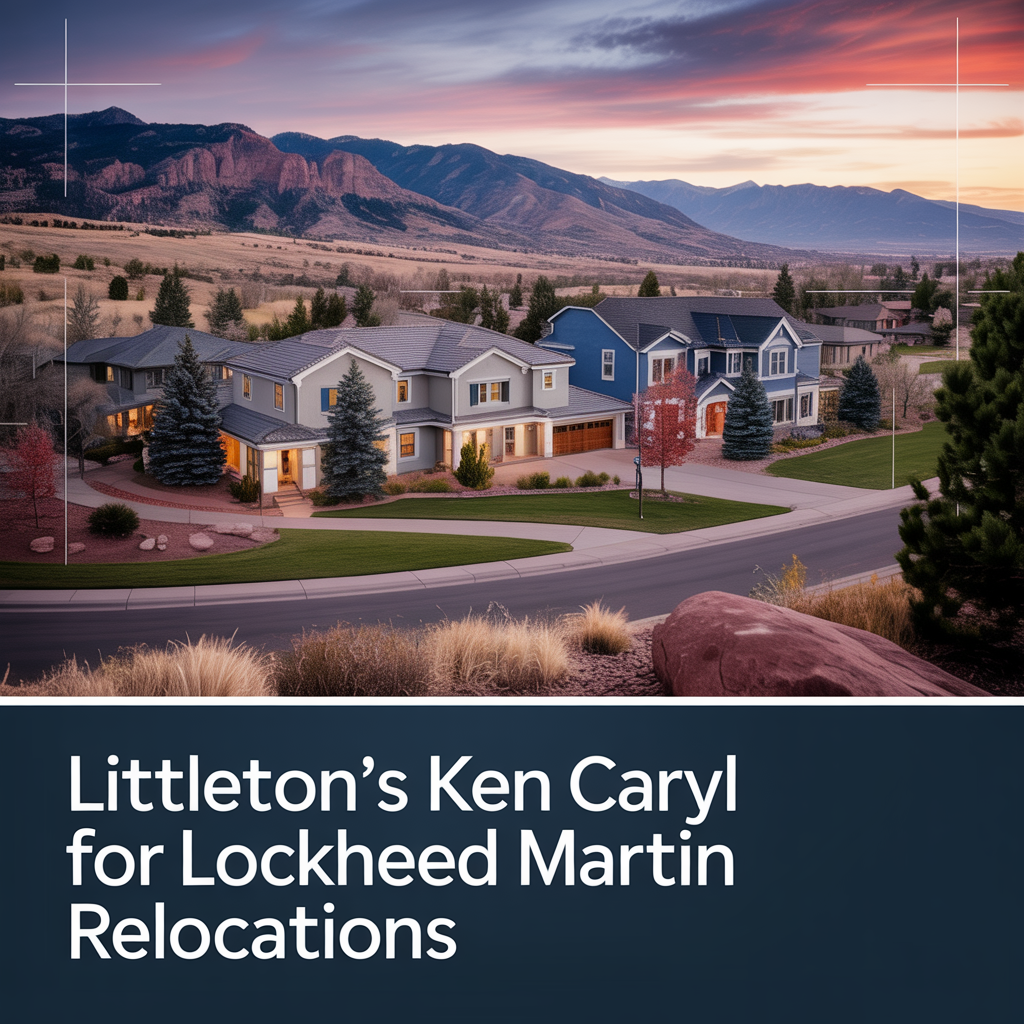
Littleton’s Ken Caryl for Lockheed Relocations
This is part of Lockheed Martin Relocation → [Lockheed Martin Relocation Hub] & the larger Denver Relocation Hub → [Denver Relocation Hub] Written by: Chad Cabalka Ken Caryl is one of the best-kept “family first” relocation options for Lockheed Martin employees who want foothills scenery, strong neighborhood appeal, and a real suburban lifestyle that still feels connected…


Centennial & Parker for Lockheed Relocations
This is part of Lockheed Martin Relocation → [Lockheed Martin Relocation Hub] & the larger Denver Relocation Hub → [Denver Relocation Hub] Written by: Chad Cabalka Centennial and Parker are two of the smartest suburban choices for Lockheed Martin employees relocating with families because they give you a strong balance of commute flexibility, good neighborhood variety, and…

Highlands Ranch for Family-Friendly Lockheed Relocations
This is part of Lockheed Martin Relocation → [Lockheed Martin Relocation Hub] & the larger Denver Relocation Hub → [Denver Relocation Hub] Written by: Chad Cabalka Highlands Ranch is one of the strongest choices for Lockheed Martin employees relocating with families because it delivers exactly what most parents want after a big move: stable neighborhoods, strong community…