


This is part of the Denver Home Financing Guide→ [Denver Home Financing Guide]
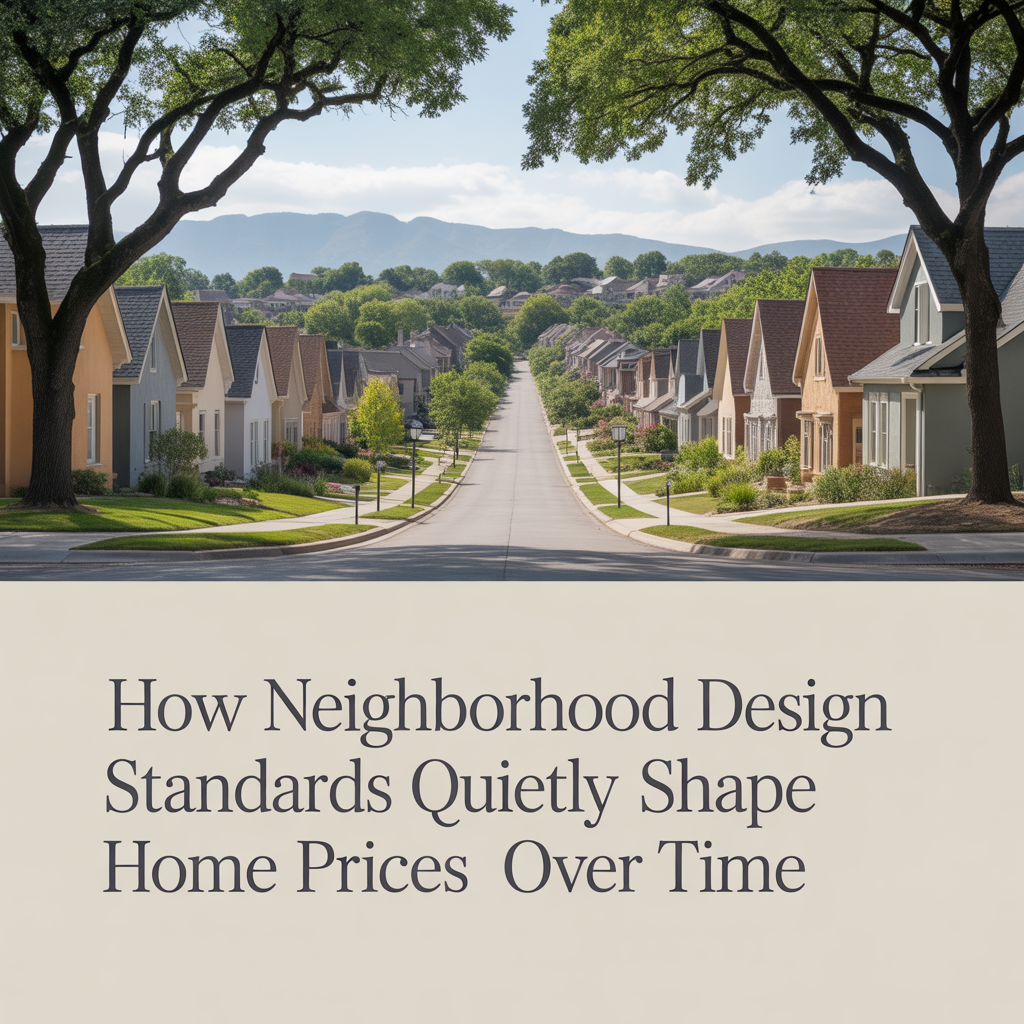
Denver’s neighborhoods vary widely in design, from the compact historic blocks of Capitol Hill to the spacious, curvilinear streets of newer suburbs like Highlands Ranch. These differences in lot layout, street patterns, setbacks, and building placement quietly influence home values over decades, often more than zoning changes or economic cycles alone. Buyers and sellers who understand these dynamics can better assess long-term holding costs and appreciation potential.
How Design Standards Embed Value in Neighborhoods
Neighborhood design standards shape the physical form of a community—street widths, block sizes, front porch orientations, and even tree placement—long before homes are listed for sale. In Denver’s metro area, these standards arise from small area plans, zoning overlays, historic district guidelines, and urban design rules that local governments adopt to guide growth. They preserve or create a neighborhood’s character, which in turn affects desirability, maintenance costs, and market perception.
Over time, consistent design reinforces property values by ensuring uniformity that appeals to buyers seeking predictability. A street where homes align closely to the sidewalk with minimal setbacks fosters walkability and a sense of enclosure, drawing families who prioritize community interaction. Conversely, wider setbacks and larger lots in areas like Cherry Hills Village signal exclusivity and privacy, supporting premium pricing even as broader market forces shift.
Street Patterns and Walkability Drive Demand
Grid vs. Curvilinear Layouts
Denver’s older neighborhoods, such as Baker or Sunnyside, follow grid patterns with short blocks and direct routes, making them inherently walkable to parks, schools, and shops. This design reduces perceived commute distances and encourages foot traffic, which sustains local businesses and boosts resident satisfaction. Homes here command steady premiums—often 10-20% above similar-sized properties in less connected areas—because buyers value the efficiency and social fabric these layouts provide.
In contrast, post-1970s suburbs like Parker or Centennial feature looping streets and cul-de-sacs designed for low traffic speeds and child safety. While effective for families with young children, these patterns increase driving distances within the neighborhood, subtly raising transportation costs and time. Over 20-30 years, this can cap appreciation relative to gridded areas, as remote work trends amplify the appeal of proximity to urban cores.
Block Size and Accessibility
Smaller blocks under 300 feet, common in pre-WWII Denver enclaves, create more intersections and shorter walks to amenities. This design standard embeds higher values by minimizing isolation; data from comparable markets shows such neighborhoods retain 5-15% more equity during downturns due to resilient demand from urban professionals and empty-nesters. Larger blocks in modern developments, while offering bigger lots, can deter buyers without cars, slowing turnover and price growth.
Building Placement and Setback Rules
Setback requirements—the distance homes must sit from the street and property lines—fundamentally alter curb appeal and usable space. Denver’s traditional neighborhoods enforce shallow front setbacks of 10-20 feet, positioning homes forward to engage the street visually and acoustically. This placement enhances perceived density without crowding, fostering a vibrant streetscape that supports higher per-square-foot values.
Deeper setbacks, standard in suburbs like Littleton or Westminster, prioritize yards and garages, appealing to buyers needing storage or play space. However, they can make streets feel empty and less safe after dark, subtly depressing values over time as maintenance costs for expansive lawns rise with water restrictions and labor shortages. In Colorado’s semi-arid climate, where irrigation bills add hundreds annually, front-yard-focused designs prove more cost-effective and sustainable.
Side and rear setbacks further influence development potential. Tighter rules in historic districts like Lohi prevent teardowns from sprawling into multifamily conversions, preserving single-family character and shielding values from oversupply risks. Wider allowances in newer zones enable additions or ADUs, but only if aligned with prevailing setbacks—ensuring the neighborhood evolves cohesively rather than patchwork-style.
Architectural Compatibility Standards
Denver employs form-based elements in its zoning code, such as build-to lines and height caps, to mandate compatibility between new and existing homes. In areas governed by urban design standards—like Cherry Creek North or the Commons—guidelines require massing, materials, and rooflines to harmonize, preventing jarring infill that erodes buyer confidence.
This quiet regulation stabilizes prices by maintaining a neighborhood’s market niche. A cohesive street of bungalows or ranch homes attracts repeat buyers who prioritize timeless appeal over trendy flips, leading to appreciation rates 2-4% higher annually than in mismatched areas. Historic overlays amplify this effect, as seen in Washington Park, where preservation rules safeguard architectural integrity and justify premiums exceeding metro medians by 25-40%.
Density Controls and Ownership Costs
Design standards cap density through lot coverage limits, open space mandates, and parking placement rules. In single-family zones dominating Aurora and Englewood, maximum coverage of 40-50% ensures yards remain prominent, appealing to gardeners and pet owners. This sustains broad demand but limits supply, as fewer units fit per acre compared to multiplex-friendly designs near transit.
Near rail lines in Five Points or along Federal Boulevard, standards allow slightly higher densities with street-facing orientations, blending homes with ground-floor retail. These evolve into value-enhancing nodes, where proximity to RTD boosts desirability for car-light households. Over time, such designs lower per-household infrastructure costs—shared utilities and walkable services—translating to stable or falling ownership expenses amid rising energy and water rates.
Environmental and Hazard Design Factors
Colorado’s weather extremes—hail, wildfires, flooding—intersect with design standards to shape long-term costs. Steep roof pitches mandated in high-wind zones like the foothills reduce insurance premiums by shedding snow efficiently. Permeable surfaces and clustered grading in newer subdivisions mitigate flood risk, preserving values in areas prone to Platte River overflow.
In Denver’s urban core, green building ordinances embedded in design guidelines promote energy-efficient envelopes, cutting utility bills by 15-25% over legacy stock. Buyers in compliant neighborhoods like RiNo see these savings compound, supporting higher offers as climate volatility increases operational expenses elsewhere.
Market Evidence from Denver Submarkets
Examine Highlands Ranch versus Berkeley: the former’s uniform setbacks and monumental entry features create a resort-like cohesion, underpinning steady 4-6% annual gains despite longer commutes. Berkeley’s eclectic Victorian rowhouses, governed looser standards, offer charm but higher renovation hurdles, yielding similar appreciation through renter conversions.
In Arvada’s old town core, tight-knit design has doubled values since 2010, outpacing wider suburban grids by leveraging brewery districts and trail access. Arvada’s newer edges lag, as sprawling lots demand more upkeep in a drought-prone region.
Implications for Buyers and Sellers
Buyers: Prioritize Enduring Design Over Trends
Serious buyers should map design overlays via Denver’s Development Services portal, focusing on how standards align with lifestyle—walkability for urbanites, yards for families. Well-enforced rules signal low-risk appreciation, especially in Colorado’s growth-constrained metro.
Sellers: Highlight Design-Driven Strengths
Position your home within its standards: emphasize street engagement in front-porch neighborhoods or privacy buffers in setback-heavy ones. Staging that showcases compliance—like visible ADU potential—appeals to forward-thinking offers.
Relocators: Compare Design Across Regions
Inbound homeowners from gridless Sun Belt cities often undervalue Denver’s walkable pockets, overpaying for car-dependent expanses. Factor design into total costs, including resale durability amid policy shifts toward density.
Navigating Design in Denver’s Evolving Code
Denver’s zoning code Article 10 embeds general design standards to safeguard property values through build-to percentages and activation rules. Updates via small area plans refine these locally, balancing preservation with adaptability.
For those buying, selling, or relocating in the Denver metro—and seeking clarity on how neighborhood design standards affect your property’s trajectory—reach out to me. I can analyze specific submarkets, overlays, and long-term value drivers to inform your next move in Denver real estate.
Get the full Denver Market Insights → [Market Insights]


Littleton’s Ken Caryl for Lockheed Relocations
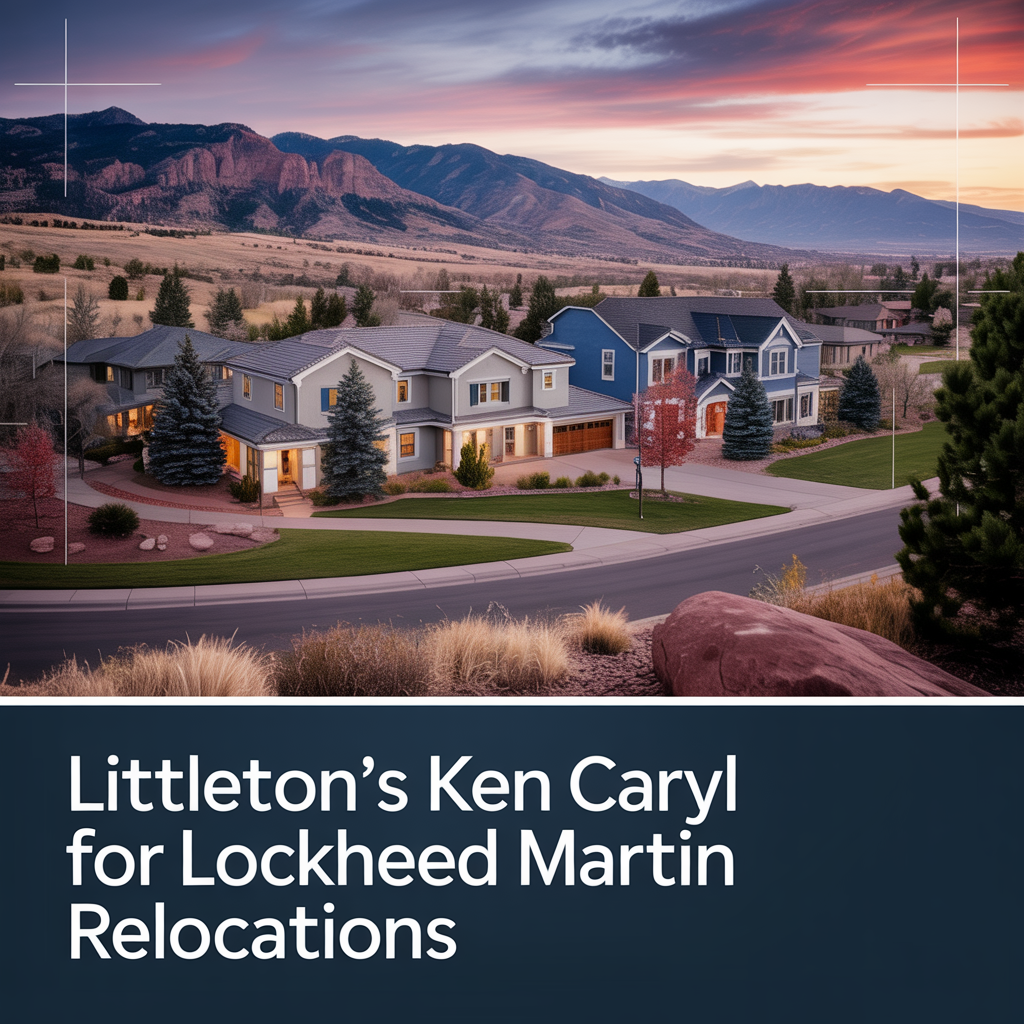
This is part of Lockheed Martin Relocation → [Lockheed Martin Relocation Hub] & the larger Denver Relocation Hub → [Denver Relocation Hub] Written by: Chad Cabalka Ken Caryl is one of the best-kept “family first” relocation options for Lockheed Martin employees who want foothills scenery, strong neighborhood appeal, and a real suburban lifestyle that still feels connected…


Centennial & Parker for Lockheed Relocations
This is part of Lockheed Martin Relocation → [Lockheed Martin Relocation Hub] & the larger Denver Relocation Hub → [Denver Relocation Hub] Written by: Chad Cabalka Centennial and Parker are two of the smartest suburban choices for Lockheed Martin employees relocating with families because they give you a strong balance of commute flexibility, good neighborhood variety, and…

Highlands Ranch for Family-Friendly Lockheed Relocations
This is part of Lockheed Martin Relocation → [Lockheed Martin Relocation Hub] & the larger Denver Relocation Hub → [Denver Relocation Hub] Written by: Chad Cabalka Highlands Ranch is one of the strongest choices for Lockheed Martin employees relocating with families because it delivers exactly what most parents want after a big move: stable neighborhoods, strong community…