



This is part of the Long Term Rentals in Denver→ [Long Term Rentals in Denver] a hub of Denver Investing Guide → [Denver Investing Guide]
Written by: Chad Cabalka
Rate sensitivity poses unique challenges for owners of seasonal income properties like Colorado mountain cabins or Front Range vacation homes, where income clusters heavily in peak months. Rising interest rates can erode thin cash flow buffers during off-seasons, turning marginal deals into outright losses without careful underwriting. For Denver-area investors eyeing Summit County condos or Breckenridge townhomes, understanding this dynamic separates sustainable holdings from high-risk bets.
How Seasonality Amplifies Rate Risk
Seasonal properties generate 50-70% of annual revenue in just 3-5 months—winter ski season along I-70 or summer festivals near Denver, for instance. Fixed costs like mortgages, taxes, and HOA fees persist year-round, creating natural cash flow gaps. When rates rise, monthly principal and interest payments jump, compressing the peak-season surplus needed to cover lean periods.
A 1% rate increase on a $600,000 loan at 65% LTV might add $400-500 monthly, equivalent to 10-15% of off-peak operating expenses. In Vail or Keystone, where occupancy drops below 40% in shoulder months, that increment demands higher winter ADRs or longer booking streaks to offset—pressures that strain against competition from nearby properties.
The DSCR Breaking Point in Practice
Debt service coverage ratio (DSCR) loans, common for these assets, explicitly tie viability to income coverage. A property clearing 1.25x at 6% might slip to 1.05x at 7%, flirting with covenant breaches or refinance mandates. Colorado’s resort markets heighten this: wildfire insurance spikes and special assessments in HOAs further inflate PITIA (principal, interest, taxes, insurance, association fees), shrinking the numerator while rates lift the denominator.
Investors often model peak-only income, overlooking how a 10-20% ADR drop in soft snow years compounds with rate hikes. The result: properties that pencil at closing but require owner capital infusions by spring.
Stress-Testing for Colorado Realities
Effective analysis runs scenarios across occupancy, ADR, and rates simultaneously—not in isolation. For a Frisco duplex:
| Scenario | Interest Rate | Peak Occupancy | Avg. Monthly PITIA Coverage |
|---|---|---|---|
| Base Case | 6.0% | 75% | 1.30x |
| Rate Shock | 7.5% | 75% | 1.10x |
| Soft Season | 6.0% | 60% | 1.05x |
| Combined | 7.5% | 60% | 0.90x |
This table reveals the true vulnerability: combined downside turns positive carry into negative. Front Range hybrids (STR plus mid-term) fare better, blending steadier corporate leases with weekends, but pure seasonal plays demand 20-30% equity buffers.
Operational Levers to Mitigate Sensitivity
Owners can’t control Fed policy, but they can adapt. Dynamic pricing tools adjust ADRs weekly against comps, clawing back 5-10% revenue in variable months. Mid-term pivots (30+ days) to contractors or relocators fill spring/fall voids, stabilizing DSCR without full STR licensing hassles.
Refinance ladders—locking 3-5 year fixed segments—buy time against hikes, while principal prepayments during peak seasons build equity faster. In Eagle or Grand Counties, where access roads and weather add costs, these moves preserve margin when 75% of income funds debt service.
When Rate Sensitivity Signals Exit
Properties where 1-2% rate shifts drop DSCR below 1.1x warrant reevaluation. In 2026’s higher-for-longer environment, this flags over-reliance on tourism cycles over diversified use. Sellers timing exits before refi windows close capture appreciation, while 1031 exchanges into multifamily or DSTs sidestep personal rate exposure entirely.
Building Rate-Resilient Portfolios
Seasonal income demands conservative leverage: cap LTV at 60-65% and target 1.4x+ DSCR at stressed rates. Blend property types—pair a Vail condo with a Denver ADU—for year-round baseline cash flow. Local knowledge trumps national models: Summit County’s snow dependency versus Aurora’s steady relocation demand shifts sensitivity profiles entirely.
Rate sensitivity tests discipline, not just math. Colorado investors who underwrite for 8% rates and 55% occupancy today operate with margin tomorrow, regardless of Fed path.
To model rate impacts on your seasonal Colorado properties or refine acquisition criteria for resilience, reach out to me directly. I can run tailored scenarios, compare lender pipelines, and align financing with the specific volatility of your target markets.
Get the full Denver Market Insights → [Market Insights]


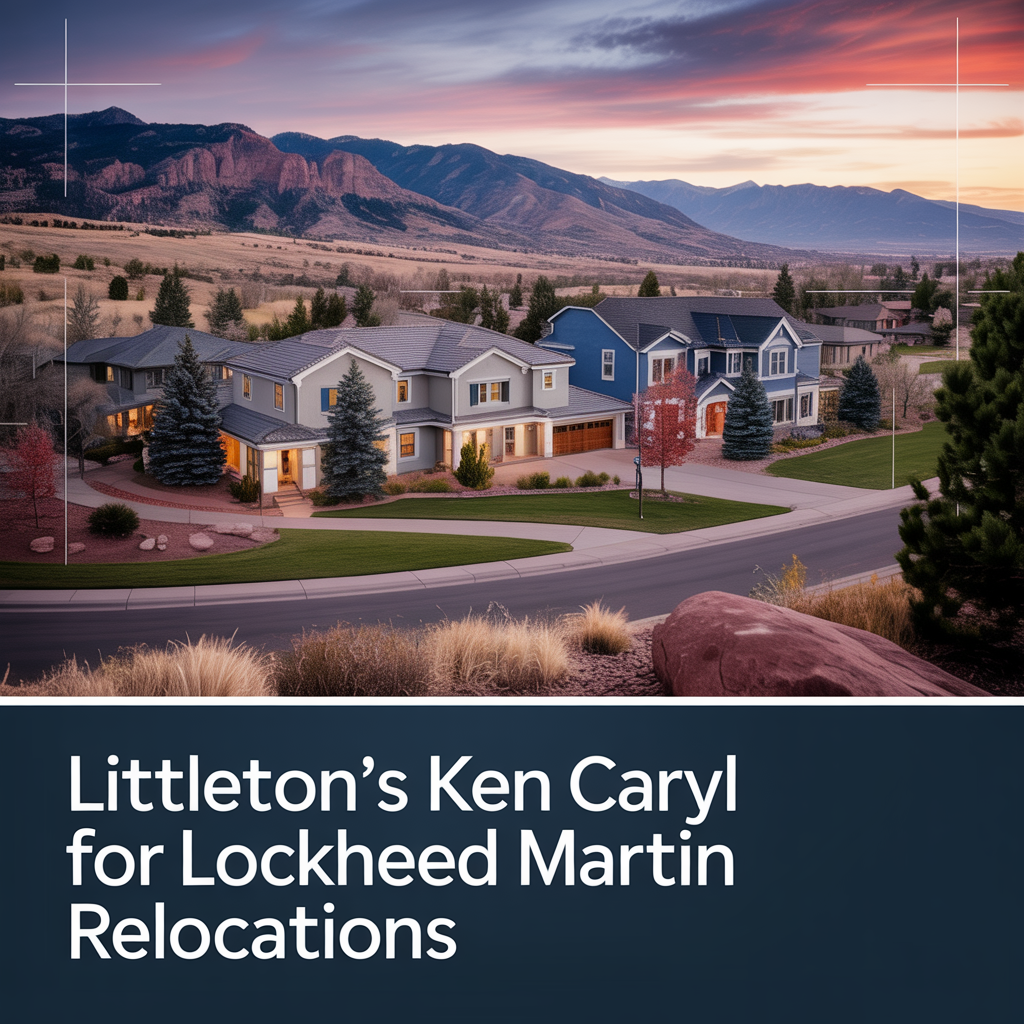
Littleton’s Ken Caryl for Lockheed Relocations
This is part of Lockheed Martin Relocation → [Lockheed Martin Relocation Hub] & the larger Denver Relocation Hub → [Denver Relocation Hub] Written by: Chad Cabalka Ken Caryl is one of the best-kept “family first” relocation options for Lockheed Martin employees who want foothills scenery, strong neighborhood appeal, and a real suburban lifestyle that still feels connected…


Centennial & Parker for Lockheed Relocations
This is part of Lockheed Martin Relocation → [Lockheed Martin Relocation Hub] & the larger Denver Relocation Hub → [Denver Relocation Hub] Written by: Chad Cabalka Centennial and Parker are two of the smartest suburban choices for Lockheed Martin employees relocating with families because they give you a strong balance of commute flexibility, good neighborhood variety, and…

Highlands Ranch for Family-Friendly Lockheed Relocations
This is part of Lockheed Martin Relocation → [Lockheed Martin Relocation Hub] & the larger Denver Relocation Hub → [Denver Relocation Hub] Written by: Chad Cabalka Highlands Ranch is one of the strongest choices for Lockheed Martin employees relocating with families because it delivers exactly what most parents want after a big move: stable neighborhoods, strong community…