



This is part of the Long Term Rentals in Denver→ [Long Term Rentals in Denver] a hub of Denver Investing Guide → [Denver Investing Guide]
Written by: Chad Cabalka
Maintenance represents the single largest uncontrolled expense for Denver long-term rental owners, often consuming 8 to 15 percent of gross rents annually when accounting for Denver’s weather extremes, aging housing stock, and 2026 regulatory shifts. Investors modeling one percent of property value ($7,250 on a $725,000 single-family) underestimate realities like hail-damaged roofs ($15,000-$25,000 every 7-10 years), winter plumbing failures ($1,500-$3,000 per incident), and compliance-driven upgrades under HB25-1090’s habitability standards. These costs directly erode net operating income in a 55-65% expense ratio market, turning 5% cap rate projections into 3.5% effective yields and stressing DSCR thresholds during claim seasons.
Why Maintenance Distorts Rental Projections
National heuristics like the 50% rule allocate 10% to upkeep, but Denver’s environmental and regulatory profile demands 12-18% for realism. A $2,800 monthly rental generating $33,600 gross should budget $4,000-$6,000 yearly, not $3,000. Underestimating triggers deferred maintenance, failed inspections, or DDPHE violations carrying $5,000 fines under new licensing ordinances.
These figures matter because correlated failures—roof leaks plus HVAC strain in sub-zero January snaps—cascade into $10,000+ multi-system repairs. Aging 1970s inventory (40% metro stock) amplifies: original galvanized plumbing clogs, asphalt shingles crack under 60 mph hail, and flatwork heaves from clay soils. Proactive owners preserve equity; reactors lose to forced capex during tenant turnover.
Weather-Driven Repair Realities
Colorado’s climate dictates outsized costs absent in Sun Belt markets:
- Hail and Wind: Front Range storms (May-June peak) total $2 billion insured losses yearly. Roofs fail every 7-12 years ($18,000 asphalt, $35,000 architectural on $725k homes), with $2,500-$5,000 deductibles. Highlands Ranch sees 20-30% claims frequency; insurance escrows now reserve $300 monthly.
- Freeze-Thaw Cycles: Pipes burst at -10°F (10-15 nights yearly), costing $1,800 plumbing ($125/hour labor) plus $2,000 drywall. Heated slabs add $400 yearly preventative electric.
- Snow Load: Flat roofs accumulate 3-5 feet, risking $8,000 structural ponding. Gutters ice-dam at $1,200 per incident.
- Summer Drought: Irrigation systems fail ($900 sprinkler heads), xeriscaping mandates add $3,500 upfront compliance.
Annualized: $3,200-$4,800 per property, or $267-$400 monthly—double national norms. Reserves must cover clustered events, not averages.
Routine Operating Expenses Breakdown
Beyond catastrophes, daily operations accumulate:
| Category | Annual Cost ($725k SFR) | Frequency | Denver-Specific Driver |
|---|---|---|---|
| HVAC Servicing | $450-$750 | Bi-annual | Dry air strains systems; $12k replacements @15 yrs |
| Plumbing | $800-$1,500 | 1-2x/yr | Mineral buildup, freeze damage |
| Landscaping | $1,200-$2,400 | Monthly | HOA minimums, watering restrictions |
| Pest Control | $400-$700 | Quarterly | Spiders, mice post-monsoon |
| Appliance Turnover | $1,000-$2,000 | 5-7 yrs | Hard water shortens fridge/water heater life |
| Flooring/Cosmetics | $2,500-$4,000 | Turnover | Carpet to LVP mandates ($8/sq ft) |
| Electrical/Panel | $1,200-$2,500 | 10% annually | Knob-and-tube rewiring in pre-80s homes |
Total routine: $8,550-$14,850 yearly (10-18% gross). Turnovers double to $15,000-$25,000 as Denver’s 7-10% vacancy demands show-ready condition for RTD-proximate lease-ups.
Regulatory Compliance Costs (2026 Updates)
HB25-1090 and DDPHE expansions embed new burdens:
- Junk Fee Bans: Landlords absorb pest control ($500/year) and common maintenance previously passed through. Base rents rise 3-5% to compensate, but NOI compresses during transitions.
- Habitability Standards: C.R.S. § 38-12-503 mandates 48-hour emergency response, $200/day repair credits post-7 days. Green upgrades (low-flow fixtures, attic insulation) cost $4,000-$8,000 for compliance.
- Licensing Fines: $5,000 maximum for violations; $50-$500 annual fees scale with units. Failed inspections trigger $250 daily holds.
- Security Deposit Rules: HB1249 limits deductions, forcing $2,000 cleaning buffers per turnover as “normal wear” narrows.
Annual compliance: $1,200-$2,500, rising with enforcement. Small portfolios (<5 units) face disproportional DORA audits.
Submarket Cost Variations
Expenses vary by vintage and location:
Exurban Brighton saves $1,500 HVAC but adds $2,000 vacancy concessions due to commute resistance. Core DTC commands 20% premiums for granite resets but leases 20% faster.
True Reserve Requirements
One percent value ($600/month) covers routine only; full cycle demands:
- Reactive Reserves: 15% gross ($420/month) for clustered failures.
- Replacement Reserves: $150/sq ft depreciable assets over 15 years ($1,200/month $2,000sf home).
- Turnover Sinking Fund: $2,500/unit every 18-24 months ($100/month).
Total: $2,300-$2,800 monthly per door (12-17% rents)—triple naive models. Quarterly audits against trailing 12-months actuals reveal creeps early.
Impact on Financing and Returns
Thin reserves stress DSCR: $12,000 unexpected roof drops 1.25 ratio to 1.05, blocking refis. Conservative 70% LTV survives; optimized 80% forces sales into down cycles. Cash-on-cash falls 2-4 points; IRR lags 1.5% over 10 years versus peers.
Insurance alignment matters: actuals exceeding premiums trigger cancellations, as Colorado FAIR plan surcharges hit 50% post-claims.
Strategic Maintenance Frameworks
- Vendor Consolidation: Portfolio plumber/HVAC at 10-15% discounts; $90 vs $125/hour.
- Preventative Calendars: Annual boiler bleeds ($150), gutter clears ($200/quarter).
- Material Upgrades: LVP over carpet ($6/sq ft, 20yr life), PEX plumbing ($4k upfront saves $10k failures).
- Tech Monitoring: Leak detectors ($300/unit), thermostat analytics flag usage spikes.
- Capex Planning: Five-year forecasts tied to vintage; 1970s stock prioritizes electrical first.
Self-manage cosmetic turns ($8k/unit) to trim eight percent PM fees, outsourcing catastrophes only.
Conclusion
True maintenance for Denver rentals totals 12-18% gross rents ($4,000-$6,000 annually per $725k property), driven by hail cycles, aging systems, and 2026 compliance mandates far beyond one percent heuristics. Under-reserving distorts NOI, stresses debt, and accelerates dispositions—resilient owners budget full-cycle realities to preserve 10-12% total returns.
Accurate modeling transforms fixed costs into equity protection across metro conditions.
For maintenance audits, reserve calibrations, or Denver rental optimization, reach out. Tailored projections align budgets with submarket realities for buying, holding, or scaling portfolios.
Get the full Denver Market Insights → [Market Insights]


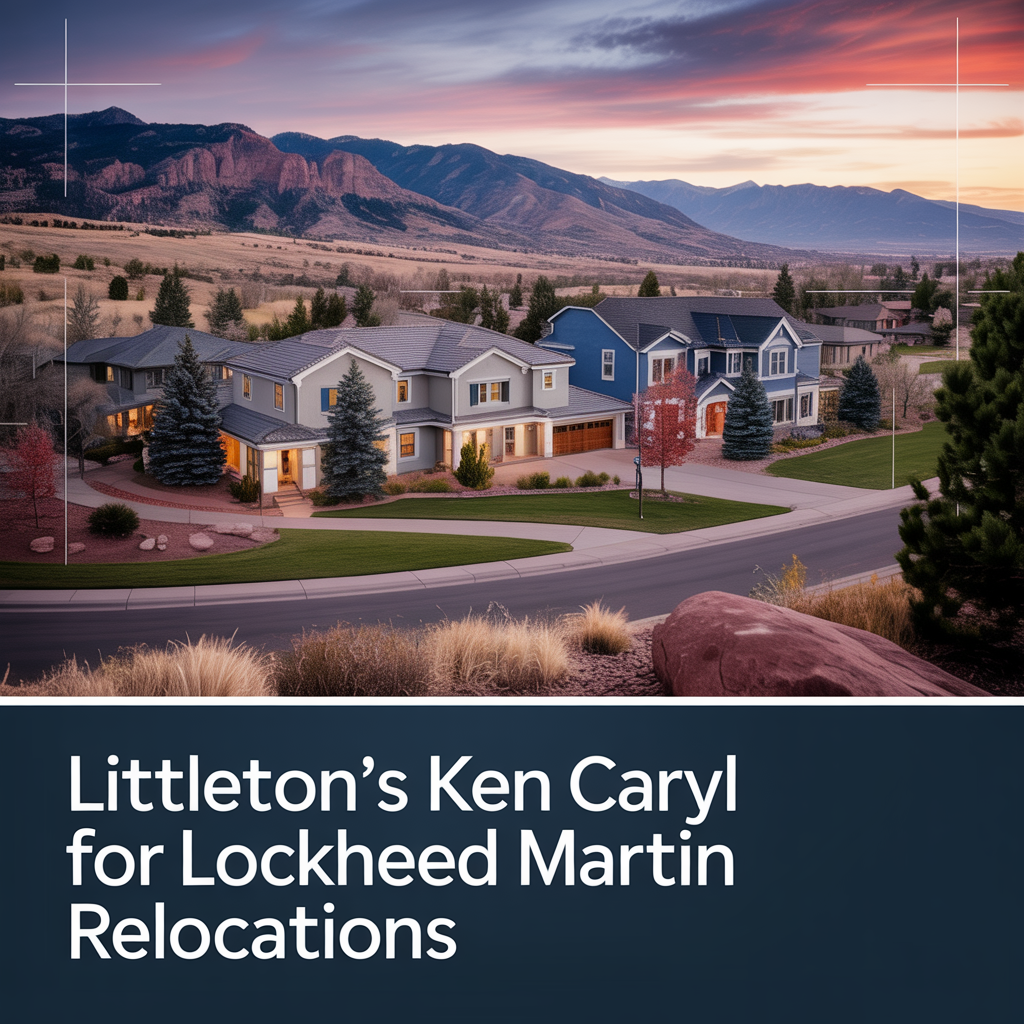
Littleton’s Ken Caryl for Lockheed Relocations
This is part of Lockheed Martin Relocation → [Lockheed Martin Relocation Hub] & the larger Denver Relocation Hub → [Denver Relocation Hub] Written by: Chad Cabalka Ken Caryl is one of the best-kept “family first” relocation options for Lockheed Martin employees who want foothills scenery, strong neighborhood appeal, and a real suburban lifestyle that still feels connected…

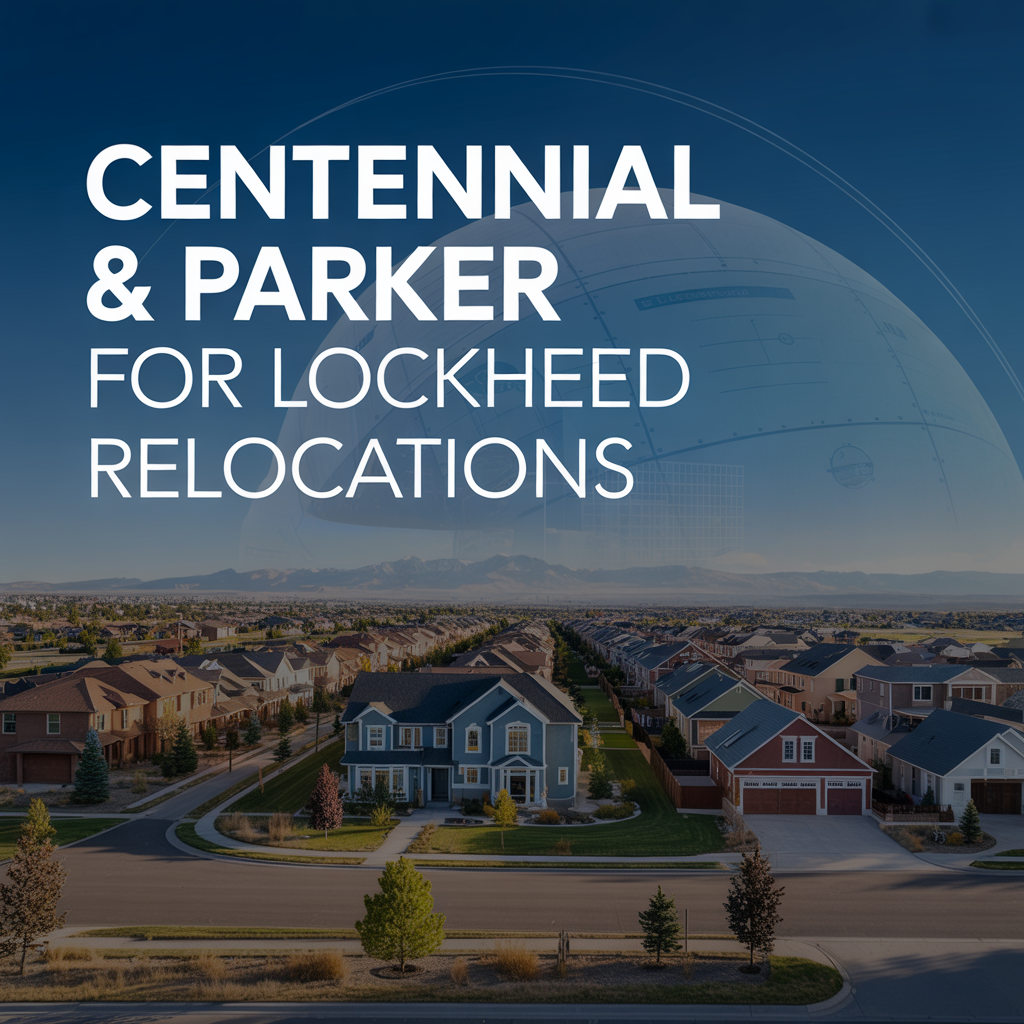
Centennial & Parker for Lockheed Relocations
This is part of Lockheed Martin Relocation → [Lockheed Martin Relocation Hub] & the larger Denver Relocation Hub → [Denver Relocation Hub] Written by: Chad Cabalka Centennial and Parker are two of the smartest suburban choices for Lockheed Martin employees relocating with families because they give you a strong balance of commute flexibility, good neighborhood variety, and…

Highlands Ranch for Family-Friendly Lockheed Relocations
This is part of Lockheed Martin Relocation → [Lockheed Martin Relocation Hub] & the larger Denver Relocation Hub → [Denver Relocation Hub] Written by: Chad Cabalka Highlands Ranch is one of the strongest choices for Lockheed Martin employees relocating with families because it delivers exactly what most parents want after a big move: stable neighborhoods, strong community…