


This is part of the Long Term Rentals in Denver→ [Long Term Rentals in Denver] a hub of Denver Investing Guide → [Denver Investing Guide]
Written by: Chad Cabalka
Deferred maintenance strikes short-term rental (STR) properties faster than long-term rentals because high guest turnover accelerates wear on surfaces, systems, and furnishings already stressed by constant use, creating a compounding cycle of visible decline.[conversation_history] In Denver’s primary-residence STR market, where 100-200 guests per year scrutinize every detail for reviews and ratings, small issues like loose grout or stained grout escalate into major failures without immediate attention, threatening bookings and compliance.
Guest Turnover as the Primary Accelerator
Unlike long-term tenants who adapt to minor flaws, STR guests encounter the property fresh each stay, magnifying cosmetic and functional defects. A carpet snag unnoticed by a family of four becomes a tripping hazard for the next group, fraying further under luggage wheels and foot traffic. This high-touch cycle—entry, use, exit, repeat—drives 3-5x faster deterioration on high-contact areas: door handles loosen weekly, shower caulk molds in days from hard water, kitchen cabinets chip from daily loading.
In Denver neighborhoods like Jefferson Park or Sunnyside, where 120-150 nights yield 40-60 turnovers, hosts face “review roulette”: one guest’s photo of peeling paint tanks occupancy 20-30% until fixed. Deferred fixes compound as new guests exacerbate underlying issues, turning $200 touch-ups into $2,000 overhauls.
Visibility Drives Immediate Revenue Impact
STR platforms prioritize listings with pristine photos and 4.8+ ratings, so deferred maintenance kills direct bookings faster than in stable tenancies. A Highland bungalow with scuffed baseboards or a faded deck stain drops from page one to three in Airbnb search results, as algorithms favor verified cleanliness. Guests leave 1-star feedback on minor issues—squeaky doors, dim bulbs—that tenants ignore, slashing RevPAR by 15-25% during peak weekends.
This revenue hit forces reactive spending: emergency repairs between guests cost 50% more than scheduled ones, with no buffer for sourcing discounts. In contrast, long-term leases hide flaws behind leases, deferring pain until vacancy.
Systems Under Constant Strain Amplify Failure Rates
HVAC, plumbing, and appliances endure non-stop cycles absent in annual rentals. A furnace running 24/7 for winter guests burns filters monthly and strains blowers, while summer AC battles Denver’s dry heat with constant dehumidification. Deferred filter changes lead to coil icing and $1,500 compressor failures; ignored drips become $4,000 slab leaks under tile from guest showers.
Smart systems falter quickest: locks jam from greasy fingers, thermostats glitch under overrides, forcing $300 resets that disrupt check-ins. These failures cascade—power surges from faulty wiring fry outlets used by hair tools and chargers, igniting electrical panels overlooked in walkthroughs.
Compounding Effects in Denver’s Environment
Front Range weather accelerates the cycle: freeze-thaw widens cracks guests exploit with moisture, UV fades exteriors visible in every listing photo, and urban pollen clogs vents strained by cooking fumes.[conversation_history] A RiNo deck deferred one season splinters under heels by summer; basement humidity unchecked warps peel-and-stick flooring mid-guest stay.
HOA properties compound risks: shared elements like roofs leak first into common demos, triggering $5,000+ assessments that hit reserves already tapped by interior turnovers.
Cost Trajectory of Deferred vs. Proactive Maintenance
| Issue Category | Deferred Impact (6-12 Months) | Proactive Cost (Quarterly) | Acceleration Factor |
|---|---|---|---|
| Flooring/Carpets | $4,000 full replace | $800 spot fixes | 5x |
| Kitchen/Bath Fixtures | $3,500 full demo | $500 caulk/seals | 7x |
| HVAC Servicing | $2,500 compressor | $400 tune-ups | 6x |
| Exterior Deck/Paint | $6,000 full refinish | $1,200 annual | 5x |
| Furnishings Refresh | $5,000 full set | $1,000 rotations | 5x |
Hosts ignoring 1% monthly reserves face 2-3% emergency spends yearly, eroding DSCR below 1.1x.[conversation_history]
The Review and Resale Feedback Loop
One-star reviews compound: lower ratings deter quality guests, leaving higher-risk groups that damage further, necessitating deeper cleans and repairs. At resale, appraisers note “STR wear” in inspections—scratched hardwoods, overused appliances—discounting 3-7% versus pristine comps, as buyers factor re-capping costs.
Denver’s primary-residence rules heighten stakes: license audits flag habitability issues, risking suspensions during peak seasons.
Proactive Habits That Break the Cycle
Schedule bi-weekly walkthroughs with turnover checklists targeting high-wear zones. Rotate “hotel-grade” linens and pillows quarterly, not biannually. Use wear sensors on ducts and locks for early alerts. Budget 1.5-2% of value annually, siloed from operating cash—$10,500-$14,000 on a $700K asset—covering accelerated depreciation reality.[conversation_history]
Hybrid models blending mid-terms reduce turnovers 40%, easing pressure while maintaining yields.
Discipline Preserves STR Longevity
Deferred maintenance isn’t optional budgeting—it’s a direct booking killer in Denver’s competitive, review-driven market. STRs demand relentless upkeep vigilance absent in traditional rentals, where flaws fade into background. Investors thrive by treating maintenance as revenue infrastructure, not a variable cost.
To audit your Denver STR for hidden deferrals or build reserves matching turnover realities, reach out to me directly. I can inspect walkthroughs, project failure curves, and target properties with durable builds that withstand high-traffic demands.
Get the full Denver Market Insights → [Market Insights]


Littleton’s Ken Caryl for Lockheed Relocations
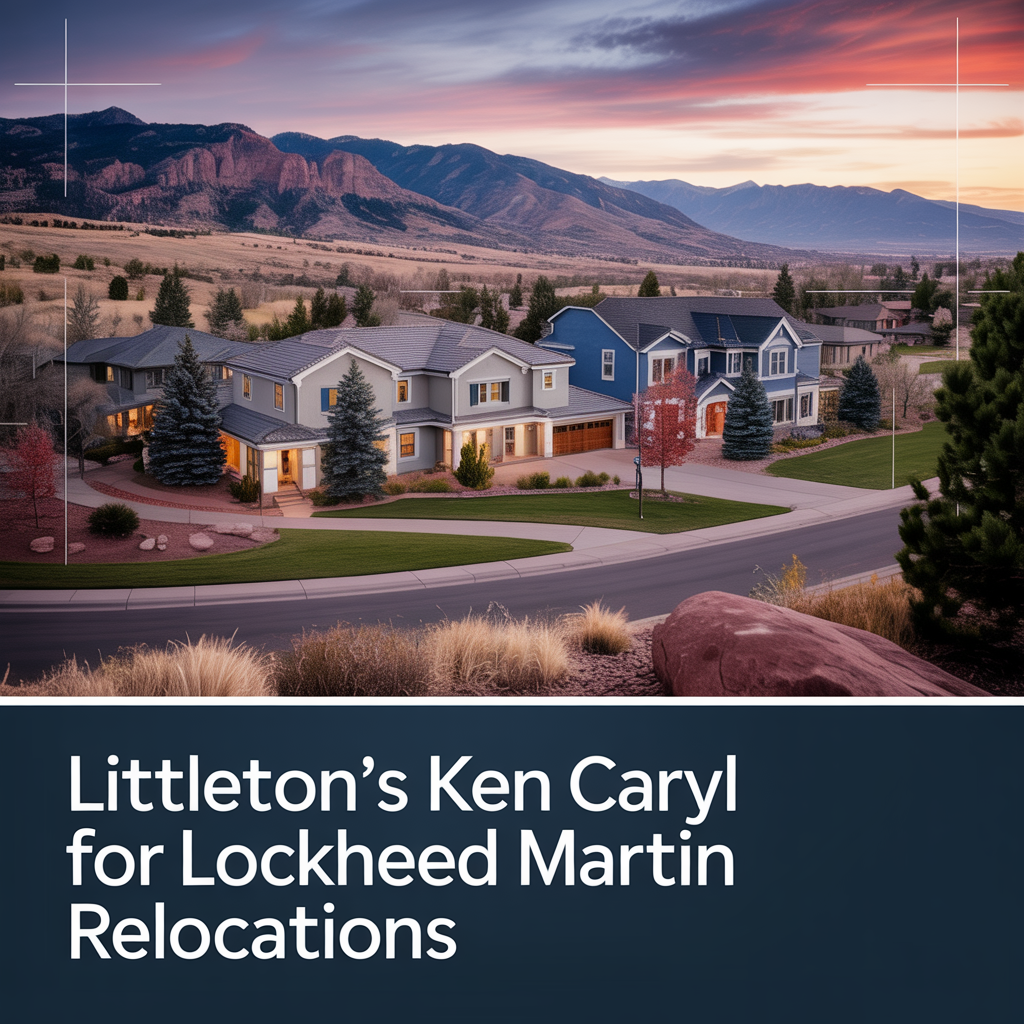
This is part of Lockheed Martin Relocation → [Lockheed Martin Relocation Hub] & the larger Denver Relocation Hub → [Denver Relocation Hub] Written by: Chad Cabalka Ken Caryl is one of the best-kept “family first” relocation options for Lockheed Martin employees who want foothills scenery, strong neighborhood appeal, and a real suburban lifestyle that still feels connected…


Centennial & Parker for Lockheed Relocations
This is part of Lockheed Martin Relocation → [Lockheed Martin Relocation Hub] & the larger Denver Relocation Hub → [Denver Relocation Hub] Written by: Chad Cabalka Centennial and Parker are two of the smartest suburban choices for Lockheed Martin employees relocating with families because they give you a strong balance of commute flexibility, good neighborhood variety, and…

Highlands Ranch for Family-Friendly Lockheed Relocations
This is part of Lockheed Martin Relocation → [Lockheed Martin Relocation Hub] & the larger Denver Relocation Hub → [Denver Relocation Hub] Written by: Chad Cabalka Highlands Ranch is one of the strongest choices for Lockheed Martin employees relocating with families because it delivers exactly what most parents want after a big move: stable neighborhoods, strong community…