



This is part of the Long Term Rentals in Denver→ [Long Term Rentals in Denver] a hub of Denver Investing Guide → [Denver Investing Guide]
Written by: Chad Cabalka
Gross nightly rates represent the headline revenue potential for Denver short-term rental (STR) hosts, but they rarely reflect actual take-home profit. Many hosts set prices based on market comps without subtracting the full scope of operational realities, leading to overstated expectations and financial shortfalls. True net income emerges only after accounting for predictable deductions that define Colorado hosting economics.
Defining Gross vs. Net Income
Gross nightly rates capture the total amount charged per night before platform fees, taxes, or other costs—often $150–$300 in Denver’s urban core, higher near LoDo or RiNo. Net STR income subtracts expenses like cleaning ($50–$100 per turnover), utilities (elevated by constant guest use), maintenance, insurance riders, and occupancy gaps. For a property averaging 70% occupancy, gross figures drop significantly when vacancies erode booked nights, a common Front Range pattern outside peak summer or event seasons.
This distinction matters because Denver’s high fixed costs—property taxes reassessed biennially by county officials, mortgage interest on primary residences—consume 40–60% of gross revenue for typical hosts. Without this calculation, properties appear profitable on paper but strain cash flow during slower months.
Key Deductions That Erode Gross Rates
Hosts often underestimate layered costs unique to STR operations in Colorado.
- Platform and Transaction Fees: Airbnb or Vrbo take 3–15% per booking, plus payment processing (2.9% + $0.30). A $200 night nets ~$170 before other cuts.
- Taxes and Compliance: Denver mandates 10.75% lodger’s tax on all lodging charges (including cleaning fees), plus 4% state sales tax—hosts remit if platforms don’t automate. Annual STR licenses cost $50–$100, with occupational privilege taxes adding $4–$5.75 monthly per owner or employee.
- Variable Guest Costs: Cleaning averages $75 per turnover in metro Denver; linens, restocking (toiletries, coffee), and trash removal add $20–$40 nightly when scaled. Utilities spike 20–50% from guest laundry, HVAC use, and heating during Colorado’s variable weather.
- Vacancy and Seasonality: Denver STR occupancy hovers 60–75% annually, lower in suburbs like Aurora or Wheat Ridge. Off-peak discounts to fill rooms further compress rates.
These line items total 35–55% of gross for most hosts, turning a projected $4,000 monthly gross into $1,800–$2,600 net.
Ownership Costs Specific to Denver Hosts
Colorado’s regulatory and market framework amplifies deductions beyond national norms.
Property taxes on owner-occupied STRs follow standard residential rates but rise with revaluations tied to rental improvements—hosts converting basements or adding ADUs face jumps of 10–20%. Mortgage lenders scrutinize STR activity; conventional loans permit it for primaries but cap income use at 75% of gross for qualification, excluding it entirely if undocumented. HOA rules in condo-heavy areas like Cherry Creek often prohibit STRs outright, forcing full-time leases.
Insurance shifts dramatically: Standard homeowner policies exclude commercial use, requiring $1M+ STR endorsements ($500–$2,000 yearly premium hikes). Denver’s noise ordinances and neighbor complaints trigger city fines ($250+ per violation), indirectly hiking legal or mitigation costs.
Why Calculation Errors Hurt Long-Term
Failing to project net income distorts investment decisions. A host eyeing $36,000 annual gross (7% yield on a $500K property) might net only $15,000–$20,000 after expenses, yielding 3–4%—below inflation or long-term lease alternatives. This gap affects refinancing (needing two years’ tax returns) and resale, where unpermitted STR history flags appraisals.
Net operating income (NOI = gross potential rent minus operating expenses) offers clarity: For a Denver single-family home, $3,200 monthly gross rent minus $2,600 expenses yields $600 cash flow. Hosts tracking NOI quarterly adjust pricing dynamically, targeting 5–10% ROI aligned with Front Range appreciation.
Practical Steps to Forecast Accurately
Build a monthly pro forma starting with ADR (average daily rate) × occupancy days, then subtract:
| Category | Estimated Monthly Cost (Denver Metro) | Notes |
|---|---|---|
| Platform Fees | 10–15% of gross | Includes host service fee |
| Taxes | 14.75% of bookings | Lodger’s + state sales |
| Cleaning/Turnover | $1,500–$3,000 | At 20 turnovers/month |
| Utilities/Maintenance | $400–$800 | Guest-driven spikes |
| Insurance/License | $100–$200 | Annual prorated |
| Mortgage/Taxes/HOA | Varies ($1,500+) | Fixed ownership baseline |
| Total Deductions | 45–60% of gross | Net = Remainder |
Test scenarios: 65% occupancy at $225 ADR grosses $4,900/month but nets ~$2,200 after 55% deductions. Tools like dynamic pricing software boost revenue 24% by optimizing for events like Red Rocks concerts or Broncos games.
Bottom Line for Denver Hosts
Gross nightly rates lure with simplicity, but net STR income reveals the disciplined reality of Denver hosting. Thoughtful hosts prioritize NOI over headlines, ensuring compliance sustains equity growth amid Colorado’s regulatory evolution. Reach out to me for a customized net income analysis on your property—I’ll review comps, costs, and lending fit to clarify true profitability.
Get the full Denver Market Insights → [Market Insights]


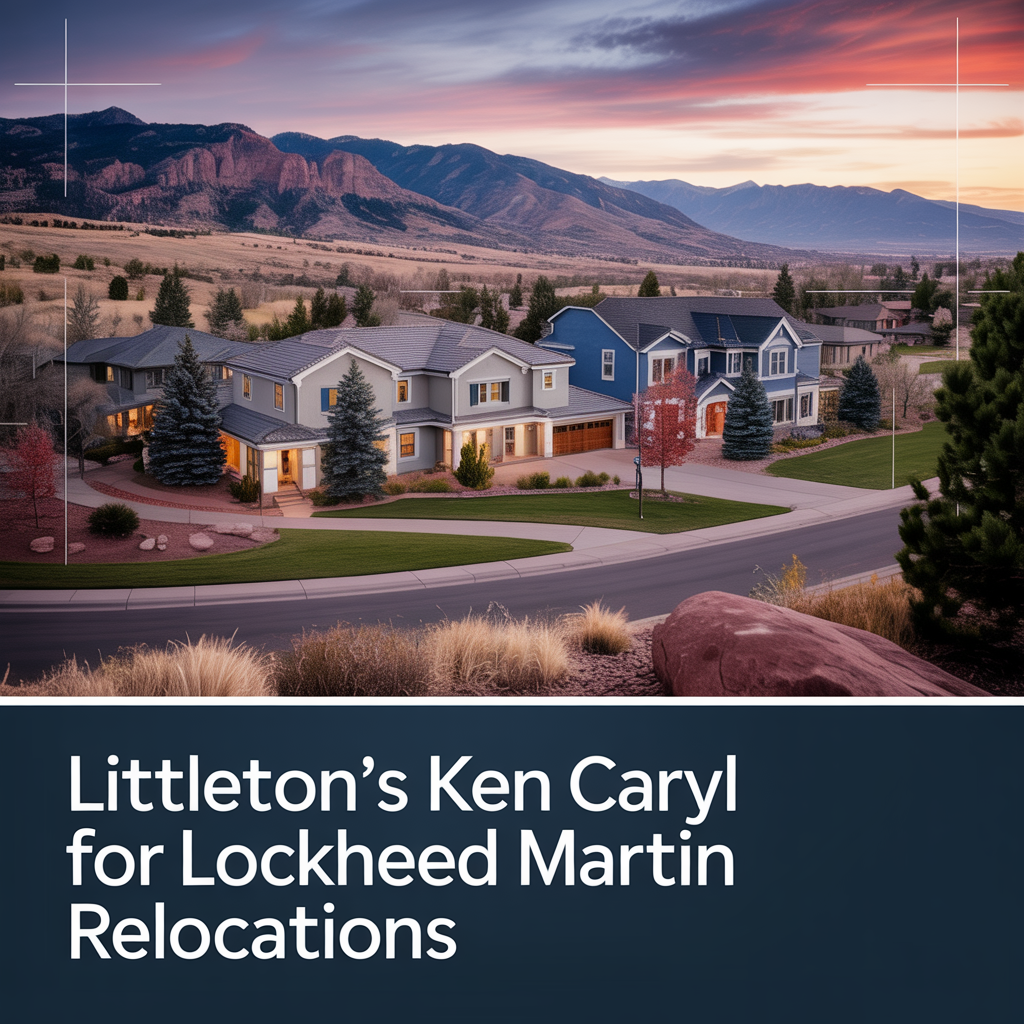
Littleton’s Ken Caryl for Lockheed Relocations
This is part of Lockheed Martin Relocation → [Lockheed Martin Relocation Hub] & the larger Denver Relocation Hub → [Denver Relocation Hub] Written by: Chad Cabalka Ken Caryl is one of the best-kept “family first” relocation options for Lockheed Martin employees who want foothills scenery, strong neighborhood appeal, and a real suburban lifestyle that still feels connected…

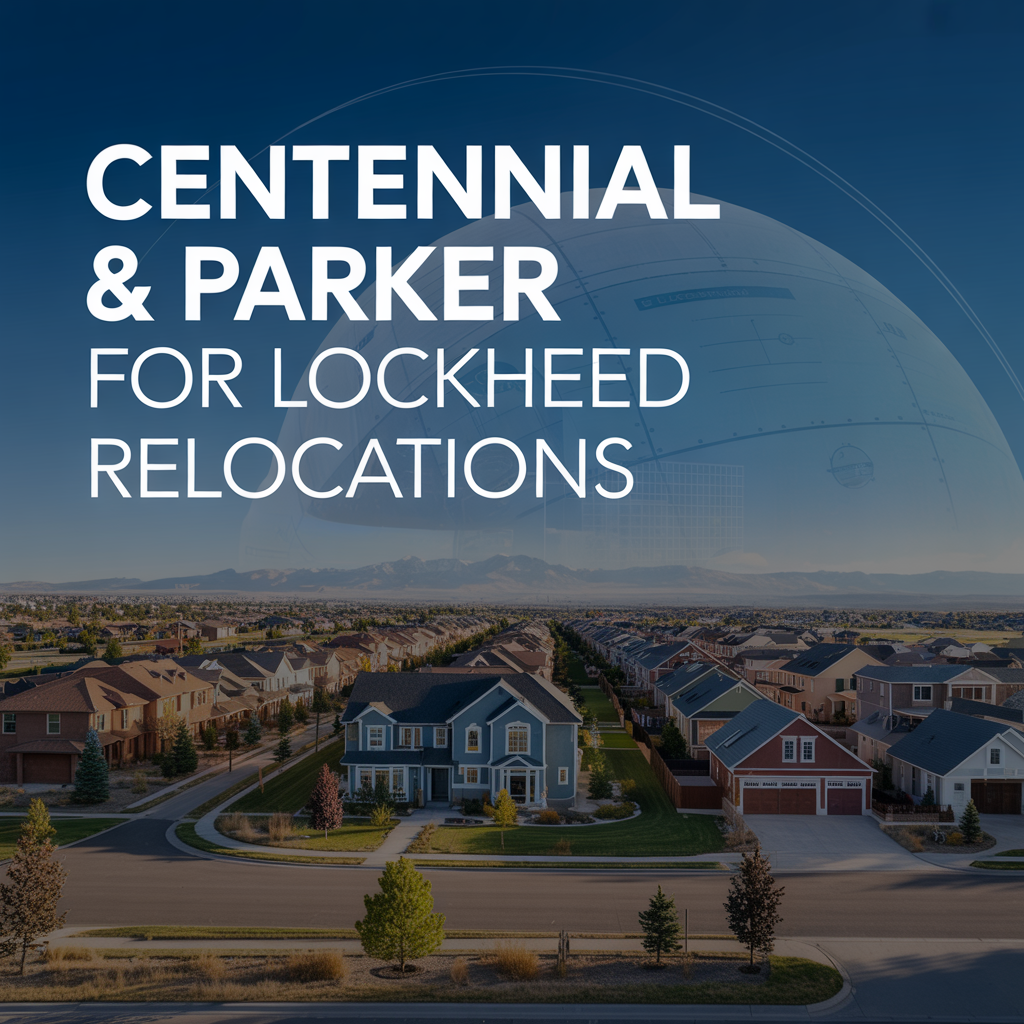
Centennial & Parker for Lockheed Relocations
This is part of Lockheed Martin Relocation → [Lockheed Martin Relocation Hub] & the larger Denver Relocation Hub → [Denver Relocation Hub] Written by: Chad Cabalka Centennial and Parker are two of the smartest suburban choices for Lockheed Martin employees relocating with families because they give you a strong balance of commute flexibility, good neighborhood variety, and…

Highlands Ranch for Family-Friendly Lockheed Relocations
This is part of Lockheed Martin Relocation → [Lockheed Martin Relocation Hub] & the larger Denver Relocation Hub → [Denver Relocation Hub] Written by: Chad Cabalka Highlands Ranch is one of the strongest choices for Lockheed Martin employees relocating with families because it delivers exactly what most parents want after a big move: stable neighborhoods, strong community…