


This is part of the Long Term Rentals in Denver→ [Long Term Rentals in Denver] a hub of Denver Investing Guide → [Denver Investing Guide]
Written by: Chad Cabalka
Regulatory risk amplifies every other challenge in Denver short-term rental (STR) operations, turning manageable operational hurdles into existential threats for noncompliant hosts. A single violation—whether a missed license renewal or neighbor complaint—can trigger cascading penalties, license revocation, and diminished property value that outweigh years of accumulated revenue. In Colorado’s tightly regulated Front Range market, where primary residence rules and density caps define viability, overlooking these rules multiplies financial exposure far beyond routine costs.
Core Regulatory Framework in Denver
Denver classifies STRs as rentals under 30 consecutive days, requiring a city-issued business license tied explicitly to the host’s primary residence. Hosts must prove they occupy the property more than 183 days annually, verified through driver’s license, utility bills, voter registration, or tax records—misrepresentation leads to immediate denial or revocation. Zoning restrictions further limit operations: Single-family homes and duplexes qualify in most residential areas, but multifamily buildings (4+ units) need special permits, and historic districts impose extra hurdles.
As of 2026, mandatory licensing expanded to include safety inspections for fire systems, carbon monoxide detectors, and egress routes, plus $1 million liability insurance minimums. Density caps restrict permits to 3% of units per census block in high-demand zones like RiNo, LoHi, and Capitol Hill, curbing new entrants and pressuring existing hosts to sell or convert. Non-primary properties require costly lodging facility licenses, often infeasible due to zoning barriers.
How Violations Compound into Multipliers
Regulatory breaches don’t stop at fines ($250–$2,500 per incident); they escalate rapidly, eroding profitability through direct and indirect channels.
- License Revocation Chain: Failed inspections or primary residence disputes suspend operations, halting all income while back taxes accrue. Revoked hosts face 12–24 month reapplication bans, during which platforms delist properties, damaging online reputation scores.
- Tax Enforcement: Hosts must collect and remit 10.75% lodger’s tax plus 4% state sales tax; platforms handle some, but manual filings apply otherwise. Late remittances trigger audits, liens, or property seizures—common in Denver’s aggressive 2026 compliance push.
- Zoning and HOA Conflicts: Even licensed STRs violate if HOAs prohibit them (prevalent in Highlands Ranch condos) or if occupancy exceeds two guests per bedroom + two extra. Noise ordinance breaches (post-10 PM) prompt neighbor reports, leading to $500+ citations and potential nuisance abatements.
- Multiplier Effect: A single complaint snowballs—city investigation uncovers tax shortfalls, triggering IRS scrutiny on unreported income (taxed at 4.4% state + federal rates). Insurance voids commercial claims, leaving hosts personally liable for guest damages.
These risks multiply returns inversely: A projected 7% ROI drops to negative when six months offline from revocation offsets two years’ profits.
Primary Residence: The Ultimate Gatekeeper
Denver’s insistence on primary residency—your “usual place of return”—filters casual investors, preserving housing stock amid affordability pressures. Tenants need landlord approval, but owners bear the burden: Annual renewals (free if compliant) demand re-verification, with digital tracking of guest logs and 24/7 local response mandates. Noncompliance rates spiked 15% in 2025 audits, per city data, as relocating homeowners listed investment properties illegally.
This rule intersects lending: Mortgage servicers flag STR activity, potentially accelerating due-on-sale clauses or denying refis without two years’ compliant records. Resale suffers too—buyers discount “STR-flagged” homes 5–10% due to re-licensing uncertainties.
Neighborhood-Specific Risk Hotspots
| Area | Key Risk | Impact Multiplier |
|---|---|---|
| RiNo/LoHi | Density caps (3% limit) | Blocked renewals; forced sales |
| Capitol Hill | Historic zoning | Extra permits; 6-month delays |
| Highlands Ranch | HOA bans | Full prohibition; legal fees |
| Aurora | Noise complaints | Frequent citations; revocations |
| Citywide | Tax audits | Liens on 20% non-filers |
High-occupancy zones amplify scrutiny, as neighbors monitor platforms for unlicensed listings.
Mitigating the Multiplier
Proactive compliance trumps reaction: Secure licenses pre-listing ($50–$100 initial), automate tax remittances, and document residency rigorously. Designate local managers for off-site hosts, cap stays at verified limits, and monitor 311 complaint portals. Annual policy reviews align with evolutions like 2026’s concentration rules, preserving operations amid Denver’s housing debates.
Bottom Line for Denver Hosts
Regulatory risk doesn’t just threaten STRs—it magnifies every cost, vacancy, and misstep into potential business-ending events. Compliant hosts in Denver treat rules as the foundation of sustainable returns, sidestepping the traps that sink 20–30% of new listings annually. Reach out to me for a full regulatory audit on your property—I’ll map licensing status, zoning fit, and risk exposure to safeguard your investment in today’s Front Range market.
Get the full Denver Market Insights → [Market Insights]


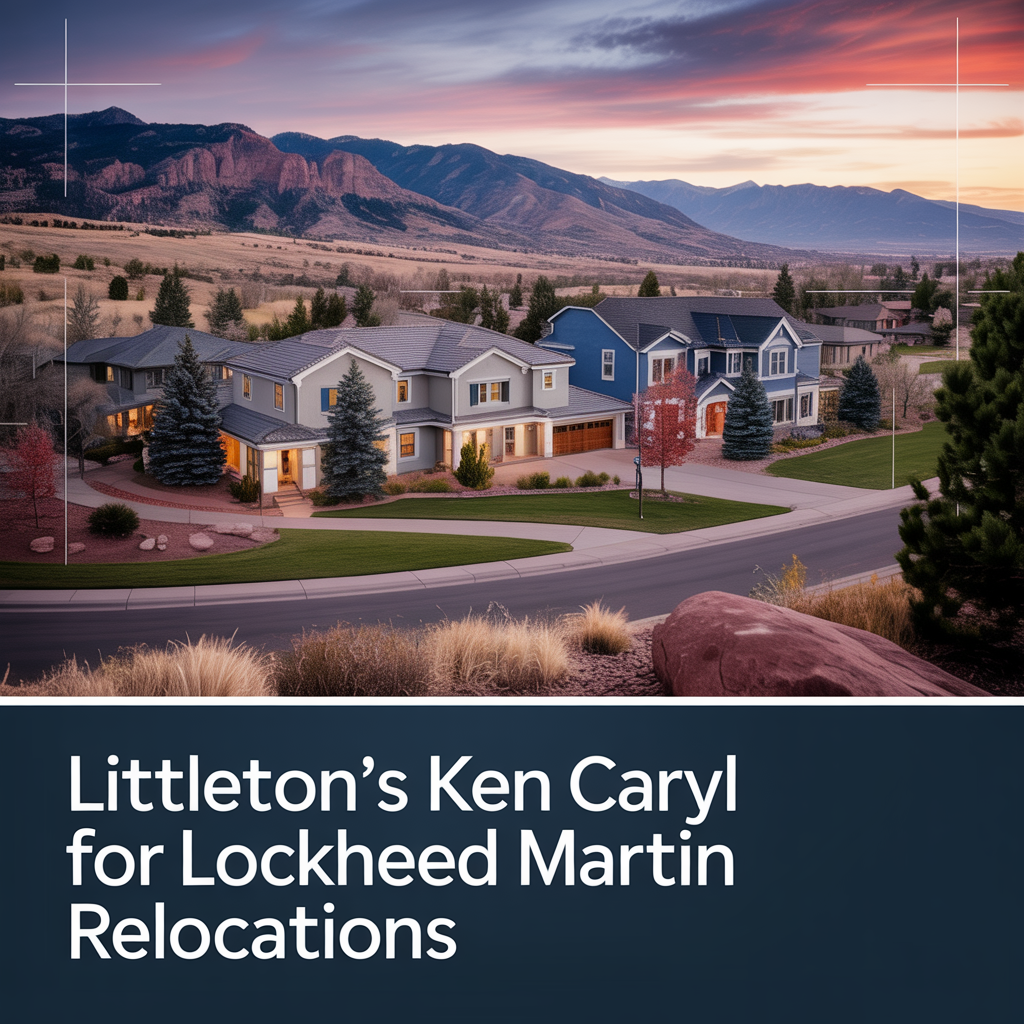
Littleton’s Ken Caryl for Lockheed Relocations
This is part of Lockheed Martin Relocation → [Lockheed Martin Relocation Hub] & the larger Denver Relocation Hub → [Denver Relocation Hub] Written by: Chad Cabalka Ken Caryl is one of the best-kept “family first” relocation options for Lockheed Martin employees who want foothills scenery, strong neighborhood appeal, and a real suburban lifestyle that still feels connected…


Centennial & Parker for Lockheed Relocations
This is part of Lockheed Martin Relocation → [Lockheed Martin Relocation Hub] & the larger Denver Relocation Hub → [Denver Relocation Hub] Written by: Chad Cabalka Centennial and Parker are two of the smartest suburban choices for Lockheed Martin employees relocating with families because they give you a strong balance of commute flexibility, good neighborhood variety, and…

Highlands Ranch for Family-Friendly Lockheed Relocations
This is part of Lockheed Martin Relocation → [Lockheed Martin Relocation Hub] & the larger Denver Relocation Hub → [Denver Relocation Hub] Written by: Chad Cabalka Highlands Ranch is one of the strongest choices for Lockheed Martin employees relocating with families because it delivers exactly what most parents want after a big move: stable neighborhoods, strong community…