



This is part of House Hacking in Denver→ [House Hacking in Denver] a hub of Denver Investing Guide → [Denver Investing Guide]
Written by: Chad Cabalka
House hacking integrates into Denver investment plans as a disciplined entry mechanism amid 2026’s stabilizing market, where flattened prices and rising inventory favor cautious positioning over aggressive scaling. In neighborhoods like Jefferson Park or Sloan’s Lake, it offsets 50-70% of mortgages via room or ADU rentals, but zoning friction and owner-occupancy mandates extend holds, prioritizing equity preservation over rapid portfolio growth. This analysis unpacks structural fit, risks, and sequencing within broader strategies rooted in Denver’s supply constraints.
Zoning Curbs Density Ambitions
Denver’s zoning favors single-family zones, limiting house hacking to bedroom shares or single ADUs per lot, with 2024 reforms allowing one 800 sq ft unit but requiring owner-occupancy in R-1 districts like South Park Hill. In Rosedale, narrow lots demand setback compliance, blocking detached builds and capping rents at $900-1,200 per bedroom amid shared-space conflicts. Miscalculations here yield 15-20% lower occupancy than national benchmarks, as Metro inspections enforce habitability, turning quick cash flow into compliance burdens that delay exits by 6-9 months.
FHA Rules Enforce Extended Residency
FHA loans for 2-4 unit properties mandate one-year owner-occupancy, but Denver’s permitting delays stretch this to 18 months, locking hackers into Jefferson Park duplexes during off-season vacancies. Refinancing post-occupancy hikes rates to 7.5% investment tiers, eroding offsets as 2026 insurance premiums rise 10-15% for multi-tenant setups. This fits broader plans by building basis at 3.5% down, but sequences poorly for flips, as trapped equity misses 2-3% annual appreciation in Sloan’s Lake.
Neighborhood Demand Fragments Yields
Core areas like Cherry Creek command $1,500+ per room, but family-oriented Rosedale sees 25% turnover from privacy seekers, distorting projections under just-cause eviction laws. Unincorporated Adams County offers flexibility for ADUs, yet HOA restrictions in Sloan’s Lake cap short-term rentals, limiting to 60% utilization. House hacking covers entry costs here but supports only 30-40% of subsequent down payments, as 2026’s cooling rents (flat YoY) prioritize stable tracts over high-turnover plays.
Rental Licensing Amplifies Overhead
Denver mandates third-party inspections for licenses on any 30+ day rental, adding $400-600 upfront and annual renewals in Capitol Hill conversions. ADU builds face 2-12 week plan reviews plus construction timelines, inflating capex 20% over FHA limits in Globeville flood zones. This friction compounds: one violation triggers $500 fines, quietly halving net yields to 2.5%, positioning house hacking as a portfolio stabilizer rather than cash engine amid rising property taxes.
Market Cycles Dictate Exit Windows
2026’s buyer-friendly shift—7,600+ listings, 36 median DOM—pressures sales, but house-hacked properties in Sunnyside linger 20% longer due to tenant disclosures. Seasonal peaks (March-May) clash with occupancy ends, forcing 5-7% discounts off-peak, as higher insurance ($2,500+/year) deters relisters. Within plans, this demands 24-month holds, funneling equity into single-family appreciation plays over serial multi-units.
Tenant Management Alters Risk Profile
Living onsite exposes owners to interpersonal disputes in shared RiNo bungalows, where young professional churn hits 20% annually despite screening. Criminal and credit checks mitigate but don’t eliminate just-cause appeals, tying personal time to 10-15 hours monthly—double detached rentals. This elevates emotional carry costs, fitting house hacking as a one-off skill-builder before transitioning to passive syndications.
National Strategies Falter Locally
Serial FHA stacking works in Phoenix’s duplex abundance, but Denver’s R-1 prevalence and ADU caps throttle to one hack per 2-3 years. BRRRR cycles break on 10% appraisal haircuts for occupied multis, while short-term rental crackdowns (licensing, taxes) slash Airbnb viability versus Dallas flexibility. Denver punishes optimism via accrual—unpermitted basements flagged in reassessments—favoring conservative 4% returns over 8% illusions.
Discipline Drives Long-Term Sequencing
House hacking secures low-basis entries amid 2026 stability, funding 25-35% of next acquisitions if underwritten at 80% offset realism. Basis errors compound: underestimated inspections erode 15% NPV over 10 years, skewing toward Observatory Park holds yielding 6% via appreciation. Patience sequences it pre-quadplex, rewarding friction navigation over creativity.
Denver’s house hacking thrives under constraint—zoning rigidity, regulatory layers—positioning it as a risk-managed gateway in broader plans, not a standalone multiplier. Local mastery of ADU timelines and occupancy extensions determines viability, with success accruing to those who sequence around market pauses. Stability compounds here, quietly outlasting hype-driven pivots.
Get the full Denver Market Insights → [Market Insights]


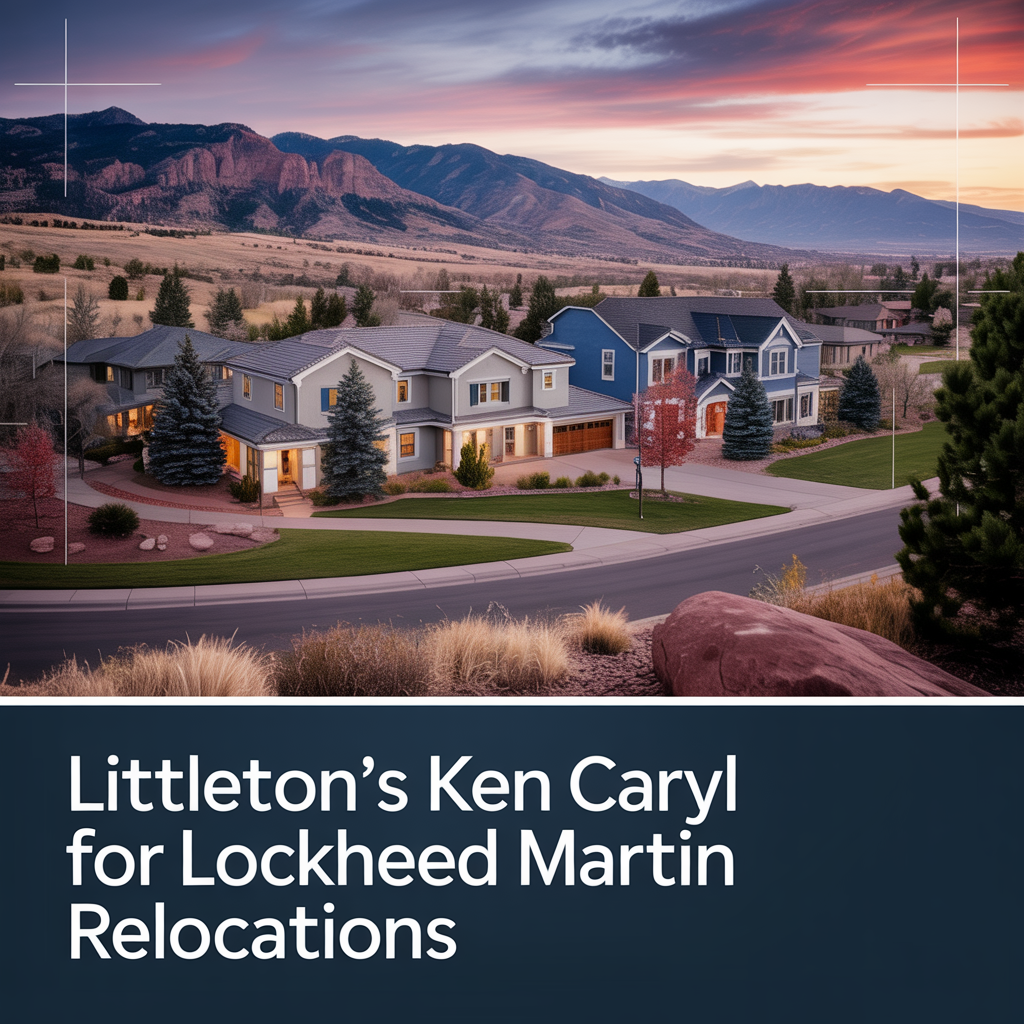
Littleton’s Ken Caryl for Lockheed Relocations
This is part of Lockheed Martin Relocation → [Lockheed Martin Relocation Hub] & the larger Denver Relocation Hub → [Denver Relocation Hub] Written by: Chad Cabalka Ken Caryl is one of the best-kept “family first” relocation options for Lockheed Martin employees who want foothills scenery, strong neighborhood appeal, and a real suburban lifestyle that still feels connected…


Centennial & Parker for Lockheed Relocations
This is part of Lockheed Martin Relocation → [Lockheed Martin Relocation Hub] & the larger Denver Relocation Hub → [Denver Relocation Hub] Written by: Chad Cabalka Centennial and Parker are two of the smartest suburban choices for Lockheed Martin employees relocating with families because they give you a strong balance of commute flexibility, good neighborhood variety, and…

Highlands Ranch for Family-Friendly Lockheed Relocations
This is part of Lockheed Martin Relocation → [Lockheed Martin Relocation Hub] & the larger Denver Relocation Hub → [Denver Relocation Hub] Written by: Chad Cabalka Highlands Ranch is one of the strongest choices for Lockheed Martin employees relocating with families because it delivers exactly what most parents want after a big move: stable neighborhoods, strong community…