



This is part of the Long Term Rentals in Denver→ [Long Term Rentals in Denver] a hub of Denver Investing Guide → [Denver Investing Guide]
Written by: Chad Cabalka
Short-term rentals (STRs) and long-term rentals (LTRs) serve different purposes in the Denver metro area, where regulatory constraints, high property costs, and steady in-migration create distinct trade-offs for property owners. STRs—typically under 30 days—offer higher revenue potential through platforms like Airbnb but face strict primary-residence rules, elevated operating costs, and complaint risks that limit scale. LTRs, by contrast, deliver predictable cash flow with lower management intensity, appealing to investors seeking stability amid softening rents and rising concessions in 2026. For Highlands Ranch homeowners or Aurora investors blending house-hacking with income, the choice hinges on risk tolerance, capital availability, and whether the goal is aggressive yield or consistent coverage.
Denver’s “residents first” policies cap STR viability for pure investors, pushing many toward hybrids or LTR pivots, while LTRs benefit from low vacancy (under 5%) and professional demand from tech and healthcare sectors. Both strategies work, but neither dominates universally—STRs excel for owner-occupants offsetting mortgages, while LTRs suit hands-off portfolios weathering regulatory flux.
Regulatory Landscape: STR Constraints vs. LTR Flexibility
Denver’s 2026 STR rules mandate primary-residence operation, tying licenses to owner-occupied homes with 24/7 local response requirements, $1M liability insurance, and Lodger’s Tax at 10.75% plus state sales tax—effective rates near 18%. Suburbs like Aurora or Centennial offer looser zoning for non-primary STRs, but city enforcement via platform data and 311 complaints risks fines up to $999 or license revocation. Multi-family buildings often ban STRs via HOAs, limiting scale.
LTRs face no such caps: standard leases (12+ months) bypass licensing, with protections under Colorado’s warranty of habitability and tenant rights laws. Evictions take 30-60 days but yield reliable Section 8 or corporate occupancy. In 2026, rising STR fees (e.g., Grand County surcharges) drive conversions to LTRs, easing housing shortages while stabilizing investor income.
Implication: STRs demand active compliance (monthly tax filings, audits), suiting live-in hosts; LTRs offer regulatory simplicity for portfolios.
Revenue Potential: STR Premiums vs. LTR Predictability
STRs generate 20-50% higher gross yields in high-demand pockets—West Highland basement suites average $165/night for 130 nights ($21,500 gross), netting $12,000 after taxes and light ops, covering $1,000 monthly mortgage offsets. RiNo or LoDo spots hit $200+ ADRs during events, with AirDNA noting 2026 “STR premiums” at multi-year highs versus ownership costs. Mid-term hybrids (30-89 days) blend yields, dodging some taxes while capturing relocating professionals.
LTRs deliver steady $2,500-$3,500/month for 3-bed single-family homes ($30,000-$42,000 annual), with 2.7% growth projected amid concessions (3-4 months free on Class A). Vacancy runs 4-6%, far below STR seasonality (20-40% shoulder lows). No platform cuts (15-20%) boost nets, though Denver’s median one-bed at $1,760 reflects softening.
Denver metro comparison:
STRs win on peaks; LTRs on consistency.
Operating Expenses: STR Intensity vs. LTR Efficiency
STR turnover (40-60 cycles/year) drives 40-60% expense ratios: $8,000-$13,000 cleaning, $3,000-$5,000 maintenance reserves (accelerated wear), $2,500 insurance riders.[conversation_history] Platforms skim 15-25%, totaling $12,000-$18,000 outflows on $25,000 gross.
LTRs clock 25-35% ratios: $3,000-$5,000 maintenance (1% reserves), $1,500 insurance, $2,000-$4,000 management (8-10% fee). Vacancy loss minimal; repairs tenant-funded via security deposits. Hybrids cut STR costs 30-40% via mid-terms.
Denver edge: STRs suit ADU-equipped homes (dual revenue); LTRs thrive in family suburbs like Highlands Ranch.
Risk Profile: STR Volatility vs. LTR Stability
STRs expose to review swings (4.8+ required for visibility), complaints (noise/parking trigger audits), seasonality, and policy shifts—Denver’s tiered permits loom. Bad months demand reserves; DSCR loans scrutinize projections.
LTRs risk tenant damage/evictions (Colorado’s 10-day notice post-judgment), rent softening (top-5 cuts 2025), but low volatility suits leverage. Security deposits mitigate wear.
Exit: STR histories boost ADU values 5-10%; LTR comps favor clean leases.
Management Effort: Active vs. Passive
STRs demand 10-20 hours/week: messaging, cleans, compliance—self-manage or pay 20-25% pros.[conversation_history] LTRs: 2-5 hours/month screening/renewals; full-service firms handle 8%.
Denver fit: STRs for content-savvy owners; LTRs for passive analysts.
Ideal Scenarios by Investor Profile
- House-Hackers/Primary Owners: STR basement suites yield $10K-$15K offsets with compliance edge.
- Scale Investors: LTR portfolios (3+ doors) via Section 8/multifamily—less ops drag.
- Risk-Averse: LTRs for 6-9% steady returns amid concessions.
- Yield Chasers: Metro-suburb STRs (Aurora) or mid-terms blending both worlds.
2026 outlook: STR premiums peak, but LTR recovery (2.7% growth) favors diversification.
Strategic Recommendations
Blend where possible: weekends STR, weekdays mid-term—$15K-$20K net with halved turnover. Stress-test pro formas: STRs need 1.4x DSCR buffers; LTRs 95% occupancy. Exit via 1031 to multifamily for LTR scalers.
Choosing Your Path in Denver Metro
STRs fuel upside for engaged owners in compliant setups; LTRs anchor stability for portfolios. Neither outperforms universally—Denver’s regs and softening rents reward hybrids balancing yield with resilience.
To model STR vs. LTR cash flows for your Highlands Ranch or metro property, compare local comps, or optimize hybrids under 2026 rules, reach out to me directly. I can run tailored projections, navigate licensing, and align strategy with your financing and risk profile.
Get the full Denver Market Insights → [Market Insights]


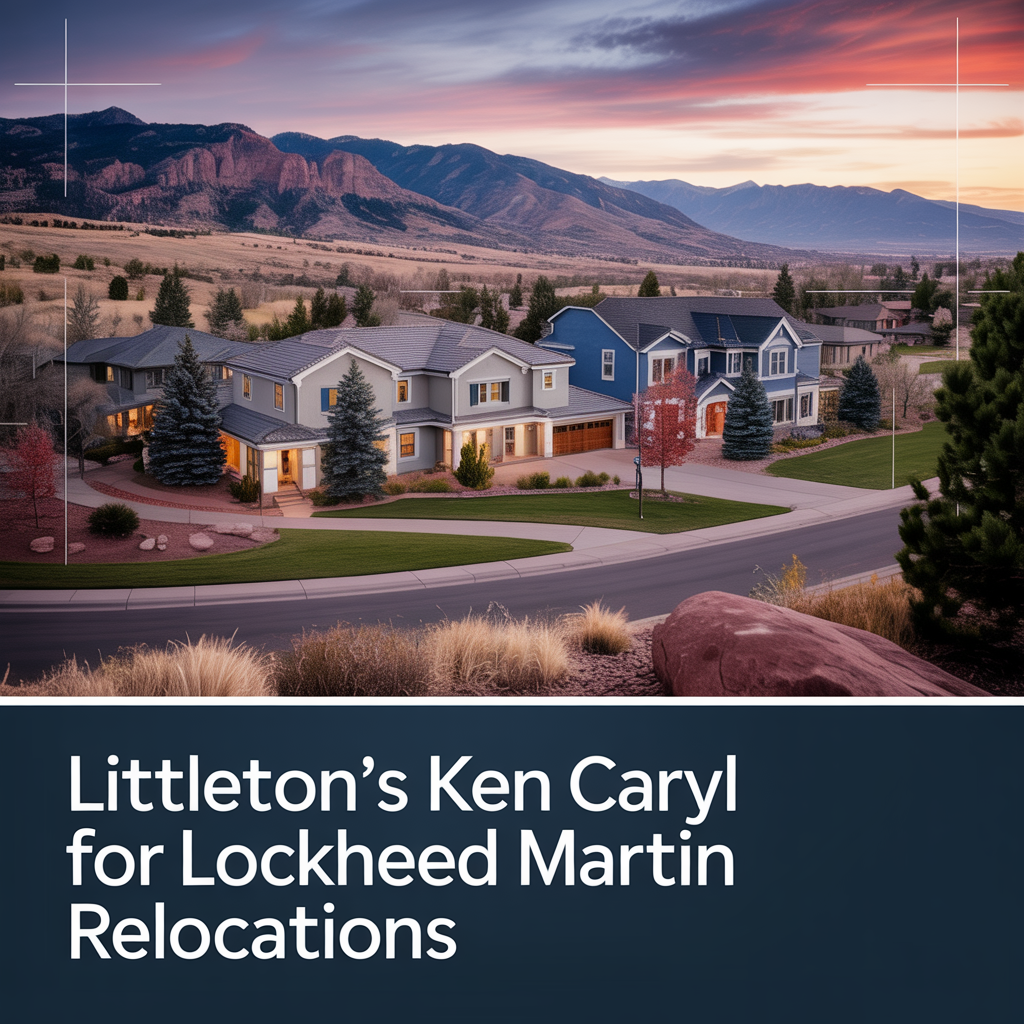
Littleton’s Ken Caryl for Lockheed Relocations
This is part of Lockheed Martin Relocation → [Lockheed Martin Relocation Hub] & the larger Denver Relocation Hub → [Denver Relocation Hub] Written by: Chad Cabalka Ken Caryl is one of the best-kept “family first” relocation options for Lockheed Martin employees who want foothills scenery, strong neighborhood appeal, and a real suburban lifestyle that still feels connected…


Centennial & Parker for Lockheed Relocations
This is part of Lockheed Martin Relocation → [Lockheed Martin Relocation Hub] & the larger Denver Relocation Hub → [Denver Relocation Hub] Written by: Chad Cabalka Centennial and Parker are two of the smartest suburban choices for Lockheed Martin employees relocating with families because they give you a strong balance of commute flexibility, good neighborhood variety, and…

Highlands Ranch for Family-Friendly Lockheed Relocations
This is part of Lockheed Martin Relocation → [Lockheed Martin Relocation Hub] & the larger Denver Relocation Hub → [Denver Relocation Hub] Written by: Chad Cabalka Highlands Ranch is one of the strongest choices for Lockheed Martin employees relocating with families because it delivers exactly what most parents want after a big move: stable neighborhoods, strong community…