



This is part of Homeownership 101→ [Homeownership 101]
Written by: Chad Cabalka
Ignoring a dripping faucet, hairline foundation crack, or subtle basement mustiness in a Denver home isn’t passivity—it’s an active decision committing you to entropy’s trajectory over deliberate intervention. In a market defined by 100+ annual freeze-thaw cycles, expansive clay soils, and biennial tax resets, this choice doesn’t freeze the status quo; it accelerates structural wear, inflates repair costs 5-10x over time, and erodes equity that disciplined stewardship compounds into 6-8% annual returns. Homeowners who normalize small issues as “background noise” or “not urgent yet” discover the hard way how localized neglect snowballs into systemic failures, turning $500 preventive measures into $25,000 crises while resale buyers dock premiums for perceived risk. Denver’s older housing stock—prevalent west of Broadway in neighborhoods like Park Hill, Sunnyside, and Jefferson Park—amplifies this dynamic, where climate aggression meets aging infrastructure without a landlord buffer.
Water Intrusion Starts Subtle, Ends Expensive
A minor seep during spring runoff or summer monsoons appears containable—perhaps just a towel on the floor—but unchecked saturation erodes perimeter drainage gravel, fostering mold behind drywall and weakening mortar joints. Denver’s clay-heavy soils expand-contract predictably under wetting-drying, transforming that drip into differential settlement: doors sticking seasonally by year two, stair-step cracks spiderwebbing exterior brick by year five, and uneven floors triggering buyer walkaways. What costs $1,500 in targeted French drain extensions or downspout relocations now escalates to $20,000-$30,000 in helical piers, interior excavation, or full waterproofing systems, as entrenched water paths etch deeper into footings. Second-order effects compound: compromised foundations invite termite highways through softened soil, halving indoor air quality scores and docking 5-10% off comps during post-offer inspections. In low-lying Globeville or alongside Cherry Creek, flood-zone premiums add $2,000/year insurance hikes, turning a year-one oversight into decade-long carry costs that stifle upgrades like energy-efficient windows.
Deferred Systems Fail at Worst Moments
Postponing a rattling furnace blower or short-cycling AC because “it still works” surrenders timing to seasonal extremes: breakdowns strike during January polar vortices or July heat domes, commanding emergency rates ($300/hour minimum) plus temporary hotel stays amid backlogged trades. Older Denver HVAC—standard in 1960s brick ranches east of I-25—starts at 80% efficiency; neglected filters and dirty coils drop that to 60%, inflating utilities $250-400 annually while hastening compressor burnout from dust buildup in our dry climate. Owners trade a $400 preventive tune-up (extending life 4-6 years) for $7,000-$10,000 full replacements, layered with 2-4 weeks of disruption when plumbers book 6 weeks out. Compounding occurs via chain reactions: inefficient systems strain electrical panels (common 100-amp service in pre-1980 homes), tripping breakers during peak loads and forcing $3,000 upgrades—capital diverted from value-adds like ADU feasibility under 2023 reforms.
Tax And Compliance Oversights Accrue Fines
Brushing off a county reassessment notice as “too much paperwork” locks in inflated values for Colorado’s full two-year cycle, often 15-30% above appealable comps post-market peaks. In Capitol Hill or Baker, this translates to $2,500-$4,000 extra annually—compounding to $18,000-$30,000 over six years at 3% escrow inflation—while engaged owners reclaim thousands via evidence packets. Parallel risks lurk in Metro habitability: unpermitted basement bedrooms without egress windows draw $500 violation notices under Denver’s just-cause framework, escalating to $2,000 forced retrofits or rental licensing denials. Inaction cedes leverage to defaults, quietly redirecting cash flow from solar installations (12% ROI via rebates) to bureaucratic penalties.
Aesthetic Neglect Signals Deeper Risk
Peeling trim or cracked stucco on a Belcaro bungalow doesn’t merely dull curb appeal—it exposes OSB sheathing to hail (annual in June) and UV degradation, spawning rot that migrates into wall cavities by year four. Insurers flag deterioration during annual reviews, demanding proofs of repair or hiking premiums 20-25% amid Colorado’s claims surge; resale buyers read cosmetic wear as systemic neglect, shaving 3-7% ($20,000-$45,000 on $650k homes) while proactive $2,500 paint/caulk cycles preserve 4% equity lift through “move-in ready” premiums. Neighborhood HOAs in Cherry Creek enforce stricter palettes, amplifying fines for inaction.
Time Value and Opportunity Costs Mount
Each ignored item steals proactive bandwidth: researching $800 gutter guards could preempt a $4,000 hydro-jet root cut, but deferral breeds reactive spirals—emergency calls during family ski trips, 18% credit card debt on furnace swaps—diverting $10,000-$15,000/year from ROI-positive moves like attic insulation (15% utility savings). In stable Observatory Park tracts, disciplined owners compound actions into 6-8% returns via preserved basis; passive ones stagnate amid 2026’s softening inventory, facing flat equity as markets reward turnkey assets.
Ignoring issues in Denver ownership defaults to maximum future friction, as climate, codes, and buyer psychology punish inertia through cascading liabilities and missed compounding. True decisions balance enjoyment with preservation—action builds trajectories of stability; passivity engineers avoidable erosion over decades.
Get the full Denver Market Insights → [Market Insights]


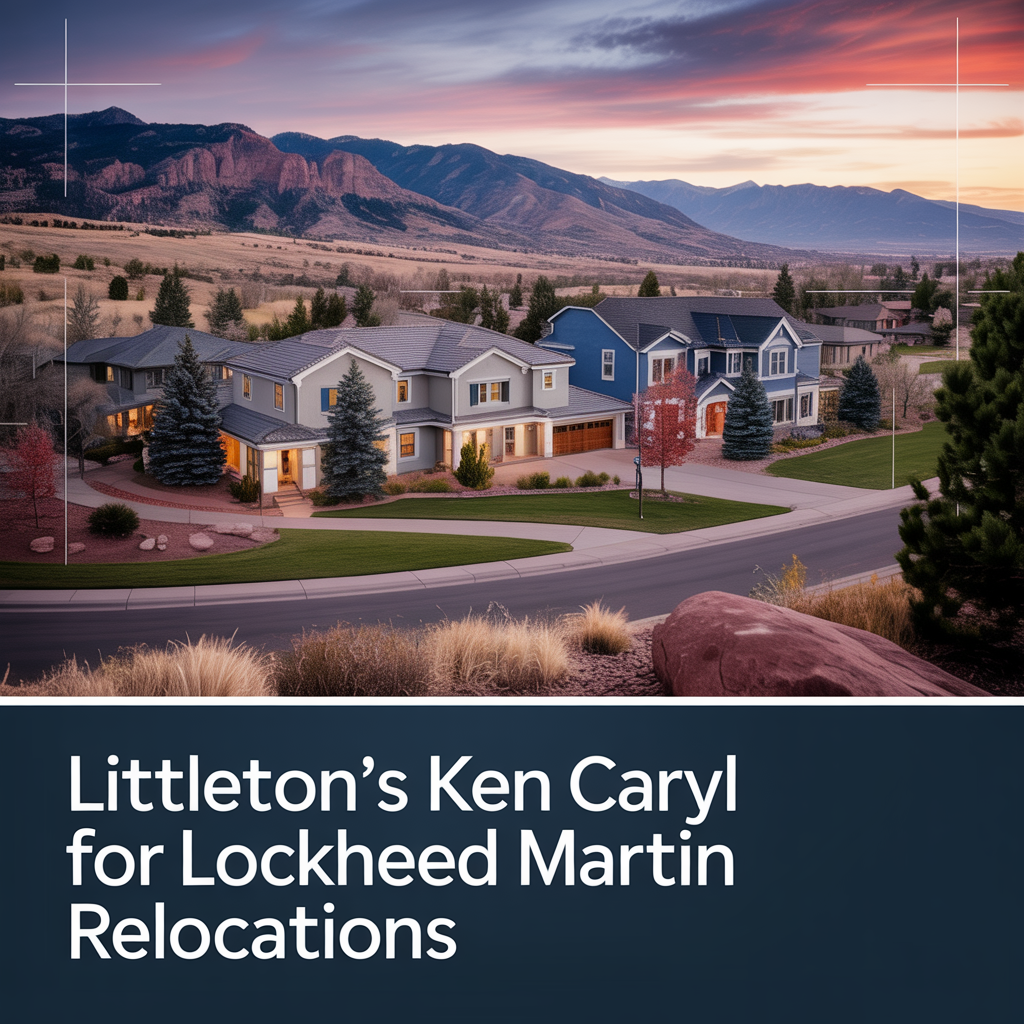
Littleton’s Ken Caryl for Lockheed Relocations
This is part of Lockheed Martin Relocation → [Lockheed Martin Relocation Hub] & the larger Denver Relocation Hub → [Denver Relocation Hub] Written by: Chad Cabalka Ken Caryl is one of the best-kept “family first” relocation options for Lockheed Martin employees who want foothills scenery, strong neighborhood appeal, and a real suburban lifestyle that still feels connected…


Centennial & Parker for Lockheed Relocations
This is part of Lockheed Martin Relocation → [Lockheed Martin Relocation Hub] & the larger Denver Relocation Hub → [Denver Relocation Hub] Written by: Chad Cabalka Centennial and Parker are two of the smartest suburban choices for Lockheed Martin employees relocating with families because they give you a strong balance of commute flexibility, good neighborhood variety, and…

Highlands Ranch for Family-Friendly Lockheed Relocations
This is part of Lockheed Martin Relocation → [Lockheed Martin Relocation Hub] & the larger Denver Relocation Hub → [Denver Relocation Hub] Written by: Chad Cabalka Highlands Ranch is one of the strongest choices for Lockheed Martin employees relocating with families because it delivers exactly what most parents want after a big move: stable neighborhoods, strong community…