


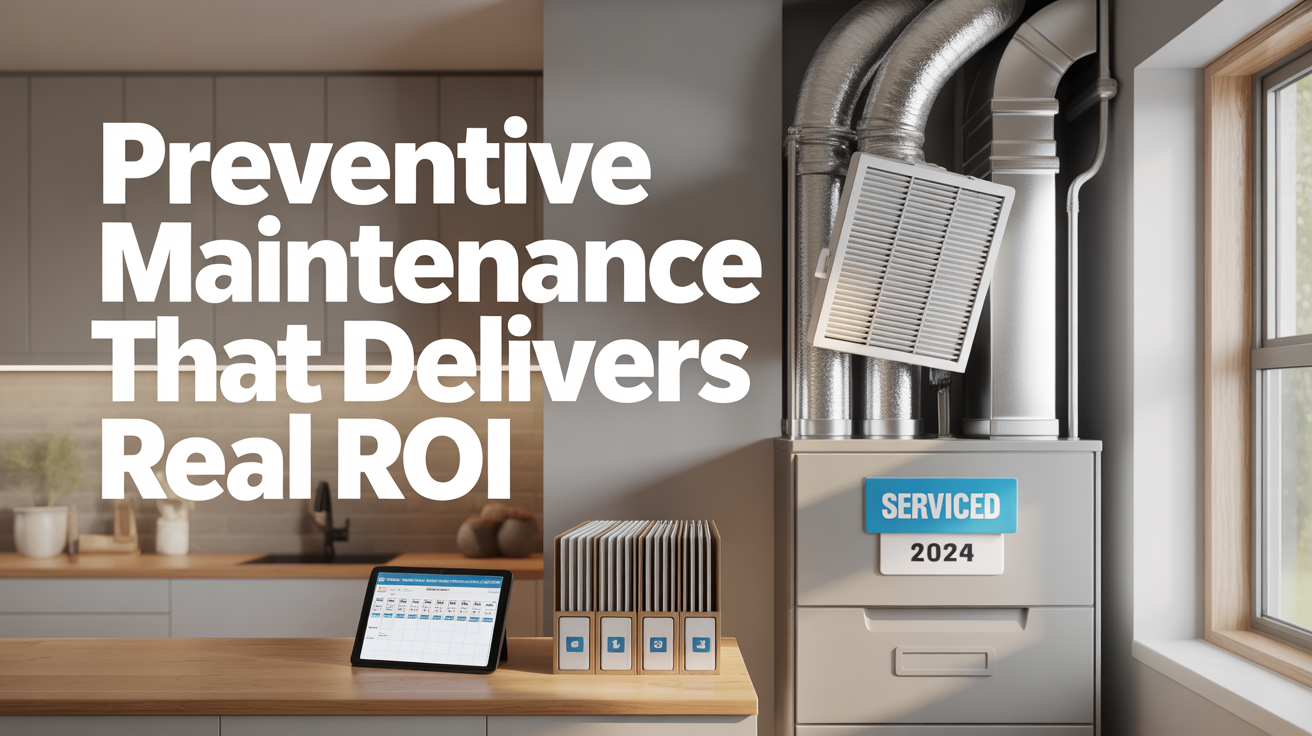
This is part of Homeownership 101→ [Homeownership 101]
Written by: Chad Cabalka
Preventive maintenance delivers real return on investment when it focuses on reducing future repairs, extending the life of big-ticket items, and keeping energy waste in check. Well-timed upkeep on roofs, HVAC systems, plumbing, and exterior elements can prevent small issues from becoming major projects that disrupt your budget and your daily life. When you think of maintenance as a way to protect the value of your home, rather than just another chore, the financial logic becomes much clearer.
The basic idea is simple: spend a controlled, smaller amount now to avoid large, unpredictable expenses later. For example, routine upkeep can reduce the likelihood of emergency repairs, which are almost always more expensive due to rush labor, after-hours rates, and collateral damage. Preventive maintenance that truly pays off is targeted, consistent, and tied to the components that would cost you the most if they failed suddenly.
How This Shows Up in Real Homes
In everyday homes, preventive maintenance with real ROI often starts with the systems you use constantly: heating and cooling, hot water, and the building envelope that keeps the weather out. Regular servicing of a furnace or air conditioner—such as cleaning, checking refrigerant, and verifying safe operation—helps the system run more efficiently and can extend its life by several years, which delays a major replacement cost. It also tends to reduce the frequency of breakdowns at high-demand times, like the coldest days of winter or the hottest days of summer.
Roof and gutter maintenance is another place where preventive work clearly pays off. Cleaning gutters and downspouts and inspecting shingles or flashing allows water to move away from the house instead of backing up under the roof edge or overflowing near the foundation. That small effort can prevent leaks, attic mold, and damage to fascia boards, each of which can require costly repairs if ignored for too long. In regions with freeze-thaw cycles, keeping water moving away from the house also reduces the risk of ice dams and water intrusion.
Plumbing and water management offer similar examples. Periodically checking under sinks, around toilets, and near the water heater for early signs of moisture helps you catch small leaks before they rot out cabinets or subfloors. Simple tasks like flushing sediment from a tank-style water heater or checking the pressure relief valve can help the unit operate more efficiently and last longer. The return here comes from avoiding both water damage and the need to replace the heater prematurely.
Common Misunderstandings Homeowners Have
Many homeowners assume preventive maintenance is “nice to have” but not essential, especially if everything appears to be working normally. It is easy to think, “If it is not broken, I will leave it alone,” and to view maintenance as optional. The problem with this mindset is that wear and tear often happens quietly, with no obvious symptoms until damage has already occurred. By the time a leak is visible on a ceiling or a furnace quits entirely, the damage is usually more expensive to address.
Another common misunderstanding is treating all maintenance as equal in value. Some tasks mainly improve comfort or appearance, while others directly reduce the risk of expensive failures. For example, wiping down a refrigerator door is not the same as cleaning the condenser coils so the compressor does not overheat. When homeowners do not distinguish between cosmetic upkeep and risk-reducing maintenance, it becomes hard to see where the true financial return lies.
Homeowners also sometimes believe that home warranties or insurance will fully protect them from the consequences of deferred maintenance. In reality, many policies exclude damage that results from neglect, such as long-term leaks, clogged gutters, or ignored manufacturer-recommended service. Relying on coverage instead of care can lead to unpleasant surprises when a claim is denied because the problem was considered preventable.
Why These Assumptions Create Problems Over Time
When preventive maintenance is viewed as optional, minor issues accumulate and compound. A gutter that overflows for several seasons may slowly deteriorate fascia and soffit boards, and once wood rot sets in, repairs become more extensive and costly. Likewise, ignoring small plumbing drips can result in mold growth or structural damage that demands not only plumbing work, but also carpentry, drywall, and sometimes remediation. These compounding costs often far exceed what regular maintenance would have required.
Skipping maintenance on mechanical systems tends to shorten their service life, bringing expensive replacements forward by several years. If a furnace fails five years earlier than it should have, you have effectively increased your annual cost of ownership for that system, even if you saved a bit on service visits. In addition, when these failures happen at inconvenient times, you may end up paying premium pricing for emergency service and have fewer options for shopping around.
Over time, a pattern of deferred maintenance can also soften your position when you eventually sell the home. Buyers and inspectors notice stains, aging equipment, and patched damage, and they translate those clues into lower offers or requests for credits at closing. Even if you have lived with the issues comfortably, the market tends to discount properties that signal upcoming expenses, which means the missed maintenance return shows up later in a reduced sale price.
How Thoughtful Homeowners Handle This Differently
Thoughtful homeowners focus preventive maintenance on items where the financial upside is clear: roofs, HVAC systems, water management, and basic structure. They make a simple annual plan that includes tasks like furnace servicing, gutter cleaning, roof checks, and plumbing inspections. By doing the same core items each year, they smooth out costs and reduce the chance that multiple systems demand attention at once. This habit makes maintenance a predictable, manageable line in the household budget instead of a series of surprises.
They also pay attention to efficiency as part of ROI. When a system runs smoothly, it usually uses less energy and puts less strain on components. For example, keeping HVAC filters clean and coils maintained reduces energy use and helps motors and compressors last longer. Over several years, lower utility bills combined with fewer breakdowns often repay the cost of professional maintenance and then some, especially in climates with heavy heating or cooling demands.
These homeowners tend to keep simple records: dates of service, who did the work, and any recommendations that came out of visits. This helps them spot patterns early, such as a water heater that needs attention more frequently or a furnace that is starting to have recurring issues. With that information, they can make timely decisions about when continued maintenance still makes sense and when it is smarter to plan for replacement before failures occur.
What to Keep in Mind Moving Forward
The most effective preventive maintenance is targeted, consistent, and focused on the systems that would hurt your budget most if they failed without warning. You do not need to turn your home into a project every weekend, but you do benefit from an annual rhythm that covers roofs, HVAC, plumbing, and drainage. Over time, those steady, predictable steps help you avoid sudden large expenses, extend the useful life of your biggest components, and make your home more comfortable and dependable to live in.
It is also helpful to think of maintenance in terms of protecting both current cash flow and future resale. The same tasks that keep your monthly costs down and reduce emergencies also make your home easier to sell, because buyers see an orderly, well-cared-for property instead of a list of looming projects. With that mindset, preventive maintenance becomes less about chores and more about quietly safeguarding your investment year after year.
Get the full Denver Market Insights → [Market Insights]


Littleton’s Ken Caryl for Lockheed Relocations
This is part of Lockheed Martin Relocation → [Lockheed Martin Relocation Hub] & the larger Denver Relocation Hub → [Denver Relocation Hub] Written by: Chad Cabalka Ken Caryl is one of the best-kept “family first” relocation options for Lockheed Martin employees who want foothills scenery, strong neighborhood appeal, and a real suburban lifestyle that still feels connected…

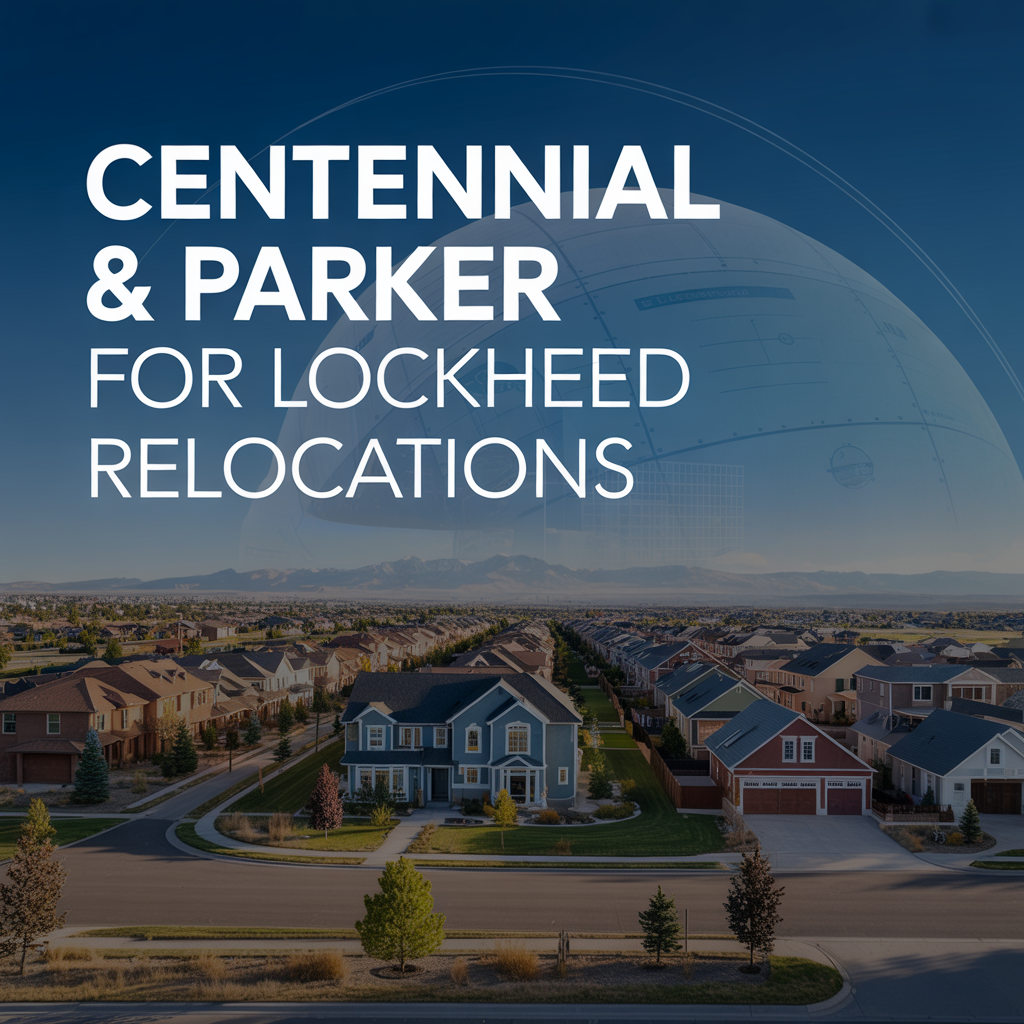
Centennial & Parker for Lockheed Relocations
This is part of Lockheed Martin Relocation → [Lockheed Martin Relocation Hub] & the larger Denver Relocation Hub → [Denver Relocation Hub] Written by: Chad Cabalka Centennial and Parker are two of the smartest suburban choices for Lockheed Martin employees relocating with families because they give you a strong balance of commute flexibility, good neighborhood variety, and…

Highlands Ranch for Family-Friendly Lockheed Relocations
This is part of Lockheed Martin Relocation → [Lockheed Martin Relocation Hub] & the larger Denver Relocation Hub → [Denver Relocation Hub] Written by: Chad Cabalka Highlands Ranch is one of the strongest choices for Lockheed Martin employees relocating with families because it delivers exactly what most parents want after a big move: stable neighborhoods, strong community…