



This is part of Homeownership 101→ [Homeownership 101]
Written by: Chad Cabalka
Introduction
Self-insuring minor losses means building dedicated cash reserves to cover repairs under 3x your deductible out-of-pocket rather than filing insurance claims, protecting your clean CLUE report, claim-free discounts, and renewability while sidestepping 20-50% premium surcharges that cost $15,000+ over 5-7 years. In Colorado’s hail-heavy Front Range, this strategy handles $2,000 siding dents, $4,000 gutter replacements, or $1,500 window cracks using 1.5-2% of home value annually ($7,500-$10,000 for $500k properties), positioning insurance as total-loss backstop rather than routine repair service. This discipline matters because small claims frequency brands you “high-risk”—2-3 filings in 5 years trigger non-renewal, forcing FAIR Plan fire-only coverage at double rates ($3,000-$5,000/year) with $750k caps excluding wind/water that dominate our claims.
The financial logic crushes claim-filing: $3,000 hail repair nets $1,500 after $1,500 deductible but launches $1,200/year hikes totaling $8,400 over 7 years—net $6,900 loss. High-deductible policies ($3k-$10k) save $1,500-3,000/year upfront, funneling those dollars into reserves matching worst-case minors. Colorado’s HB23-1174 underinsurance reforms underscore the need, but self-insuring cosmetics accelerates equity growth versus claim cycles eroding it through surcharges and resale penalties. Front Range owners practicing this sell faster, higher, cleaner—appraisers reward documented diligence over partial insurance patches signaling neglect.
How This Shows Up in Real Homes
Highlands Ranch ranch sustains $2,800 hail siding damage with $2,000 deductible—owner taps maintenance fund for cash payment, secures contractor receipt and before/after photos for resale binder proving proactive upkeep. No CLUE entry preserves 18% claim-free discount ($900/year value), renewal holds steady at $2,800 versus $3,900 post-claim trajectory.
Littleton two-story gutters collapse post-monsoon ($3,500 total)—family pulls from $10k reserve built through $800/month auto-transfers to high-yield account, avoiding first-year $1,200 surcharge entirely. Five years out, clean record saves $6,000+ versus neighbors frequency-flagged into FAIR Plan desperation.
Douglas County modern requires $4,200 Class 4 impact window replacement post-wind event—cash transaction documents premium upgrades for appraisal boost worth $15k-$20k at resale. Filing neighbors face 35% quote increases, new carriers carving out cosmetic exclusions explicitly.
Common Misunderstandings Homeowners Have
Owners mistake self-insuring for “uncovered risk,” overlooking how high deductibles plus reserves deliver superior math than low-threshold claims—$5k buffer covers three minors while premiums drop 30% ($1,200/year) self-funding the system automatically.
Colorado homeowners underestimate CLUE’s permanence—one $2k gutter claim shadows every carrier quote for 7 years, not just current policy. They celebrate “$500 net payouts” ignoring $1,500 lifetime cost through compounding surcharges.
Buyers conflate self-insuring with maintenance neglect, when GPS-timestamped cash repair logs actually prove stewardship more convincingly than insurance partials hinting at chronic issues to inspectors and appraisers.
Why These Assumptions Create Problems Over Time
Frequency filing snowballs destructively: three $2k-$4k claims extract $9k deductibles plus $12k five-year surcharges equaling $21k total for $6k repairs—$15k net loss starving roof funds. CLUE scarring demands 40-65% universal hikes, FAIR Plan traps omit hail/water critical here.
Resale bleeds 8-12%: mandatory disclosures expose 3+ claims, buyers insist on $20k-$40k credits fearing carrier drops. Appraisers penalize “insurance risk” irrespective of physical condition.
Premium creep diverts cash: $1,500/year escalation eliminates $7k hail buffers, neglected gutters cascade into $15k fascia rot classified wear-and-tear exclusions. Clean comps capture 10% premiums while flagged homes languish.
How Thoughtful Homeowners Handle This Differently
These owners adopt $3k-$10k deductibles slashing premiums $1,800-3,500/year, auto-transferring savings into 4-5% APY reserves targeting 6-12 months exposure ($20k-$50k liquid). Highlands Ranch standouts deploy apps capturing GPS-timestamped repair photos/receipts creating ironclad resale documentation.
The 3x-deductible protocol rules: <$9k-$15k cosmetics cash-funded, >$30k catastrophes filed strategically with public adjusters maximizing recovery (10% fee). Annual CLUE audits ($25) surface errors, auto/home bundling locks renewals.
Pre-listing insurance profiles showcase pristine histories plus logged self-repairs, justifying $25k-$50k premiums over compromised comps. Scheduled valuables eliminate sub-limit claims, NFIP/service line riders quarantine deductibles from routine.
What to Keep in Mind Moving Forward
High deductibles ($3k+) + reserves (1.5-2% annual value) outperform low-claim filing. Self-fund <3x deductible cosmetics; document GPS-timestamped for appraisals.
CLUE shadows 7 years across carriers—audit yearly ($25). FAIR Plan fire-only desperation coverage.
Clean insurance profiles sell 8-12% higher; frequency destroys renewability.
Contact me today and I’ll connect you with the perfect insurance specialist for your Denver-area home—they’ll run your lifetime claim math, optimize deductible/reserve balance for Colorado hail risks, audit CLUE history, and craft coverage matching your self-insurance strategy. Protect your equity from small-claim traps—get matched now.
Get the full Denver Market Insights → [Market Insights]


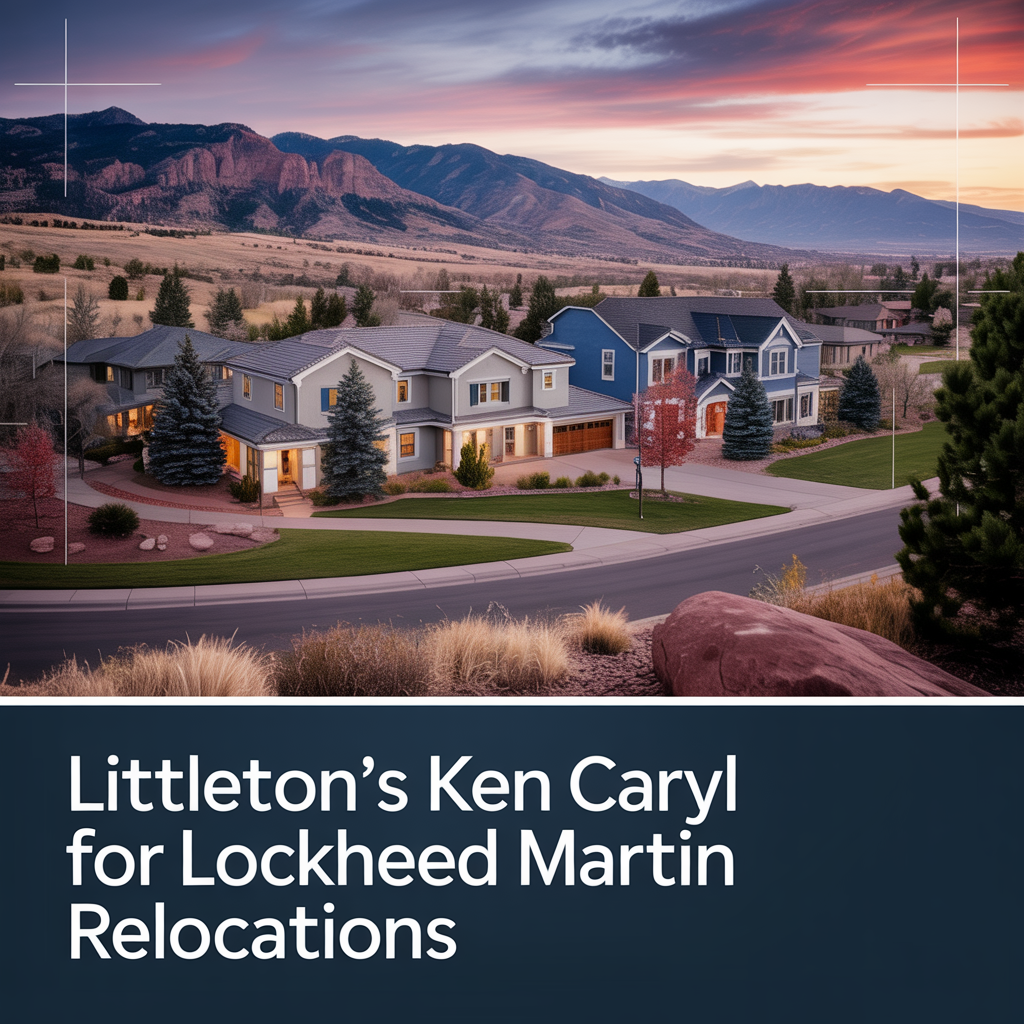
Littleton’s Ken Caryl for Lockheed Relocations
This is part of Lockheed Martin Relocation → [Lockheed Martin Relocation Hub] & the larger Denver Relocation Hub → [Denver Relocation Hub] Written by: Chad Cabalka Ken Caryl is one of the best-kept “family first” relocation options for Lockheed Martin employees who want foothills scenery, strong neighborhood appeal, and a real suburban lifestyle that still feels connected…


Centennial & Parker for Lockheed Relocations
This is part of Lockheed Martin Relocation → [Lockheed Martin Relocation Hub] & the larger Denver Relocation Hub → [Denver Relocation Hub] Written by: Chad Cabalka Centennial and Parker are two of the smartest suburban choices for Lockheed Martin employees relocating with families because they give you a strong balance of commute flexibility, good neighborhood variety, and…

Highlands Ranch for Family-Friendly Lockheed Relocations
This is part of Lockheed Martin Relocation → [Lockheed Martin Relocation Hub] & the larger Denver Relocation Hub → [Denver Relocation Hub] Written by: Chad Cabalka Highlands Ranch is one of the strongest choices for Lockheed Martin employees relocating with families because it delivers exactly what most parents want after a big move: stable neighborhoods, strong community…