


This is part of Denver Home Financing Guide → [Denver Home Financing Guide] & FHA Loans → [FHA Loans]
Written by: Chad Cabalka
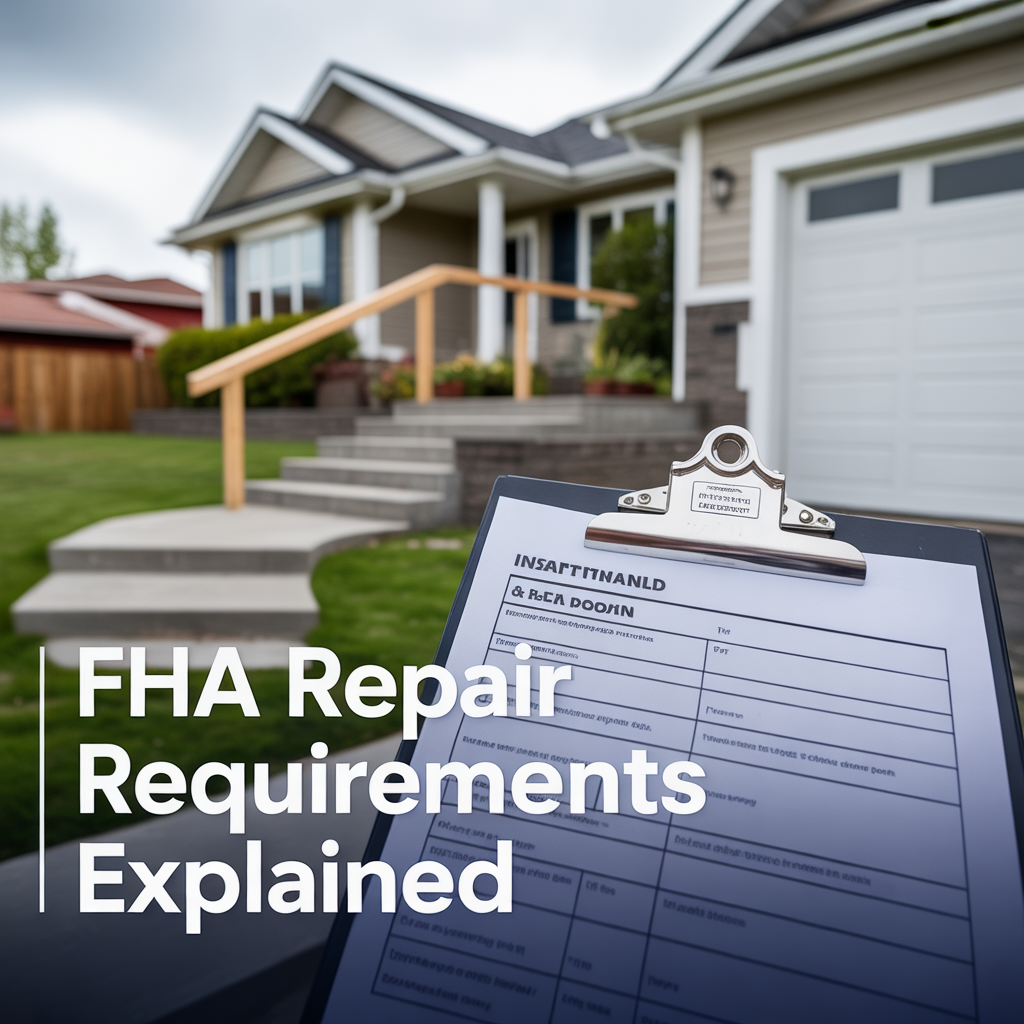
FHA loans bring homeownership within reach across Denver’s suburban, urban, and exurban markets, but their appraisal process often uncovers repair needs that must happen before closing. These requirements stem from federal Minimum Property Standards designed to ensure homes remain safe, secure, and structurally sound for the long haul—protecting both you as the buyer and the government insuring the loan. While they can feel like hurdles, understanding what triggers them, who handles the work, and how deals move forward turns potential delays into protected investments.
From years of navigating these with local families, the process follows predictable patterns tied to Denver’s housing realities like harsh winters and aging properties. This guide breaks down the most common repair mandates, resolution paths, and strategies to keep your purchase on track, helping you balance opportunity with readiness for ownership that lasts.
The Core Purpose: Safety, Security, and Soundness Standards
FHA appraisals check three pillars—safety (no health hazards), security (working locks and barriers), and soundness (structural integrity)—going beyond conventional value checks. Heat must work in every room, roofs need at least two years of life left, and foundations can’t show major settling. These rules exist because FHA-backed loans carry government risk; solid homes reduce default odds and preserve collateral value.
In Denver, weather plays a big role. Appraisers flag poor drainage causing basement moisture, hail-worn roofs nearing end-of-life, or uninsulated pipes prone to freezing. Pre-1978 homes trigger lead paint checks—chipping exterior or interior paint demands stabilization. These aren’t optional opinions; they’re binding conditions listed on the appraisal report, requiring fixes before funding.
Common Repair Triggers in Denver Properties
Specific issues pop up reliably across the metro area. Safety tops the list: missing handrails on stairs with four or more risers, non-functional GFCI outlets in kitchens and baths, or exposed wiring in garages. Structural flags include cracked driveways heaving from freeze-thaw, attic ventilation gaps allowing mold, or crawl spaces with standing water.
Utilities get close scrutiny—heating systems must produce 50 degrees above outdoor temps, water heaters need secure strapping, and septic fields (common exurban) require clean bills. Exterior concerns like peeling paint, broken windows, or hazardous tree limbs overhanging roofs also halt progress. Cosmetic wear like worn carpet passes, but anything compromising livability demands action.
These checks protect your early ownership years, preventing $10,000 furnace failures or foundation surprises that erode equity in Denver’s appreciating market.
Who Pays and Performs the Repairs
Sellers typically handle fixes under standard contracts stating properties must meet “lender requirements.” Licensed contractors complete work, with receipts and photos proving compliance. Buyers never move in to discover unaddressed issues—FHA mandates verification.
Alternatives exist when sellers resist. Repair escrows hold 150% of estimated costs at closing for post-possession work, but only for non-safety items like minor roofing or grading—health hazards fix pre-close. Price reductions help cover buyer-led repairs, though less common with FHA’s strict timeline. For major needs, FHA 203(k) loans bundle purchase and renovation funds, ideal for motivated fixer properties.
Denver sellers often cooperate, especially motivated ones like relocators, viewing fixes as path to smooth sales over re-listing risks.
The Timeline: From Flag to Final Approval
Appraisal conditions extend closings by 10–21 days. Sellers get the report, bid repairs, complete work, then schedule re-inspection by the original appraiser (around $100–200). Clear reports trigger funding; lingering issues loop back. Build 45–60 day escrows in offers to accommodate this without pressure.
Communication smooths it. Agents coordinate timelines, buyers stay flexible on move-in, and everyone documents progress. In competitive bids, FHA repair needs can strengthen your hand—sellers prioritize certain closers over as-is gambles.
Negotiation Strategies When Repairs Surface
Flags create leverage. Present contractor quotes matching appraisal language, asking sellers to cover full scope or split via credits. Motivated sellers concede to avoid FHA “tagging” the property for 120–180 days, deterring future offers. Walk from unreasonable demands, as Denver inventory offers alternatives.
Pro tip: Pre-offer walkthroughs spot likely flags, letting you adjust bids or target turnkey listings. Strong pre-approvals signal seriousness, encouraging seller buy-in.
Beyond Standard FHA: 203(k) for Bigger Fixes
When properties need substantial work—new roofs, structural tweaks, or system overhauls—standard FHA stalls, but 203(k) steps in. Limited versions cap at $35,000–$50,000 for cosmetics and minor repairs; standard ones handle unlimited scope under loan limits, with consultant oversight. These fold fixes into mortgages, turning opportunities into turnkey homes without separate funding hassles.
In Denver, 203(k) suits older urban charmers or exurban projects, delivering updated properties primed for equity growth.
Long-Term Benefits: Repairs That Pay Dividends
Upfront fixes build lasting value. FHA-mandated homes start ownership without Year 1 crises, letting payments fuel principal and appreciation. Resale shines—buyers favor vetted properties, and equity compounds cleaner. Families who’ve navigated repairs report smoother refinances and upgrades, proving the process protects across decades.
Final Thoughts: Repairs as Your Ownership Foundation
FHA repair requirements ensure solid starts, turning homes into reliable assets rather than repair traps. In Denver’s thriving market, embracing this rigor delivers properties ready for life’s full journey, from family growth to retirement security.
Hit an FHA repair snag or eyeing a property with potential flags? Reach out to me directly. As a Denver-area real estate advisor versed in these guidelines, I’ll decode your appraisal report, strategize negotiations, and keep your deal moving toward closing. Let’s transform requirements into your long-term advantage.
Get the full Denver Market Insights → [Market Insights]



Littleton’s Ken Caryl for Lockheed Relocations
This is part of Lockheed Martin Relocation → [Lockheed Martin Relocation Hub] & the larger Denver Relocation Hub → [Denver Relocation Hub] Written by: Chad Cabalka Ken Caryl is one of the best-kept “family first” relocation options for Lockheed Martin employees who want foothills scenery, strong neighborhood appeal, and a real suburban lifestyle that still feels connected…


Centennial & Parker for Lockheed Relocations
This is part of Lockheed Martin Relocation → [Lockheed Martin Relocation Hub] & the larger Denver Relocation Hub → [Denver Relocation Hub] Written by: Chad Cabalka Centennial and Parker are two of the smartest suburban choices for Lockheed Martin employees relocating with families because they give you a strong balance of commute flexibility, good neighborhood variety, and…

Highlands Ranch for Family-Friendly Lockheed Relocations
This is part of Lockheed Martin Relocation → [Lockheed Martin Relocation Hub] & the larger Denver Relocation Hub → [Denver Relocation Hub] Written by: Chad Cabalka Highlands Ranch is one of the strongest choices for Lockheed Martin employees relocating with families because it delivers exactly what most parents want after a big move: stable neighborhoods, strong community…