


This is part of Homeownership 101 → [Homeownership 101] & Living in the Home Long Term → [Living in the Home Long Term]
Written by: Chad Cabalka
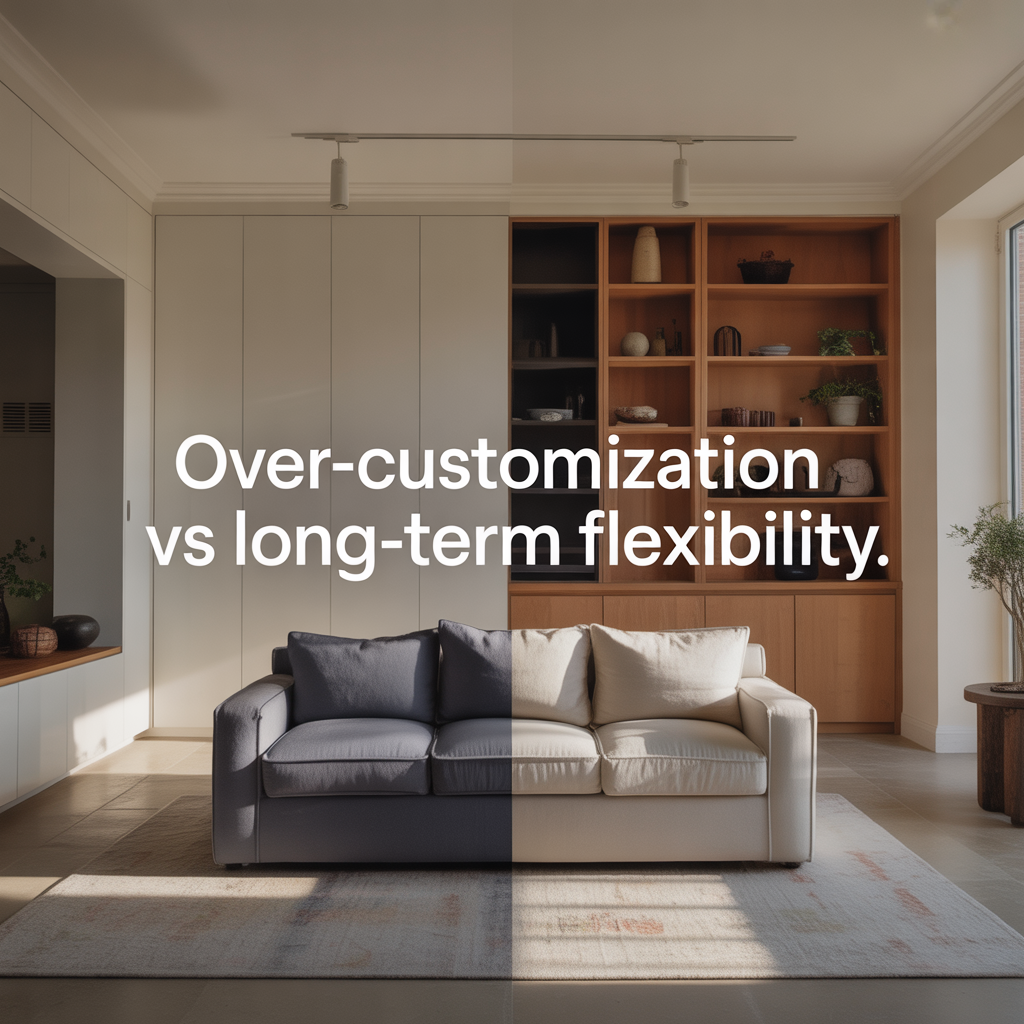
Over-customization makes a home feel perfect for one very specific version of your life, while long-term flexibility keeps it working for the many versions of your life you have over the years—and for the next owner too. The tension is between building a space that feels personal and special right now, and keeping it adaptable enough that you don’t box yourself into expensive remodels or resale problems later. In the Denver metro area, where families grow, jobs shift to remote work, and lifestyles evolve with the city’s fast pace, getting this balance wrong can mean sinking money into features that nobody else wants or facing a home that no longer fits your needs just a few years down the road.
What Over-Customization Looks Like
Over-customization shows up when design choices are so specific that only a narrow group of people would want them. Think of turning a bedroom into a built-in recording studio with soundproof walls and custom wiring, installing ultra-niche finishes like exotic granite countertops in wild patterns, or designing a kitchen around one very particular way of cooking—maybe a double Sub-Zero fridge setup for a serious home chef. These projects can make the home feel fantastic for you today but harder to repurpose later without major work, like ripping out cabinetry or rewiring rooms. They also risk dating quickly as trends shift—remember when avocado green appliances were hot? Now they scream 1970s. In Denver, where resale buyers often prioritize move-in-ready practicality over quirky flair, this can translate to lower offers or longer days on market. Homeowners who go overboard on personal tastes, like themed bathrooms or permanent mural walls, often hear feedback from agents that buyers can’t see past it to their own vision.
Why Flexibility Ages Better
Flexible design focuses on rooms and features that can shift roles as life changes—home office today, nursery tomorrow, guest room later. Open or partially open layouts let you flow between kitchen, dining, and living areas without feeling walled off, perfect for Denver’s casual entertaining culture or growing families. Bonus rooms, mudrooms with built-in benches that double as homework nooks, and “flex rooms” stay useful because they aren’t tied to one narrow purpose. Add simple elements like pocket doors, modular shelving, or wide hallways, and you’ve got a home that bends without breaking. This kind of planning lets you stay in the same home longer, because the space can stretch and adjust around new jobs, kids hitting growth spurts, aging parents needing main-floor access, or lifestyle changes like picking up mountain biking gear for weekend adventures in the Rockies. In Colorado’s variable climate, flexible spaces also mean easier updates for things like adding radiant floor heating or better insulation without gutting the whole house.
Impact on Resale and Value
From a resale standpoint, customization helps when it lines up with what many buyers want—solid storage solutions, updated kitchens and baths with quartz counters and subway tile, durable hardwood floors, and calm, broadly appealing finishes like soft grays or warm beiges. These upgrades often recoup 70-80% of their cost at sale because they appeal to the masses. Problems start when customization is so personal that buyers mentally add a “cost to undo” on top of your asking price—think $20,000 for that custom wine cellar turning into a $15,000 deduction in their offer. Flexible layouts, neutral but high-quality finishes, and multi-use spaces tend to show better in photos, stage beautifully for open houses, and attract more offers because buyers can easily imagine their own lives fitting into the home. Local Denver market data shows homes with adaptable floor plans sell faster and closer to asking price, especially in competitive neighborhoods like Highlands Ranch or Cherry Creek where buyers snap up practical gems.
A Common-Sense Middle Ground
The sweet spot is “personal but reversible.” Use paint, furniture, lighting, rugs, and decor for your bold statements—they’re cheap to swap out when tastes change or you sell. Keep the big, expensive elements—floor plan, built-ins, tile, cabinetry, plumbing fixtures—more adaptable and broadly appealing. When planning any upgrade, ask two questions: “Can this room do something different in five years?” and “Would most buyers see this as an upgrade, not a project?” Test it by walking through staging showrooms or scrolling Zillow listings—does it feel timeless or trendy? Involve a local real estate pro early for a second opinion on Denver-specific buyer prefs, like open great rooms or energy-efficient windows that handle hail. Layer in smart tech like dimmers or voice-controlled lights that anyone can use without fuss.
Practical Steps to Stay Flexible
Start small: audit your space yearly. Map out current uses versus future needs—maybe that formal dining room becomes a playroom now but a workout spot later. Invest in quality basics first: ample natural light via sheer curtains, plenty of outlets for modern gadgets, and smooth traffic flow. For Denver homeowners, prioritize weather-resilient choices like metal roofs or composite decking that last without locking you in. Budget 1-2% of home value annually for tweaks that keep things fresh without overcommitting. Remodeling? Opt for semi-custom cabinets over fully bespoke, and choose timeless hardware. This approach future-proofs your investment, letting you enjoy personalization today while safeguarding equity for tomorrow’s moves, whether staying put or cashing out.
Reach out to me directly about Over-Customization vs Long-Term Flexibility, and get expert representation for designing Denver metro home updates that feel personal now but sell like hotcakes later.
Get the full Denver Market Insights → [Market Insights]



Littleton’s Ken Caryl for Lockheed Relocations
This is part of Lockheed Martin Relocation → [Lockheed Martin Relocation Hub] & the larger Denver Relocation Hub → [Denver Relocation Hub] Written by: Chad Cabalka Ken Caryl is one of the best-kept “family first” relocation options for Lockheed Martin employees who want foothills scenery, strong neighborhood appeal, and a real suburban lifestyle that still feels connected…


Centennial & Parker for Lockheed Relocations
This is part of Lockheed Martin Relocation → [Lockheed Martin Relocation Hub] & the larger Denver Relocation Hub → [Denver Relocation Hub] Written by: Chad Cabalka Centennial and Parker are two of the smartest suburban choices for Lockheed Martin employees relocating with families because they give you a strong balance of commute flexibility, good neighborhood variety, and…

Highlands Ranch for Family-Friendly Lockheed Relocations
This is part of Lockheed Martin Relocation → [Lockheed Martin Relocation Hub] & the larger Denver Relocation Hub → [Denver Relocation Hub] Written by: Chad Cabalka Highlands Ranch is one of the strongest choices for Lockheed Martin employees relocating with families because it delivers exactly what most parents want after a big move: stable neighborhoods, strong community…