


This is part of Denver Home Financing Guide → [Denver Home Financing Guide] & VA Loans → [VA Loans]
Written by: Chad Cabalka
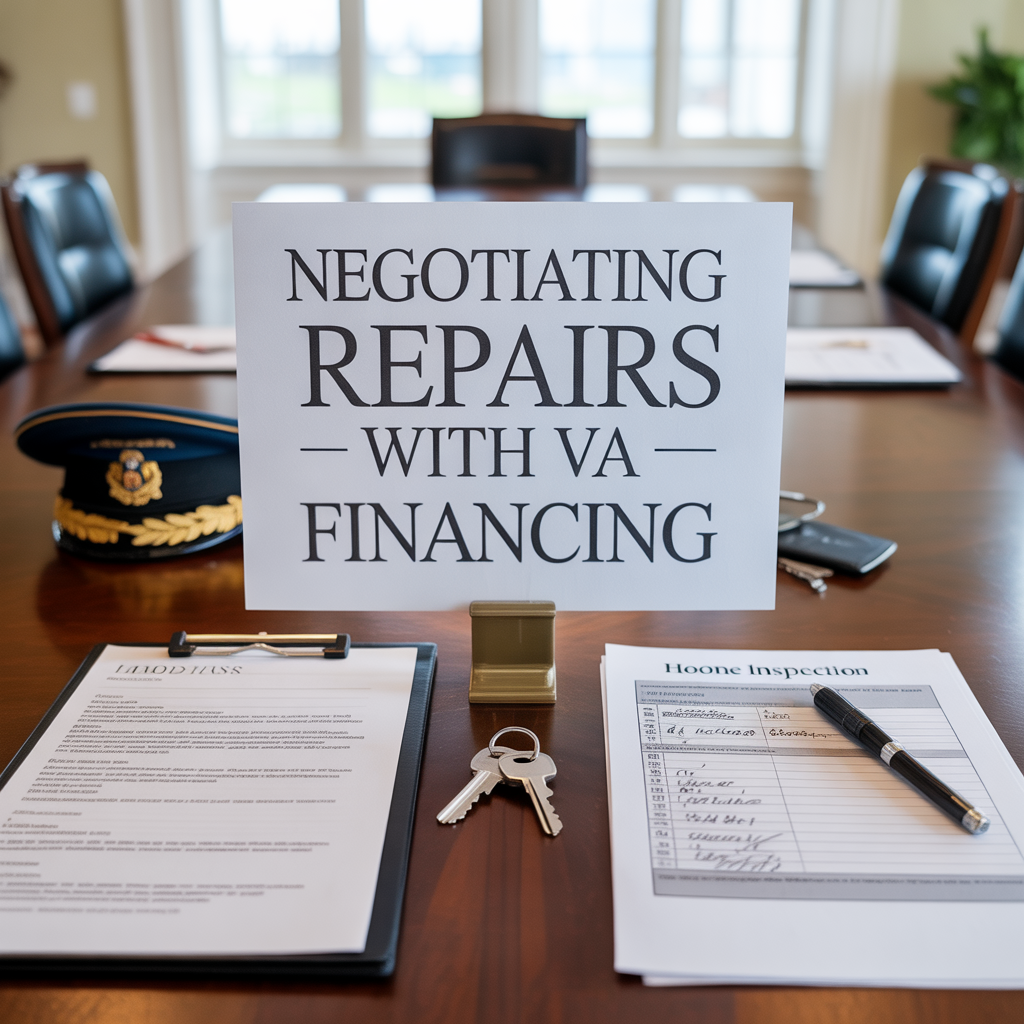
Buying a home in the Denver metro area with VA financing often uncovers appraisal issues requiring repairs to meet Minimum Property Requirements for safety and habitability, giving eligible veterans and military families leverage to negotiate fixes, credits, or concessions from sellers without derailing closings or draining reserves meant for moving and settling. Unlike conventional loans where buyers typically accept properties as-is post-appraisal, VA’s strict standards flag issues like faulty roofs, electrical hazards, or poor drainage that must resolve before funding, turning the Notice of Value report into a roadmap for talks in Colorado’s competitive family markets. First-time buyers transitioning to remote work or parents targeting three-bedroom ranches use this process strategically, requesting seller-paid handrail additions or pest treatments while preserving cash for utility setups and fenced yards essential to daily life amid hail seasons and dry air challenges. Sellers motivated by firm offers concede repairs to avoid relisting delays, while buyers balance firmness with flexibility—credits for minor cosmetics, full fixes for safety—to keep deals alive without overextending on fixer-uppers that strain long-term budgets. This negotiation dance protects VA benefits’ value, ensuring homes arrive move-in ready while building equity through appreciation without surprise costs eating into family stability.
Appraisal Notices Drive Repair Demands
VA appraisers issue a Notice of Value detailing required repairs—categorized as safety, structural, or sanitation MPR violations—that block loan approval until addressed, such as replacing roofs with under five years life, fixing exposed wiring, or treating active termite damage common in metro crawl spaces. Buyers receive this report promptly, using it to formally request seller completion via licensed contractors with receipts and photos proving compliance, triggering a $150 VA reinspection by the original appraiser to verify fixes before final funding. Families leverage this in Denver’s seller-favorable markets by prioritizing must-fixes like HVAC functionality for 50°F winter heat or proper drainage preventing basement floods during thaws, negotiating timelines tied to closing dates to maintain momentum amid school enrollments. Remote workers emphasize access roads and utility operations, as non-functional septic or well water halts deals outright, while sellers often agree to curb work like gutter realignments over major overhauls. Everyday qualifiers pair VA reports with private inspections uncovering deeper issues like slow drains, stacking evidence for stronger credits when full repairs exceed 1-2% of sale price.
Sellers counter with as-is acceptance or price reductions reflecting repair bids, but VA rigidity favors buyers—unresolved MPRs kill financing—prompting concessions that conventional as-is clauses rarely yield.
Negotiation Tactics Balance Leverage and Flexibility
Present repair requests professionally within 48 hours of NOV receipt, prioritizing safety items like missing handrails or peeling pre-1978 lead paint first, then structural like foundation cracks, bundling costs under $5,000 for seller absorption versus credits above that threshold where buyers assume minor cosmetics post-closing. Offer split scenarios—seller handles HVAC replacement, buyer credits for cosmetic paint—preserving goodwill in multiple-offer scenarios while protecting reserves for closing fees, inspections, or moving trucks vital during PCS transitions. Families model outcomes: $3,000 roof patch versus $1,500 credit plus $150 reinspection, choosing paths minimizing cash outlay amid property taxes and HOA realities, and include contingencies allowing exits if sellers balk on essentials like electrical panels. Growing households target well-maintained ranches over fixers, as multi-unit house hacks demand shared system compliance complicating talks, while remote parents negotiate pest certifications clearing termite zones standard in Colorado without triggering full structural digs. Agents mediate via repair addendums specifying licensed work, warranties, and walk-throughs pre-closing, turning hurdles into wins without alienating sellers facing market softening.
Lenders rarely escrow repairs due to guarantee risks, so upfront seller fixes or credits prevail, with waivers rare for minor issues backed by engineer reports.
Escrow and Credit Alternatives Keep Deals Alive
When sellers resist full repairs, negotiate sales price reductions matching licensed bids—say $4,000 off for drainage grading—letting buyers fund post-closing without loan delays, or request lender-held escrows at 1.5x bid for completion under supervision, though uncommon due to VA funding timelines. Buyers accept non-MPR cosmetics like dated fixtures via credits, preserving budgets for personalization such as energy-efficient windows cutting Xcel bills or built-in desks boosting resale neutrality, while documenting all via emails for dispute protection. First-timers exit toxic deals via appraisal contingencies when repairs exceed 3% value, relisting risks pressuring sellers in balanced Denver metro pockets favoring quick family buyers. This flexibility shines over conventional as-is norms, as VA protections ensure habitability without buyer overextension, aligning stable homes with long-term ownership where appreciation funds future upgrades seamlessly. Parents emerge with move-in-ready properties, reserves intact for college funds or vacations, turning negotiations into equity builders rather than budget busters.
Strategic timing—appraisals mid-contingency—maximizes leverage, with second chances via new appraisals if deals revive post-fixes.
Reach out to me directly about negotiating repairs with VA financing, and get expert representation for MPR-smart deals and repair-leveraged buying power in the Denver metro area.
Get the full Denver Market Insights → [Market Insights]



Littleton’s Ken Caryl for Lockheed Relocations
This is part of Lockheed Martin Relocation → [Lockheed Martin Relocation Hub] & the larger Denver Relocation Hub → [Denver Relocation Hub] Written by: Chad Cabalka Ken Caryl is one of the best-kept “family first” relocation options for Lockheed Martin employees who want foothills scenery, strong neighborhood appeal, and a real suburban lifestyle that still feels connected…


Centennial & Parker for Lockheed Relocations
This is part of Lockheed Martin Relocation → [Lockheed Martin Relocation Hub] & the larger Denver Relocation Hub → [Denver Relocation Hub] Written by: Chad Cabalka Centennial and Parker are two of the smartest suburban choices for Lockheed Martin employees relocating with families because they give you a strong balance of commute flexibility, good neighborhood variety, and…

Highlands Ranch for Family-Friendly Lockheed Relocations
This is part of Lockheed Martin Relocation → [Lockheed Martin Relocation Hub] & the larger Denver Relocation Hub → [Denver Relocation Hub] Written by: Chad Cabalka Highlands Ranch is one of the strongest choices for Lockheed Martin employees relocating with families because it delivers exactly what most parents want after a big move: stable neighborhoods, strong community…