



This is part of Denver Home Financing Guide → [Denver Home Financing Guide] & VA Loans → [VA Loans]
Written by: Chad Cabalka
Buying a home in the Denver metro area with VA financing strikes a deliberate balance between ironclad protections that shield eligible veterans and military families from unsafe properties and built-in flexibility that accommodates real-world home conditions without blocking access to character-filled older homes or unique layouts suited to growing households. VA Minimum Property Requirements emphasize safety, sanitation, and structural soundness—ensuring roofs last the loan term, heating reaches 50°F everywhere, and crawl spaces stay dry—while allowing cosmetic wear, dated fixtures, and non-traditional designs that conventional appraisals might undervalue purely on market appeal. First-time buyers transitioning to remote work or parents eyeing three-bedroom ranches from the 1960s benefit from this dual approach, as rigid protections flag hazards like faulty wiring or termite damage before closing, yet waivers and repairs provide paths forward on well-maintained older properties where modern perfection isn’t required. This framework protects against surprise costs in Colorado’s hail-prone climate and variable soils while preserving buying power for spacious floor plans with home offices or fenced yards, turning potential deal-breakers into manageable negotiations that support long-term stability over investor flips. Busy families navigate these standards strategically, pairing VA appraisals with private inspections to maximize flexibility without sacrificing the safeguards that make VA loans a service-earned advantage over conventional as-is rigidity.
Protections Prioritize Safety and Livability
VA standards mandate immediate habitability through working mechanicals—hot water, code-compliant electrical without exposed wires, functional sewage free from backups—rejecting properties posing health risks like mold from poor ventilation or lead paint hazards in pre-1978 builds, ensuring military families move in without emergency fixes draining reserves meant for utility setups or school transitions. Structural checks verify foundations free from major settlement, roofs with five-plus years life against Denver hail damage, and adequate drainage preventing basement floods during spring thaws, blocking distressed fixers that conventional loans permit via buyer waivers. These non-negotiable baselines protect against insurance denials or safety violations post-closing, common pitfalls for remote workers discovering HVAC failures mid-winter or parents facing pest infestations affecting kids’ health. Families gain peace knowing appraisals double as upfront vetting, with Notice of Value reports flagging issues early for seller repairs rather than post-purchase shocks eroding equity in appreciating metro markets. This rigorous layer favors stable ownership over speculative plays, aligning homes with family needs like private bedrooms and safe play spaces without deferred maintenance surprises.
Flexibility Accommodates Real Homes
Waivers exist for minor MPR shortcomings when engineers certify safety—say attic access slightly undersized or cosmetic peeling addressed post-closing—offering paths conventional lacks, letting quirky mid-century ranches or multi-unit house hacks qualify if primarily residential and zoning-compliant. Appraisers overlook dated kitchens, worn carpets, or original hardwood showing character, focusing economic life exceeding 30 years rather than pristine condition, greenlighting older Denver gems with updated mechanicals that suit remote setups without full modernizations. Unique properties like converted barns or homes with accessory commercial space up to 25% pass if marketable to broad buyers and meeting core standards, providing access conventional often blocks via comparable sales scarcity. Growing households leverage repair negotiations for handrails or gutter fixes, with sellers conceding faster knowing unresolved issues kill their buyer’s funding, preserving deal momentum amid competitive family bidding wars. This practical bend rewards maintained older stock over cookie-cutter new builds, ensuring spacious lots and flexible floor plans support lifestyle without cosmetic overhauls eating budgets.
Strategic Balance Serves Family Priorities
Protections prevent overextension on lemons—pest-damaged joists or failing septics halt closings outright—while flexibility via reinspections after $2,000-$5,000 fixes keeps viable homes in play, letting first-timers negotiate credits for paint stripping alongside full furnace swaps. Remote parents model scenarios pairing VA NOVs with private reports, targeting properties 80% compliant needing gutter realignments over structural overhauls exceeding 2% value, preserving cash for energy-efficient windows cutting Xcel bills long-term. Multi-unit older properties enable legal house hacking post-60-day occupancy if shared systems function, offsetting PITI through rentals conventional investment loans block with 15-25% down, balancing income goals with primary residence rules. This equilibrium shines in Denver’s diverse inventory, where 5-7% appreciation rewards solid-bones character homes supporting resale without perfection demands, and IRRRL refis later drop rates without re-testing standards. Everyday qualifiers emerge with move-in-ready stability, reserves intact for personalization like built-in desks or fenced yards that enhance joy without safety compromises.
Lifetime planning favors this balance—starter ranches passing easily, family upgrades via waivers, retirement condos needing minimal tweaks—maximizing VA reusability over conventional resets.
Reach out to me directly about protection versus flexibility in VA property standards, and get expert representation for MPR-balanced buys and veteran-optimized homeownership in the Denver metro area.
Get the full Denver Market Insights → [Market Insights]


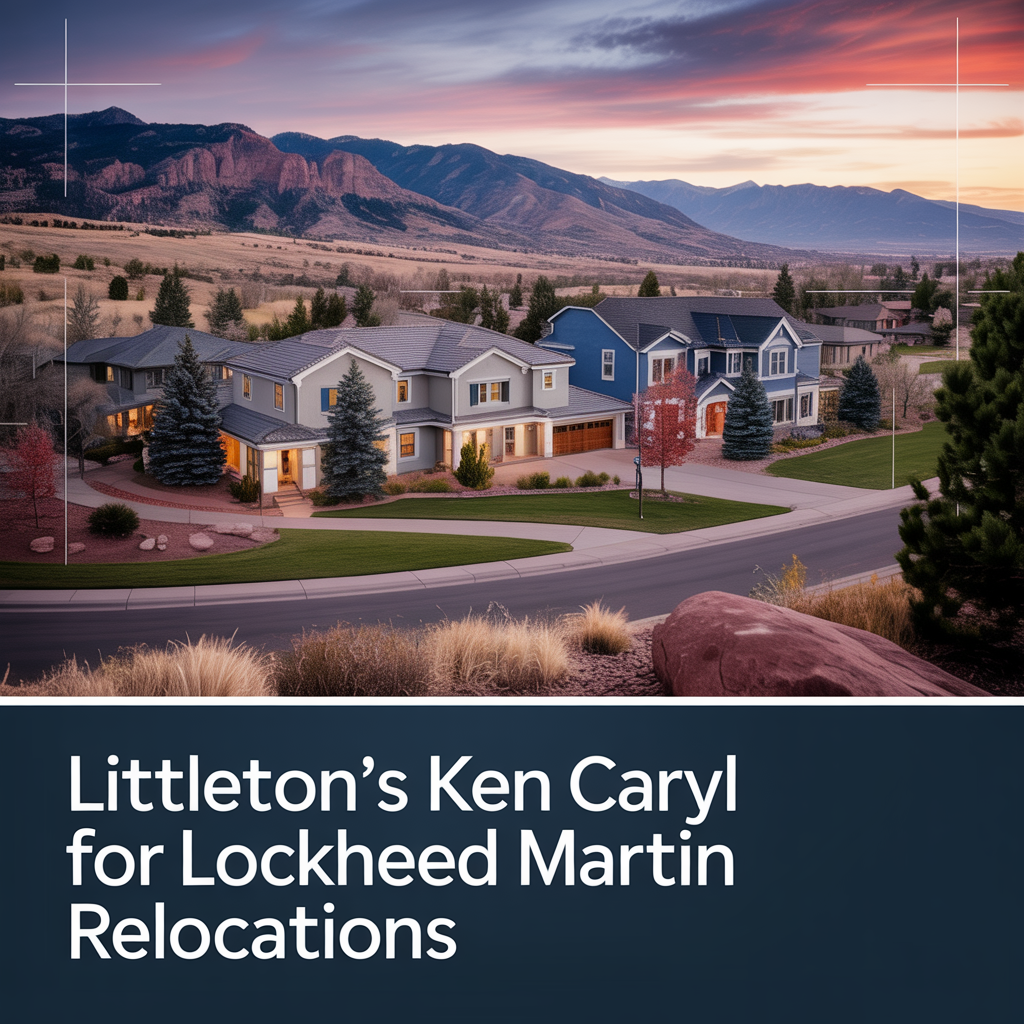
Littleton’s Ken Caryl for Lockheed Relocations
This is part of Lockheed Martin Relocation → [Lockheed Martin Relocation Hub] & the larger Denver Relocation Hub → [Denver Relocation Hub] Written by: Chad Cabalka Ken Caryl is one of the best-kept “family first” relocation options for Lockheed Martin employees who want foothills scenery, strong neighborhood appeal, and a real suburban lifestyle that still feels connected…


Centennial & Parker for Lockheed Relocations
This is part of Lockheed Martin Relocation → [Lockheed Martin Relocation Hub] & the larger Denver Relocation Hub → [Denver Relocation Hub] Written by: Chad Cabalka Centennial and Parker are two of the smartest suburban choices for Lockheed Martin employees relocating with families because they give you a strong balance of commute flexibility, good neighborhood variety, and…

Highlands Ranch for Family-Friendly Lockheed Relocations
This is part of Lockheed Martin Relocation → [Lockheed Martin Relocation Hub] & the larger Denver Relocation Hub → [Denver Relocation Hub] Written by: Chad Cabalka Highlands Ranch is one of the strongest choices for Lockheed Martin employees relocating with families because it delivers exactly what most parents want after a big move: stable neighborhoods, strong community…